The name Tomoki Misato is well-known at this point, a creator whose tactile stop-motion projects using felt and household materials set him on a path to global viral success with Pui Pui Molcar. No one could have expected a 3-minute short attached to an existing TV show on Japanese mornings would find a lease of life online as Guinea pig cars of fluffy proportions caused enough of a storm to lead to the birth of a franchise and the chance for the creator to lead his own stop-motion animation studio under the WIT Studio umbrella. After a relatively-successful full-length licensed project for Sanrio, Candy Caries marks the creators first original project in this new studio.
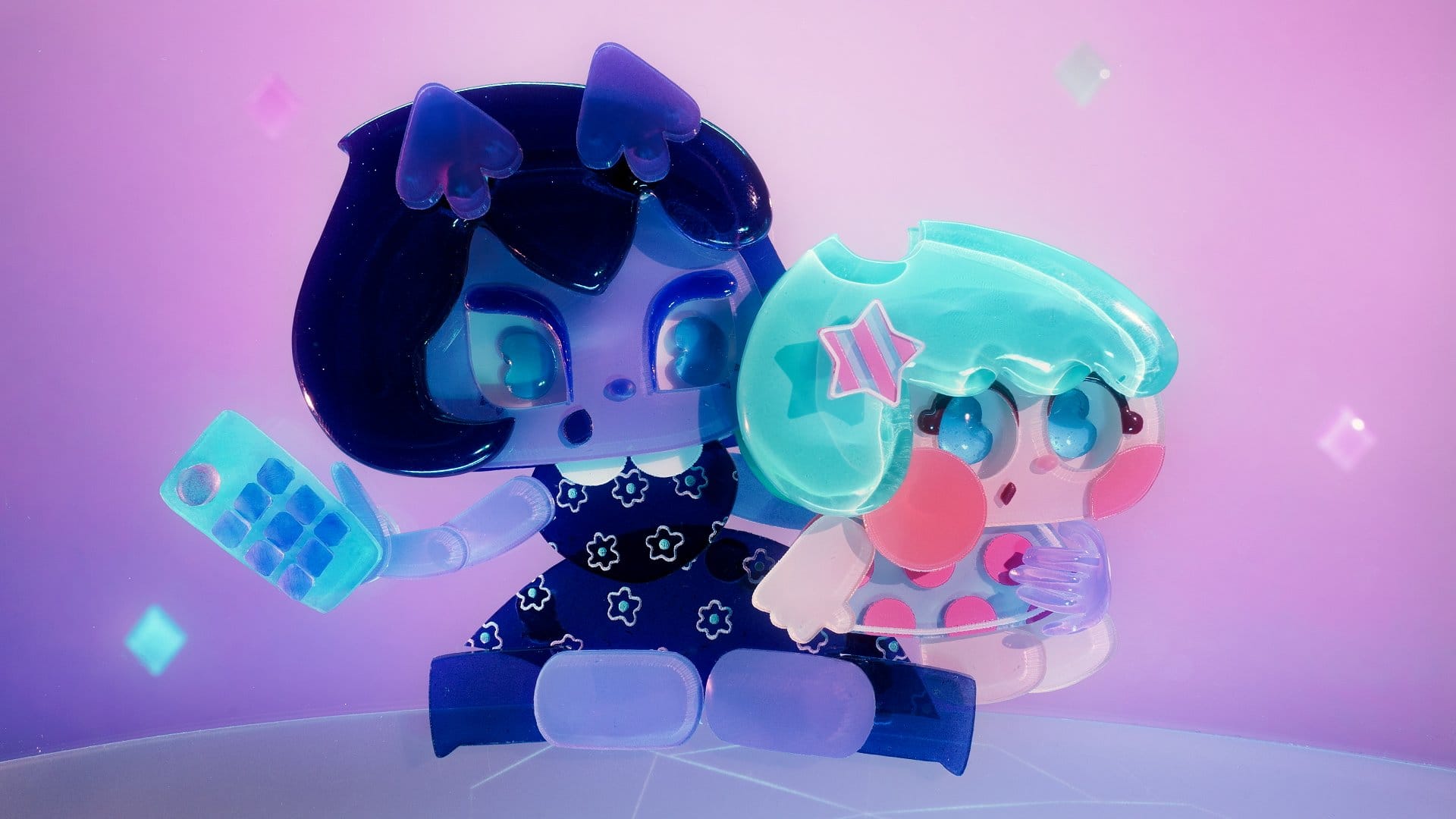
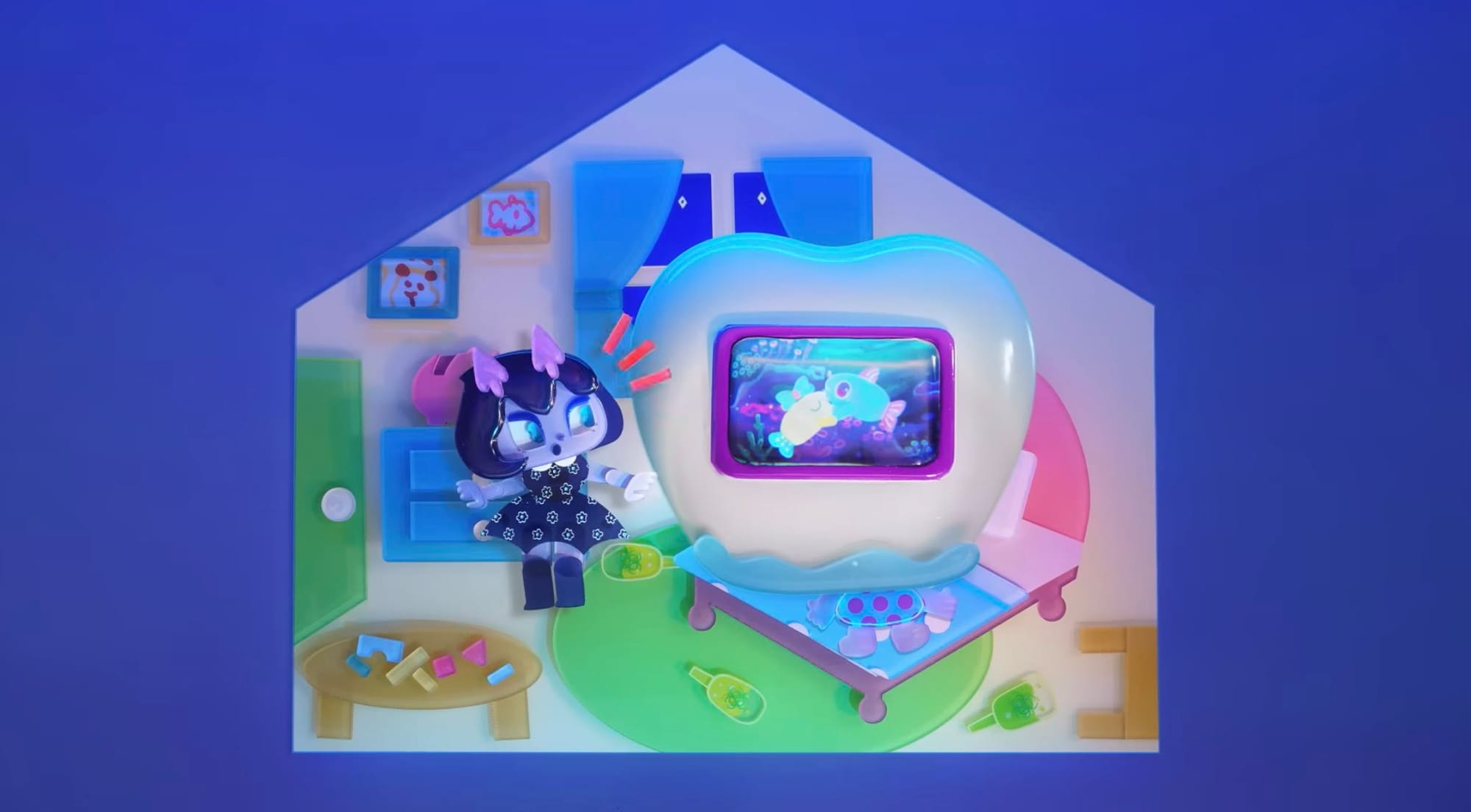
Rather than leaning into the softer aesthetics that defined the tactile cuteness that defined those prior mainstream works, Candy Caries takes a harsher but not unfamiliar shift in approach. If kids like sweets, and sweets cause cavities, it perhaps shouldn’t be a surprise when a young child ends up with a rather painful one on the inside of their tooth from a very young age by indulging one too many times. Children, as we are well aware, have imaginations that like to run wild. Even with that in mind, though, to turn your cavity into a candy-shaped friend living in your mouth is a rather extreme example of an overactive imagination that will chat, turn your teeth into sofas and bed tables, and play and help you interact with the other young kids as a rather nervous child.
Oh, and by eating more candy they care for the cavity friend and help them to get stronger.
It’s certainly unique. But that’s exactly what makes this story appealing in these early episode, and to take this further, the entire world from the imaginary friend inside the child’s mouth to them and the people around them are rendered using acrylic plastic to create a candy-like sheen reminiscent of candy itself. In this candy-infused world, we witness the misadventures of a young child named Ame living with their cavity, the first few short-form episodes featuring everything from taking down a dentist trying to cure them in the very first episode in rather violent manners, to fixing up toy cars.
The acrylic, candy-coated aesthetic stands out as a striking style, but for its director is a chance to fulfill the potential of one of his earliest creations with the support of a budget and an entire anime studio. Though tonally distinct by shifting the focus to a more comedic story of a child, Tomoki Misato used candy as storytelling with one of his university short films, Candy.zip. This story centered Aoko, a 20-something female office worker undermined by her colleagues after her meticulous documents are replaced by colleagues to earn the praise and affection of their boss.
It’s a more mature short film compared to this new stories, with misogyny in the workplace and self-doubt central themes. The candy aesthetic provides ties to the themes of the short effectively, with a world where rendered PDF documents take the form of sweets, with the effort and work put in them reflecting in their taste. The work of Aoko is sweet and fulfilling, stolen by the colleagues because their undeserving work tastes bitter. Strong taste can earn them favor, a literal example of sucking up to your boss.
It doesn’t mean there aren’t ties that can be made between the two. The tooth decay and candy residue inside of this child’s mouth are more than a PSA for the need to brush your teeth lest you be dealing with a quite literal pain in the tooth. The actions can sometimes feel a little extreme, but amidst the comedic and light-hearted elements there’s an attempt by this new friend to get Ame to open up and play. In a sense they act as a crutch to allow them to do new things until, albeit this is speculation, that initial dentist visit is reworked by the series is attempted once more to not only get rid of the pain but allow them to live alone.
So far, it’s fun. While these comments may suggest a more serious story amidst its brief three-minute episodes, it more acts as a background layer underpinning the core friendship that allows the comedy to resonate and for each episode to feel like a hilarious, fulfilling three minutes of entertainment on a weekly basis. Think of it along the lines of the original Pui Pui Molcar, which was mostly adorable guinea pig cars undergoing hi-jinks with little depth beyond, but the way each scene would weave in references to classic movies while providing light commentary on broader social and adult life through its fluffy creatures and disarming art style made it resonant and worth revisiting. The movie, under a different CG team, failed because it forgot this appeal.
It’s early to judge whether Candy Caries can have that same impact, though it’s fair to say that the early response towards this series has not been quite as explosive as it was with Pui Pui Molcar despite broadcasting in the same weekly TV broadcast slot supported by online streaming as that series. Considering the elevated profile of its creator, that can feel surprising. The team at WIT Studio even accounted for this in the show’s rollout, making limited merchandise available months before a single episode aired, ensuring licensing deals globally with Amazon Prime were already signed, and making its simultaneous YouTube uploads available worldwide with subtitles in multiple language.
Yet therein perhaps belies the issue. Where Molcar’s success felt viral, natural, sudden, and Kuromi & My Melody had the support of the Sanrio name and Netflix to reach global audiences, this feels planned in a way that sets an expectation to an audience unable to make the series their own. In a recent short anime trend fueled by online streaming and the independent scene, most notably the origin point for the recent viral hit Milky☆Subway, this rollout and distribution can feel corporate and polished in a way that serves as a hindrance to connecting deeper and sharing the series naturally on a social internet desiring authenticity.
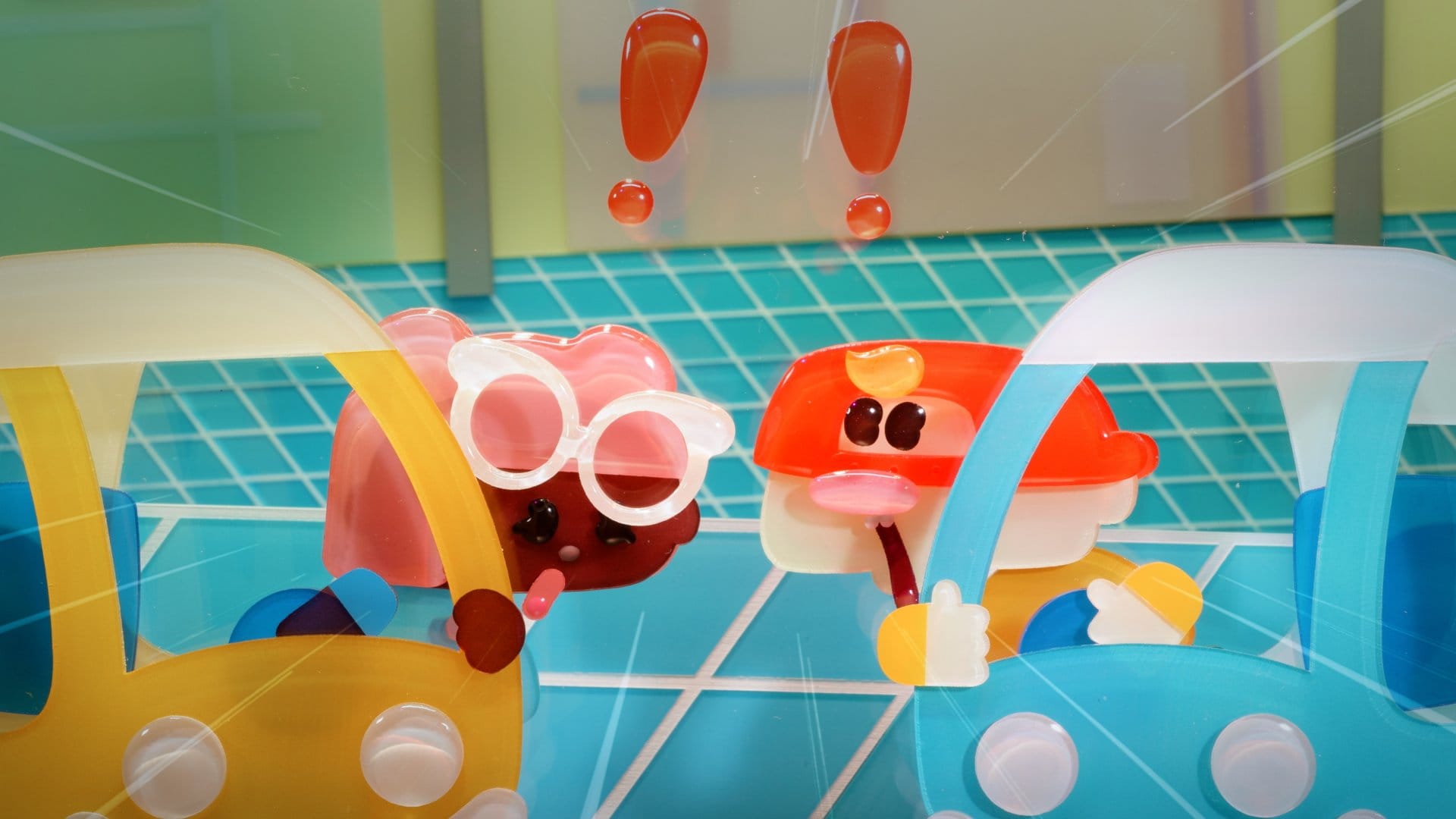
Which is a shame since there’s a lot of heart and much to love here. It’s so creative visually in its use of acrylic to imitate candy, with the heart of its creatives clear. It can never be easy knowing exactly how is best to walk the tightrope of creating a viral hit for the online age, and were we to solely judge Candy Caries by its ability to replicate the success or resonate to similar or equal levels of their past work. this is unfortunately not the case.
Broader success should not dictate how much you enjoy a series. For just three minutes of your time per week, this is a series with the power to bring a smile, without the pain of a cavity searing through your teeth.