When Love Live!: The School Idol Movie hit Japanese cinemas in 2015, it was an event. This was during the original era of the Love Live! franchise with μ's at the helm, a 2D idol group whose music transcended its core fanbase to become general-audience pop hits. The film went on to be one of the highest-grossing movies that year after earning 2.8 billion yen at the box office, earning awards.
Were you even aware that a new Love Live! movie released in cinemas this past month?
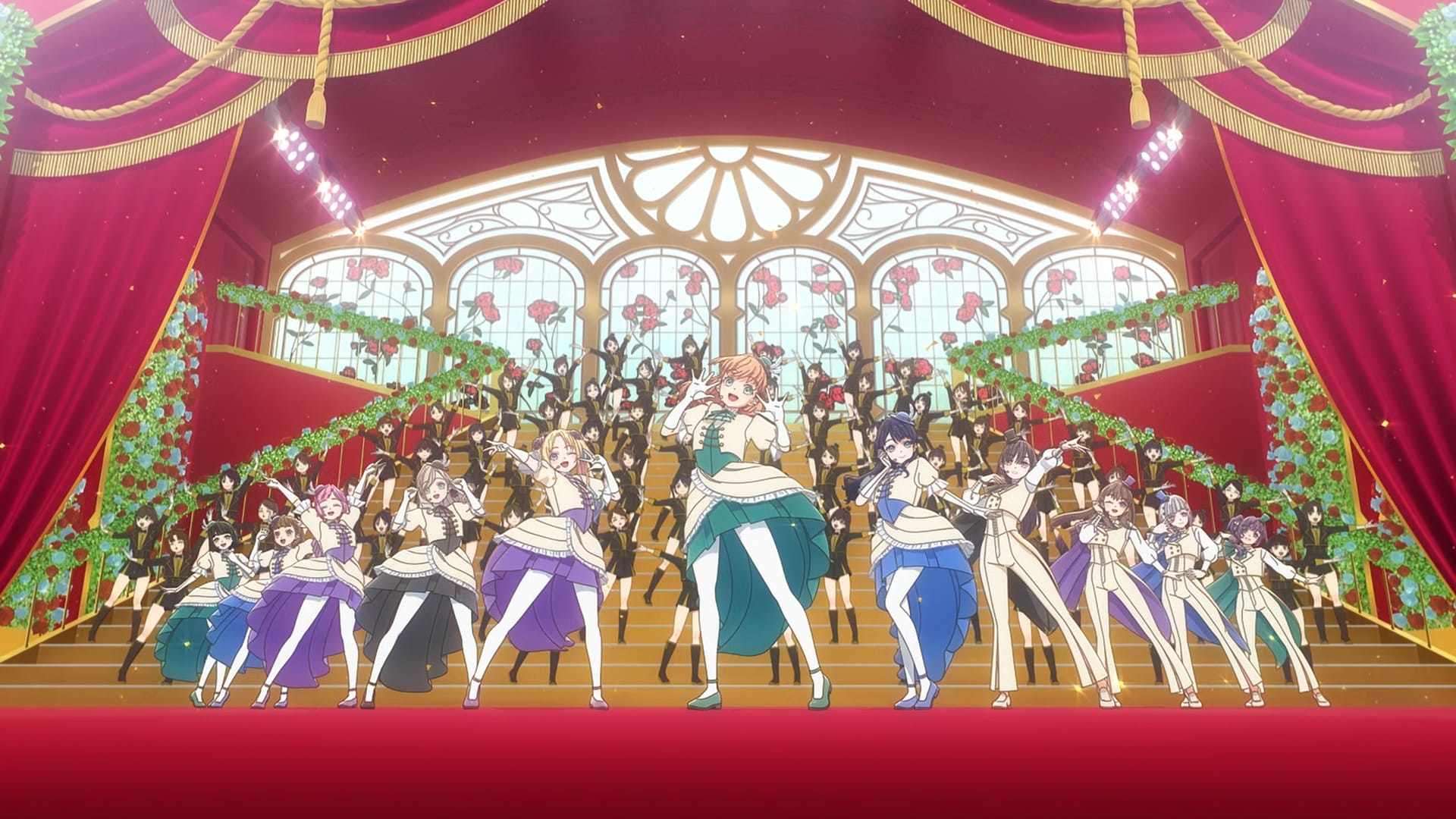
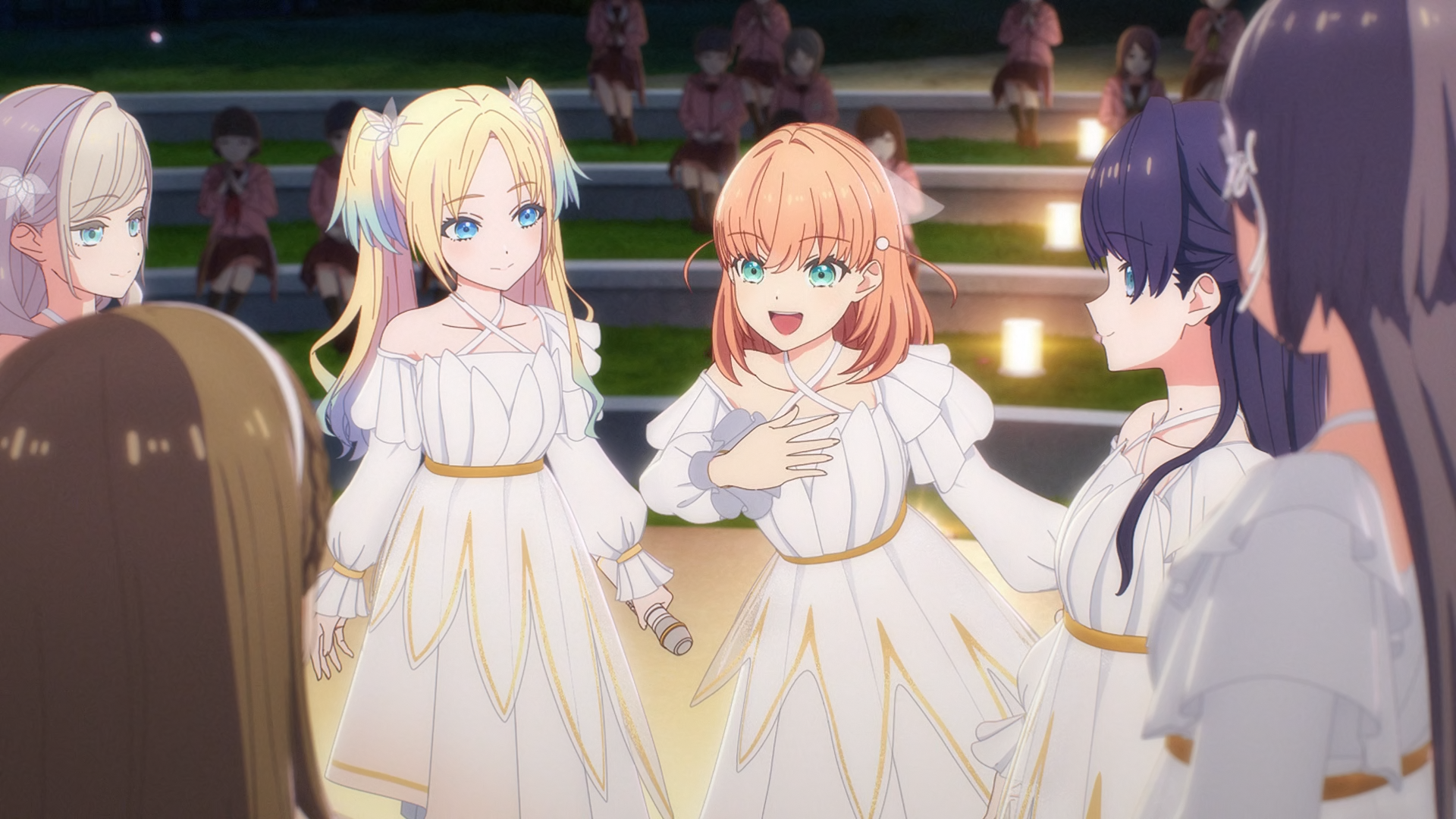
No franchise can stay on top forever, but the particularities of the latest movie, Love Live! Hasunosora Girls’ High School Idol Club Bloom Garden Party, and its recent release in cinemas speak volumes to a franchise struggling within an otherwise-booming genre. It lays bare steps taken by a series that have reduced a phenomenon to diehard, slowly-diminishing entity. Embodying this, nowhere is this reality more evident than the fact Bloom Garden Party serves as a tie-in to a mobile game that, before the film even hit cinemas, announced its end-of-service plans for the end of June 2026. A TV anime is planned for January 2027 also, but this core aspect of the identity for which these new idols were constructed was handed a death sentence before the movie even reached a single screen.
No one expected the hit that Love Live! would turn out to be when the franchise originally debuted in 2010. At the time, these early years were defined solely as an experimental anime idol group, 2D characters with their personalities built out via short stories, light novels and online popularity polls that would filter into early music videos for the early singles of the group. It was a near instant-hit in Japan, in many ways thanks to the booming popularity of their second single, Snow Halation, that elevated them from a niche to the forefront of the otaku scene in the early 2010s.
Nothing had been attempted in this way. The 2000s era of growing interest in more typical idols was reaching its apex as artists like Momoiro Clover Z rose from indie obscurity to the forefront of the entire J-Pop industry at this time, creating a virtuous cycle for a fictional idol group like μ's to ride the general audience interest in idol music to new heights. Coupled with live concerts, the series was already a success when the first TV anime series premiered in 2013, with a mobile game featuring already-released songs only fueling this further by giving hardcore fans a new way to invest their love in the booming mobile gaming market.
Arcade games, promotional material, more anime and concerts all contributed to making Love Live! one of the highest-grossing franchises by the middle of the decade, until the series began to run into an issue. The advantage of 2D idols is that the characters will never grow out of being an idol. They have an image that can be controlled. The voice actors behind them, however, do age and evolve, and eventually may not wish to be tied to the grueling schedules of touring concerts and being a music artist. This, with it becoming clear that the popularity of μ's was reaching their peak, influenced the decision to wind down activities and launch a new series in the franchise, complete with their own wave of 2D idols and voice actors to keep the performances coming.
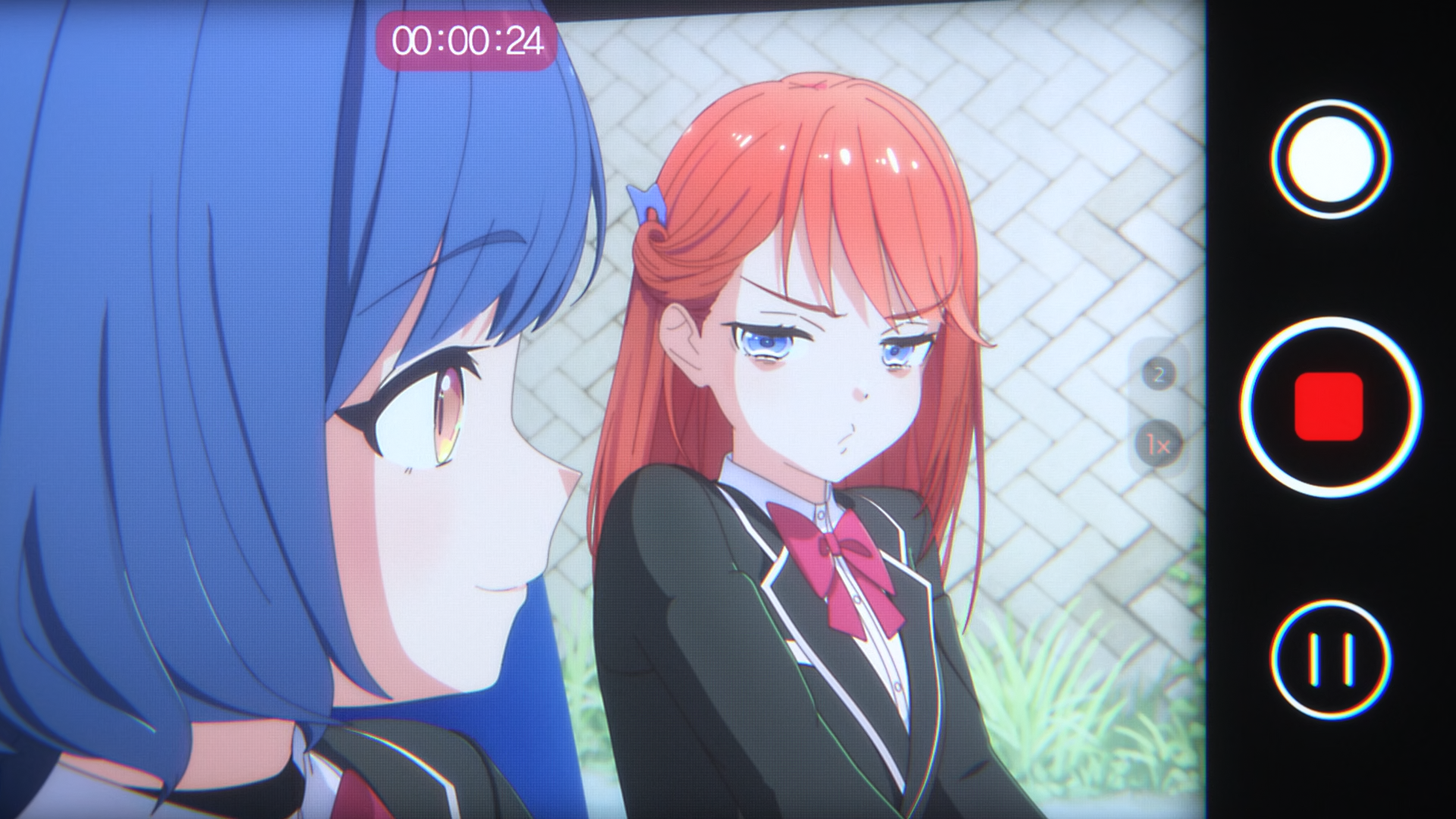
Love Live! Sunshine, with Aqours as the new idol group serving as the face of the franchise, were similarly successful, if not quite reaching the heights of μ's due to lacking that breakout song. Issues arose as the franchise sought to introduce more and more artists and storylines and games, desperate to find the next big artist by supporting numerous co-existent groups, each with their own unique image and target audience and style.
While not necessarily an issue in theory - how different is this setup from that of any other idol agency like Stardust or Hello Project or, more recently, Kawaii Lab? - there are major differences between a supporting talent agency and a front-facing media franchise. These agencies are not the product, the groups they produce are what audiences care for. This is reversed here, with Love Live! being the key name for which fans are supposed to attach themselves, not the groups. It becomes so much harder for general audiences to become fans when, in the space of 10 years from 2016 to 2026, the Love Live! name has launched four new groups, each with over 10 members in their ranks, split across countless anime and no fewer than nine mobile and console video games, of which many have been discontinued and are no longer playable.
It was easy to follow μ’s. It’s hard to even know what music groups and subgroups exist within the Love Live! franchise today. For all AiScReam became a global viral hit, the song was unable to translate the huge success of a Love Live! song to stratospheric success in the way Snow Halation was once able to achieve because, the moment people looked beyond the TikTok trends, the franchise the song is a part of has complicated itself to such a degree that to non-fans it can feel overwhelming. At that point, people will just enjoy their cute song about ice cream and move on.
Bloom Garden Party is a symptom of this issue. In an attempt to throw mobile games and new musicians at the wall in the hope of finding the next μ's that can create a mainstream success story to sell arenas, earn chart-topping musical hits and produce movies that can top the Japanese box office, they have made the Love Live! franchise so incomprehensible to new audiences that only the most hardcore fans remain. The film is no different, playing into in-jokes and an assumed understanding of the over-dozen idols and potential idols it throws on screen over a brief 75-minute runtime at the school’s titular music festival without anything to attract new audiences.
Everything about the theatrical rollout becomes less about attracting new fans but extracting as much money from hardcore fans as possible. The Love Live! series has shut away the general audience in the hope a small subset of hardcore fans will keep them going while nostalgia for the old can uplift them in this ongoing anniversary year. It’s a sad state of affairs for a series that was once so beloved, and a missed opportunity when theatrical anime and 2D anime musical concepts are bigger than ever.
Togenashi Togeari from Girls Band Cry and Kessoku Band from Bocchi the Rock are successfully able to sell the same concert venues that no Love Live! group since those first two successful breakout stars have been able to reach. Idols did undergo a decline that coincided with the declining success of Love Live!, but thanks to Fruits Zipper and the Kawaii Lab idol agency the genre is bigger than ever, and even that is unable to aid what should be a perfect storm for a franchise revival.
Love Live! is far from a dying franchise, thanks to the core support of fans and the legacy of their classic idols. For the franchise’s 15th anniversary, Love Live! will take to Nagoya’s Vantelin Dome for its biggest concert in a number of years. Notably, its a concert supported on the back of the return to the stage for a number of original-era talents. The name of Love Live! can still spark love, and with the success Idolm@ster currently enjoys as it takes tentative steps to global expansion on the back of the success of Gakuen Idolm@ster show, it would be wrong to dismiss this classic franchise entirely.
If it is to recover, however, it needs to find a way to appeal beyond its core audience. The Love Live! Hasunosora Girls’ High School Idol Club Bloom Garden Party movie is the exact opposite of what this franchise needs right now.