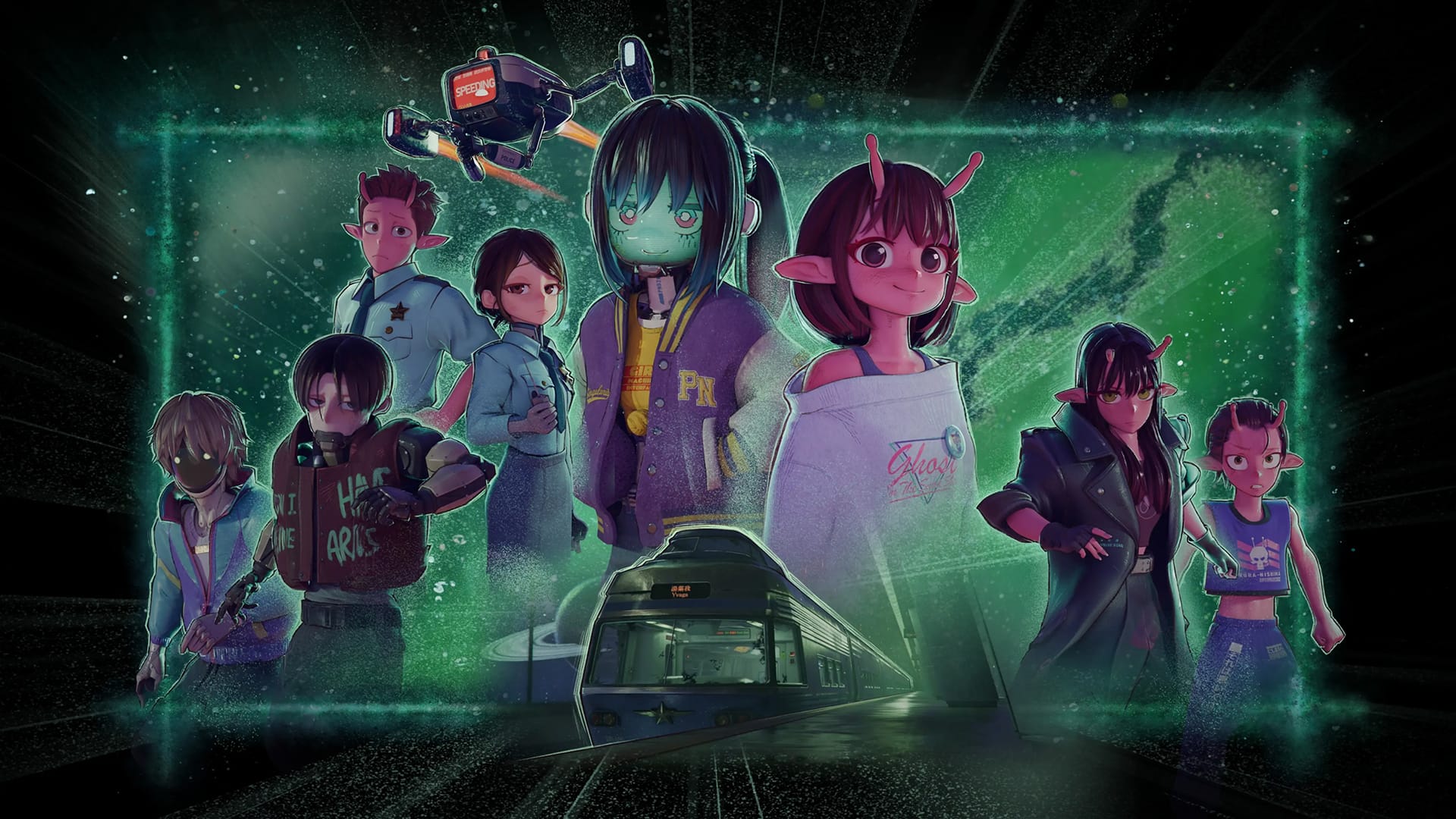
If indie animation is having its moment in Japan, Milky☆Subway: The Galactic Limited Express, in the last 12 months, has become the poster child for this movement. It’s the brainchild of one person, Yohei Kameyama, who served as its director, writer, animator and producer, who initially created the pilot short, Milky☆Highway, as his graduation film before finding unexpected online popularity. The setting may embrace retro inspirations like Galaxy Express 999 and even incorporates a Showa-era aesthetic and sound, but its characters were the draw for their down-to-earth relatability and slapstick humor. Even its dialogue, for all it advances its story, is written like a conversation between friends where you’re included in their inside-jokes, making it surprisingly personal.
The fact it was a success, however, is what makes it such a fascinating data point in the rapid evolution of the anime industry in Japan in the last decade. Historically, anime has been a complex endeavor, produced by major studios with collaborative support, production committees to manage the finances, with traditional methods pioneered by Astro Boy in the 1960s still dominating the production process over half a century later.
/
— 劇場版『銀河特急 ミルキー☆サブウェイ 各駅停車劇場行き』【公式】 (@MGUJapan) June 25, 2025
📢TVアニメ『銀河特急 ミルキー☆サブウェイ』🚀
✨予告映像解禁✨
\
✨主題歌 #キャンディーズ 「銀河系まで飛んで行け!」
✨チハル #寺澤百花 マキナ #永瀬アンナ リョーコ #小松未可子
📺7月3日(木)21:54よりTOKYO MXにて放送!
📱公式YouTube同時配信!#ミルキーサブウェイ #MilkySubway pic.twitter.com/0emCnIhBJn
For all the introduction of consumer-level animation products allowed for some small-scale productions to gain mainstream traction - it’s this pathway that propelled Makoto Shinkai from an artist for a visual novel studio to the biggest anime director in Japan via his success with Voices of a Distant Star and She and Her Cat - the distribution pathways for anime made it almost impossible for independent animation to be picked up and noticed by a general audience.
It’s only in the last decade that independent works, both in the world of anime and beyond, have been able to gain an audience thanks to platforms like YouTube and PIXIV. It gives these creatives a platform to distribute their own work, but also a place for their talent to be discovered, allowing them to create works that cater to the changing habits of audiences in the online era. This is how Tomoki Misato was able to transform his stop-motion animations into film festival success and, later, the success story of Pui Pui Molcar.
He now runs a stop-motion animation division at WIT Studio creating tactile works distinct from anything else in the company’s portfolio, standing apart from much of the rest of the industry on its scale. It was independent success experimentation fueling this mainstream success, shifting the market. This is also how 100studio and Hurray! Team got their start, their work similarly distributed via online channels that helped bring them to the attention of HIKE. They helped funded their debut feature film, one of the most exciting anime films of recent years, A Few Moments of Cheers. All before discussing On-Gaku: Our Sound, or the rush of independently-animated music videos for musicians of all sizes from underground artists to mainstream names like ZUTOMAYO and Ado.
It’s a major contributing factor to the mainstream embrace of animation that has exploded during COVID both inside and outside Japan, making audiences more open to animated works more generally, as well as a greater variety of animation expressions. It’s in this market that Milky☆Subway has found a youthful, highly-online audience that propelled the work from an idea to a highly-successful web series and, now, theatrical project.
That’s significant buzz for a show that is, on its surface, relatively simple in production and execution. Beyond its retro-infused space setting, this is a short-form anime consisting of just four minutes per episode with a tight-knit cast of relatable rebels. Chiharu and Makina are an alien-robot friend duo who were caught breaking space travel laws and stuck with community service alongside four others teens caught on similarly minor crimes. Their task is a simple one under the deadpan watch of police officer Ryoko: clean an old subway train. Until the train speeds off under sinister command causing an incident that the rebels must work together to solve.
Even in an industry slowly embracing 3DCG animation thanks to impressive efforts from Studio Orange and others, Yohei Kameyama’s background stands out as unique amongst his Japanese peers. His studied animation in the US at San Jose State University before gaining further experience at the Japanese Vantan Game Academy centered on CG animation, training him in animation techniques from both sides of the Atlantic as well as helping him become versed in how to tell stories within animation. Milky☆Highway came from his time at Vantan and earned over 5 million views not just from Japanese viewers but international audiences, even winning awards before receiving funding from Bandai Namco to turn into a short-form animated series.
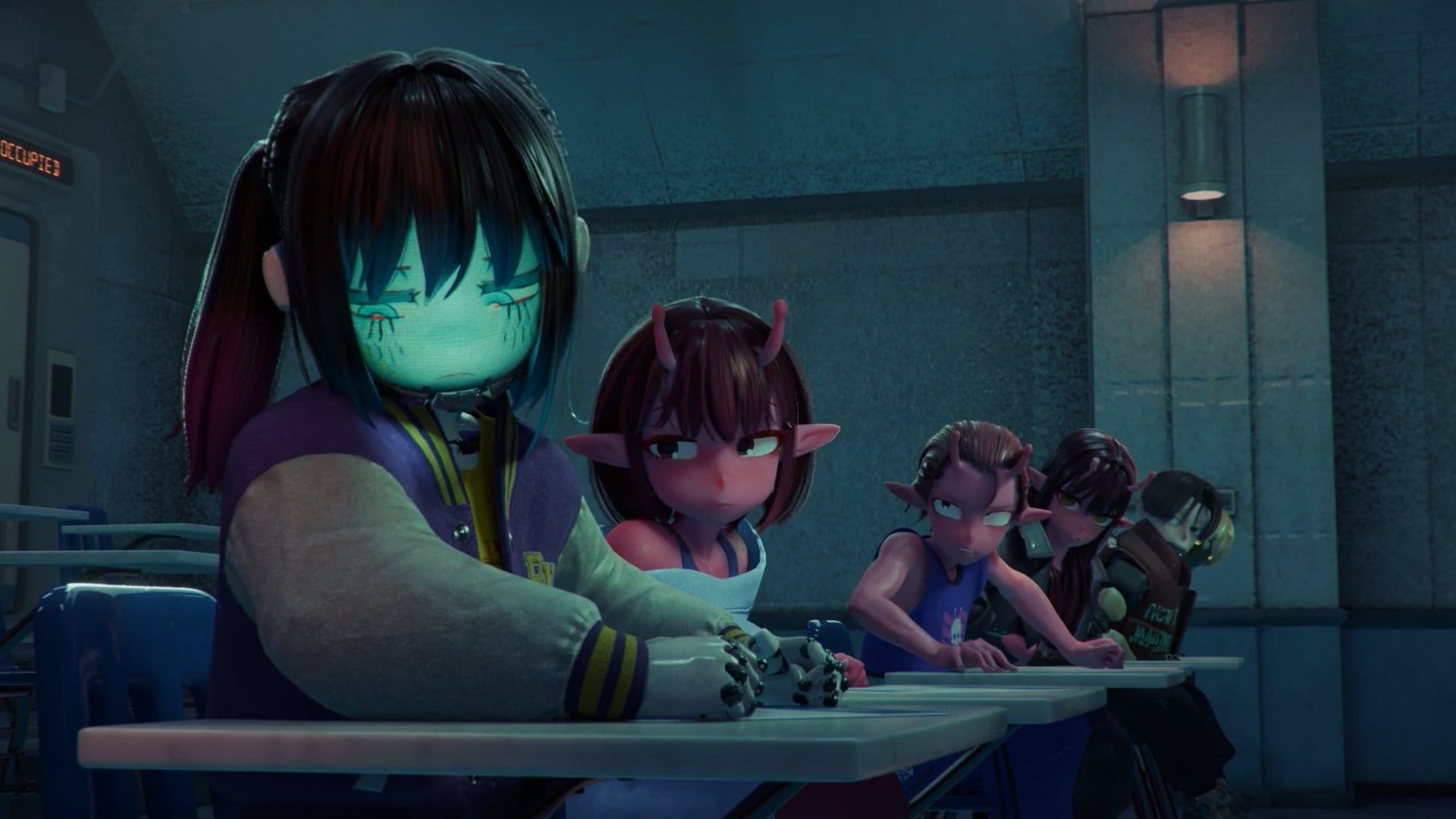
The series broadcast on Tokyo MX while also premiering on YouTube, and became one of the biggest success stories of the Summer 2025 anime season. Analysis showed that amongst the over-80 titles premiering that season, it had one of the highest audience retention and positive social media response rates of shows airing that season, something that spread beyond social media feeds into the many pop-up stores and exhibitions the anime would soon enjoy not just in Tokyo but across Japan. This isn’t to say it was the biggest show in a season of heavy hitters from Dandadan to Tacopi’s Original Sin, but it resonated with a core audience to the tune of millions of online views per episode, buoyed by its simultaneous dubbing and subbing in 12 languages.
There’s a relaxed air that also helps. For all there is a story about saving the day from a runaway train, it never feels too urgent. The focus of the series is in its character interactions, which are driven by a grounded, conversational air unlike the more scripted conversations of typical shows. If anything, this is one of the rare anime where the characters speak and act like their age and like ordinary people. The kids not only feel young but representative of today's youth in their slang and humor, while the police officer isn’t the preppy job-loving protector of justice but an overworked woman willing to go along for the ride. While embracing modernity with expressive visuals, its adoration for the past in its references to classic sci-fi and use of a song by 1970s idols Candies for its themes give its world a legacy and depth.
Its only flaw is how much it feels constrained by the short runtime of the series and each episode. Even for its naturalistic tone the dialogue feels fast and scenes feel rushed in order to fit into the timeframe. It’s all over just as you get to know everyone, though it’s success will likely ensure a return to this world in the future.
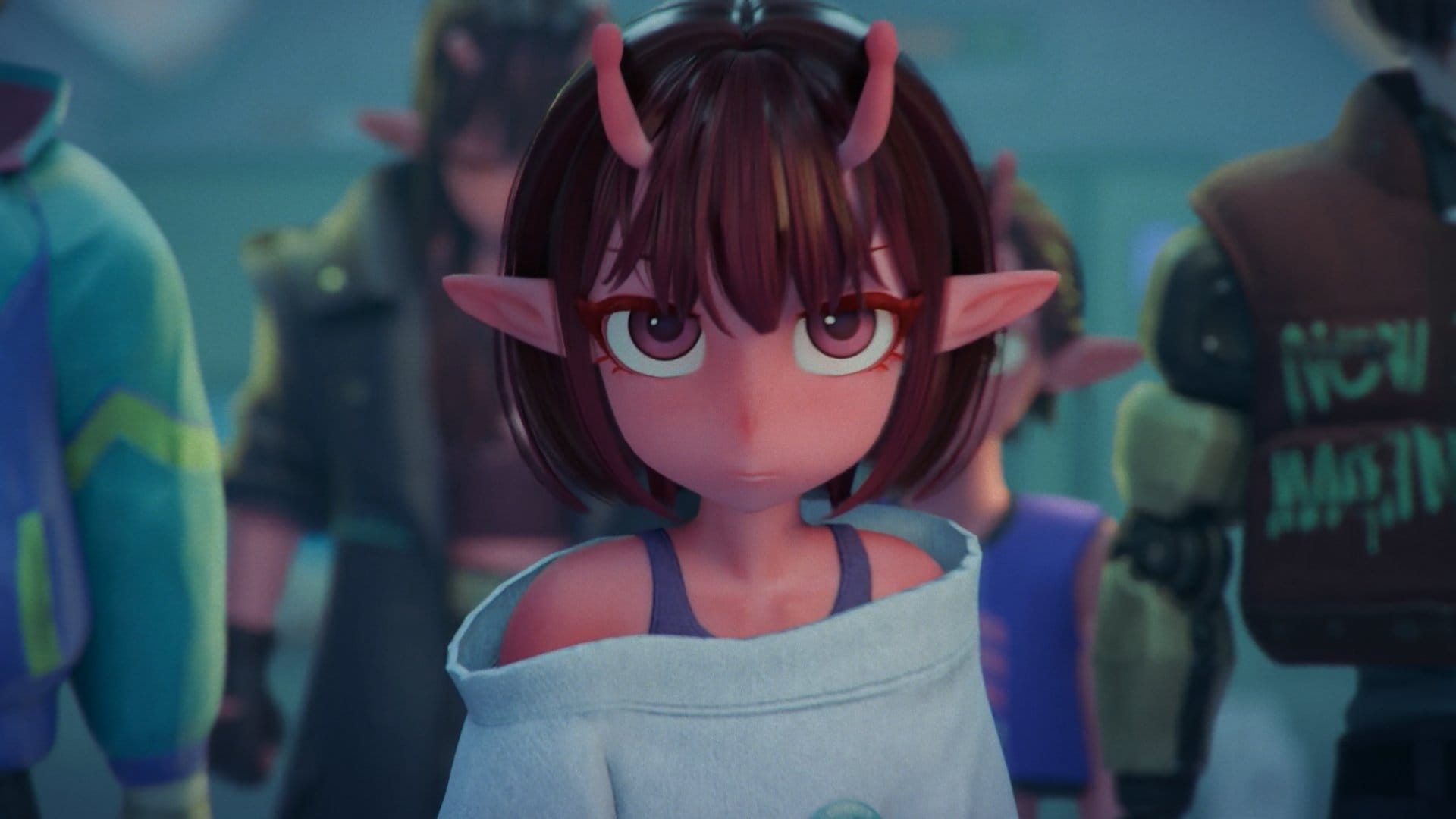
Accompanying the final episode was news of a theatrical compilation of the series with new content. More than a film, this was a communal experience for fans to meet and enjoy the series together, enhanced by the quirks of the Japanese theatrical experience. Merchandise at cinema stores was plentiful and sold out just as quickly, and at just 50 minutes you were hardly committed to an extended time inside a theater. If this was a litmus test to measure the popularity of the series and the willingness of its core fans to spend money, a fourth-placed charting at the box office on its opening weekend is an impressive result for an independent production.
This theatrical release didn’t fix the pacing notes with the series, if anything making its fast-paced dialogue and frequent cuts more pronounced. But the fun of Milky☆Subway comes in its world and relatable characters, and the series’ CG animation holds up even when blown up onto a large screen such as this. It’s easy to forgive these flaws for such a small release, especially one that continues the resurgence of interest and the broadening of horizons and potential for independent Japanese anime. It’s wonderful seeing a space-fearing solo project soar like this.