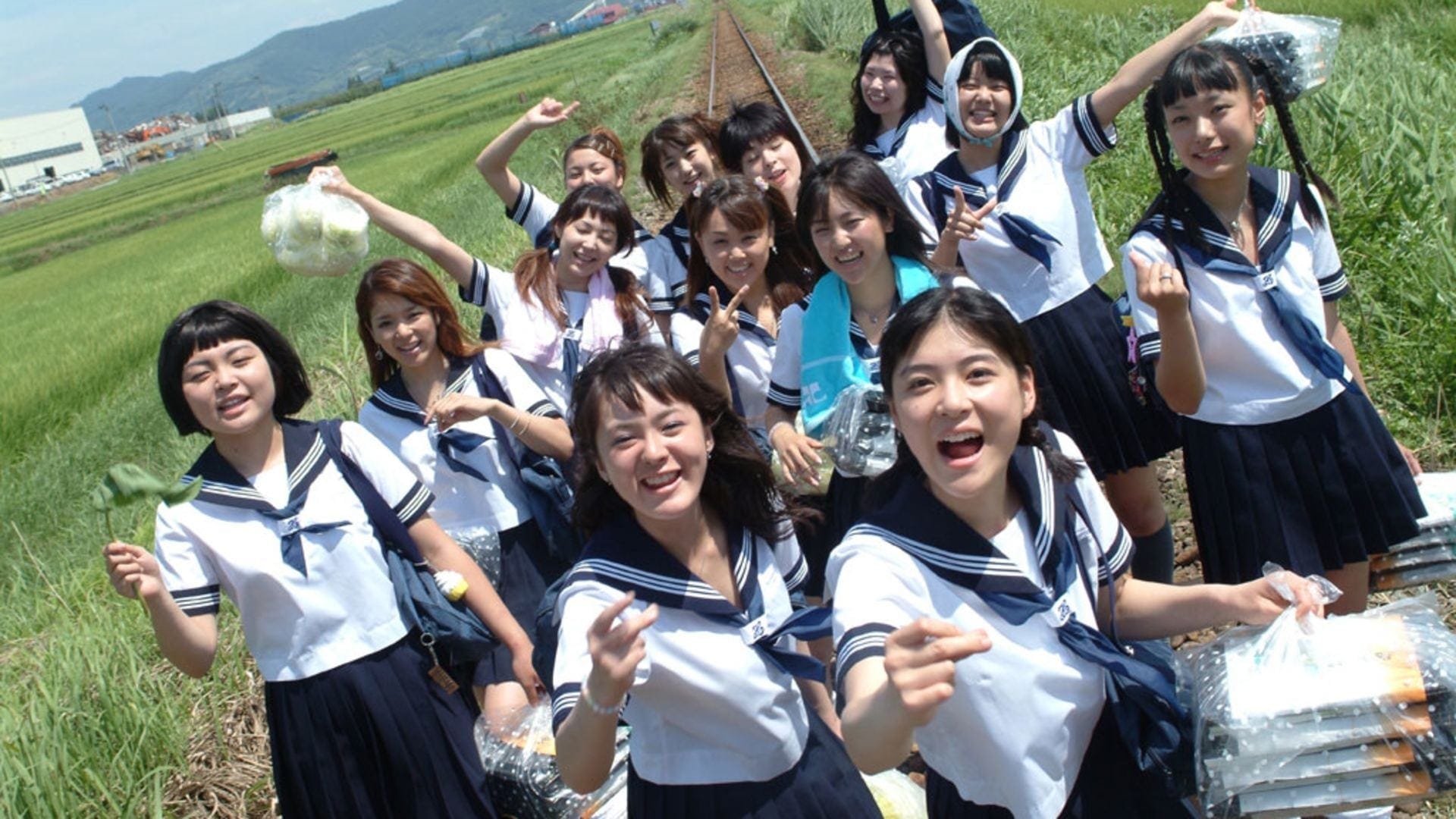
Japan has its share of coming-of-age films, and its share of musical coming-of-age films at that. Just recently one of the most beloved of this genre of films, Linda Linda Linda, was rereleased in cinemas nationally to mark a new 4K restoration of the film, once again capturing the hearts of audiences. If this uses music to capture the fleeting memories created with friends, Swing Girls, a similarly-beloved film from the same era, wraps the specific joy of finding your passion in a delightfully-humerous, nostalgic shell.
Everyone dismisses and blames the delinquents. They won’t work hard enough, so they’re stuck in residual classes to make up their grade. They won’t even focus in those. They use a late delivery of lunches to the band supporting the school sports team as an excuse to get off the rest of their summer day in school to deliver them, only for an issue to cause the entire band to get ill. They ate one, sure, but they didn’t tamper with them. Not that anyone believes them.
With a bit of convincing, the girls are roped in to taking over the role of the now food poison-addled band to support the team at their next match, but apart from a few playing guitar and bass none have any of the skills needed to replace a brass band. As they learn the instruments and shift focus from typical brass band to a jazz-infused swing band, however, something shifts. Maybe they’re enjoying it. Maybe they want to keep playing.
Don’t get things twisted. These are still delinquents, part by their choice and part from the lack of belief and support from those around them. Nevertheless, having earned the label, they have to keep it, and trying to hard at swing band is going to hurt their reputation. Once you get a taste of a passion you care for, though, it can be hard to get rid of it. That contrast to finding passion and love for music with the desire to prove the scolding teachers and senior figures who don’t believe them wrong makes for the testing bed of a story impossible not to root for.
Ultimately there is a story and arc to this film. You have these girls that most have given up on, transformed by a gentle nudge into trying music by circumstances and the support of one of the only band members not poisoned, pushed onto a journey of finding music and a reason to try that little bit harder and believe in themselves. The film is best, however, in the moments when it disavows any nature of strict storytelling for allowing the characters to exist in their passion.
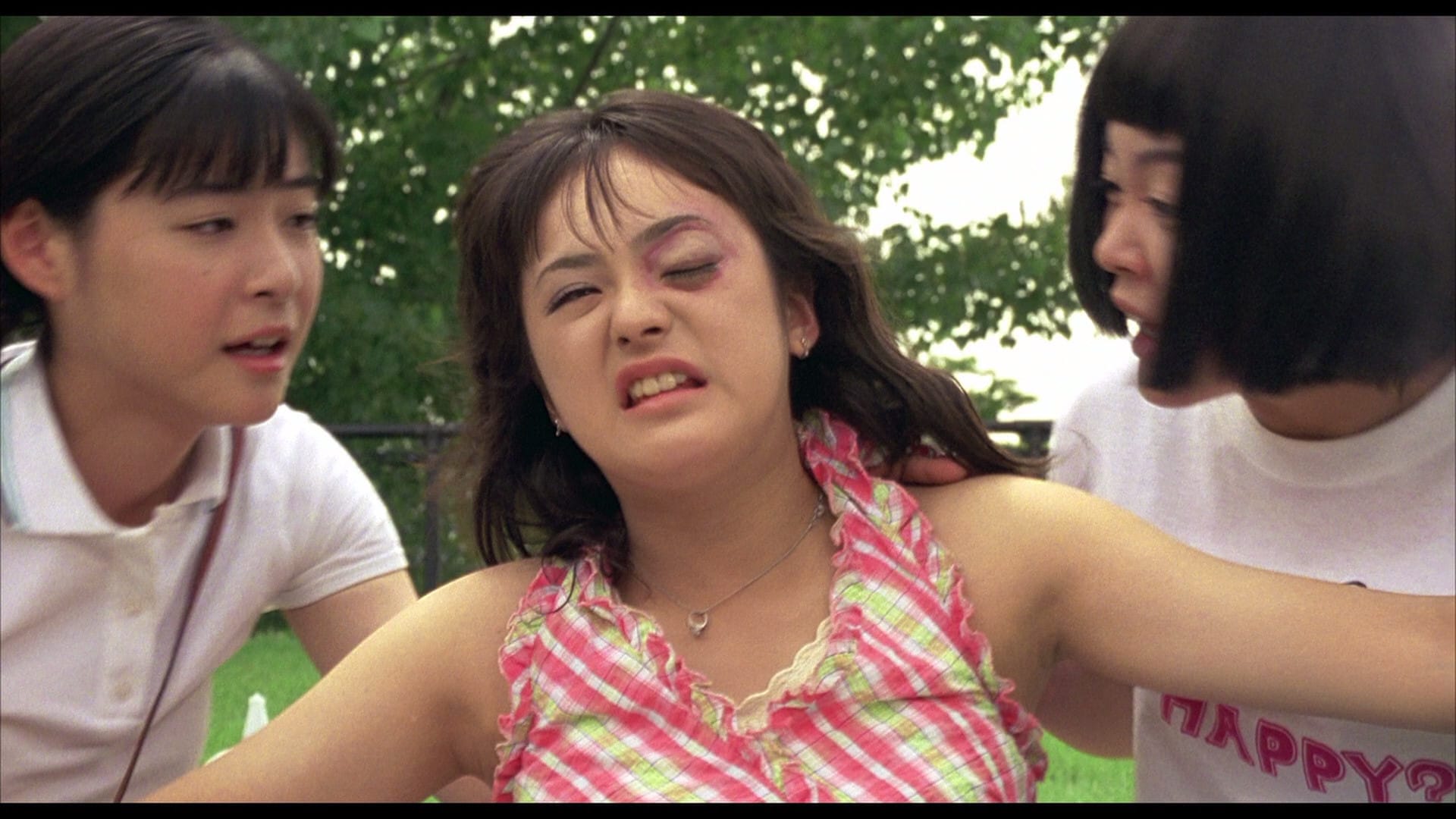
After all, this is a summer sidequest, so let them have fun! They have nothing to prove, unlike many similar stories - even the easy comparison of Linda Linda Linda has the young girls wanting to prove it to the girl they’re arguing with by forming a new band for the school festival - which allows them to get lost in the messy, exciting moments of finding a new hobby. There’s no figure to overcome except their own desires, insecurities and mistakes, which allows for hilarity and mundane chaos to ensue.
Without being used to performing music prior to discovering this new passion, the group make mistakes while trying to find the space to learn, and fail a lot. They use the sick band’s instruments at first, but when that’s no longer possible, they have to find their own. Eventually, when they do get instruments, they suck! Never mind that, they don’t even have a place to practice! At times, Swing Girls feels almost improvised, or like a documentary watching the antics these girls who’ve never tried at anything work towards something together. It’s silly, and shot with a maverick energy that leaves you laughing hard enough it’s tempting to hit the pause button just for a rest.
When you’ve never cared for music, suddenly finding jazz in something as simple as the beeps at a crossing light will be exciting, but it’s the way they go into that which is funniest. Somehow in this topsy-turvy journey they get banned from karaoke, flunk a first gig, and kill a boar. It’s unpredictable and hilarious. It’s the commitment to every wild left turn this admittedly-stereotypical story takes that makes Swing Girls such a breezy, entertaining and rewatchable experience.
This is an ensemble of almost 20 girls by the finale, though it’s a group of five who get the spotlight. Tomoko Suzuki (Juri Ueno) is our protagonist, the most well-adjusted of our delinquents there mostly from her difficulties in studying or finding anything to grab her minimal focus for more than a few minutes. You have our must musically-adjusted pair who almost seem to be there entirely for the vibes. Then there’s the broad ensemble who remain memorable even if they only exist for a scene, from the pachinko parlor manager played by the legendary Yoji Tanaka, to the jazz-loving record collector, to even the supermarket manager for their brief, unsuccessful stint as supermarket workers trying to earn money to buy instruments.
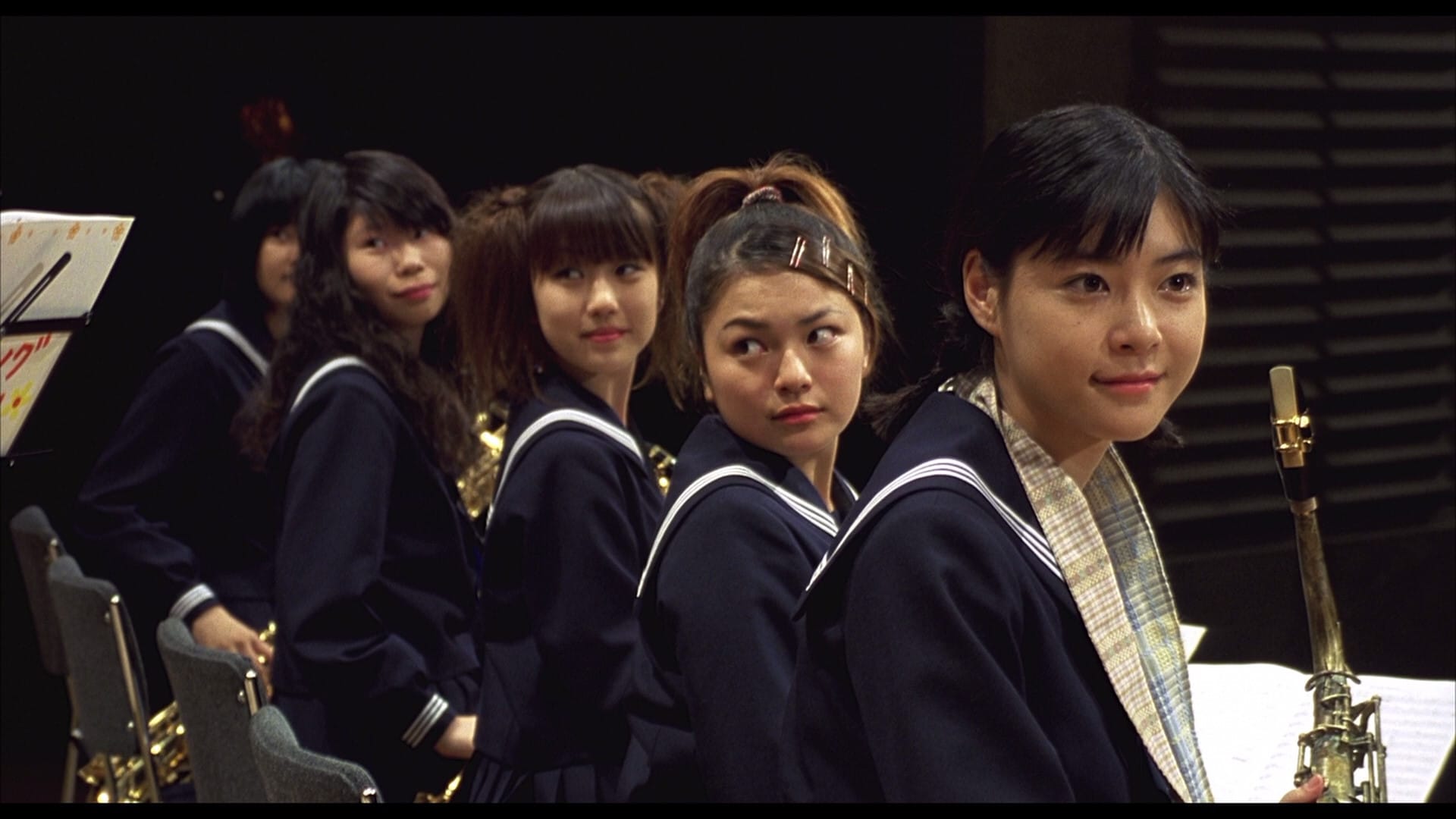
You never doubt these girls will overcome any challenges in turning their ragtag group into a swing band, even when the framework of a goal enters the picture in the form of a school recital for them all to perform at. But this is one of those ultimate examples of a film where it’s all about the journey and not the destination.
That being said, when we do finally reach that destination, the fun we had along the way and genuine growth mixed with a connection to this unlikely cast make it impossible not to hold back the largest possible smile as they earn their place to perform the music which, before the summer, they didn’t care for.
The youth coming-of-age movie is a well-worn formula, but it’s a formula because of it works. Following it doesn’t guarantee success, either. It’s all in the execution. Swing Girls has remained a beloved film in Japan for over two decades not because it’s subverting the formula of these films, but because it’s one of the champions that thousands of imitators have attempted to follow. It’s nostalgic for older audiences while remaining relatable for those in the demographic, it’s fun, but it has purpose and something to root for before closing with a feel-good finale.
You could say this is a Swing (Girls) and a hit.
scrmbl's Classic Film Showcase shines a light on historical Japanese cinema. You can check out the full archive of the column over on Letterboxd.