Makoto Nagahisa is finally back with his latest feature, Burn, somehow seven years on from his award-winning We Are Little Zombies, arguably the most explosive and creatively-fresh debut film from a Japanese director in the last decade. It’s not like he’s been silent in that time, creating short films and promotional campaigns for the likes of Gucci while also working on some TV dramas. The ability to flex his creative muscles once again on a wholly-original feature once again has been a long time coming, however, and though this new film explores far heavier concepts than his last, it’s more than worth the wait.
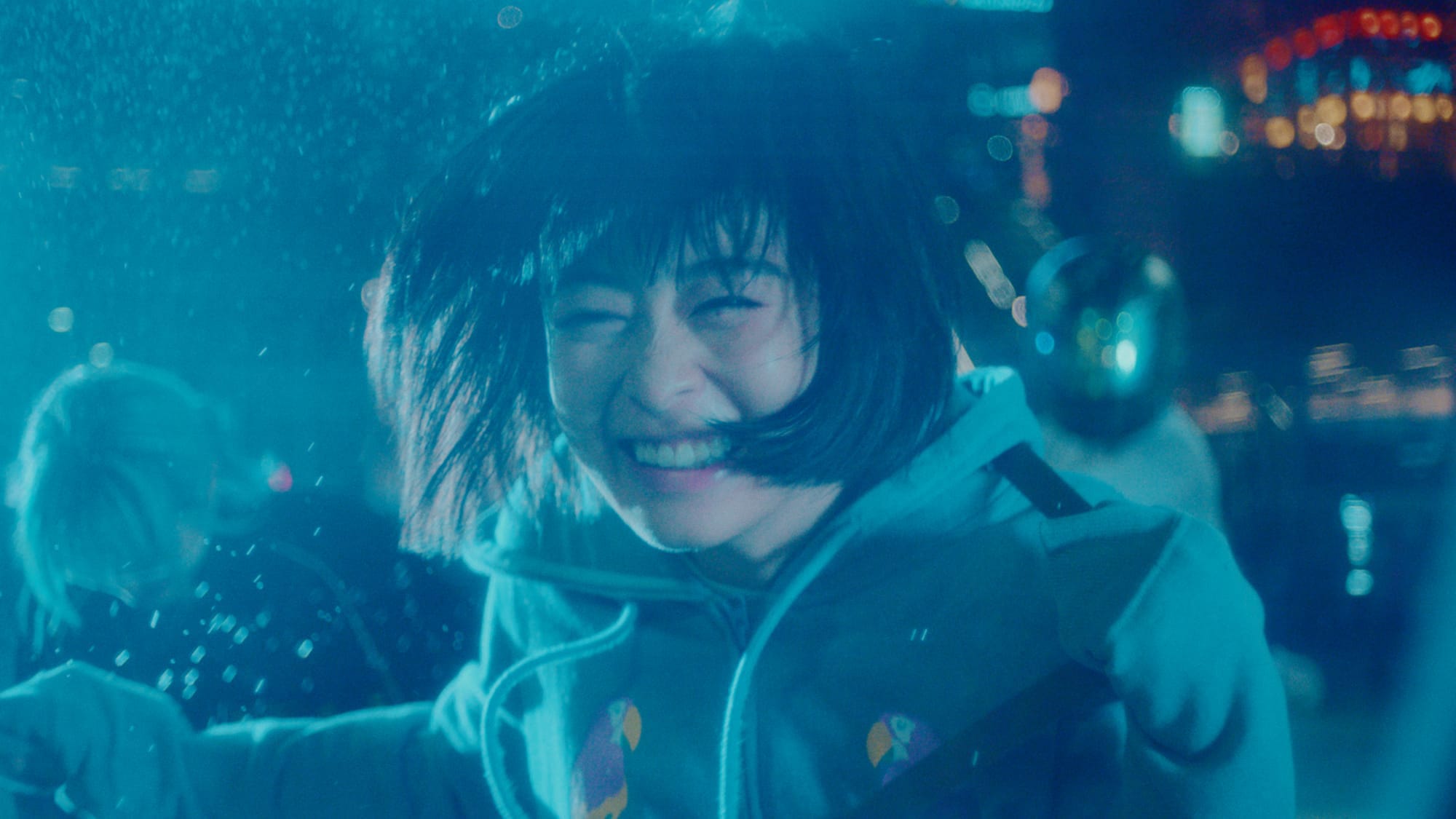
Juju (Nana Mori) has had a childhood defined by trauma and pain. A father who physically abuses both her and her sister, a mother who stays silent, but they at least put on the appearance of holiness singing in a community choir. They feel powerless to do anything but pray that god will kill him for being so mean. Suddenly at 15, the father dies suddenly, but it’s no relief from the torment. The mother just enacts the beatings and abuse in his place. Too much to bear, one day she runs from home, and runs and runs, before reaching the streets of Kabukicho. Immediately, she is embraced by the odd fellowship of broken Toyoko Kids that call the streets their home, especially a young effeminate boy named Wris (Ryosuke Sota).
They find solace on Kabukicho’s streets, but the area is far from kind back. Their vulnerable state, sleeping in whatever love or business hotel they can scrounge together, leaves them open to exploitation by the adults that should protect them. They steal to live, but they can only earn money to survive further by selling their bodies, dealing with addiction and judgement in the process. Even adults that place the facade of caring for them, like the older Kami (Wataru Ichinose), aren’t truly here for their safety. Within a night, an overdose puts Juju in hospital and then a care facility where she meets Mitsuba (Aoi Yamada), becoming inseparable before they break out to return to the streets once again. They form a pact of care on these streets, with Juju finally finding a goal: collecting her ‘Hoshi Sen’ (1 million yen) from sex work, and going back to save her sister and have her join them in her new home.
It’s a harrowing journey that follows.
The Toyoko Kids exist as a failure of Japan’s social safety net, falling through the cracks of the system and out into the streets. Named after the open square next to the Toho Cinemas building in the heart of Shinjuku’s red light district, attempts to clean up the city in the past decade with new development and initiatives have felt more like a dereliction of duty or gentrification of the area as opposed to real support for those who need. After cracking down on yakuza activities, the hope was to make Tokyo’s seediest area safer by building a new tourist attraction with the Kabukicho Tower and shutting away the square by the cinema for an event space for street concerts and festivals.
Yet rather than dealing with the issue by helping the kids it’s existence feels like an attempt to push them out of sight of the imported money increasingly defining the Japanese economy via tourism - the barrier to the square keeps the kids out during the day when most tourists are around and forces them elsewhere, but doesn’t get rid of or help them. It hasn’t reduced the numbers of runaway kids, some of whom aren’t even teenagers, from being exploited, they’re just not as noticeable. Which, painfully, leaves them even more vulnerable to the throngs of prostitution and drugs that become their sustenance.
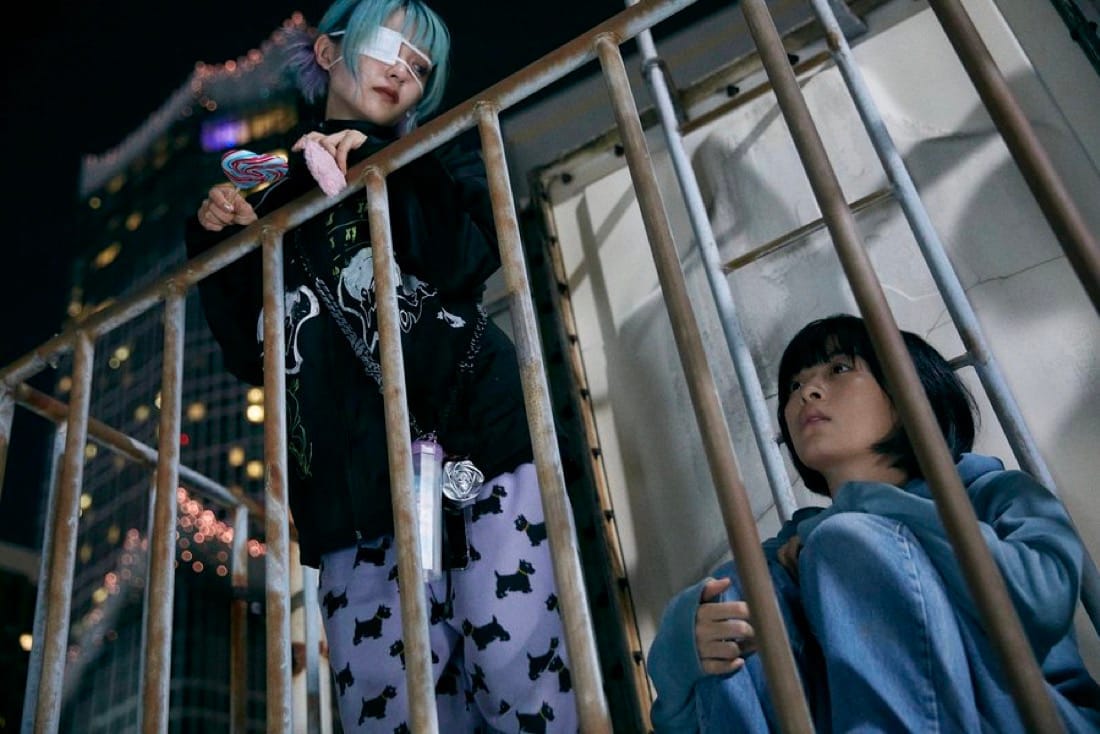
It’s made the city a growing topic of conversation in the news, and a natural topic, albeit a far heavier one, for director Nagahisa to explore with Burn. If We Are Little Zombies was a film that used video games as a canvas into childish minds struggling to process grief, this throws its child characters into the brutal, exploitative world of adults before they can comprehend the consequences, forcing them to seek a place to belong after being thrown from the place they should have received this love. It still maintains a child’s perspective, one finely poised between a mature audience’s understanding of what’s going on and the young character’s attempts to justify the strange life they now find normal, but only gets more bleak.
The film thankfully doesn’t devolve into sensationalism or exploitation of this reality - and for its young actors, care was made to ensure that the heavy scenes the barely-adult or underage characters were forced to go through are handled carefully, with sensitivity and intimacy coordinators on staff. In one scene during the search for Juju’s monetary goal she gets dragged by Mitsuba into the world of underage prostitution, at the face of lecherous older men who paint their sexual kicks as charity while they push the thought of funky vibrators and forced sex with Beethoven. Luckily the details play out with tact and sensitivity without masking the horror of the reality of their circumstances, careful framing keeping the act off-screen but apparent enough where the viscerally-abhorrent act is vivid enough for audiences to fill in the gaps in horrifying real time.
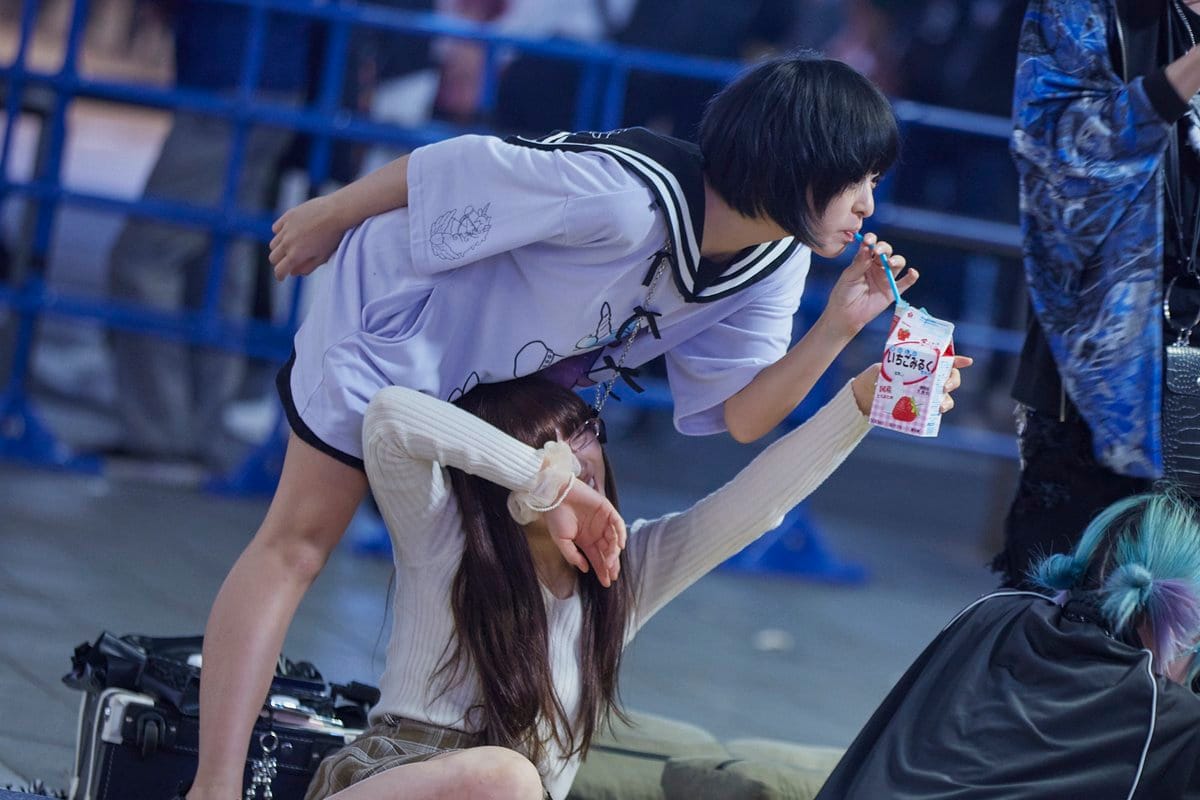
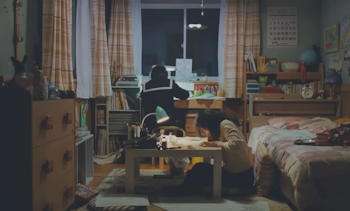
What makes every descent into this world so clinical and painful is the way Nagahisa weaponizes his signature stylized visuals to call out the people who would exploit or turn a blind eye to these people as a nuisance or opportunity before actually helping them. When we see Juju’s childhood of abuse to her father, it’s as a spectator, framed by doors and windows that act like a screen within a screen. We watch and understand, but don’t act. No one does, even after seeing the bruises. The use of 3D imaging, unique perspectives, a blend of multimedia styles and dynamic shots demands attention, a step beyond anything the director has done before and standing as one of the most visually-arresting works of the decade in Japan.
Burn doesn’t shy away from the realities of this life, but it does so with a style that demands your attention from a perspective that calls you out for not intervening. Still, it remembers these are children. We see them playing in hotel rooms or dancing, or trying makeup, or falling in love and making friends with the few equals they have. These are the only moments were brought in close, humanizing them more than any news report or glance on the street. We witness Juju and Mitsuba sing a tune to themselves about watching cute dogs in a window that at any other time would be adorable, from the perspective of a security camera that sees these lonely, small bodies alone and chooses not to ask if they want help.
Where We Are Little Zombies uses genre and style to seep into the innocence of youth, Burn layers it to take a story so worn-in to a Japanese audience this scandal has become background noise for a group many feel are beyond or don’t deserve saving. The kids themselves know this, too. While the director interviewed young runaways in Kabukicho in research for the project, when the film was shot on location on the actual streets of Kabukicho the actors noted the at-times tense shouts from ‘real’ Toyoko kids at their presence. Ironically, this is one of the rare examples of media that humanizes their plight, going beyond sensationalized news headlines and forcing people to pay attention again.

It’s a painful and gruesome watch, but also one of the most stylistically-creative, carefully-directed and written, and powerful youth dramas of the past decade of Japanese cinema, and one of the few to get to the root of this key issue of the present moment. If the director’s debut work was an announcement of his arrival, this, like a fireball burning through the streets of Tokyo’s red-light district, Burn is a proclamation that Nagahisa is here to stay.