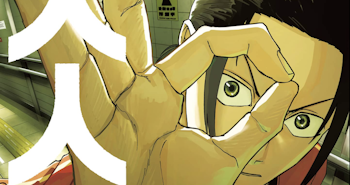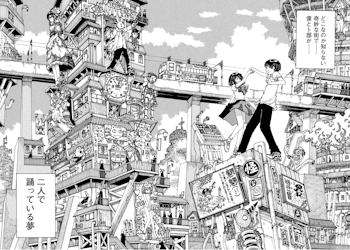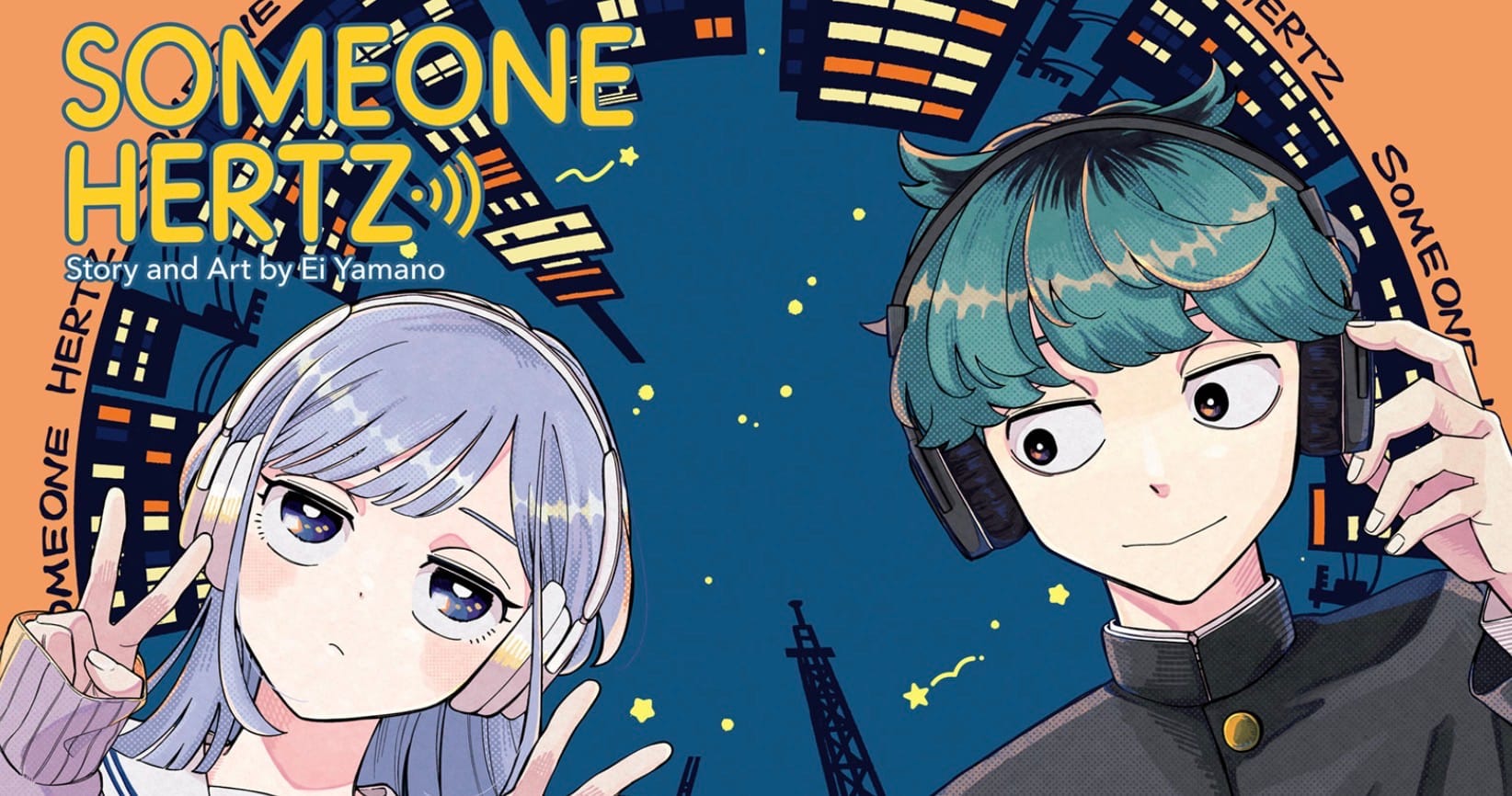
Someone Hertz by Ei Yamano is the zany love story of preppy, perfectionist student council president Mimei Fukumori and the tiny, wisecracking Kurage Mizuo. It’s also the story of how shared interests can bring the most unlikely of people together: in this case late night radio, broadcast in the wee hours of the morning when all good boys and girls should be in bed. The series is proving incredibly popular in Japan right now, having recently surpassed 300,000 copies in circulation, but those living overseas might be missing some crucial context.
Despite popular belief, radio still remains one of the most widely consumed forms of audio entertainment in many countries around the world. A report from the World Radio Alliance in February 2025 showed that 76% of daily listening time is taken up by radio in Ireland, 63% in Germany, and 44% in the United States. That being said, most radio consumption happens in the car during transit from point A to B: former drive time Virgin Radio UK presenter Matt Richardson revealed earlier this year on TikTok that this made the average listening time just 30 minutes.
The story is largely the same in Japan, but with one key difference. Just as television began to proliferate in the 1960s and take radio’s place as the preferred medium for family entertainment, late night broadcasting exploded in popularity and captured the attention of young people in an unique dynamic that still exists today. In fact, the bulk of domestic broadcasting is largely split between these two extremes: drive time programming that caters to an older, working audience and early morning shows that scoop up hundreds of students.
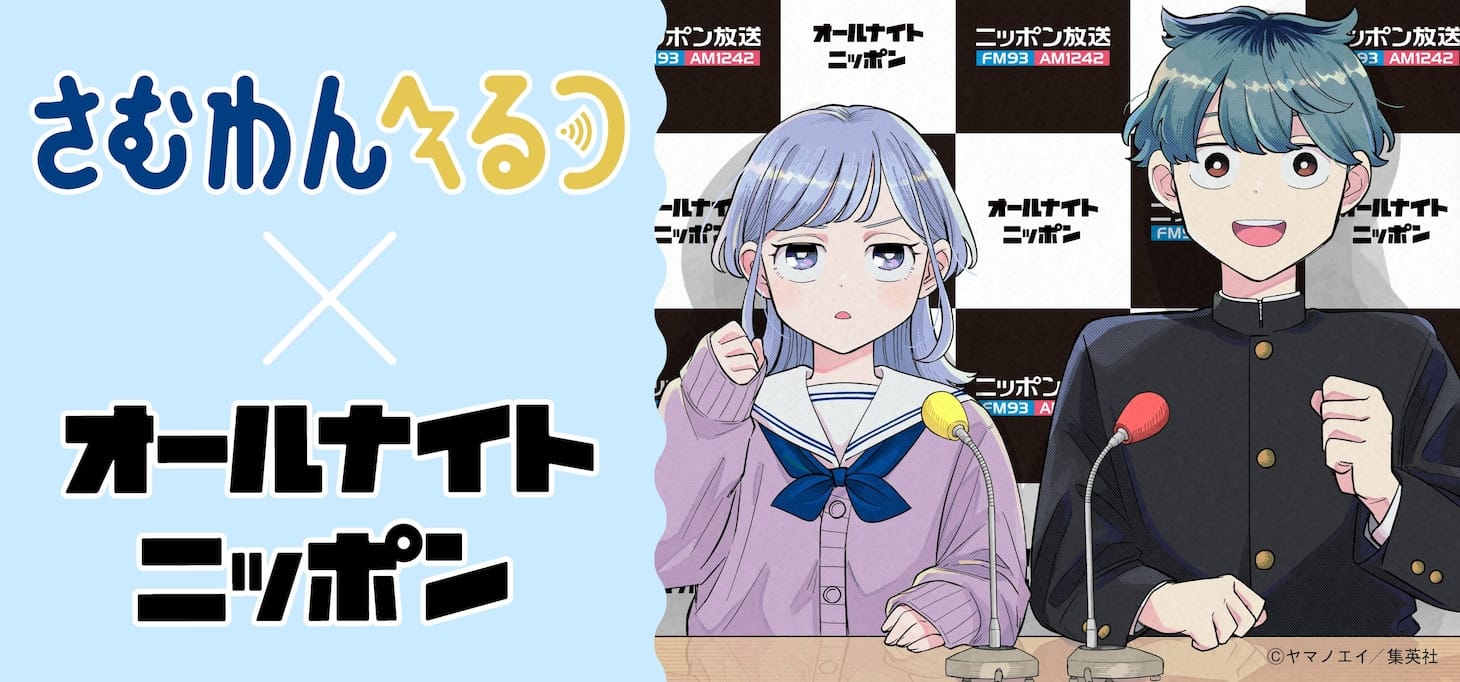
Although many players exist in the late night space, by far the most important and influential is All Night Nippon. Beginning in 1967 and continuing all the way through to the modern day, this program is a flagship title for home station Nippon Broadcasting and occupies a central place in the radio industry as a whole… despite airing from 1AM to 3AM every night. Someone Hertz also collaborated with All Night Nippon for a 24/7 lo-fi radio station to celebrate its first volume release back in January, thus linking the two titles together from the beginning.
Considering the show’s unconventional schedule and long-lasting nature, the question is how exactly All Night Nippon managed to take off in the first place. Producer and host Akinobu Kamebuchi notes in his 2023 book that the original inspiration came from a gap in the market. There were shows that broadcasted through to the early morning already, but these were mainly aimed at night shift workers: by creating a new program aimed at those up late cramming for entrance exams, they had the potential to tap into a whole new audience.
Partly due to a limited budget, all of the first generation of hosts were rank and file employees of Nippon Broadcasting. The focus of the show was also on monologue and musings on life rather than costly guest appearances and music: the show’s theme song “Bittersweet Samba” by Herb Alpert did prove popular, but the real magic was the intimate connection between the presenter and the audience. Not only did it provide entertainment, it also spoke to a sense of loneliness and provided life experience for the inexperienced.
Everything changed once again, however, when All Night Nippon began to bring on board famous industry figures for their own timeslots within the program. Kamebuchi notes rather dryly that no one wanted to come into the studio for a brand new show at 1am at first, but that all changed once the show began to exercise an iron grip on the tastes of young people. Once musicians such as folk duo Anoneanone and actors Shiro Kishibe had their own show, fans could use All Night Nippon to feel closer than ever to their favorite figures and share a private moment with them in a time before the internet and social media.
In the modern day, this has collided with fan culture to transform All Night Nippon into a central place for oshikatsu. Popular artists such as Tatsuya Kitani, Nogizaka46, and Fruits Zipper all have their own slots on the program right now, generating hundreds of tweets and impressions on social media. Furthermore, the recruitment of outsiders slowly began to erode one of the show’s first rules of “no naughty jokes”, leading to many comedy acts such as Shimofuri Myojo and Audrey having runs on the show.
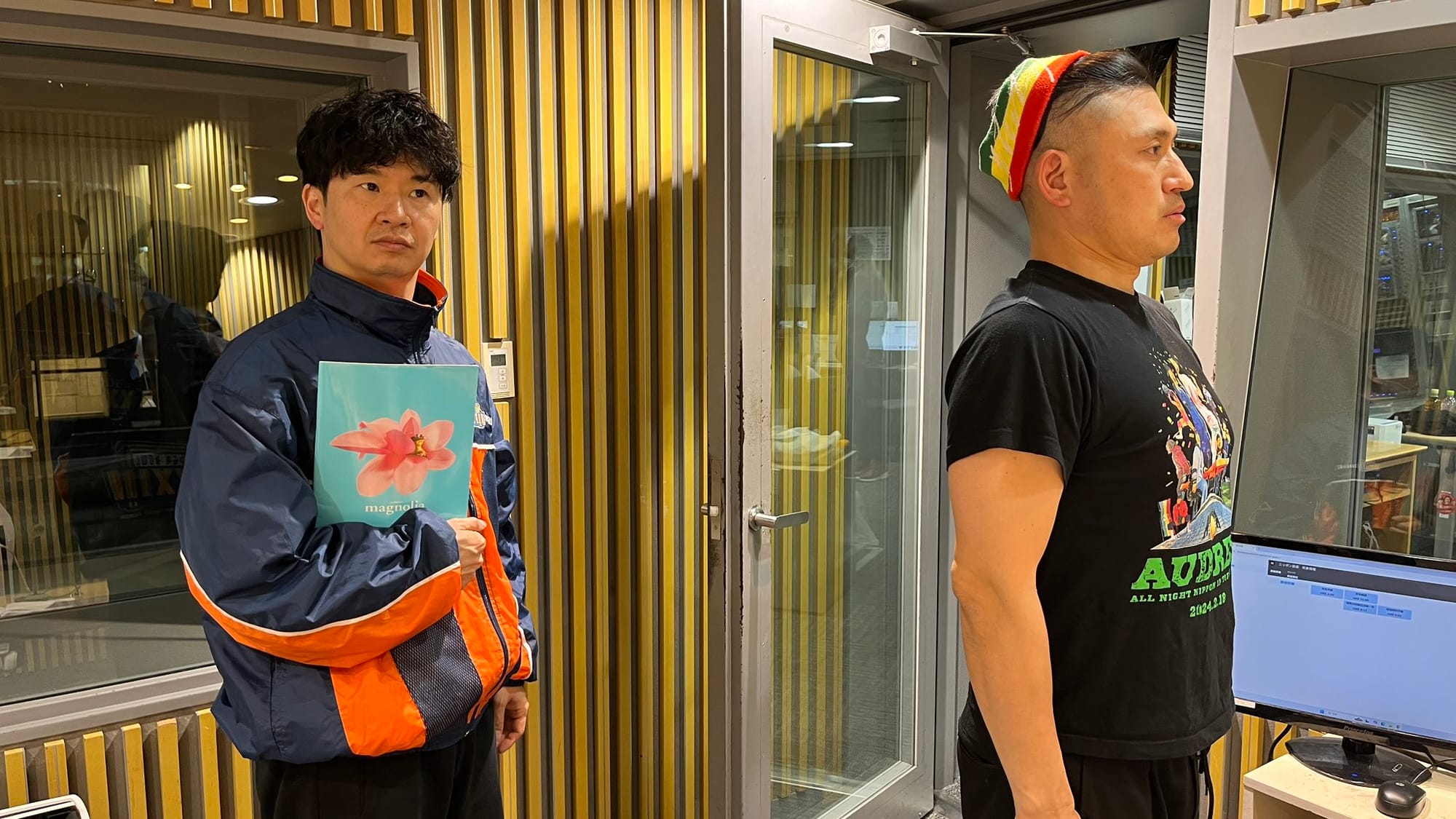
With that, the kind of late night radio that the characters of Someone Hertz adore should be clear. Ei Yamano is careful not to pay lip service to any real world organizations or figures in the story, but Monday Midnight Talking is an obvious stand-in for All Night Nippon and The Long Hopes perhaps an homage to either Shimofuri Myojo or Audrey. One plot point in the manga also touches on the fact that most modern listeners tune in via a mobile app, most commonly Radiko, that can be used to listen to stations from across the country.
Speaking of Audrey, the first time I realized just how important late night radio is to Japanese popular culture was when my friend showed me pictures from his seat at their 2024 Tokyo Dome live show. In England, where I’m from, the radio is pretty much only turned on in the car or dentist waiting rooms: the fact that a show in Japan can fill one of the biggest stadiums in the country is pretty impressive to say the least. I’m not sure Chris Evans could even manage the Apollo Theater.
Given all of this, it’s no surprise that Someone Hertz is probably the most successful series to launch in Weekly Shonen Jump in the past couple of years aside from Kagurabachi. The insertion of late radio culture into an already cute love story is such a recipe for success that it’s almost surprising that no one tried it yet. Listening to the radio is also pretty great language practice, so if you’re learning Japanese and find yourself inspired by Mimei and Kurage, why not download Radiko?
You can read Someone Hertz in English for free via VIZ Media’s Shonen Jump.