Original anime films have been some of the strongest films released in recent years, but have also become an increasingly-risky premise despite the industry’s global growth. The reputation someone must build to even be entrusted with the risk of making such a film requires a reputation that can be plastered on any trailer. Samurai Ballerina: L’etoile de Paris en fleur can boast proudly about the reputation of its creative team - its director Goro Taniguchi was in charge of One Piece: Film Red, character designer Yu Yamashita did designs for Studio Ghibli films like Kiki’s Delivery Service, while its scriptwriter Reiko Yoshida worked on a slew of incredible anime, including A Silent Voice, Ride Your Wave and The Colors Within.
The film, too, is also strong enough to stand up to the reputation of these creative’s past work, while bringing a setting rarely portrayed within the anime landscape.
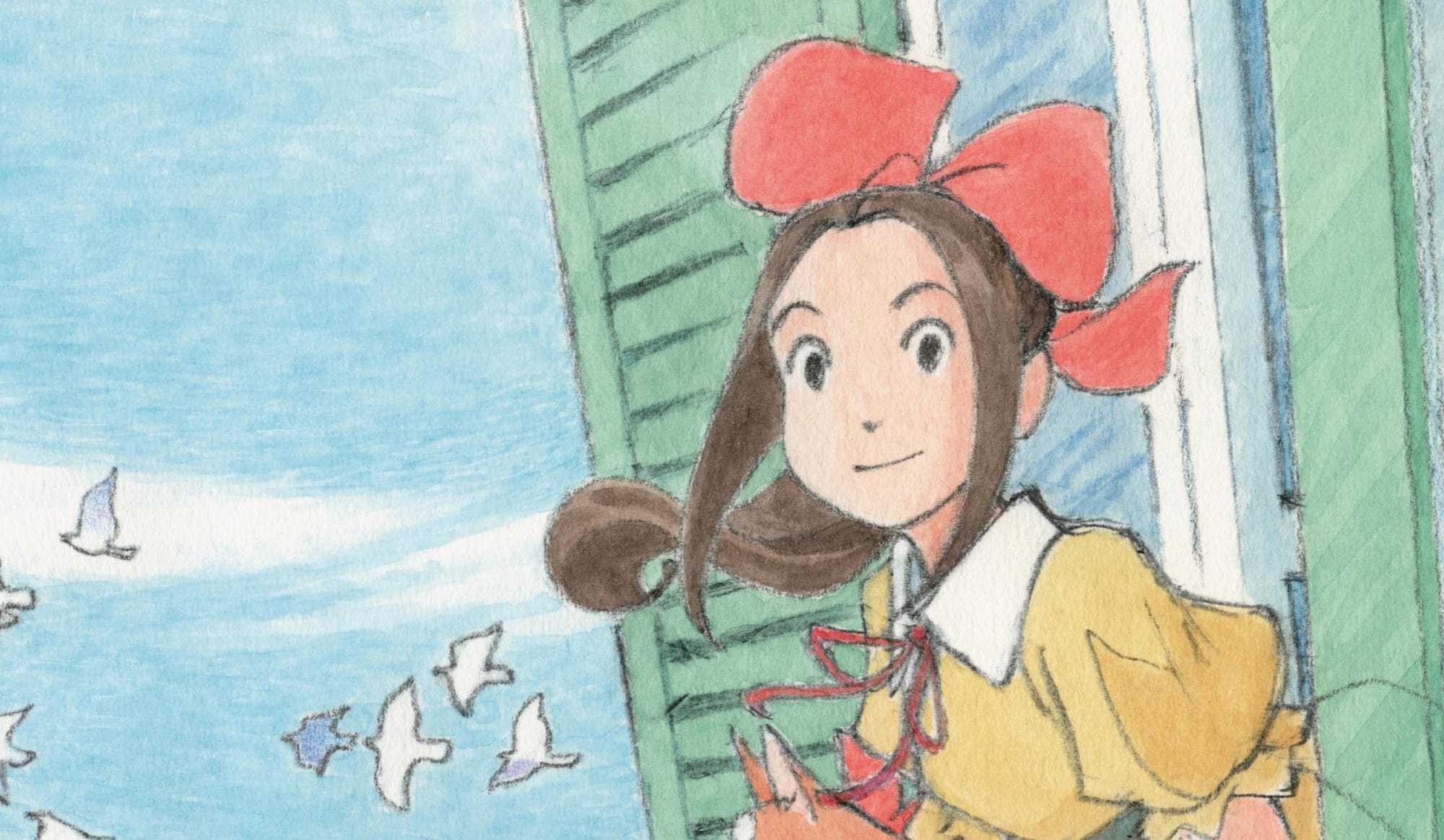
Before a single frame of animation is shown, a blurb on the screen firmly establishes the international landscape hinted at within the film’s title. The story takes place in a rapidly-transforming Japan at the end of the Meiji period entering the Taisho period in the early 1910s, centered on two girls who meet by chance at a ballet recital. At the time there’s no such thing as Japanese ballet, so the sight of an international troupe from Europe visiting Japan to perform is a fascination to their young minds. Fujiko (Ami Toma) is an aspiring artist, who upon witnessing the beauty of their dance is immediately inspired to draw what she sees. Chizuru (Lina Arashi), born to a traditional family that runs a kendo dojo, is inspired more directly by the ballerinas.
Fujiko is drawn to immediately translating her skills from martial arts to ballet, jumping on stage to the curiosity of the ballerinas to try for herself to the fascination of Chizuru. Both earning a fascination for European artforms in their respective fields, they reunite by chance years later in Paris as the pair move to find a new life in the city. Chizuru is there with her family to try and establish the dojo to a new French patronage, while Fujiko goes despite the disapproval of her family to become an artist, living with an uncle taking advantage of orientalist interest in Japan to sell wares of suspicious origin.
The story explores their shared journeys of self-discovery in early 20th-century Europe, a period which brings more than just the uncertainty of a life in a new land to their door. These are outsiders living in Paris at a time when foreign immigration and Asians living in Europe was a rarity, chasing dreams alone without the support of their family. The disapproval of anything beyond the traditional arts forces Chizuru to train far later in life than her peers in secret to be a ballerina, while the loss of a support network when her uncle skips town brings Fujiko’s art studies to a standstill as she works and struggles to even survive alone in another land.
Of course, the specter of European conflict on the horizon hardly helps when it comes to seeking stability in this new life.
Samurai Ballerina: L’etoile de Paris en fleur is an original, but it’s still a recognizable story about chasing dreams and pushing beyond in a new land. Yet for all the rose-tinted shine on the quirks of French life viewed through the eyes of these young girls coming of age in an unfamiliar, almost-magical place compared to their old home, this is a story unafraid to show the challenges of what it takes to leave everything you know to create a future for yourself. Both Fujiko and Chizuru love Paris, deeply, and that becomes apparent in the film’s attempt to shove every Parisian cliche it can into its opening moments.
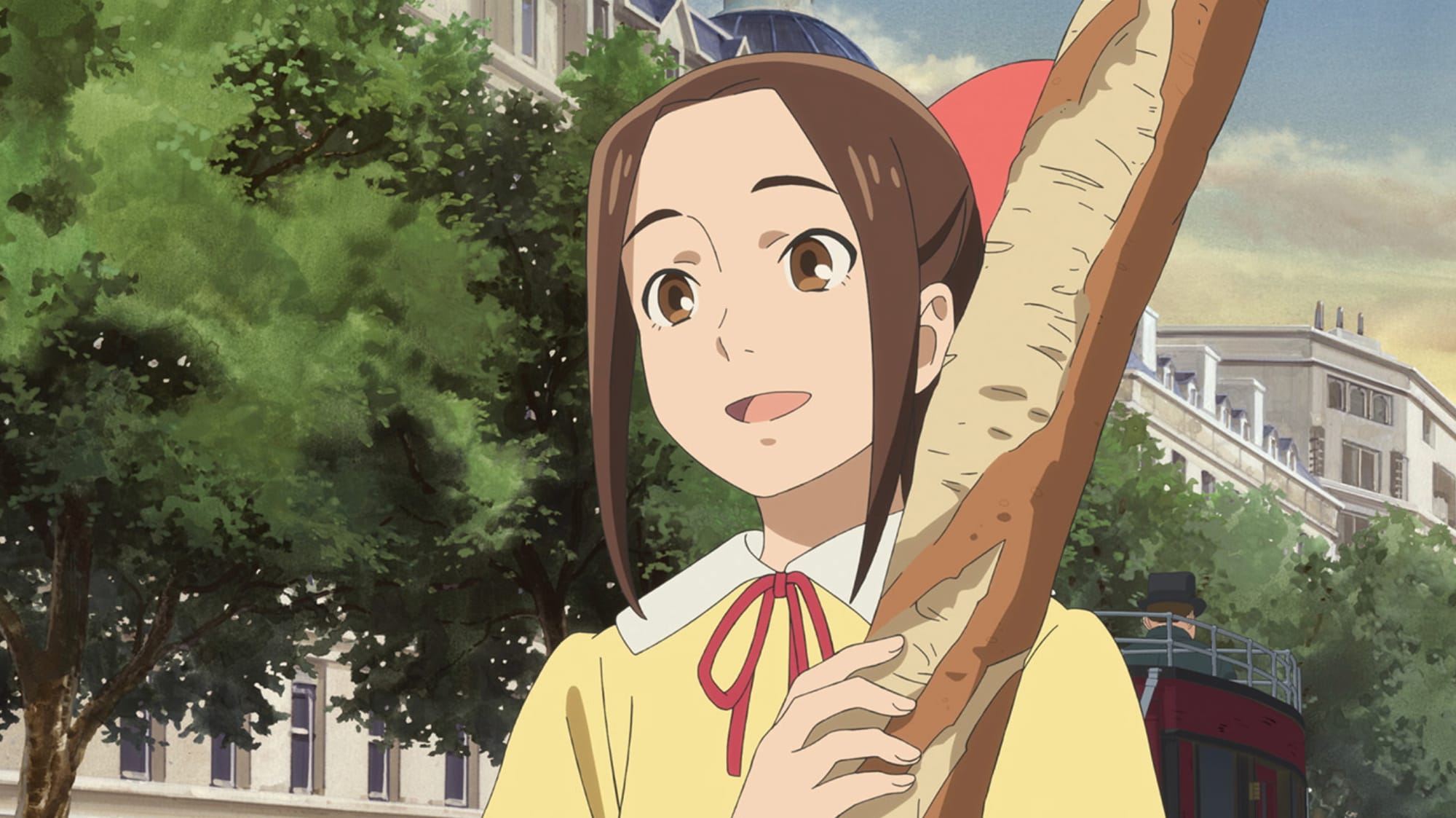
Eiffel Tower! Baguette! Winding French streets! Music! Culture! It’s presented like heaven. But these people are still outsiders, and to truly belong is something that not everyone can accept. To find acceptance means leaning into Japanese stereotypes of traditional ideas that may not match the reality in order to survive, with each friend on this new journey similarly an outsider to the typical fabric of French life. One man is a Japanophile trying to start a samurai restaurant that feels like a modern-day Tokyo tourist trap, and the ballerina who promises to train the late-blooming Chizuru is a Russian exile once part of that country’s national ballet before being forced to leave the country as situations changed.
Life isn’t easy for them, and in a story that could have easily played to Japanese fantasies of European life and beauty it’s nice to see the story attempt to portray some of the challenges of what it would mean to be these young girls finding a life somewhere new. That being said, the film is not free of cliche. Despite the story starting by suggesting it would follow Fujiko’s art career, it becomes clear quickly that Chizuru’s journey as a ballerina is the focus, one of an outsider shunned by the snobby artists who reluctantly accept and eventually embrace her for her genuine gift and talent. When Fujiko stumbles on her art journey as work and survival consume her, her biggest hurdle is the bigoted coworker who comes to accept her eventually.
Yet where this film succeeds when it could fall into a painfully-generic routine is in the way it brings the ballet world and this French landscape to life. Beyond some European-inspired Ghibli projects and one or two notable exceptions, the portrayal of France as a backdrop within anime feels unique, but also well-researched if squeaky-clean and unproblematic. It’s also unafraid to tackle the deeper issues of clashing cultural identities as the uncertainty of political stability in the era rears its head. For much of the second half of the film, the struggles of the pair to realize their dreams are further complicated by the specter of war that makes their differences more intimidating to locals, inflicting further racist abuse from a scared populace even as they share the same fear of war and bomb attacks reaching their doorstops.
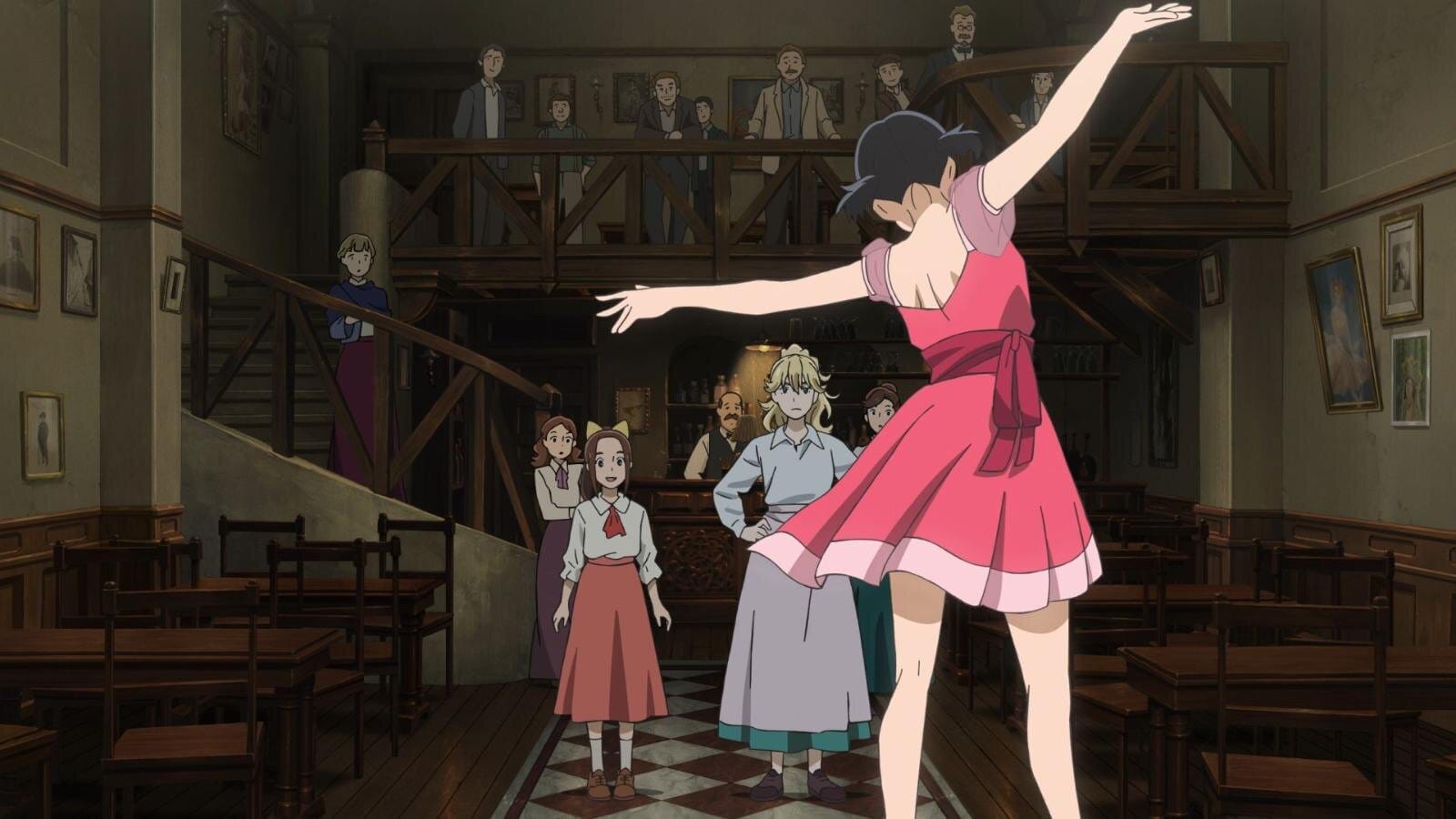
The clash between finding a new home and finding your internal cultural identity permanently torn between places is a story oh-so-familiar to anyone who has emigrated to a new country, and in an environment of Japanese debate on the topic of immigration a story from the perspective of someone seeking to belong and struggling with these issues is welcome. In many ways, scenes like these and the desire for acceptance from neighbors and fellows, which crescendo further as Chizuru struggles with her ballerina lifestyle, are where the film’s core message of art’s power to connect and give purpose shine strongest.
That’s not to say everything works here. As mentioned, it can feel cliche, not every story beat lands, some side characters can feel superfluous or not fully explored and the visual style, while mostly pleasing, is let down by occasionally-choppy CG animation. But it’s a film whose mood can transcend those issues, giving it a genuine infection charm that leaves a smile on the face as the credits roll.
It’s nice to see a creative team like this desire to create something with Samurai Ballerina: L’etoile de Paris en fleur that is trying to stand out from a sea of adaptations, cashing in on their reputations to tell a tale that suits the moment and takes big swings by being unafraid to capture the challenge of being an outsider particularly in times of strife. The result is pleasing, but also resonates with those who share that experience. A dream is a challenge, but one worth tackling.
Discuss this article and more on the scrmbl Discord server