The Sakamoto Days live-action movie is baffling. Not the fact that it exists. With the popularity of the Shonen Jump manga and a successful anime adaptation, a live-action adaptation was inevitable. This movie’s road to success feels similarly easy to map out, considering the star-studded cast led by male idol-of-the-moment Meguro Ren. It’s precision-made and designed for success. It’s also a dreadful two-hours of excruciating cinema to sit through.
Creating a live-action anime industry in an era of global excitement for anime can feel like a paint-by-numbers search for success. Find the big-name actor for domestic success, find the IP that could secure that lucrative streamer deal, smash it together with a relatively safe script sticking uncomfortably close to the original, and you likely have a box-office hit. It might not be amazing, but it can work, and even provide some enjoyment. Cells at Work is a fine adaptation, and when you get beyond the mainstream where such rote approaches to adaptation are less expected, the results can be something special.
Sakamoto Days not only falls into the former, it lacks any sort of passion from even a single member of the cast or creative team to bringing such a major IP to the screen beyond the hope it’ll earn enough money to justify the sorry time spent creating or watching it.
The story sticks closely to the very entertaining original manga. Taro Sakamoto was once a legendary assassin, rising to the top of his field and untouchable by anyone unfortunate to be the victim of his next job or to stand in their way. Only thing is, he fell in love. Specifically with a convenience store clerk named Aoi Sakamoto (Aya Ueto), who agrees to the relationship under the proviso he quits his line of work and swears to never kill again. So strong is the love that he agrees, and their new life running a convenience store begins.
But the peace can’t last. Eventually people start tracking Taro down, hoping for revenge or success, and it keeps him one foot into the underground life he hoped to leave. He wants to maintain his promise not to kill, but also wishes to protect his new family.
The original manga, while flawed, is an entertaining read, in part for its humor that ties to its action through its protagonist and their unlikely dynamic. Early on they introduce employees for the store who used to work with Sakamoto during his assassin days and in this new life become all-but adopted into the family named Lu Shaotang and Shin Asakura, and their dynamic as both trained fighters and awkward fellows of this unique dynamic make them a welcome addition. The way the series can blend the wholesome assassin with their deadly work for impressive set pieces but an attitude that’s both protective and fun makes it a point of comedy and entertainment.
The movie, however, fails to capture any of this. The adaptation here covers the first two arcs of the original manga, enough to introduce the family and begin to tease out the backstories of these characters and the new threat posed that brings Sakamoto out of retirement, but not enough to make any real headway into the broader plot built by the manga over the years. The main issue from a story perspective is that while the arcs chosen allow us ample time with Sakamoto himself, nothing has been done to ensure the story feels satisfying as a self-contained event for anyone but diehard fans of the series.
Without delving too deeply into later story elements of the manga, we soon learn of greater threats that have ulterior motives for targeting Sakamoto, linking to their hope of overthrowing the assassin order. They’re introduced late in the second arc in the manga to set up the rest of the franchise with them as the primary antagonist, which works for a weekly serialized format. It doesn’t work in a film where they appear for a few scenes with no relevancy to the story before the credits roll, just to set up a potential sequel, and ruins the pacing. It’s a failure of adaptation and an inability to alter the source material to suit the new format, a lack of effort in adaptation, that sets a tone for the rushed, cheap, uninspired two hours that follow.
In a wave of genuinely-impressive or at-least entertaining adaptations that both take advantage of anime’s growing mainstream success while recognizing the shift in medium only make this film feel like more of an awkward, lazy outlier.
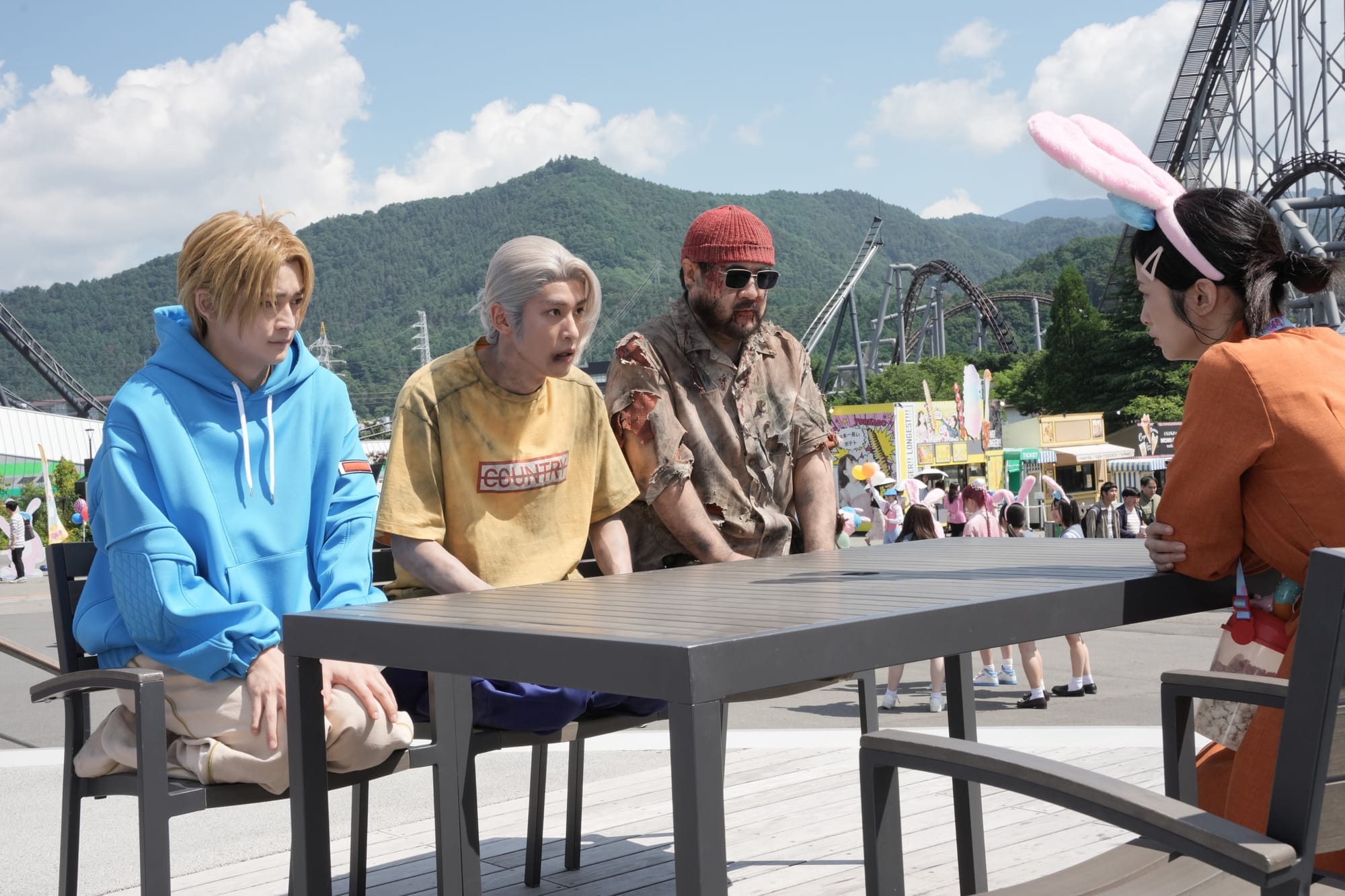
Zero effort has been made to do anything more than bring the page to the screen with minimal effort to cater the work for live-action, leaving impossible action that simply looks off-putting in a live-action format. You can trick the rule of physics for the sake of a visually-exciting action sequence in animation, but unless you create a far more stylized visual aesthetic, attempts to break those rules here just look choreographed and weightless, robbing them of tension.
Shoddy action sequences are the least of this film’s problems. When I think to the grand scale of live-action adaptations like Kingdom, films that understand the potential of their new medium and take advantage to create a spectacle, this feels like a film made purely for the money. Meguro Ren is arguably the biggest male actor and idol in Japan right now, a talented actor with a role in the upcoming new season of Shogun that could catapult him to international stardom while starring in major, successful films and TV shows at home, and the assumption has been made that simply casting him is all you need for success.
Despite filming on location at Fuji-Q Highland for theme park locations and using a number of real sets, cheap materials and cut corners elsewhere leave spaces feeling fake. Actors appear bored and disinterested, disarming any comedic bits. Action is shot either too distant or without dynamism. Costuming makes everyone feel less like a living, breathing character and more like a cheap cosplay, made worse by performances even from the aforementioned talented lead actor that appear bored.
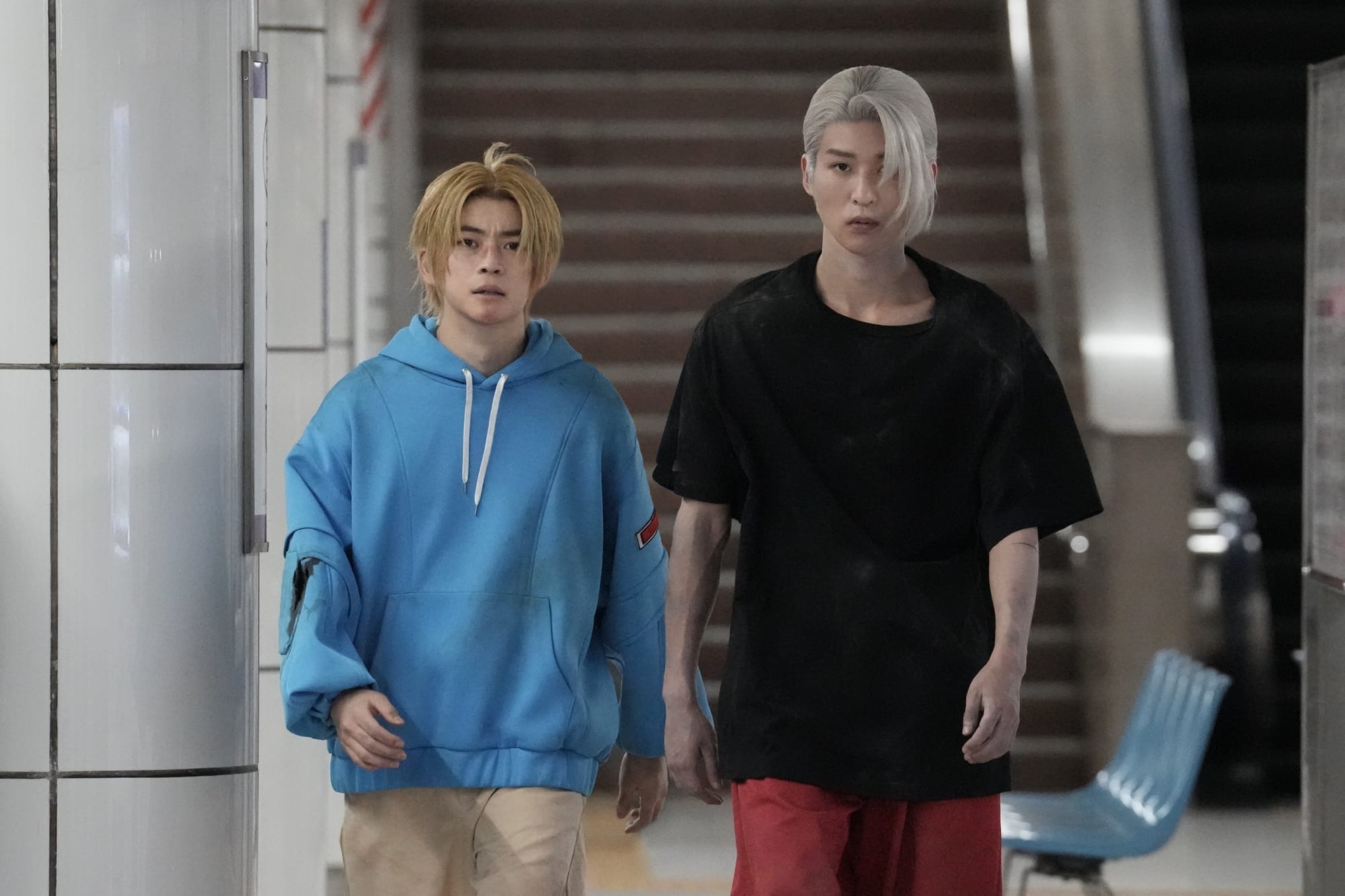
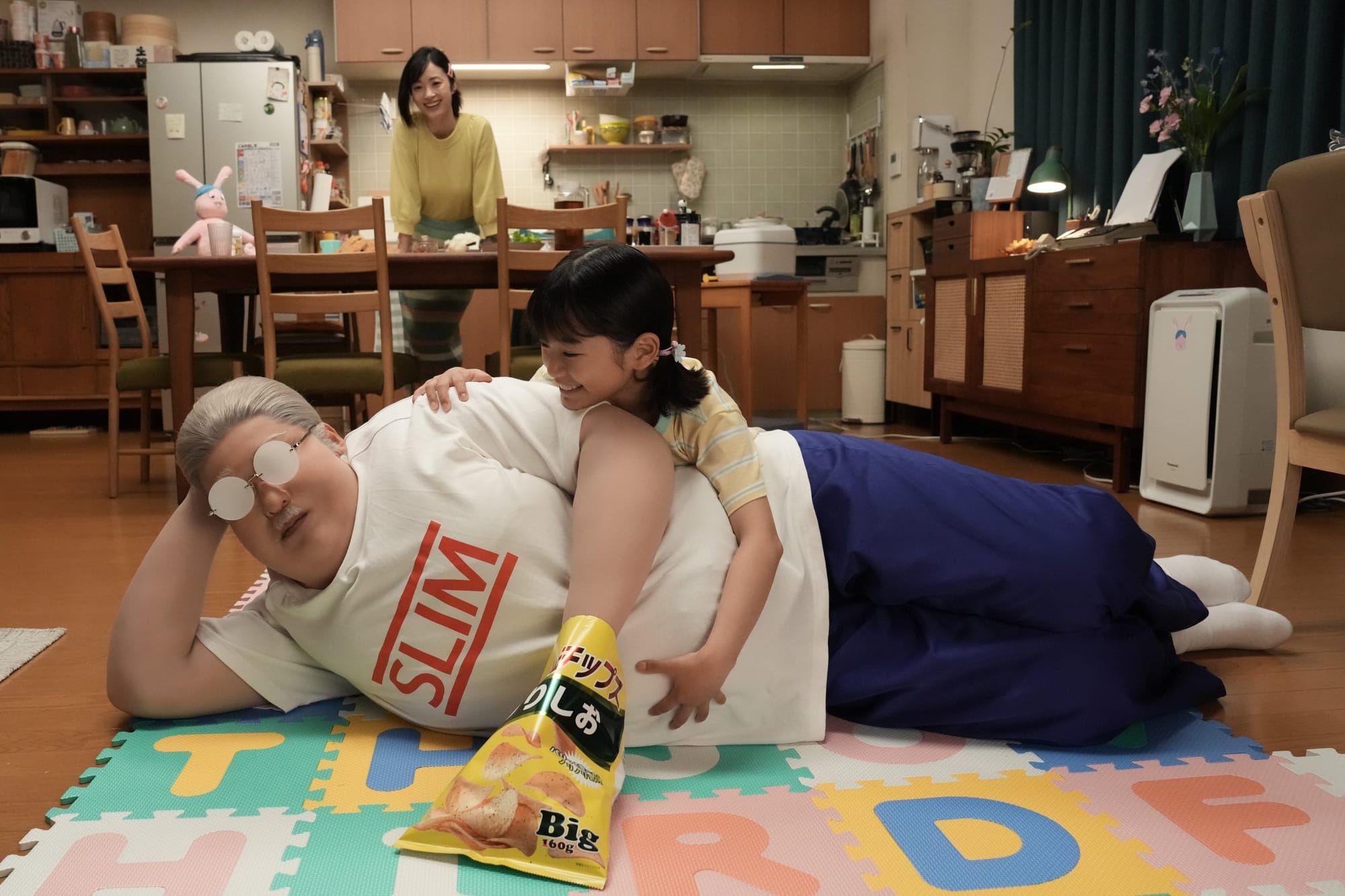
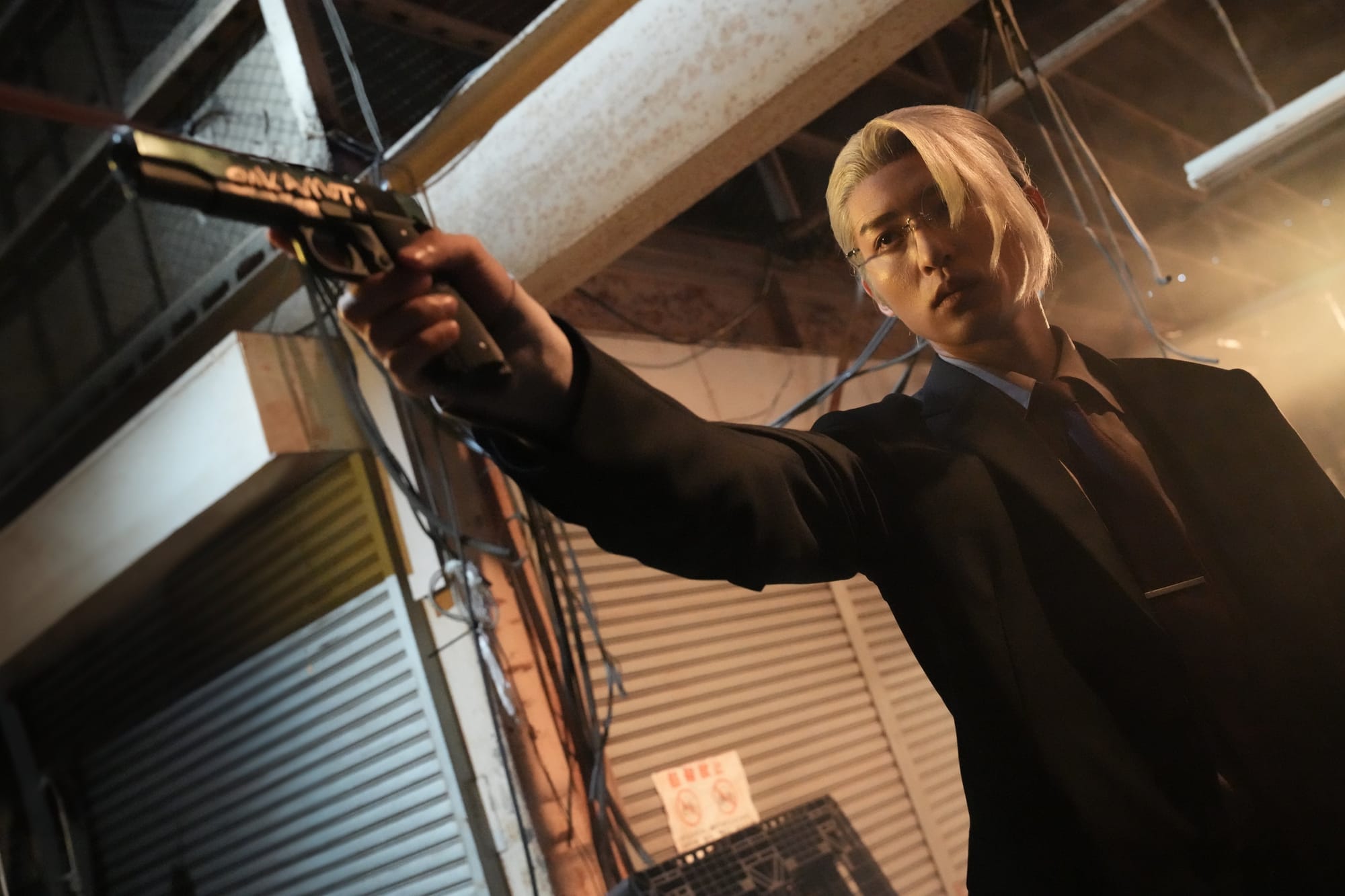
Perhaps most surprising of all, production across the board feels amateurish. Even in some of the weaker films I am forced to review, my criticism often comes in their scripting and emotional direction as opposed to the technical aspects. The film is at least feels competently made. Not here. To portray Sakamoto in his larger, overweight, retired body shape, a fat suit is worn. This can be witnessed in behind the scenes material for the film. It’s also often bulging out of the thin t-shirts worn on set in a way that is obviously, off-puttingly fake. The paper pasted over the lenses of the glasses to create the signature sheen of the character in the original is also distractedly-apparent.
Why stop there? The editing is often sudden with nonsensical cuts, while the visual effects are so apparent and fake that they even appear unfinished. I can’t even praise the film in terms of its most simple technical aspects when the hues of the colors in a characters shot can change between shots in a single scene because of inconsistencies, or the numerous continuity errors. Basic errors I rarely see appear in almost every scene.
/#SAKAMOTODAYS 18巻本日発売❗️
— SAKAMOTO DAYS/サカモトデイズ【公式】 (@SAKAMOTO_STORE) August 1, 2024
スペシャル実写ムービー大公開!!🎥
\
日常×非日常アクションの #サカモトデイズ の世界観をハリウッドでも活躍中のスタントパフォーマー #伊澤彩織(@izwsaori)さんがお届け!
アクション全開のコラボPVです!💥🔫
▶️YouTubeはコチラ⇒https://t.co/T641hSp7Vb pic.twitter.com/sxrPF9lzcm
In 2024, a two-minute commercial for the 18th volume of the Sakamoto Days manga was released featuring Saori Izawa from Baby Assassins. This two-minute commercial is far more entertaining and in line with the spirit, comedy, and action of this story than even a single second of this grueling, incompetent attempt at a film that appears to solely exist in the hope a famous actor and recognizable IP is all you need to create a successful movie. Considering the strength of opening-day ticket sales including a number of sold-out screenings, maybe they’re right.