On the surface, Lunar: Eternal Blue follows the same time-worn structure of its predecessor Lunar: Silver Star Story. The hero and heroine gather a party of friends and go on an adventure to earn the blessing of the four Dragons so that they might defeat the villains threatening their world. In reality, though, every single detail diverges from Silver Star Story, in ways that sometimes feel as if the developers are playing an elaborate joke on you.
For instance, Silver Star Story’s main couple Alex and Luna were childhood friends living together in the snowy mountains. Their first adventure involves delving into a cave. In Eternal Blue, Hiro meets Lucia for the first time after climbing a tower in the desert. While Luna was a kind big sister type, warped by destiny and a villain’s magic into a cruel goddess, Lucia is a seemingly emotionless alien who warms up to the party only after hours spent in their company. Hiro follows her not because she’s his childhood friend, but because he thinks she’s hot.
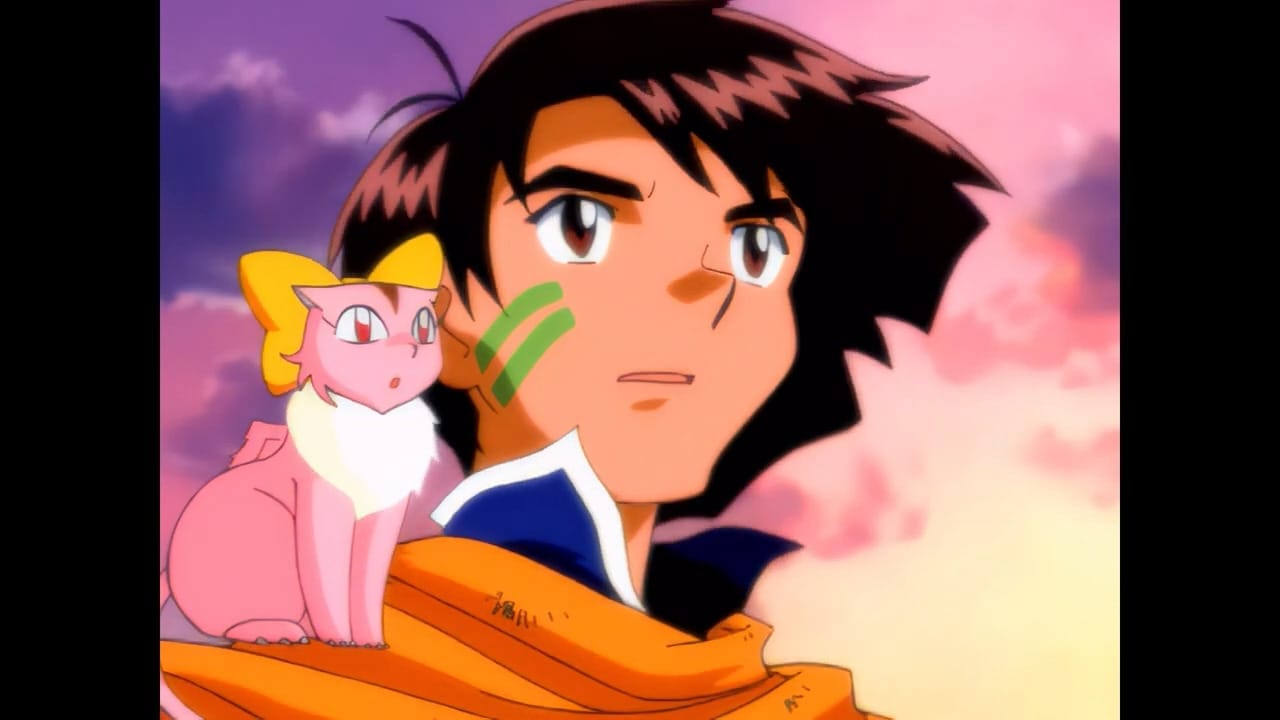
Other contradictions show themselves as you play through Eternal Blue. The first game told the story of how Althena, the god of Lunar, was reborn as a human and chose love over immortality. Yet at the start of the second, Althena appears to be still around, and her followers are more active than ever. Lucia is pursued across the world by Leo, a noble holy knight convinced that Lucia is the Destroyer. Why would Althena want Lucia dead? What about Zophar, the evil entity that Lucia has come to Lunar to defeat? By choosing a mortal life in the first game, did Althena doom her world to destruction in this new game?
Even the title itself, Eternal Blue, is a subtle clue at how the game differs from Silver Star Story. While that game implies through its visuals that it takes place on a moon overgrown with life, seeded by powerful unknown technology, the cast never learns the exact details. The giant blue planet hanging in the sky, which to our eyes is clearly the Earth, is rarely acknowledged. So by naming itself after this planet, Eternal Blue signals a change in priorities. Hiro and Lucia must grapple with ideas that Alex and Luna never once had to worry about.
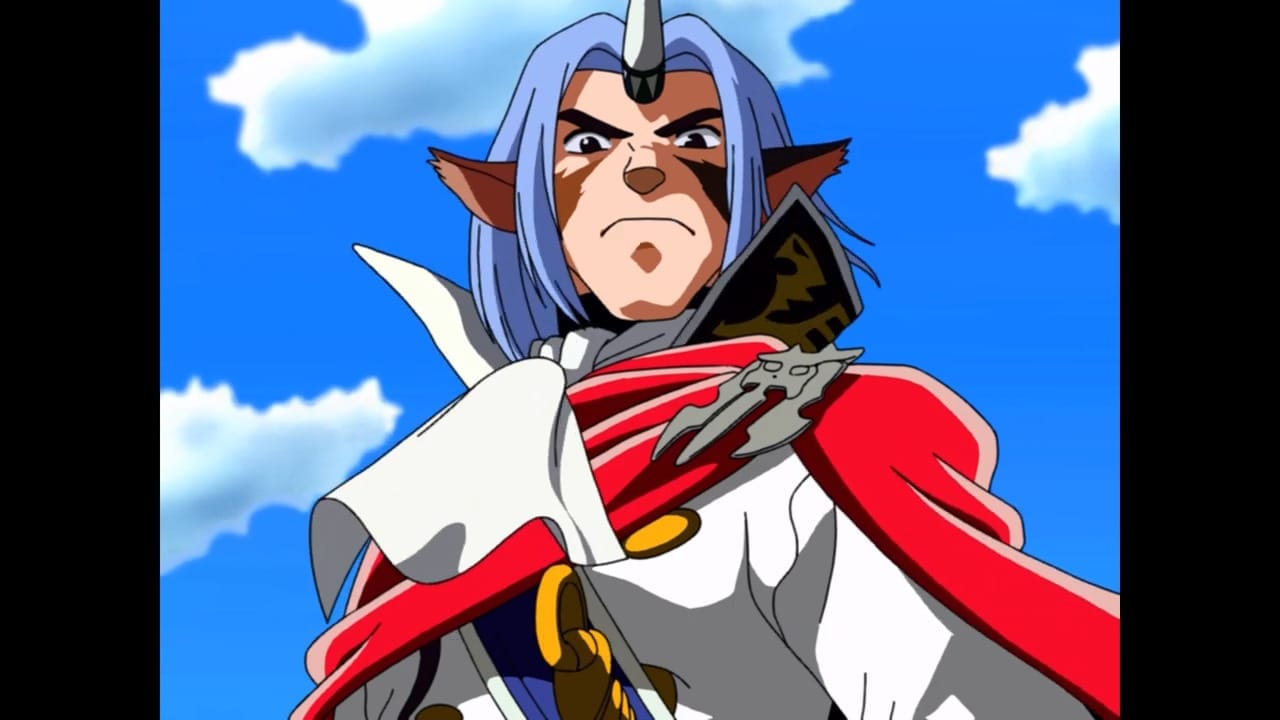
Eternal Blue takes place one thousand years after Silver Star Story. Some locations (like the prosperous merchant city of Meribia) remain the same, while others (like Vane, once the magic capital of the world) have changed beyond recognition. In addition, most of the first game’s cast are dead, with significant exceptions. Nall, once Alex’s cat-sized Dragon buddy, now wanders the world in human guise. Ghaleon, the treacherous mage Alex defeated in the last game, is inexplicably alive once again and causing trouble. The latter character in particular is a grenade thrown at players who finished the earlier game. Ghaleon kicked the plot of Silver Star Story into gear by kidnapping Alex’s girlfriend and pledging to conquer the world. So when he seemingly goes out of his way in this new game to help Hiro and Lucia, you think, “this must be a trick.” You won’t know the truth, though, until the very end of the game.
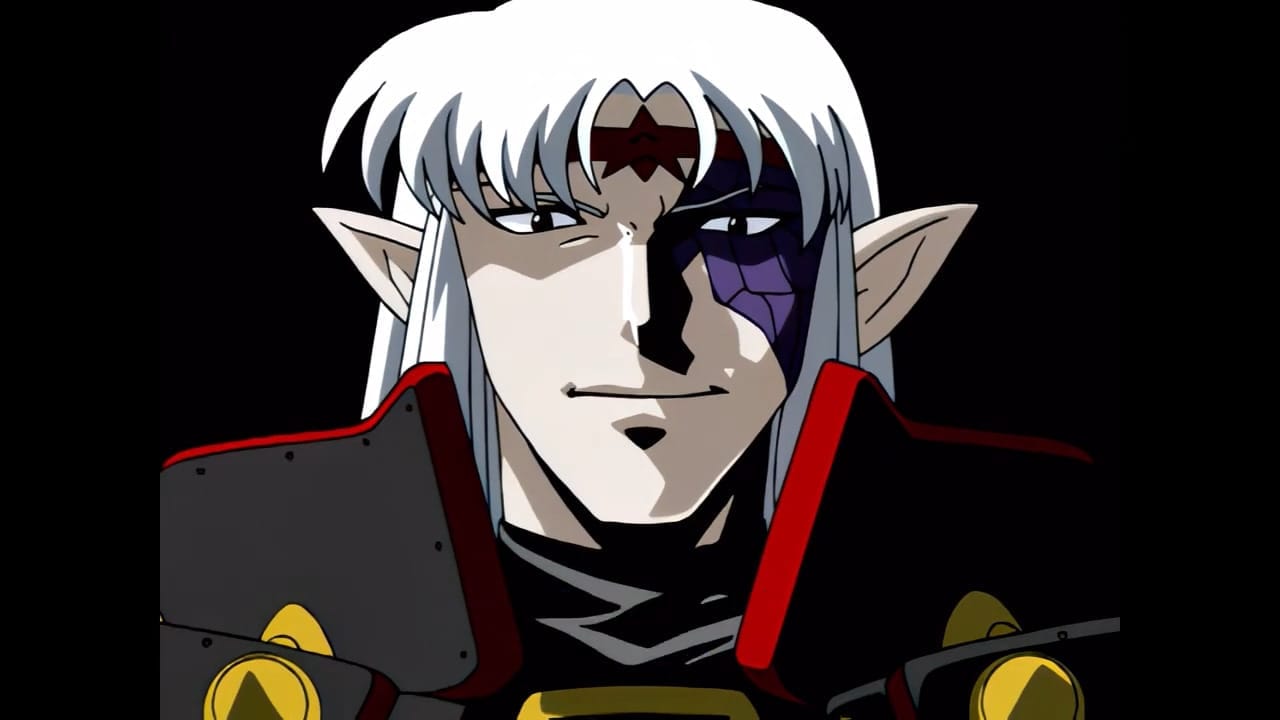
Eternal Blue leans on a Lunar fan’s nostalgic memories of Silver Star Story while simultaneously frustrating them, revealing just how much has changed over the years and why. The resulting combination feels distinctly different, to me, from other Japanese RPGs of its time, even though the game’s turn-based combat and level design is 1990s standard. What it does remind me of is Ultima, the classic series of American computer RPGs that ran from 1979 (with Akalabeth) to 1991.
Starting in 1985, each Ultima game purposefully broke from patterns established in previous entries. In Ultima IV, the player abandoned fantasies of accumulation to become a virtuous person; Ultima V turned those virtues against the player as exaggerated dogma; Ultima VI revealed that the setting’s seemingly “monstrous” gargoyles were conscious beings with their own values; and VII saw the player’s values fall out of fashion as a cult offering easy answers conquered the world.
The world of Brittania, where Ultima takes place, remains roughly the same in layout with each installment. Even so, years pass, party members age, and society changes. Returning to settlements like Trinisic means rejoicing in that familiarity while also bracing yourself for what might have changed during your absence–whether the city was conquered by Shadowlords in V, infiltrated by the Fellowship in VII, or destroyed before the events of IX.
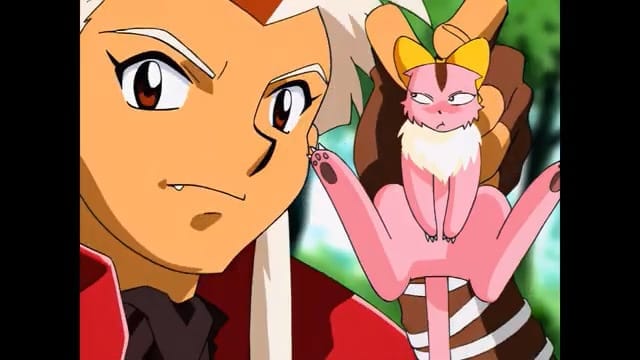
That same mix of joy and tension propels the player through Lunar: Eternal Blue. Every reminder of something you once loved is balanced by a vanished part of the world you once took for granted. A merchant in Meribia looks just like Alex’s friend Ramus in Silver Star Story, but Ramus himself is dead. Nall, who was a comic relief character in the previous game, is the last survivor of Alex’s adventuring party by virtue of being a dragon. Silver Star Story’s final message—that love is more powerful than immortality—can be seen in everything that the world of Lunar has lost and gained in the next 1000 years.
You don’t need to play Silver Star Story to appreciate Eternal Blue. The broad strokes of the story should be familiar to any RPG fan, just as Silver Star Story itself took place in the wake of an earlier party’s RPG campaign. What you do miss are the small details, and this is the kind of game where those details really matter. They’re the difference between a good game and a great one. The distance between a moon green with life and a frozen blue planet.