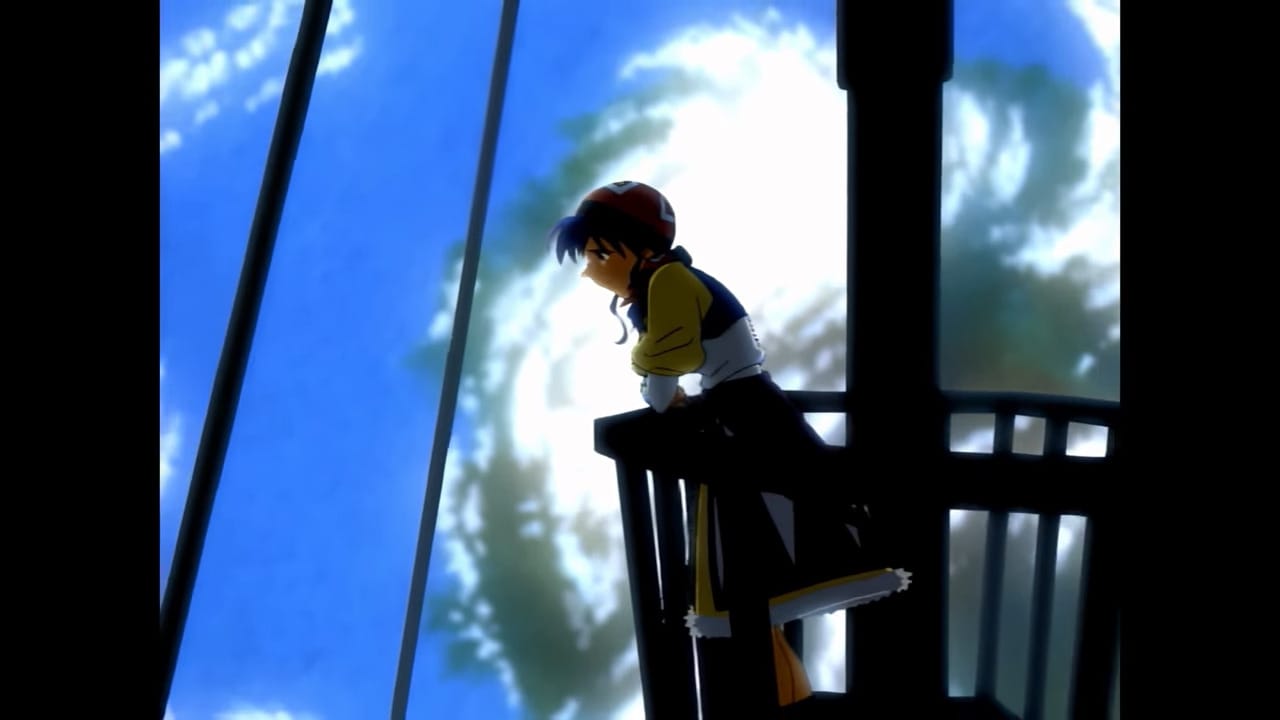
Early in Lunar: Silver Star Story, Alex and his childhood friends Luna and Ramus travel by ship to the bustling city of Meribia to sell a diamond at the market. The three are excited to leave their sleepy town of Burg and discover the wider world. Yet when Alex wakes during the night, he finds that Luna has vanished from her bed. He ventures to the ship’s deck, where he finds her perched in the mast’s crow’s nest, looking out at the great blue and green orb hanging in the sky. Glowing sprites dart around her; she takes two in her hand, and brings them to her chest. Then she begins to sing:
“Wishing on a dream that seems far off
Hoping it will come today
Into the starlit night
Foolish dreamers turn their gaze
Waiting on a shooting star…”
As she hits the chorus, the camera rotates around her, conveying the full scale of the ship even as it centers her. The sprites take to the air and fly through the clouds in formation. This is no longer a location in a video game. It’s a stage for her adolescent longing. An unabashed Disney Renaissance song in the middle of an RPG, executed with real technical prowess, that spotlights the princess and her dreams without a hint of irony.
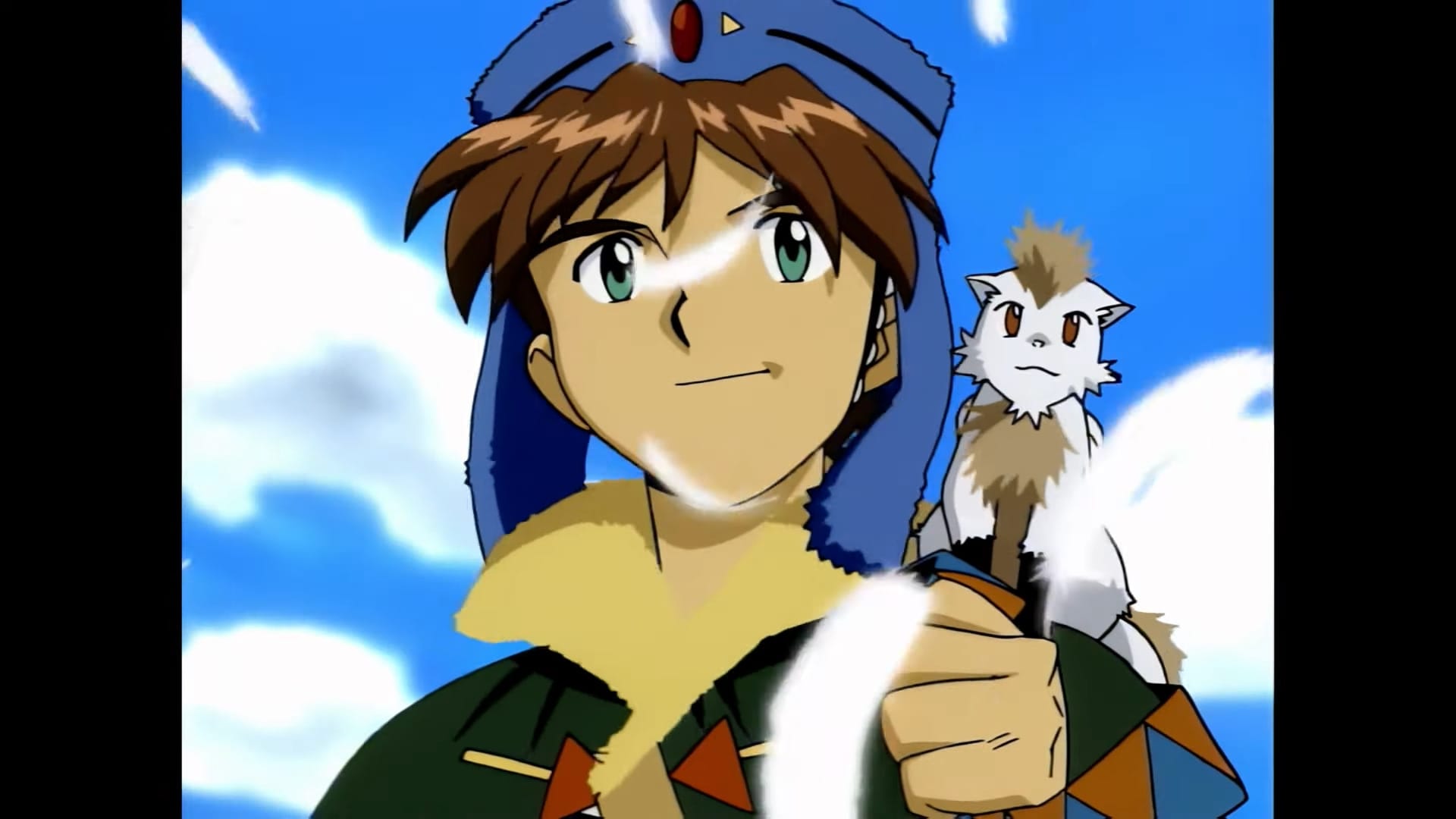
This is not the first such moment in a game like this. Final Fantasy VI featured a musical number at the opera back in 1994 on the SNES. (Lunar: Silver Star Story was released two years later in 1996 for the Saturn.) But that opera set piece was executed in the engine and was set to digitized warbles. Lunar: Silver Star Story’s sequence was animated, with a mix of 2D and 3D graphics, and had real voices: Kyoko Hikami in Japanese, Jennifer Stigile and Jackie Lastra in English.
What I find especially remarkable about this sequence, considering how integral it is to the game, is that it wasn’t even there to begin with. Silver Star Story is a remake of Lunar: The Silver Star, released in 1992 for the Sega CD. In that earlier version of the game, Luna chooses to remain in Burg while Alex travels to Meribia by ship. The two are still destined to be together, but it takes half the game for her to become relevant again, and only after she’s kidnapped by the villain.
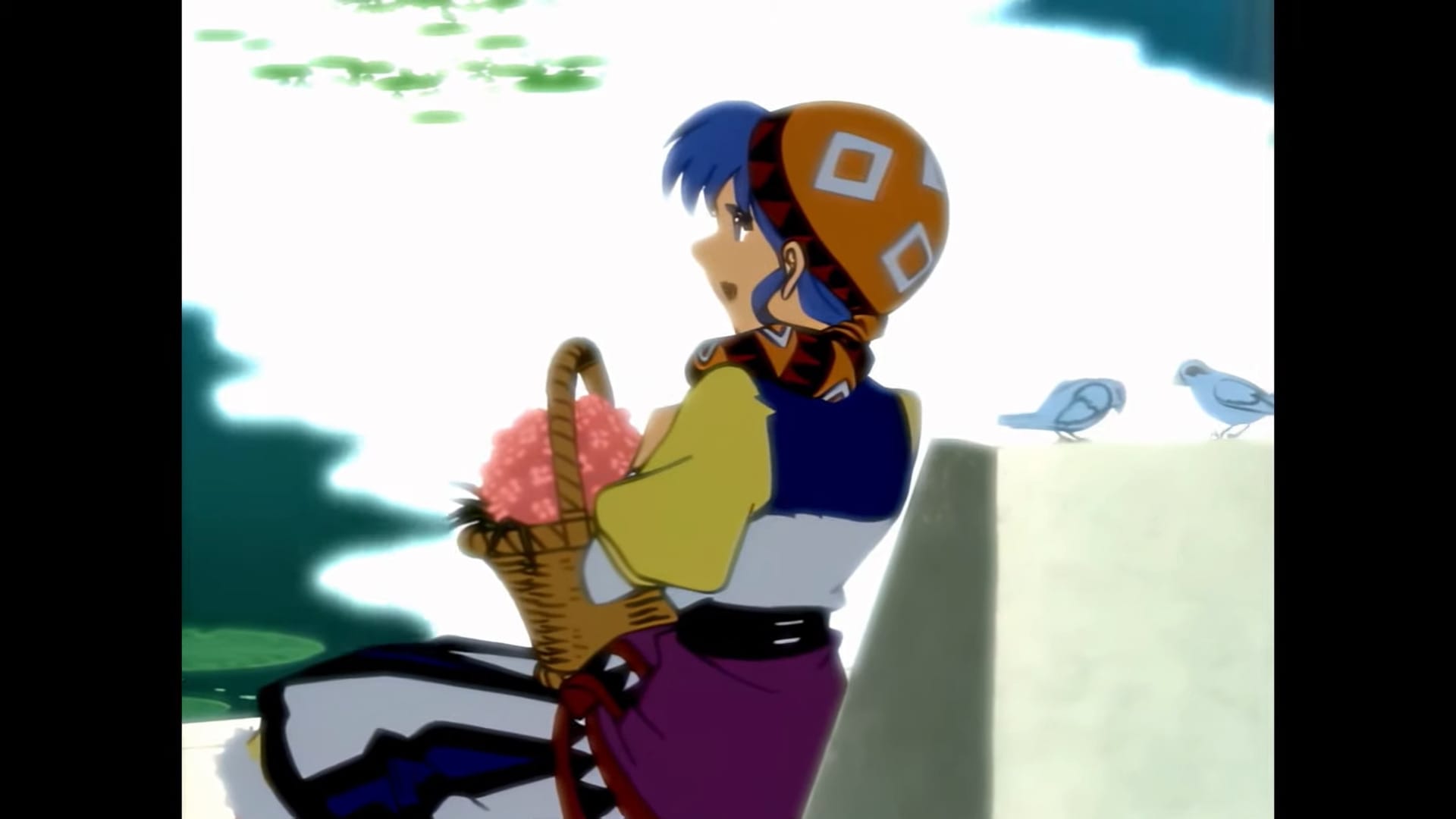
As if to honor this point, Luna initially asks to stay in Burg in Silver Star Story rather than risk her life in Meribia. But just as the ship is about to leave harbor, Alex breaks from his role of silent video game protagonist to ask Luna one more time if she would come with him. Luna accepts, takes his hand, and becomes the Disney princess of her own story, even though her ultimate fate remains that of the damsel in distress.
Another advantage that Silver Star Story has over the original Silver Star are proper animated cutscenes. The original Silver Star featured roughly twenty minutes of short, relatively static sequences that built on what had been accomplished by other teams in earlier titles like the Ys series and Emerald Dragon. Silver Star Story by comparison had over forty minutes of cutscenes that, at their best, rivaled any other fantasy anime at the time in detail and execution. While the Saturn could originally display these sequences via just a part of the screen due to technical limitations, these limitations were addressed in 1997 thanks to the MPEG card adapter, and made irrelevant with the 1998 PlayStation port.
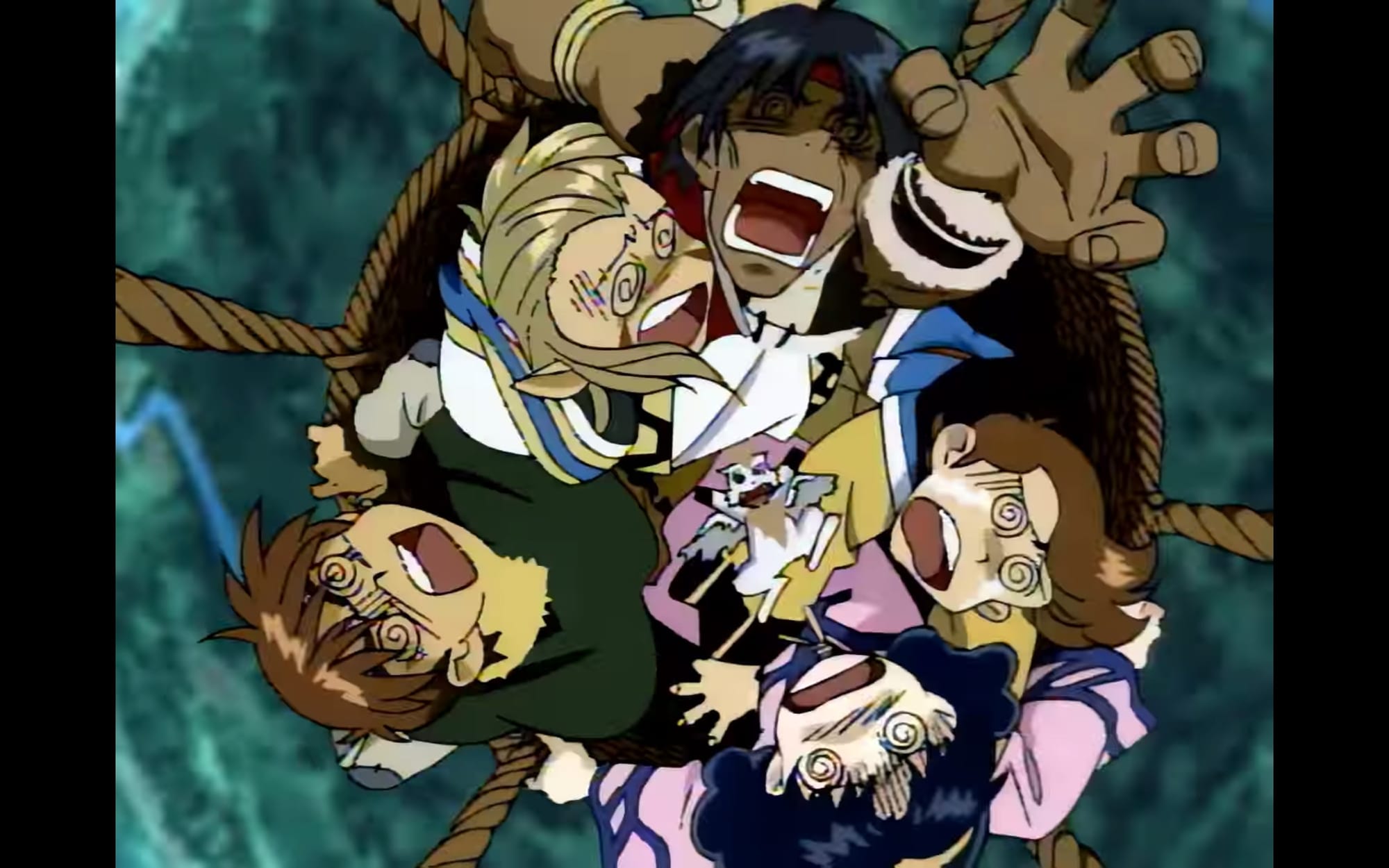
Both Silver Star and Silver Star Story versions of the game benefited from the talent of character designer Toshiyuki Kubooka. Previously he had been the character designer and chief animation director for Hideaki Anno’s directorial debut, the 1988 Gainax OVA Gunbuster. Later he would design the characters for Yasuhiro Imagawa’s masterpiece, Giant Robo: The Day the Earth Stood Still, as well as the original designs for the iDOLM@STER series.
While Lunar’s tight storytelling and charming dialogue was important to its appeal, Kubooka’s sensibilities were absolutely essential. An interview with the team translated by shmuplations (and originally published by BEEP Mega Drive magazine) reveals just how influenced they were by his work. “When we saw those drawings,” said Scenario Lead Kei Shigema in reference to Kubooka’s sketches of priestess Jessica thinking about her annoying boyfriend Kyle, “it actually helped expand our understanding of the characters—’ah hah! so that’s who you are.’”
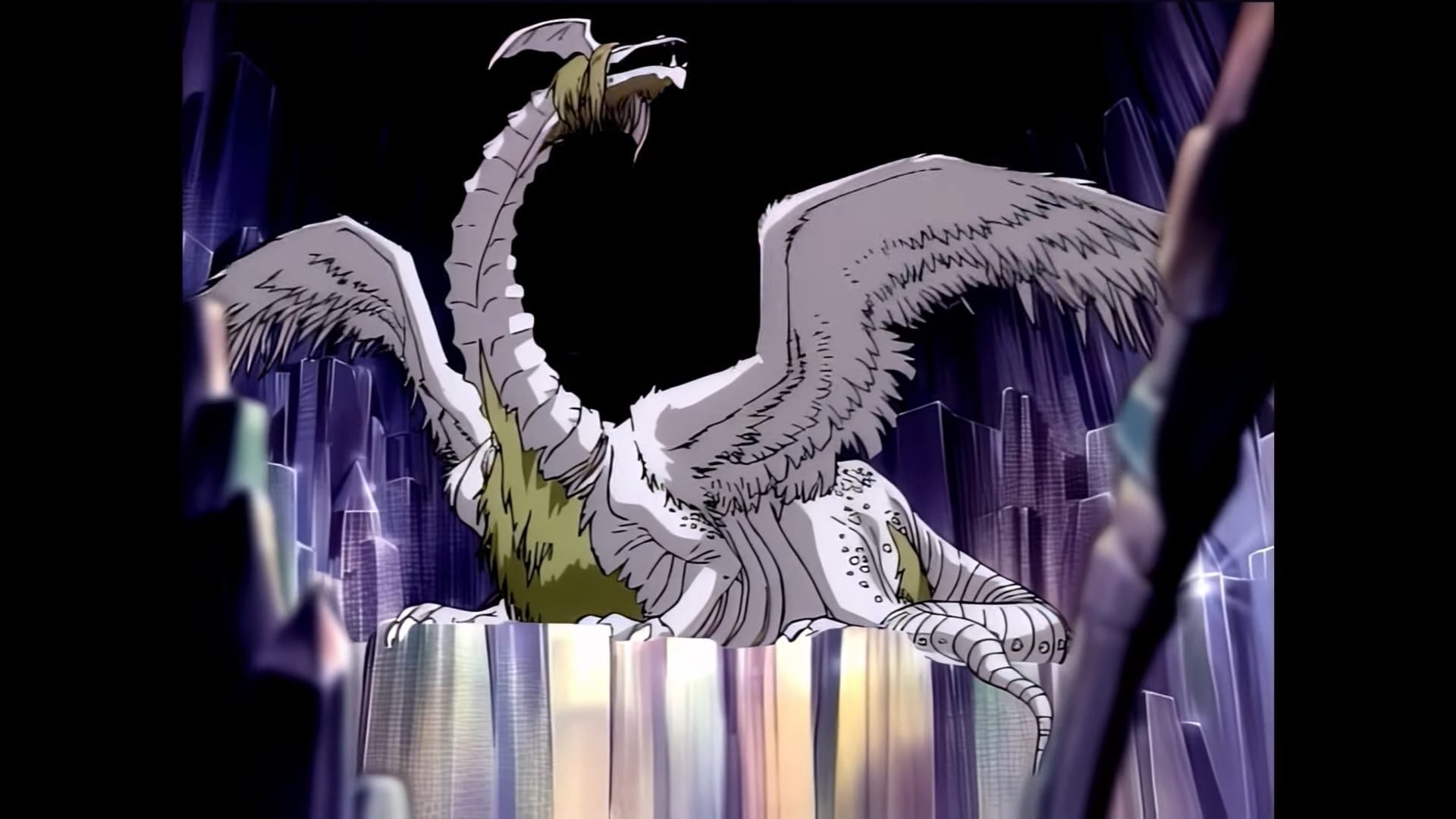
Kubooka returned for Silver Star Story as character designer and storyboarder. This time he was accompanied by talent from the anime studio GONZO, first founded as Gonzo Inc. by former Gainax staff. Among them was Takeshi Honda, an exceptionally talented animator who would lead Hayao Miyazaki’s film The Boy and the Heron to the finish line nearly 30 years later in 2023. The involvement of animators like Honda made the impossible possible, allowing a brief sequence from a humble 1995 Saturn RPG to bear comparison to luxurious Disney animation.
In a 2025 Gematsu interview to commemorate Silver Star Story’s remastered release, Kubooka discussed the technical execution behind Luna’s musical number. “In the scene where Luna sings on the ship,” he said, “the camera rotates around her, which is something 3D handles well.” But “character animation was still difficult to do in 3D at the time, so we used 2D animation instead.” This is no small task. Keeping 2D animation consistent with 3D rotation requires skill and careful supervision. Just one mistake might have ruined the scene. But “thanks to the incredible skills of animator…Honda,” Kubooka said, “the scenes ended up being both precise and expressive.”
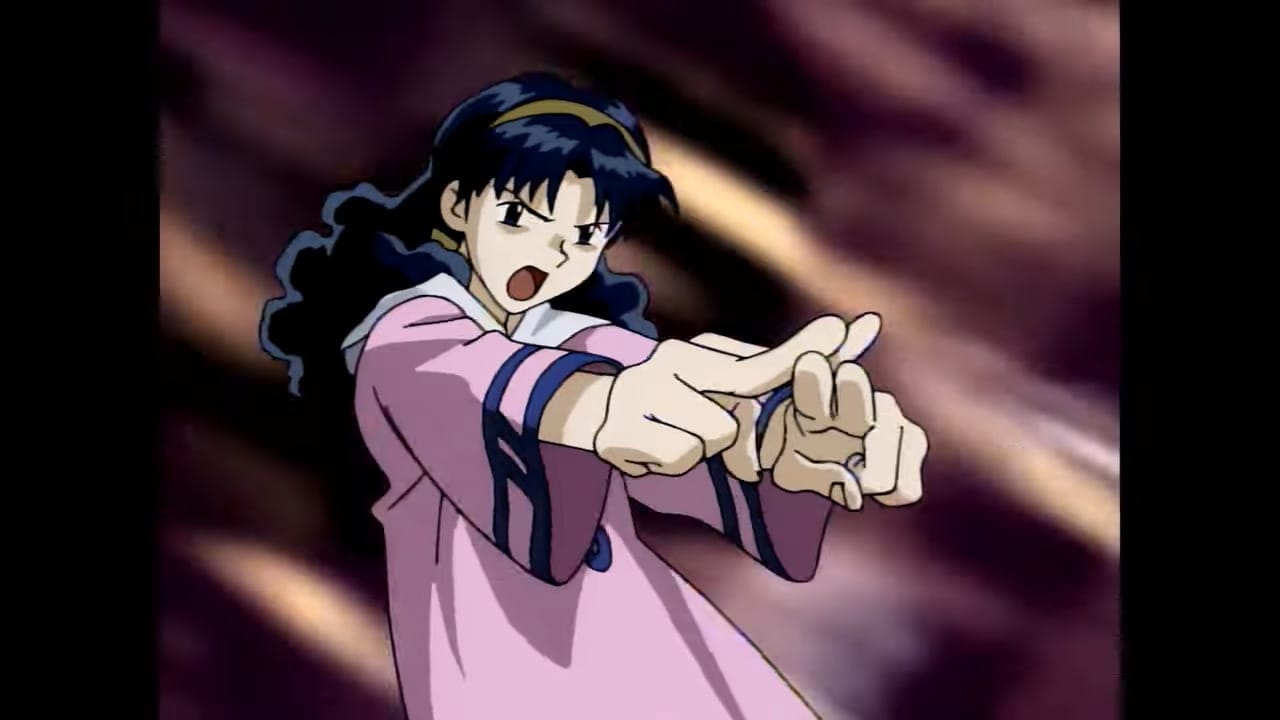
Luna’s performance on the ship is arguably the centerpiece of the game, and one of Kubooka’s own favorite scenes together with “the opening scene…and the battle between Vane and the Grindery…” While the systems of Silver Star Story are much simpler than those in later RPGs like Final Fantasy VII and Grandia, its visual storytelling is just as forward-thinking as those later games. Lunar’s developers wanted their game to be an anime you could play, and so they worked hard to make sure the game’s animated sequences were the best they could be.
As Japanese RPGs became increasingly niche, developers prioritized text and image over animation. Many games made today forsake blocking of “actors” in cutscenes in favor of full-body portraits. Others animate key story moments, but without the consistent direction and skill that gave Lunar: Silver Star Story its punch. Check out the difference between cutscenes in Persona 3 and its remake Reload for reference; the former looks cheaper but has stronger direction thanks to Yukio Takatsu. That’s rare to find these days. What you see instead are sequences that might look polished on the surface but lack a defined identity. They are included because games of a certain type are supposed to have cutscenes that look like that.
Lunar was made at a time when there were no such expectations. Its developers asked: “what can you do in animation that you cannot do in a game?” Not everybody would have landed on the solution, “give the heroine a musical number on a ship.” But that’s the kind of thinking that ensures Lunar: Silver Star Story still shines today, when many of its fellow RPGs have long since vanished into the night.