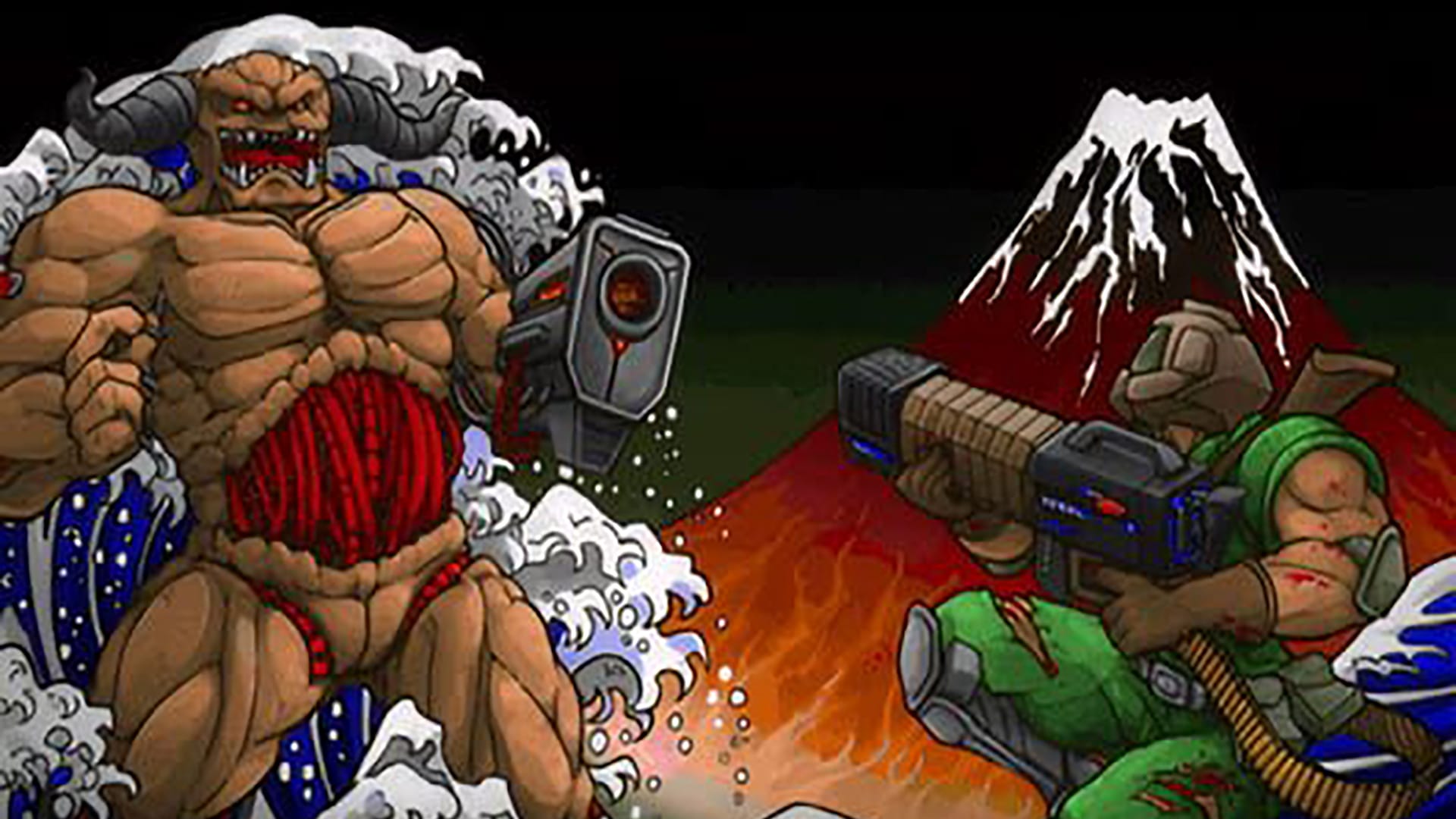
Doom’s appeal is simple. Pick up a gun, blast away monsters, then hunt down secrets en route to the level’s exit. That’s one reason why the game was so successful on its 1993 release. Another reason, which was just as important, was the game’s adaptability. Thanks to Doom’s WAD architecture, anybody could mod the game and transform it into whatever they pleased. That’s why, over thirty years after its release, dedicated fans are still making all kinds of cool games with the engine: liminal horror, yuri, and even platformers.
This includes fans abroad, who maintain their own distinct and influential communities. Players still argue to this day about the Russian group project A.L.T., which reimagines Doom as the scrambled memory of a man who died in an accident. The team behind the French project Necromantic Thirst, meanwhile, overcame more than fifteen years of development hell to win a coveted Cacoward in 2024. These amateur developers all did their part to keep the demon fed with radical new ideas.
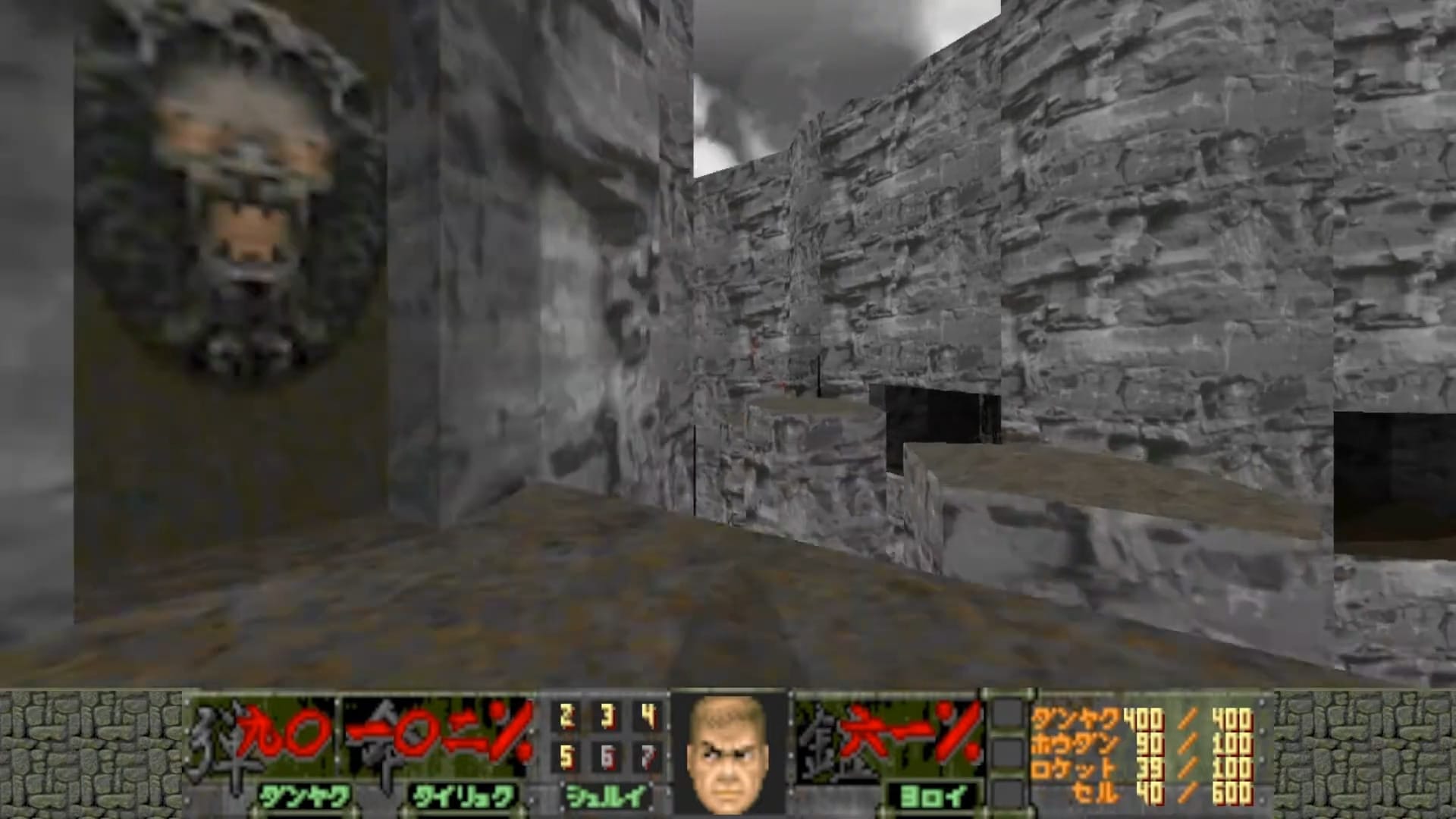
The Japanese community is no different. Sure, it is small. While first person shooters have built a dedicated following in Japan over the years, the genre is still niche compared with competitors like open-world action adventure games. Doom and its sequel, Doom II, were PC games released in the 1990s, which made them a niche within a niche. The modding community for these titles in Japan was similarly a niche within a niche within a niche. But they did not give up.
“It was a serious problem that there are very few skilled mappers in Japan,” said Tatsuya Ito, a speedrunner who went by the name Tatsurd-Cacocaco in English and カコカコデーモン (Cacocacodemon) in Japanese. Ito figured that this was a problem he could fix. As a prominent streamer who held records in multiple Doom maps as well as in fan-made wads like Alien Vendetta, Ito figured that he had enough name recognition to entice other Doom fans to try out making their own maps. So he “started a project with low-threshold rule for inexperience mappers or beginners.” Twelve other people signed up, and the Japanese Community Project was born. (The above quotes are taken from the project’s readme.)
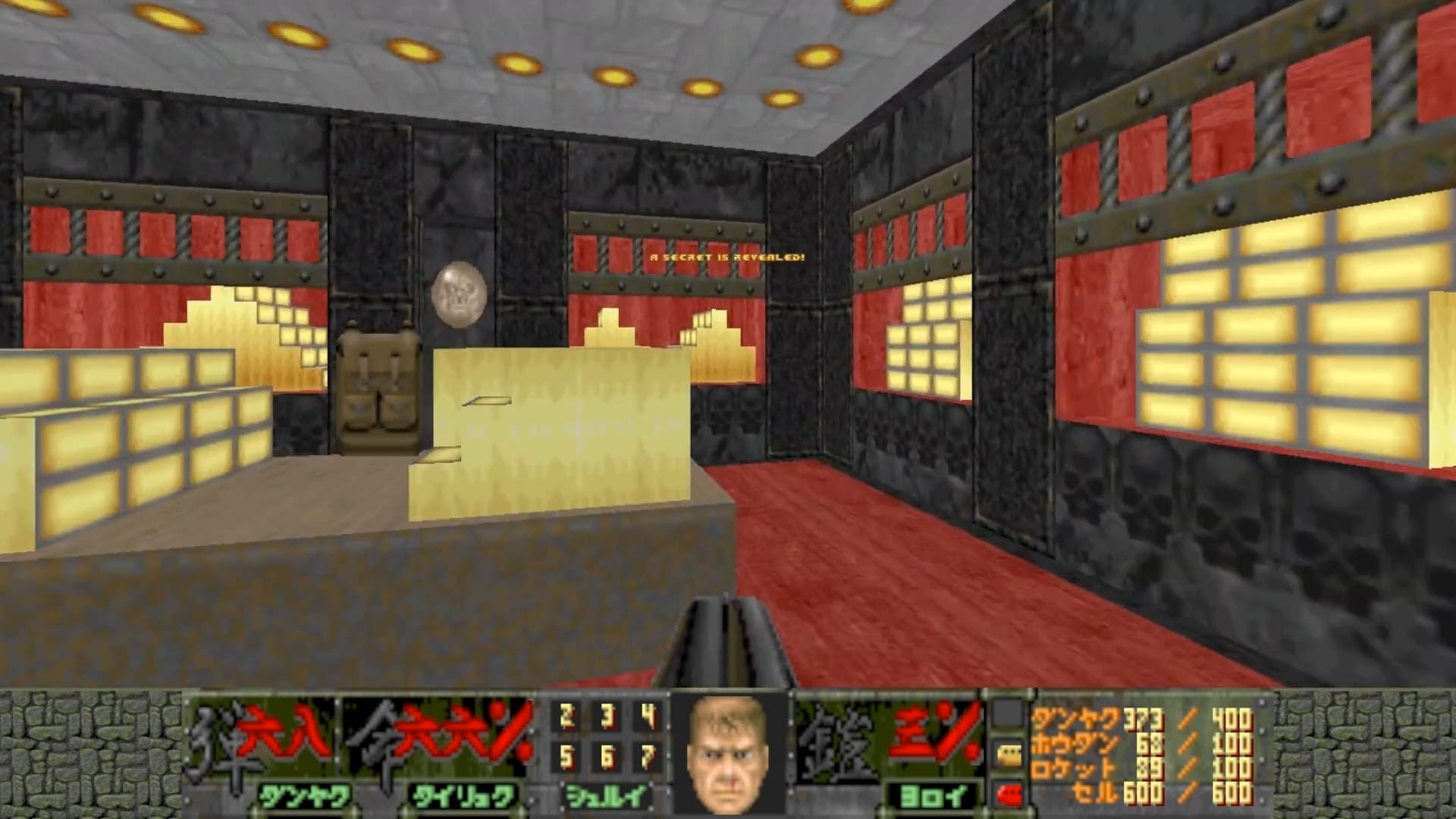
Japanese Community Project (hereby abbreviated JPCP) embodies a Doom tradition as old as time: the aforementioned community project. Each representative submits their own maps, while the project lead stitches them together and posts them on an online forum. These projects are not necessarily consistent; The anthology approach usually results in a few maps that don’t fit in with the rest, especially when new mappers are involved. Yet many of the most beloved maps to come out of the Doom community–Alien Vendetta’s “Misri Halek,” Community Chest 2’s “The Mucus Flow”–hail from community projects. They also remain one of the best methods of training new mappers, as can be seen in the ongoing RAMP series.
JPCP embodies this stereotype in both positive and negative ways. It’s a grab bag of influences, with developers shouting out the 1997 shooter Blood (Masayan), the oldschool megawad 2002 A Doom Odyssey (Namsan), and even Buddhism (says Nanka Kurashiki, “here you can feel your worldly passions.”) Some levels are cavernous neon hellscapes. Others are strangely realistic, like Toooooasty’s secret map “Blood Fund Gang” which simulates a bank robbery. One level even starts with the player character waking up in a bed. (Says Namsan, “and yes, I love beds. I love huge beds.”) Not every one of these experiments works, but most at least are individual, speaking to a specific person’s passions.
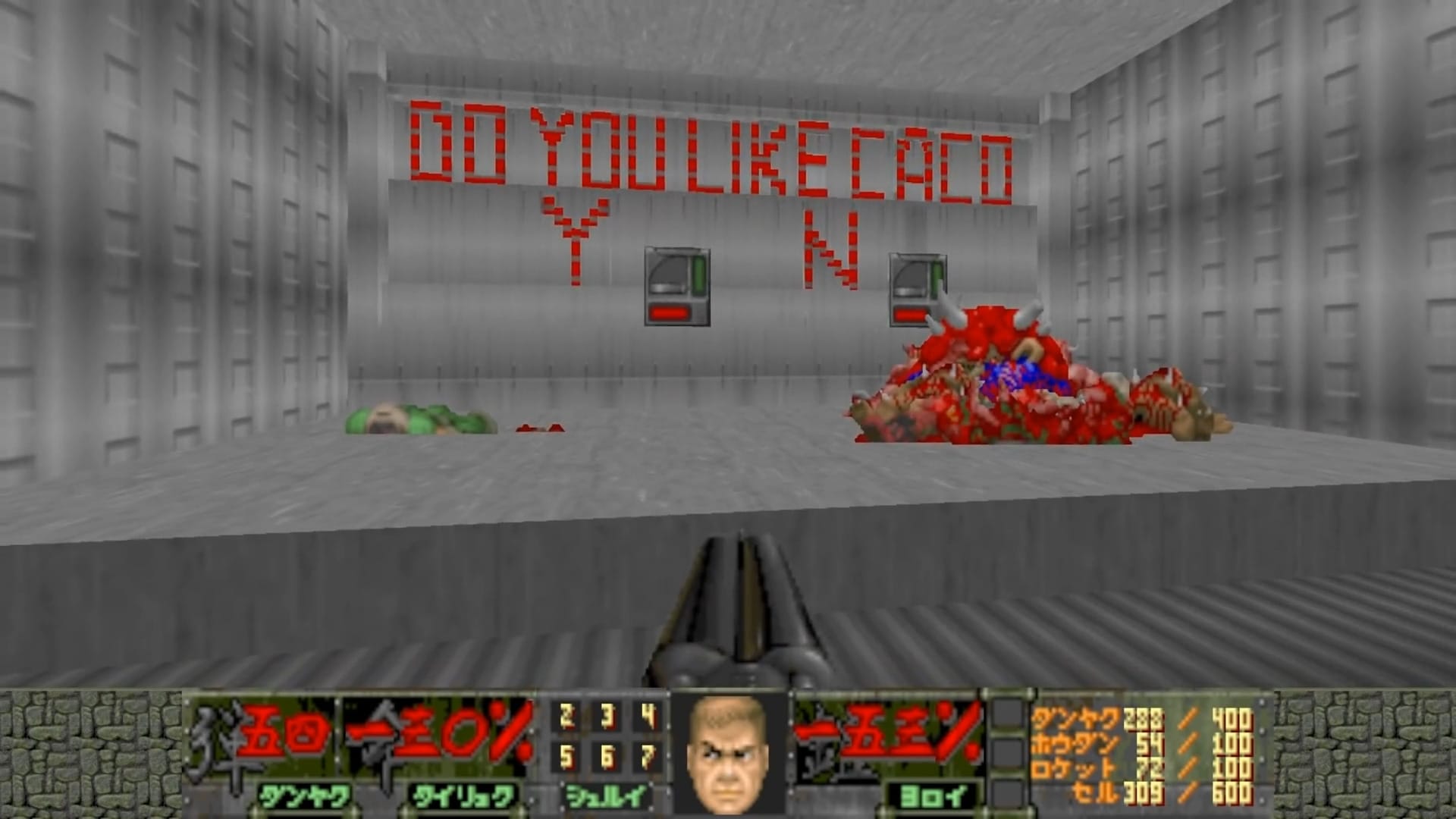
In the process, JPCP pulls some tricks that up to that point had never been seen in a Doom wad. Toooooasty’s “54-pit” prominently features a comic strip in its automap, depicting the game’s protagonist as he stumbles across a room of revenants growing in vats. (“What the ... creepy bone,” he says.) Later, in Nanka Kurashiki’s level “My fav,” the player must answer the question: “Do you like caco?” Should the player slander the humble cacodemon, they are crushed to death.
These two developers are for me the most memorable from the wad. Toooooasty builds huge worlds of clashing textures, from the sprawling wooden caverns of “Woodexial” to the headache-inducing nightmare that is “hazmat hazama.” Nanka Kurashiki on the other hand can do just about anything; “Remind” is just as frightening as “My fav” is charming. (She also draws Doom fanart.)
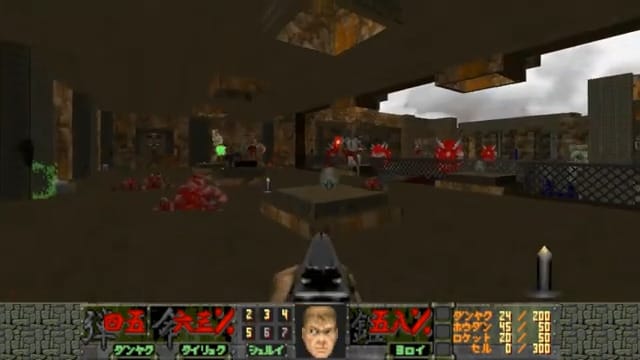
Toooooasty and Nanka Kurashiki though are not the only mappers worth mentioning from JPCP. burabojunior for instance contributed an amazing nine maps, the most of any contributor to the wad. His solid, gunplay-first levels glue the experience together. Masayan contributed a handful of music tracks to the project; while most of the soundtrack is made of rips, which is common for Doom wads, Masayan’s title song still makes an immediate impression. Then there’s Tatsurd-Cacocaco, of course, who “supported map's detail and port compatibility” to make sure that the project could cross the finish line.
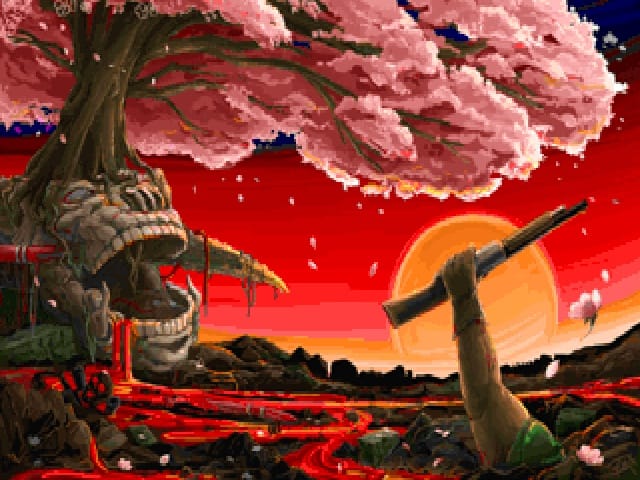
JPCP was hailed on its release as a classic, winning a 2016 Cacoaward. (That year was no slouch, with wads like Ancient Aliens, Bloodstain and Strange Aeons vying for the prize.) Toooooasty’s “hazmat hazama” scored 69th place (nice) in Doomworld’s Top 100 Memorable Maps feature. The full wad has remained popular since then, too, earning a month-long spotlight by the DWmegawad club as well as a positive review from YouTube channel Dean of Doom. There's even a themed weaponset in the mod FINAL DOOMER that lets you play through JPCP with a katana instead of a chainsaw.
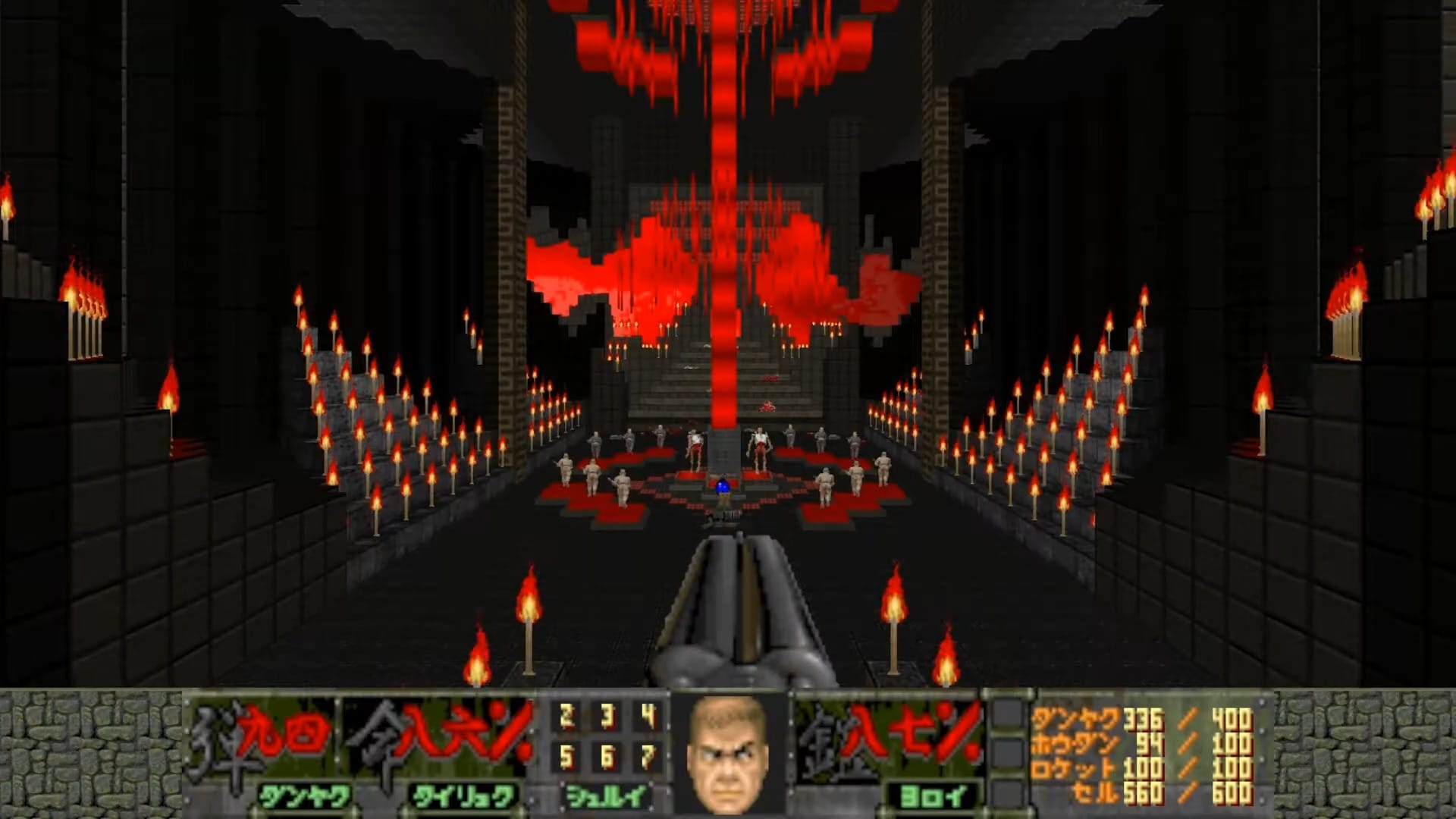
Some of its developers kept contributing to the Doom modding scene in the following years. Nanka Kurashiki contributed one of the best maps, “A Partner of the 49th Day,” to the 2019 community project NOVA III. Burabojunior uploaded his map set Water Spirit to the internet in 2017, which he previously teased in the JPCP readme. Toooooasty contributed graphics to TerminusEst13’s golf-themed mod Hellshots Golf, which in retrospect was a very Toooooasty move.
Tatsurd-Cacocaco continues to stream Doom to this day, though more often now on YouTube than his original home of Nico Nico Douga. Did he succeed in jump-starting Doom’s mod scene in Japan? It’s hard to say. Aside from UTAKATA, a new and promising Doom wad that launched on June 27th this year, there hasn’t been another big project like JPCP in the years since. A sequel was teased in 2022 but has yet to come to fruition. Meanwhile, the Doom community continues to splinter across forums and Discord channels, making it that much harder to follow their tracks.
Doom itself, though, has persisted in Japan. Vtuber Inugami Korone’s streams of Doom 2016 became so popular that id Software snuck a “DOOG” easter egg into its sequel Doom Eternal. The wacky action-horror anime series Dorohedoro made its third ending sequence a Doom tribute, depicting series villain En wandering a labyrinth in first person while transforming his enemies into mushrooms.
These aren’t the result of marketing by series developer id Software. These are grassroots efforts by fans smuggling their love of obliterating demons into a commercial context. There’s nothing more Doom-like than that. The series has survived over three decades thanks to the efforts of organized, creative fans. It’ll likely last another three decades at least, which leaves plenty of time for the next JPCP or whatever comes next. After all, we all love caco, right?