A second chance at life can make a real difference. It can save people, and doesn’t always need a supernatural influence of someone is willing to give you that chance. But sometimes the two will mix, and belief can be the difference that pushes you on a journey towards a new self.
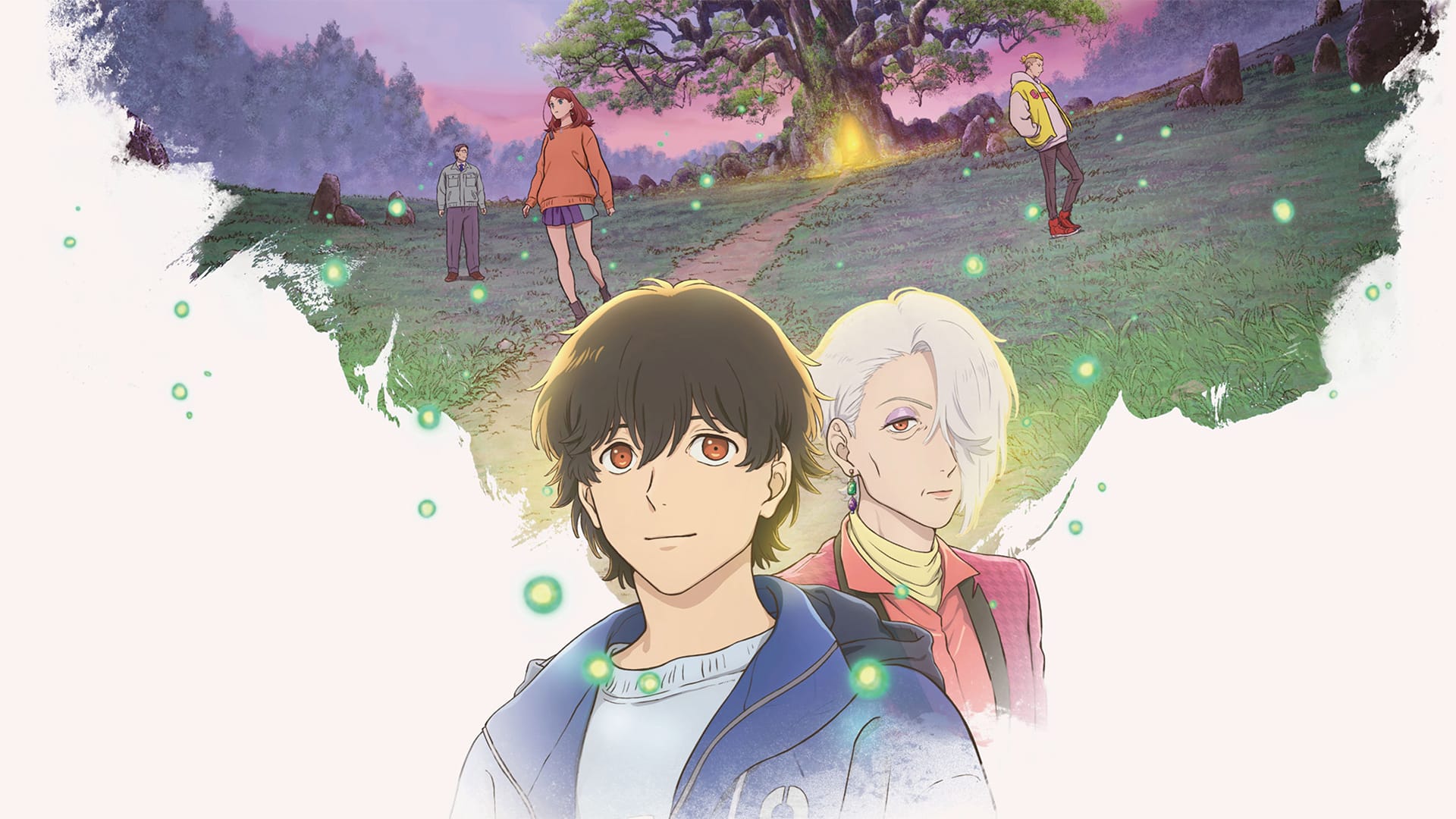
The Keeper of the Camphor Tree is based on the award-winning novel of the same name, with a story quite literal to its title. Reito is the sort of person left behind in society by circumstances out of their control, left in a hole with no choice but to act in ways that will inevitably leave them worse-off. An absent father and a mother who died during childhood, he was raised in an orphanage without much support around him that left him in seedier company after reaching adulthood, also. His work was at a cabaret bar with host and hostess friends on the shadier side of that business, and even attempts to live a more normal life were often ruined by unscrupulous bosses.
It’s after losing his job that his host friends say they’ll help him steal money from his old company’s safe, only for them to leave him behind when police show up. Arrested and potentially facing time in jail, he’s bailed out by an aunt he never knew he had named Chifune, who also happens to be a highly wealthy and successful businesswoman. She wants to take him in, if he can become the keeper of a mysterious camphor tree believed to grant wishes to those who believe in it, and join her in the high-class world of business.
While getting to know how this world works and reluctantly taking on the responsibility of the tree - it’s either that or returning to jail, after all - he wants to learn more about what the powers of this tree are and whether it’s truly special or merely delusion, which comes out in a growing friendship with Yumi, the daughter of one of the people visiting the tree curious about why he comes here and his erratic behavior. Underneath that belies its own mystery about her family’s past and her own mother’s ailment that all links back to this tree.
This isn’t a thrilling film, focusing more on a supernaturally-inclined drama, though this character embodies the message the film wishes to share about what belief can bring to people. In the end, with belief in yourself and from others, a chance to solve the past and move forwards to change the future can open up. Circumstances don’t always dictate where you ended up and you might not be able to help your situation, and a little support to make that change to a brighter future can go a long way.
This is defined by Reito’s character, a man who has fallen on hardship from a bad hand that he’s dealt. Rather than making this a story of redemption for past mistakes, this is a film recognizing that there is a humanity in his core that did try and help and reach a hand even when his own deck was stacked against him. Moving into this caretaker role and gaining the chance to actually make a difference isn’t changing him, simply correcting from circumstances beyond his control and paying back that kindness.
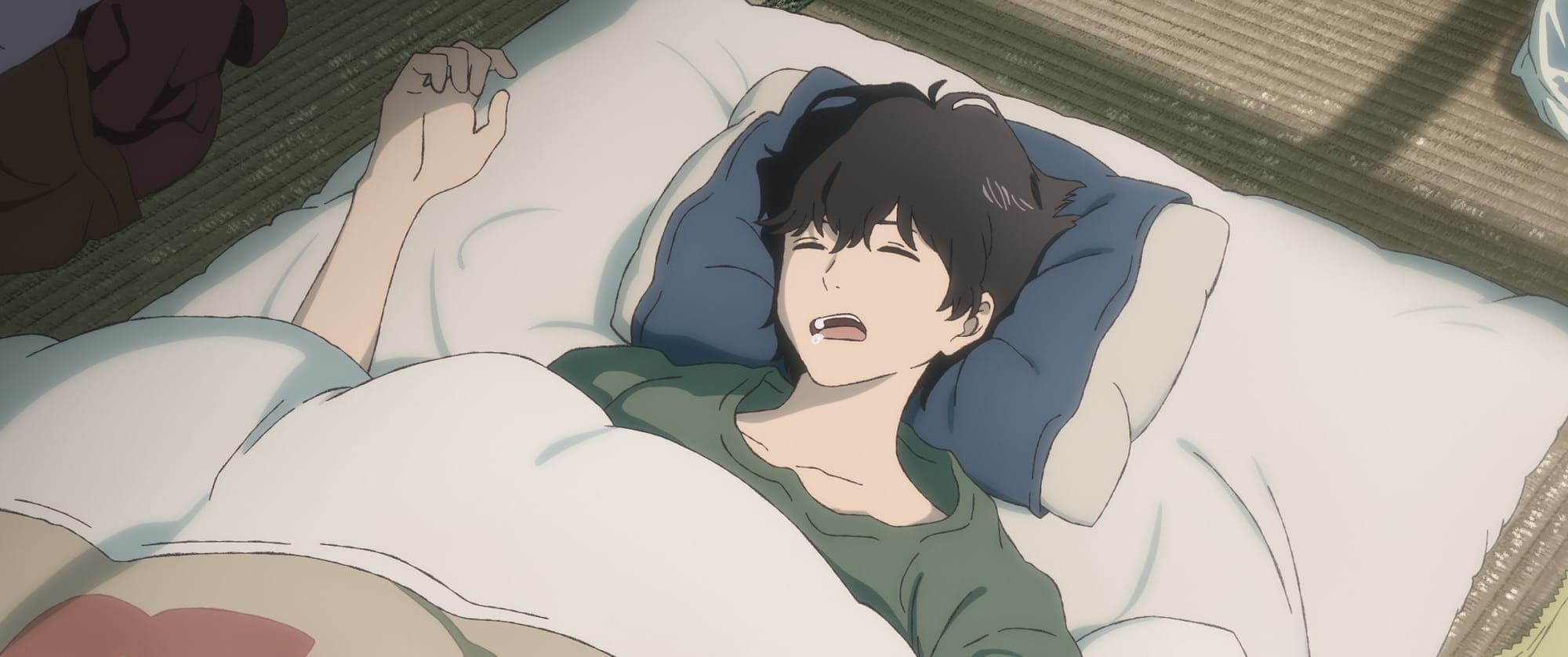
Ultimately, though, while the supernatural aspects of the story attempt to build intrigue in this second chance granted through a sense of mystery, it just contributes to an unrelatable story that stretches the concept to breaking point. Realism isn’t important in any story, but relatability is, and when the infinitesimally small chance of the ultimate low point of going to jail and being bailed out by a rich aunt who propels you to the high-class business world is mixed with this spirituality and the question of faith through a job no typical person is likely to encounter, it’s hard not to feel detached from any change that occurs to Reito over the course of the next almost-two hours.
It’s not helped when his new relationships in this world of CEOs and high class life go a bit more smoothly than you would expect. Chifune, his new aunt, has to deal with a misogynistic world that plays like caricature rather than representative, and yet the ways in which she teaches her new relative to adapt to this world only reinforces this. Aside from some sticker shock over his aunt’s willingness to spend on fancy suits he seems to adapt to the clashing worlds of shrine keeper and business with ease, and despite the idea that one keeps the other grounded being enforced in the text, the way the story keeps these worlds so separate makes Reito feel like two separate characters in these scenes.
Indeed, the mystery of the camphor tree and bond with Yumi feel like they come from a separate film, one that’s arguably more interesting but not explored in enough depth to feel ultimately satisfying.
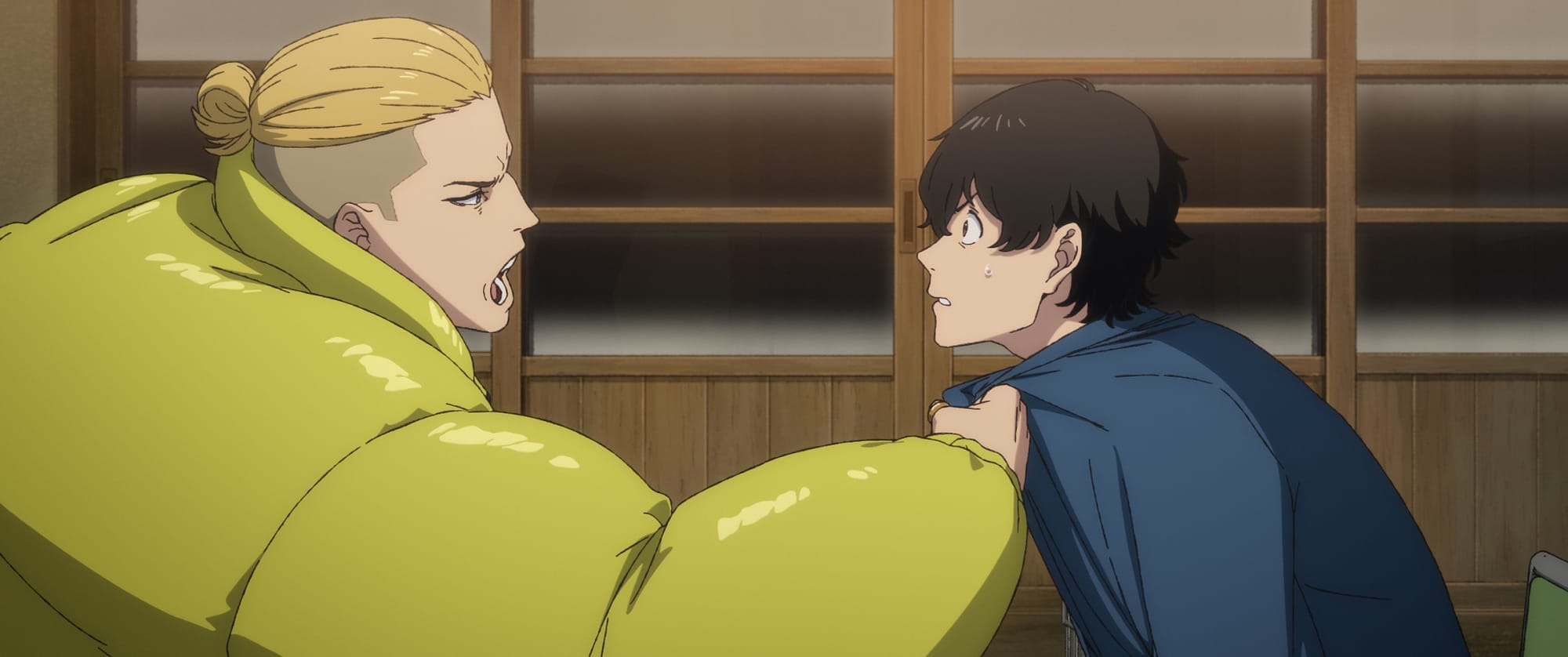
Which is all such a shame when there is potential in what story is being told, if only it didn’t feel like key aspects were cut to fit this new medium to the detriment of the story being told. Its director, Tomohiko Ito, worked on Sword Art Online and Silver Spoon before directing the well-received Hello World, while its writer Taku Kishimoto is also well-established and a regular collaborator. The film represents its spiritual and dream-like sequences through an almost-watercolor aesthetic that remains the film’s visual peak and provides texture to the film and the idea that this tree has an importance beyond any real or imagined powers it possesses. It’s just also a story that never builds on these interesting ideas or metaphors or animation quirks for something that feels satisfying or earned when it reaches its inevitable emotional payoff towards its conclusion.
There’s some bizarre decisions made and issues in pacing, also - for as good as its insert rap song is, it feels so incongruent to the story that I’m honestly baffled by its conclusion - but its ultimate issue is that for a story of second chances, it feels like a story of fortune out of reach for many that’s then placed on a tree that whose presence feels at odds with the rest of the story being told. The result is inconsistent and disappointing, if not entirely without merit.
Keeper of the Camphor Tree has its heart in the right place. When you have more anime movies and incredible Japanese cinema than ever being produced on a regular basis, however, something that has the right intent isn’t necessarily enough to carry a story or be worth recommending to most audiences. These three characters have an impact on each other by believing they can be something more than they are, which is a nice idea. But that’s all.