Elevated on great white trunk legs, angular and rigid above the city stands a museum of its history. For four years, the museum had been silent, accepting no visitors while its vast internals were slowly re-assembled, re-examined, and re-arranged. Now, the museum has opened its doors to the world once again. How do you tell the story of a city? The Edo-Tokyo museum answers: you must step into the streets and structures of its past.
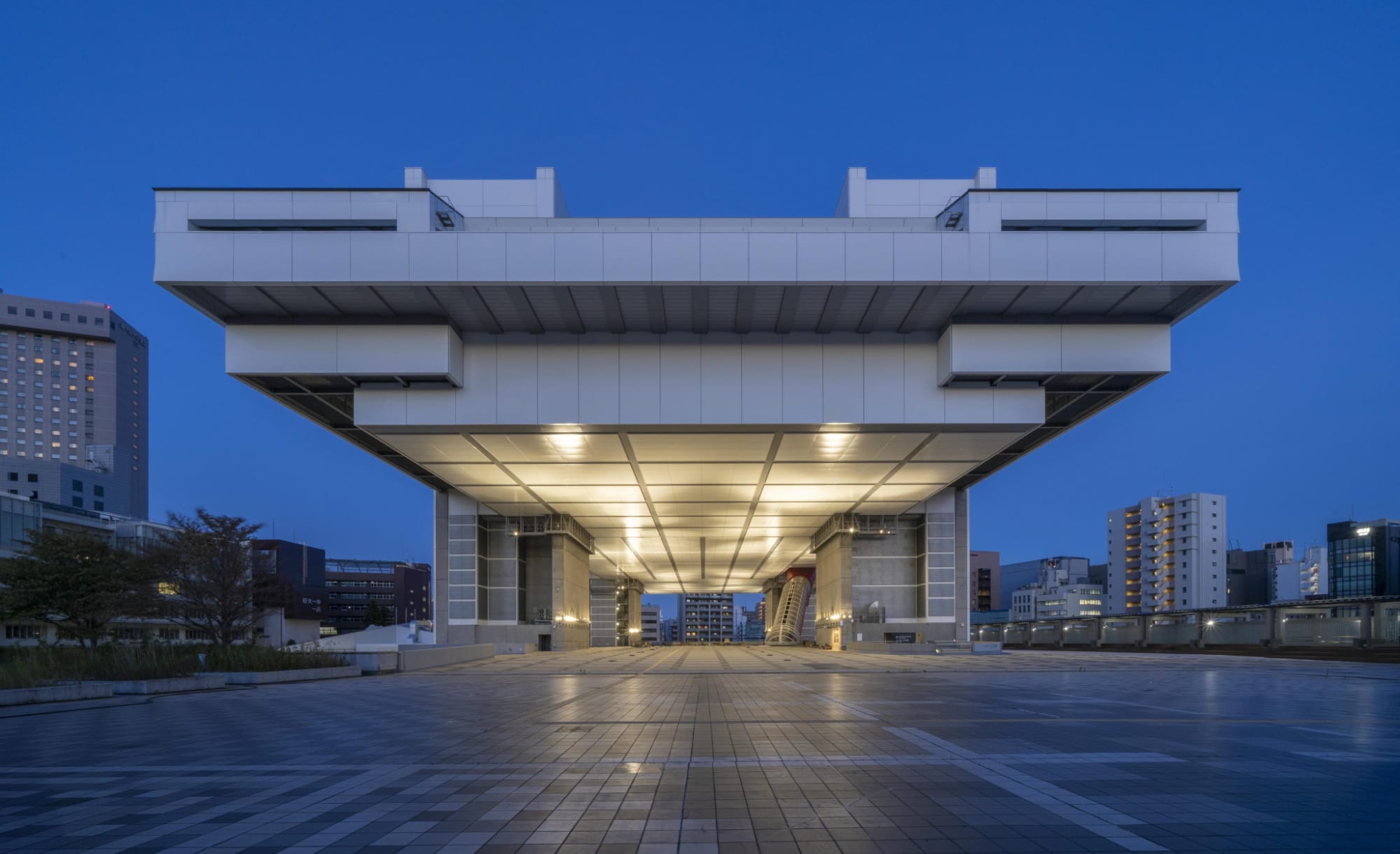
Located in Sumida-ku, the building is designed to resemble a traditional rice warehouse on stilts, its sloping surfaces and turret-like protrusions recalling— as a friend of mine remarked— a massive white alligator. The museum was first opened in 1993, and was designed by metabolist architect Kiyonori Kikutake. After circling the grand structure’s perimeter, guests can buy tickets from machines before being ferried above the city by an elevator ascending one of the four grand pillars of the museum.
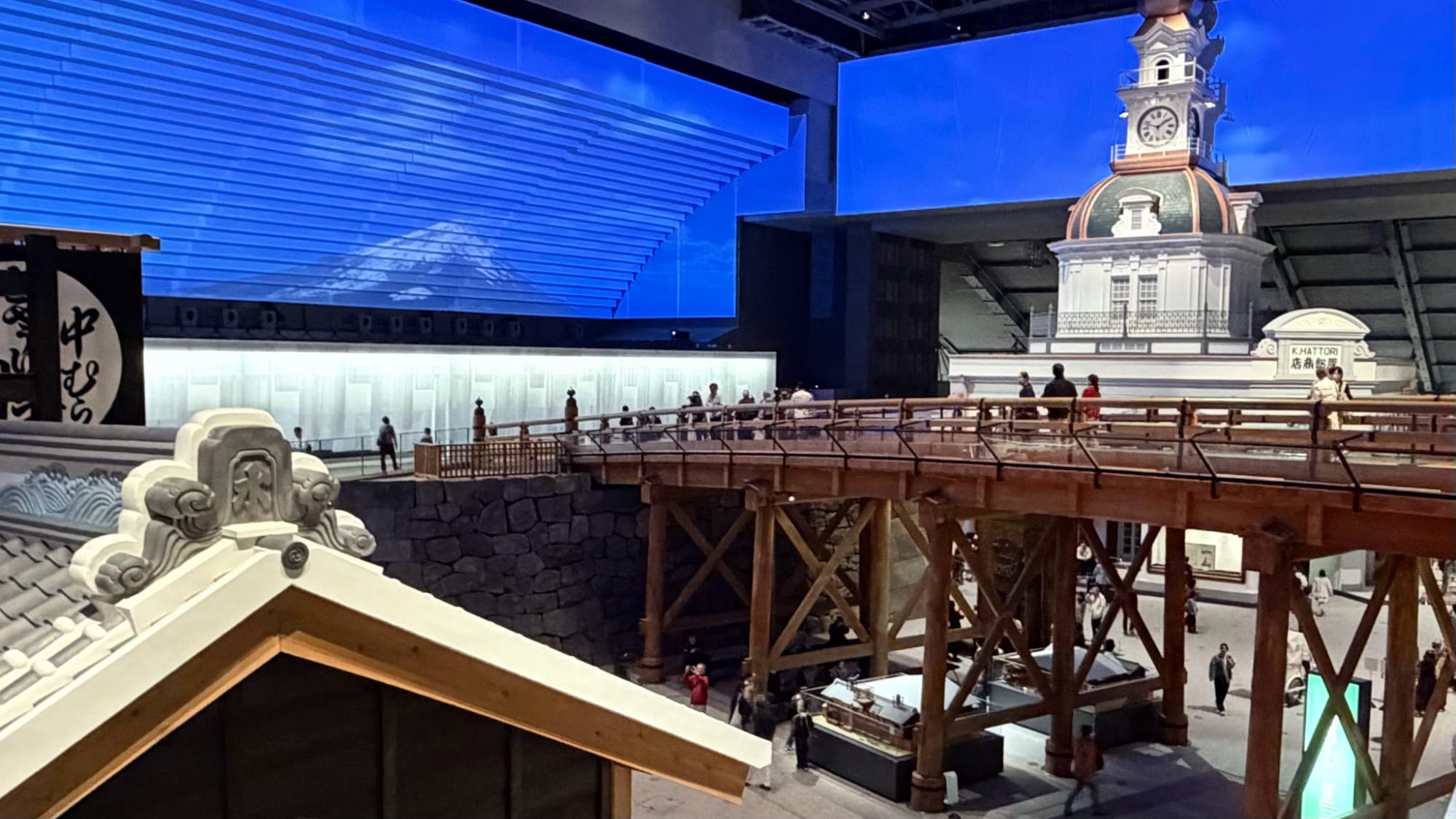
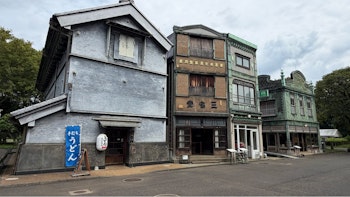
When the elevator doors open, however, there is no skyline to be seen. Instead, the tableau is that of a spacious industrial warehouse, packed anachronistically with a townscape of Edo and Meiji period buildings. A recreation of Nihombashi bridge cuts diagonal across the gulf with frantic wooden struts, arcing from the entrance towards a wall of fog-like silk Noren curtains that conceal the first exhibition.
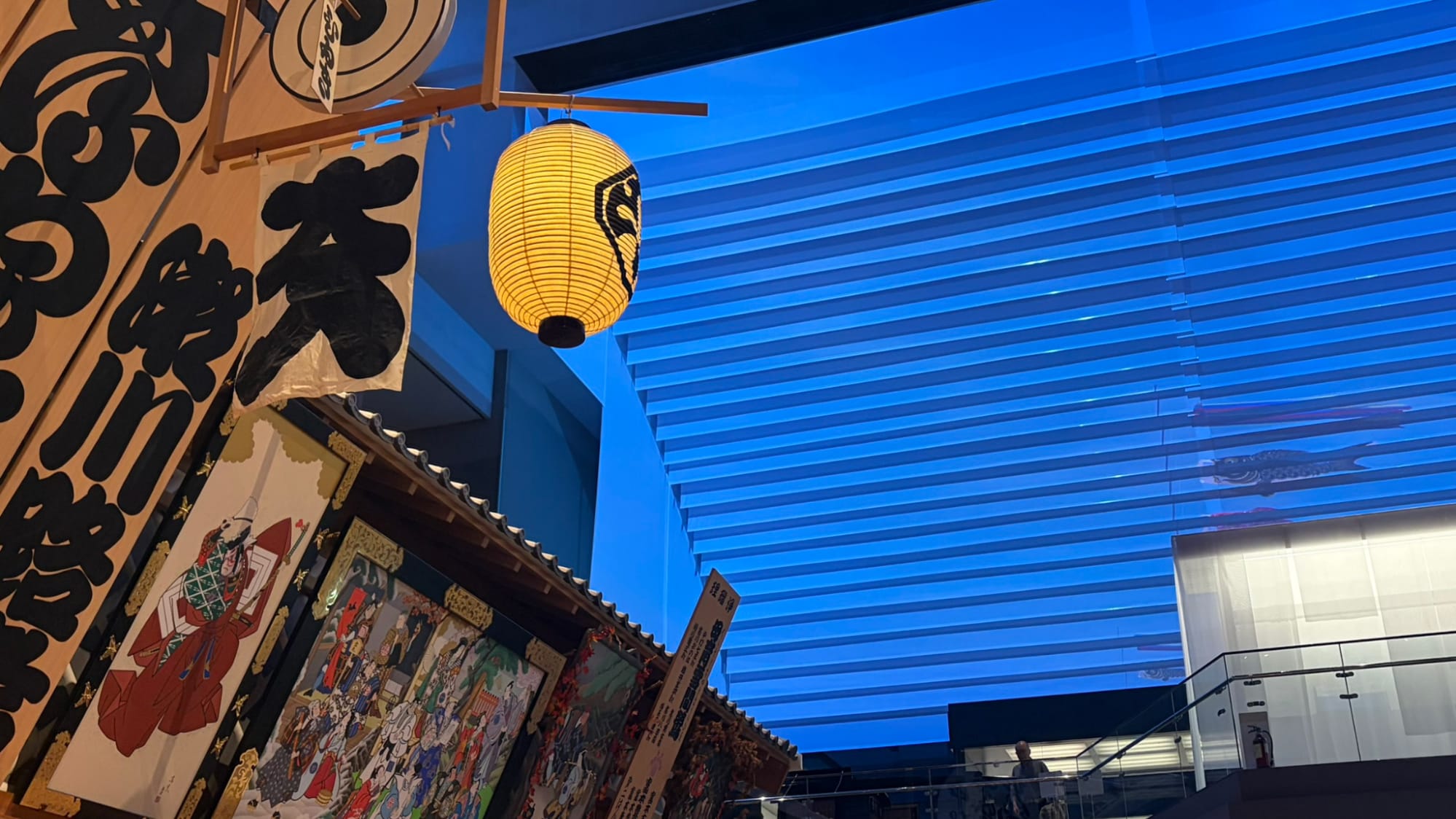
Straddling each flank of the bridge are reconstructed townscapes of the Edo period (1603-1868) and Tokyo at the dawn of the Meiji Restoration (1868). The elegant copper clock tower of the K. Hattori clock store is thrown into pointed relief against massive projections of blue and sunset skies across the space’s ceiling, the screens cycling slowly between day and night.
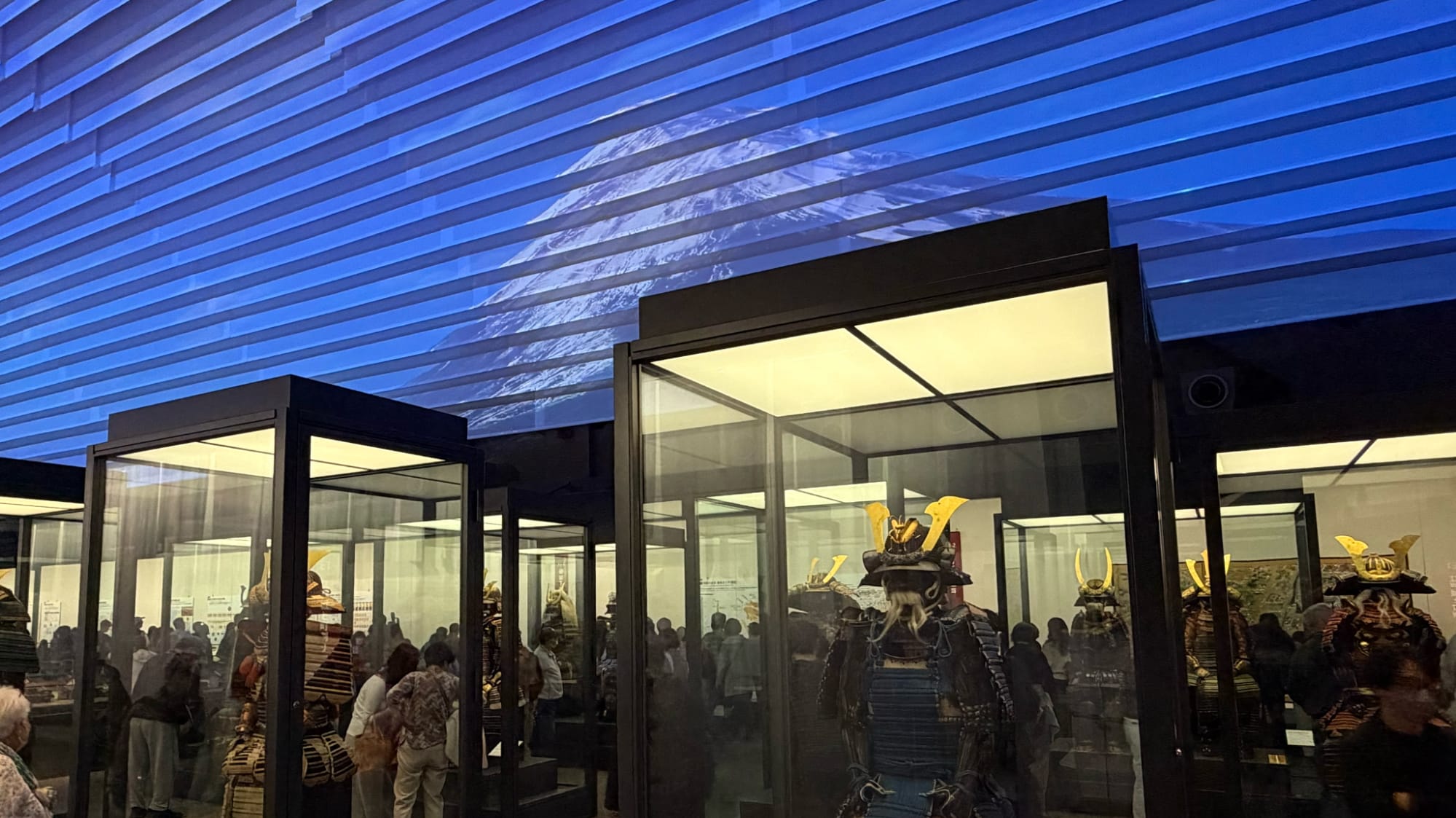
The museum charts the transformation of a small fishing village named Edo into a sprawling metropolis at the hands of Shogun Tokugawa Ieyasu and his line of successors from the 17th century onwards. The first room tells this story through meticulous dioramas, long illustrated panels flattening townscapes into obfuscation and vignette, golden-horned rows of priceless samurai armour enthroned within glass-and-steel tanks among other objects illustrating the splendor and craftsmanship of the era.
Visitors then descend to the main floor of the museum, wandering through a maze of displays and wooden buildings depicting everyday life for the townspeople of Edo. If Verticality is one obsession of the museum’s design, Weight is another: each room has an interactive display allowing visitors to embody the physical heft of the items behind glass.
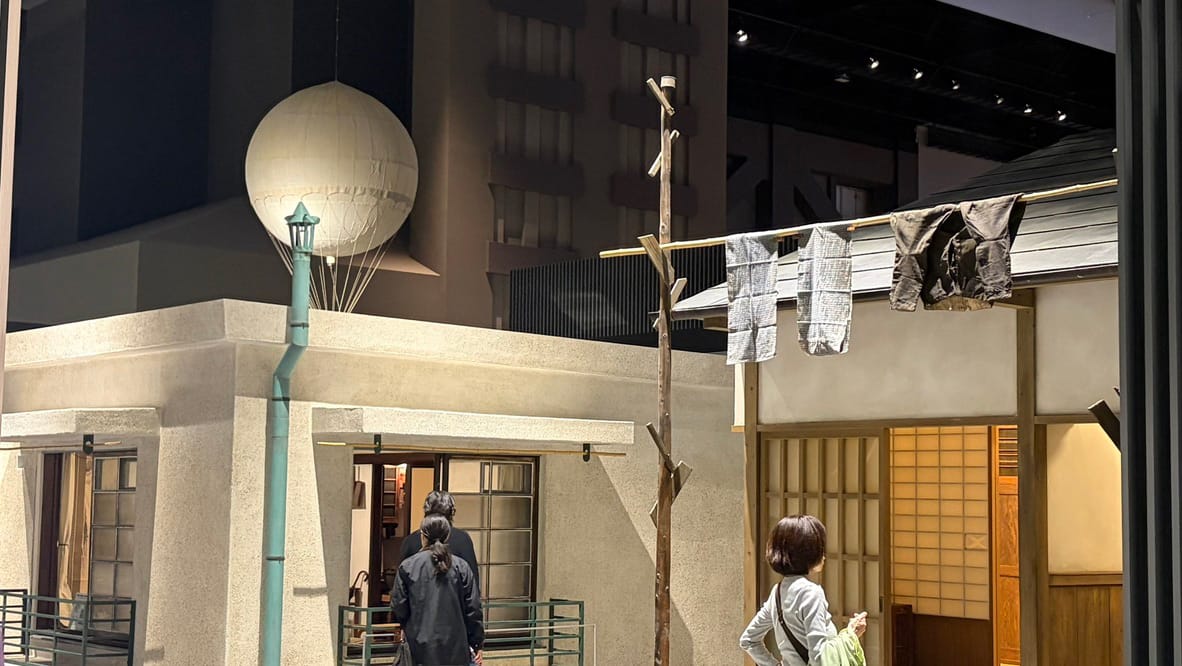
Passing under the bridge, visitors enter Tokyo at the dawn of the Meiji period, a time of rapid westernization and industrialization for the nation. This half of the museum is dedicated to the intense pace of change over the 20th century, going from highs of optimism during the imperial era to the sequential levelling blows of the great Kanto earthquake, economic depression and firebombing campaigns during the first half of the century, followed by the incredible economic rebound and technological advancements that transformed city life in the century’s second half. The exhibition ends with a case displaying objects from the 2010s, including an iPhone 4 and 3DS, as well as objects from the coronavirus era. I have to admit that it felt a little funny to realise that objects present in my own life are now being collected in museums.
The Edo-Tokyo museum is one of the best museums in Tokyo, telling the story of the city through an engaging combination of exhibits, diorama, and immersive environments. It doesn’t matter how much you know about the city’s history going in – you’ll be left with a deep impression of its story by the time you exit, stepping back into the Tokyo of today.