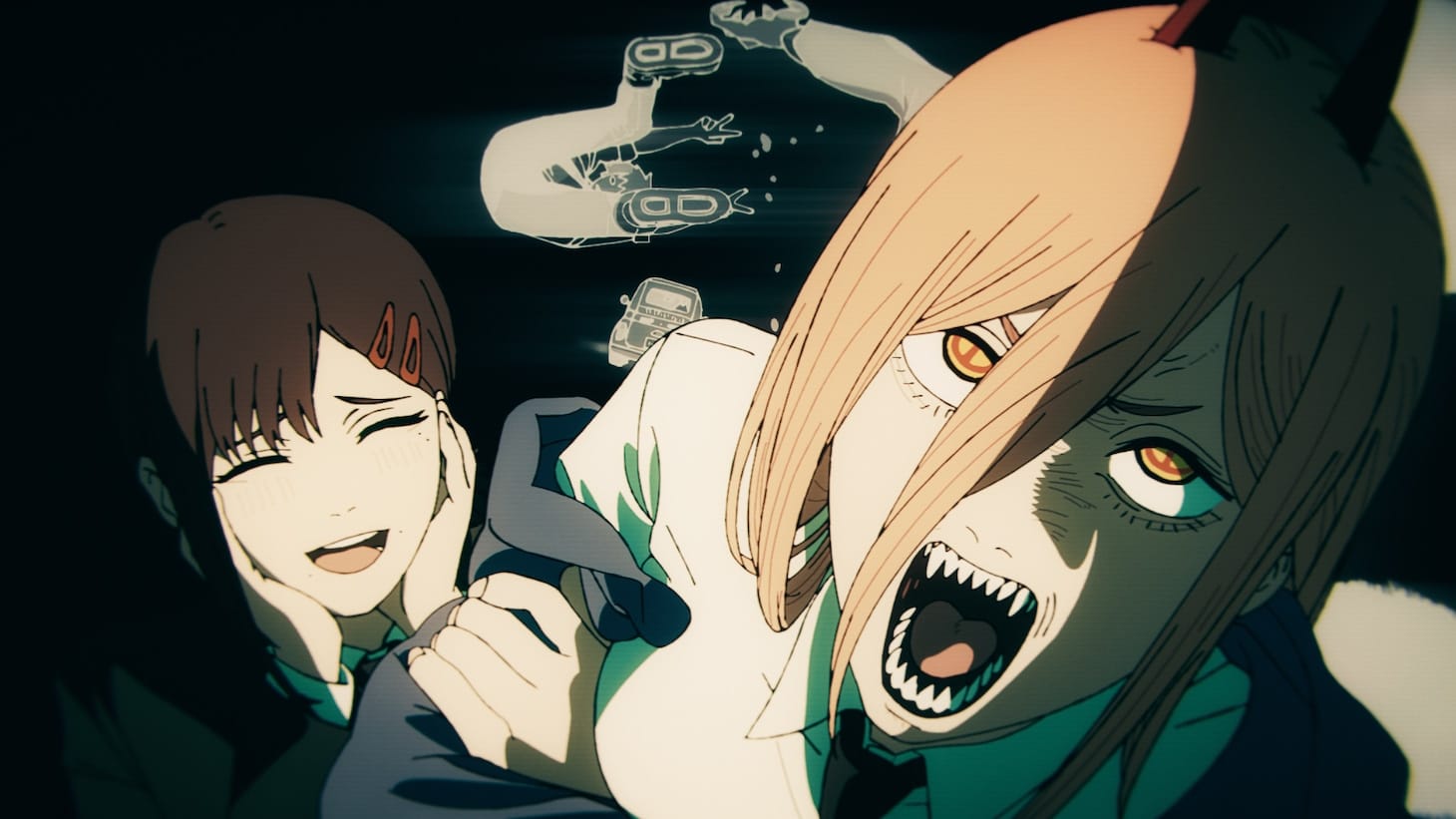
On June 19, Studio MAPPA revealed the first trailer for the third installment in the Chainsaw Man anime series, covering the Assassins arc from Tatsuki Fujimoto’s original manga. After garnering close to five million views in the space of just 24 hours, it showed that enthusiasm for the series remains as high as ever, four years since the first season aired. Even so, manga readers know that the clock is ticking.
While the first part of Tatsuki Fujimoto’s original series was universally beloved and received many accolades, the reception to part two has been comparatively mixed. Asa definitely has her fair share of fans, both because of her unique personality and her relationship with Denji, but the overwhelming consensus is that one half outshines the other. The abrupt way that the story ended didn’t help matters, either, with the phrase “Because you were fighting with a chainsaw” going down in history as perhaps one of the worst pieces of dialogue ever put to paper.
As a point of comparison, the situation that the broader Chainsaw Man franchise now finds itself in isn’t dissimilar to that of Tokyo Revengers by Ken Wakui. Both have ongoing anime adaptations that have to deal with the fact that the quality of the story is seen to have declined over time from the point of view of fans, leading to a disappointing ending. Is there anything that studios can do in this situation to avoid the coming disaster?
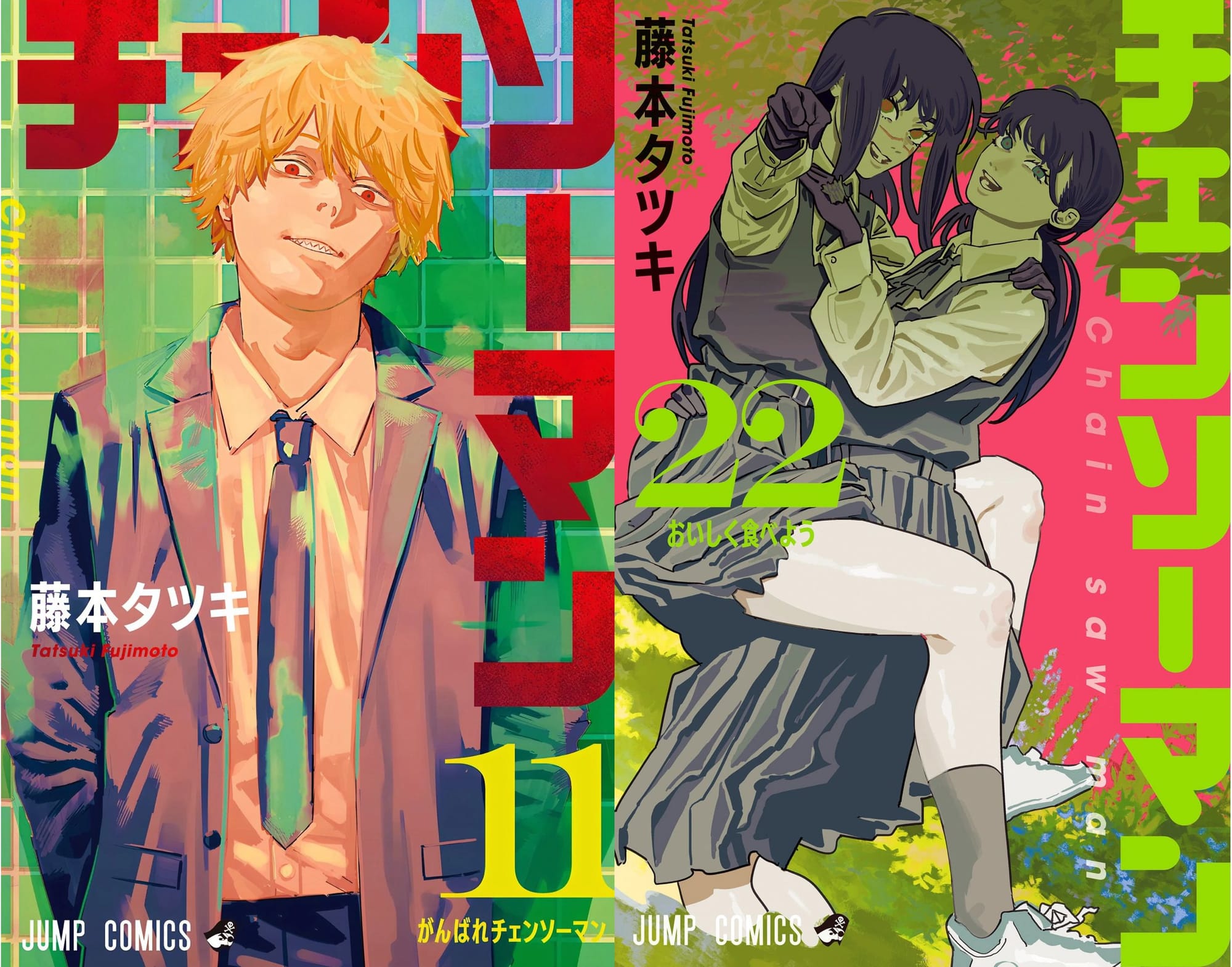
First of all, one of the problems that affected Chainsaw Man part two was pacing. Not only did battles drag on for much longer than expected, conversations that should have been a quick exchange somehow kept going, creating more and more frustration as the series went on. This was due, at least in part, to the series’ production schedule: Tatsuki Fujimoto has drawn less pages less frequently since switching to Jump Plus, meaning that it took three years for part two to publish the same amount of material (eleven volumes) that part one put out in two.
An anime obviously doesn’t have this problem, especially when adapting a finished work. The contents of each episode do have to fit within 24 minutes to fulfil the demands of TV networks, but MAPPA has the liberty to rearrange certain aspects of the narrative to best serve the overall story. Indeed, changes were even made to the Reze arc to help it flow better as a theatrical film, such as extending the final fight and adding an emotional beat during Makima’s date with Denji.
Overcoming the inherent flaws of the story, however, will be a much more difficult task. The fact of the matter is that Asa’s conflict with Yoru never paid off in a meaningful way, Nayuta never got a chance to shine, and the worldbuilding never lived up to the elevated concepts posited at the very beginning. You could argue that the whole of Chainsaw Man part two is a poisoned chalice that can only be fixed through the addition of significant anime-only content, but the unfortunate reality is that MAPPA is incredibly unlikely to do anything like this.
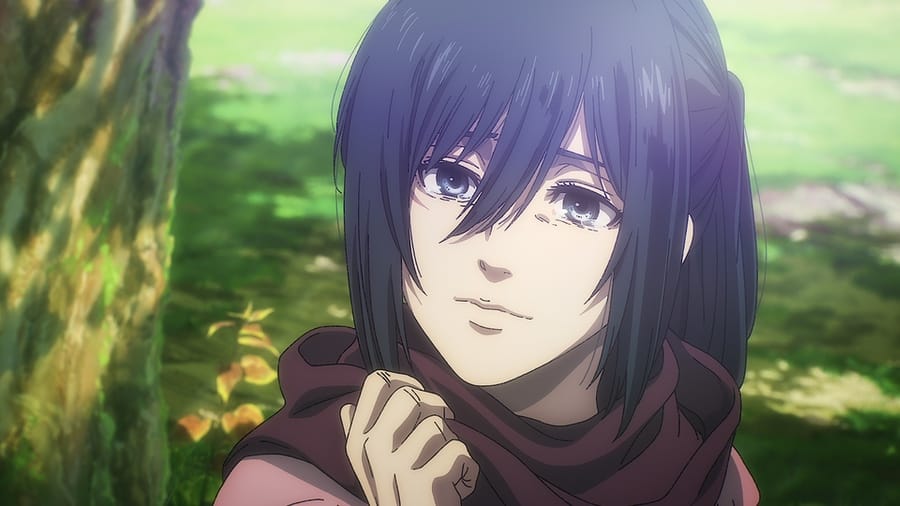
After all, this is the same studio that did little to alter the fundamental story of Attack on Titan to alleviate similar problems throughout The Final Season. Much like the Reze arc, certain visual metaphors were tweaked to better communicate themes and conversations were reworked to provide more details on character motivations, but the controversial and unsatisfying ending remained the same. For better or worse, this is the general trend across the industry now: The Promised Neverland season two was the last adaptation that truly went off the rails.
Speaking of The Promised Neverland, the true wildcard in this situation is Tatsuki Fujimoto. Much like Kaiu Shirai, Fujimoto could exert considerable control over the production as the original creator and demand certain departures, especially if any of the feedback from fans has reached his ears. The decline in storytelling and sudden ending to Chainsaw Man part two, however, seems to suggest creative exhaustion more than any real willingness to make the story the best it can possibly be.
At the end of the day, just how MAPPA will wrestle with the conundrum of Chainsaw Man part two remains to be seen. If the current release schedule is anything to go by, an adaptation of the manga’s second half should be on screen by early 2030, most likely after the final season of Jujutsu Kaisen. That leaves at least four years to come up with some sort of plan, lest everything risks blowing up in their face.