Sgt. Frog (Keroro Gunso), though perhaps not entirely well-known outside of Japan, is a defining work in shaping anime culture during the 2000s. Based on a manga first published in Monthly Shonen Ace in 1999, it was adapted for TV in 2004 where its audiovisual anime form almost-immediately eclipsed its origins. The series would run for over 350 episodes over seven years and receive multiple anime films, but what defined the series was the way it embraced the culture of the home it found in this new medium.
Not only was the original a work of comedy, it was parody of the highest order, a move further embraced in animation. The series follows five alien frogs from the Planet Keron who initially were sent to conquer Earth. They failed, though Keroro, the leader of the Keroro platoon, barely cares. He’s happy to just make the planet his home and watch TV, attempt to make money, and build Gunpla, living with the Hinata Family. The other four members of the platoon are also happy, finding homes with friends or other figures tied to the family, a result that inevitably led to hijinks over the many years the anime took place.
The series is defined by meta humor, making fun of its premise and characters that fit to anime cliché (the typical happy-go-lucky protagonist with a love interest he’s clueless to, the physically well-endowed parent that offers a mature fanservice contrast, and so on), as well as the medium at large, through referential humor and a narrator who regularly interacts with the events and characters via disbelief and deadpan line delivery. References to the big anime of the era and years before, and the culture surrounding it, thrived and became as much a part of the identity of the show as the characters themselves.
It thrived on the complimentary relationship otaku culture had with its creators and the niche, at-times outcast relationship fans had to the work they love. Sgt. Frog worked because it was a weird anime that embodied the weird people who watched it. The people who would dance to Hare Hare Yukai on the streets of Akihabara, yet with enough mainstream appeal and a general understanding that this was a show as much about otaku fandom as it was its own story that it could be understood broadly.
Sgt. Frog in 2026 is a weird proposition, and it results in a film unable to find a reason to exist. This new movie picks up as if it never left, a very brief introduction to Keroro sadly building Gunpla and a narrator explaining the character and concept before jumping back into a new adventure. In theory, this is a fun one for the group, with a promise of a family holiday being interrupted by strange goings on, like a Yokai invasion of Shibuya that evolve into a new force of invaders looking to finish the job of destroying the planet. The problem the film suffers from comes down to execution, one that partially falls to the creative team and partially reflects the end of the era it once thrived within.
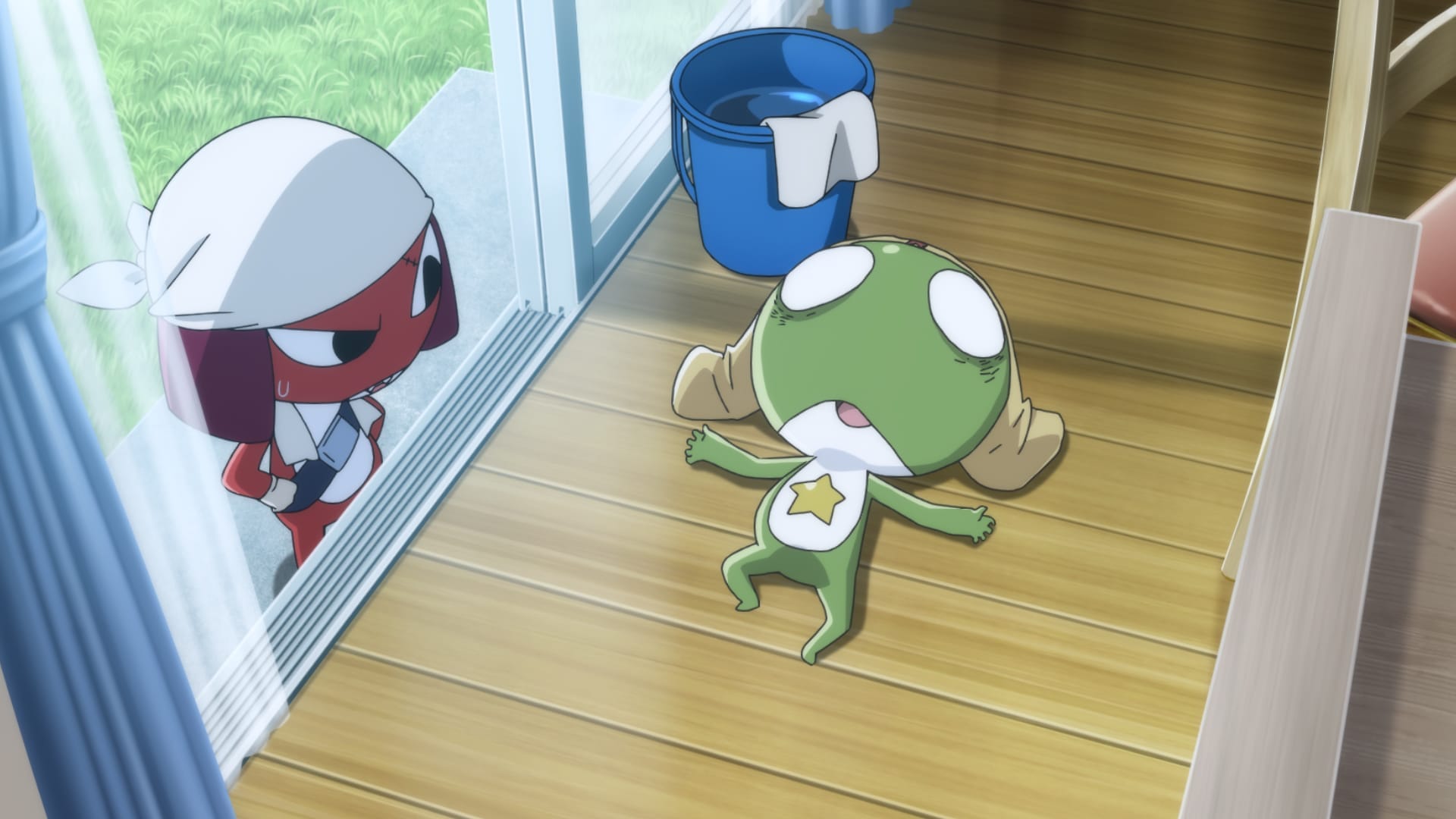
If you revisit the original anime and watch any episode, what you will find is a time capsule to a different era of anime fandom and production. How the show looks, is animated, the dialogue with an audience assumed to be on the same level of obsession with the medium it is being told within, is taken for granted, allowing the series to integrate references to anime of the moment and before at ease into whatever story it has to tell. Notably, however, any reference it makes, often very blatant and forward as seen in its many mecha transformations that the series prefers most often, is integrated seamlessly in compliment to the story being told. They can call back to Mazinger Z, but they aren’t replacing Sgt. Frog and using it as a conduit to tell your own story in another series.
In the decade-long hiatus the series has enjoyed (a continuing manga serialization aside), the character still appears in PSA videos, in part because older fans of anime love the character for its universality, an icon of anime fandom itself.
Where was once reference in dialogue with fans that compliments the story being told, is now a mere recreation for passive gawking, often with mean-spirited undertones, with no understanding of how it will compliment the story being told. This is a source of one of the major controversies that has surrounded the film’s release - the production committee behind the film were forced to apologize to the creators of Attack on Titan for failing to consult in their own parody of the series featured in the film.
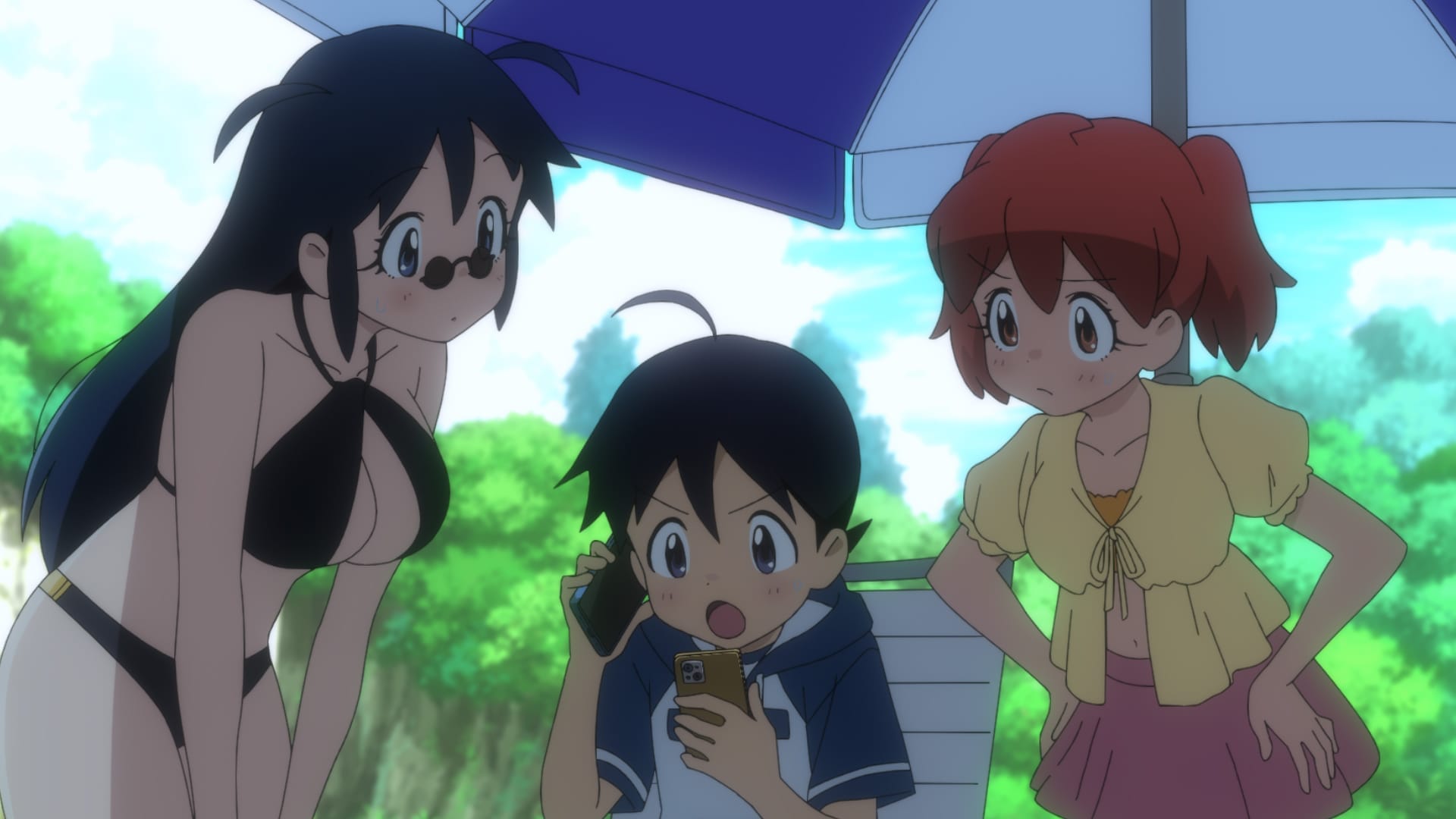
This scene sets the tone for the problems the movie faces. Regarding this specific controversial reference, the joke is that a new threat facing Earth is a wave of Titans that look like old men leaving a sauna. Rather than the joke integrating itself into the story, the joke is exactly as shallow as this text implies. It lacks purpose, but it still takes 10 minutes to resolve.
Many references or jokes feel pointless or strange to include, existing not to make commentary or add to the film but to serve as a reference for audiences to point and recognize. Where the series once stood on the cutting edge in what it referenced and how, the choices here are also bizarre. A major sequence involves Yokai Watch, a series that slid from mainstream relevancy almost a decade ago by this. Same for references to the 2011 Japanese live-action drama The Hero Yoshihiko and the Demon King's Castle. Gintama is referenced, but rather than having the anime voice actors reprise their roles as is standard, actors from the live action movies released in 2017 are used.
Most serve no purpose and often overpower the scenes they feature within, while lacking relevance to audiences, both new and old, that would seek this movie in 2026. While easy to cite blame towards the creative staff on this film, who are not to be absolved for how surprisingly pedestrian and dull large moments are even as we jump from references to PreCure and video games in rapid-fire succession, it’s far from the only reason. Perhaps Sgt. Frog (2026)’s biggest complaints reflect a mourning that the series no longer functions in 2026.

Then again, if this humor succeeded because it involved its knowing otaku audience, what is the solution when that culture no longer exists? Anime is no longer defined by referential dialogue between niche groups, it’s a global phenomenon mostly comprised of international fans. The leading forces of anime are no longer otaku who have that connection to creators, it’s an ordinary person who may not understand that history. Not only will references fall flat, but the specific structure of fandom is not one that resonates to their experience of a medium that’s now “a component of Netflix” or “the latest major shonen box office sensation,” rather than a slowly-building tower of knowledge and shared community that brings everyone together.
Sgt. Frog (2026) is not a good film, and, with changes, there are the building blocks of a better film hidden underneath the disappointing story we have here. There is no reason a film if these characters should feel so boring. Yet I doubt even the best creatives could not make a great film in this series. Simply put, the medium has moved on. For better and for worse.