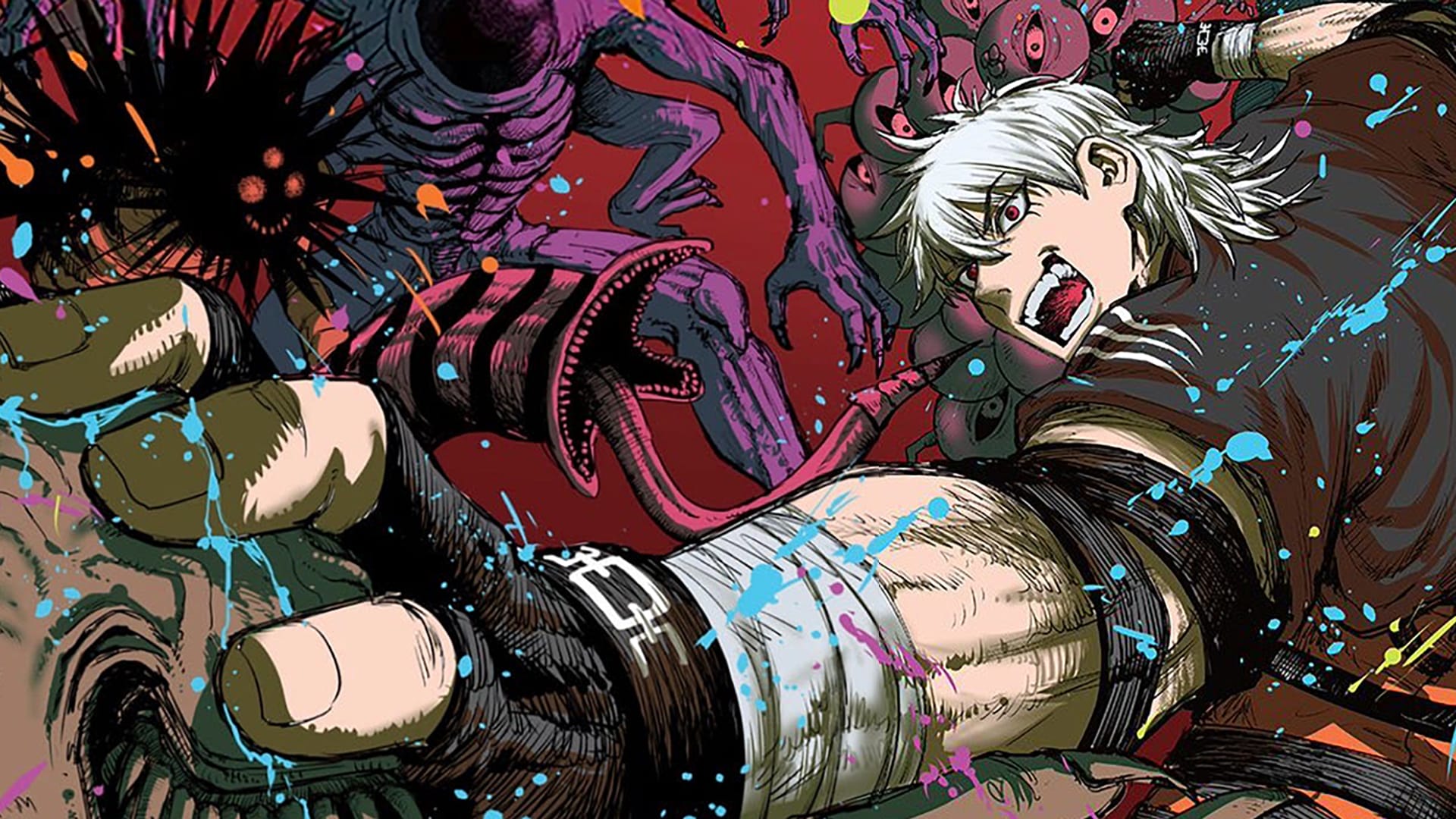
Even in the cutthroat world of Weekly Shonen Jump, most new series are given the chance to prove themselves. The general rule of thumb is around seventeen chapters in the magazine before cancellation, but Alien Headbutt by Akira Inui recently made waves by bowing out after just sixteen. What went wrong?
Just to put things in perspective, Alien Headbutt is the first series to end before seventeen chapters since Time Paradox Ghostwriter by Kenji Ichima and Tsunehiro Date in August 2020. That was perhaps the most controversial series in recent Jump history because of its depiction of plagiarism: a hot button topic for many Japanese readers. Bone Collection by Jun Kirazaka also ended after just fifteen chapters one week before due to poor reception.
In general, the writing is always on the wall for such series. Akira Inui’s series showed none of these same signs: not only was the art punchy and solid, main character Ouga Shirokiba showed a rebellious spirit similar to Denji in Chainsaw Man, something which has been missing from the magazine ever since Tatsuki Fujimoto switched part two over to Jump Plus. Plenty of readers cried bloody murder on social media once the cancellation was announced, but several flaws have since come into view.
One user put it best when they used a panel from chapter 23 of Tsugumi Oba and Takeshi Obata’s Bakuman. In it, protagonist Moritaka Mashiro criticizes Eiji Niizuma’s initial manuscript for the fictional manga Crow by remarking that “It’s not exactly not interesting, but it feels like the same thing happening over and over. You need to add some variety!”
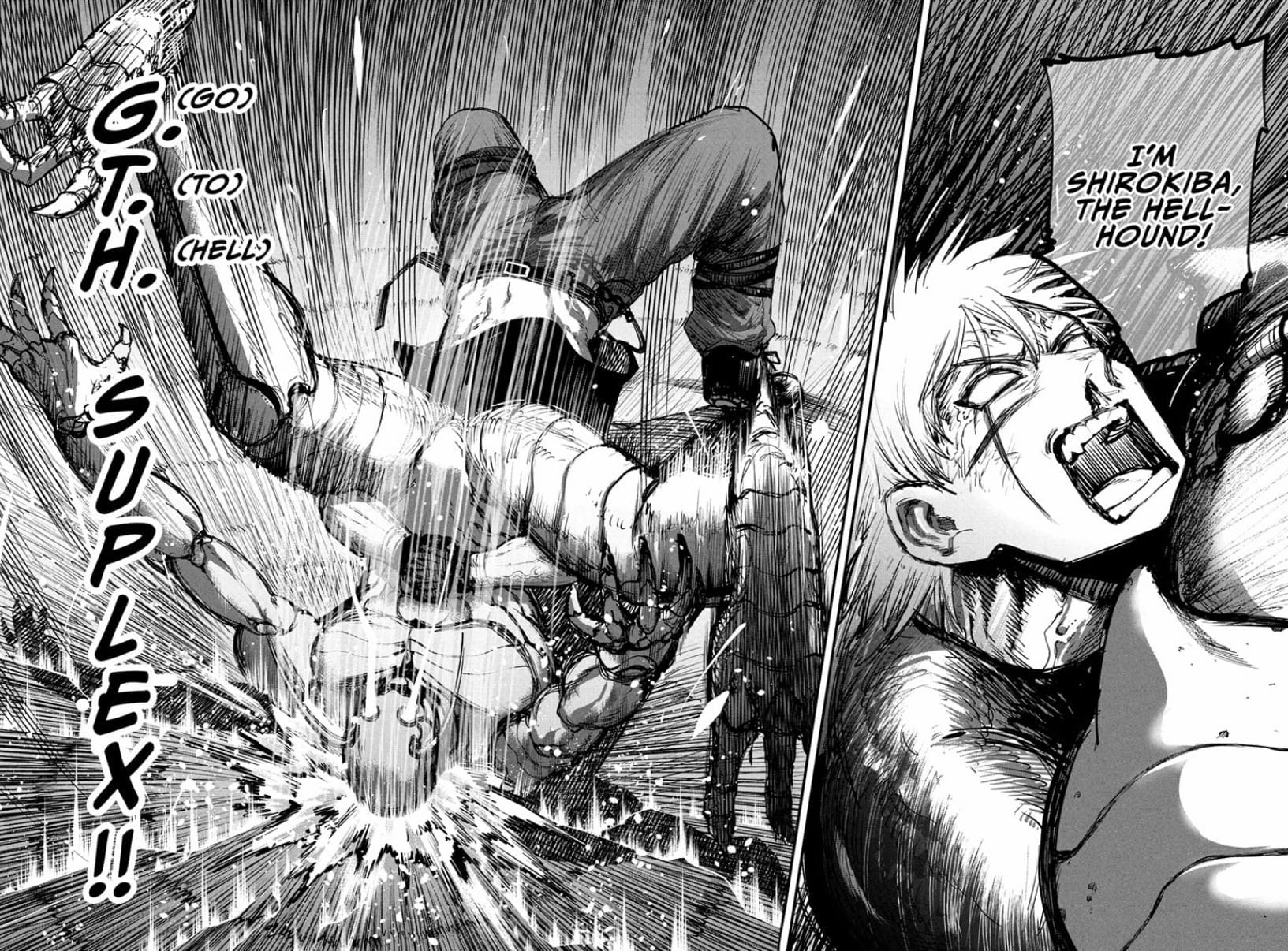
This is the same trap that Alien Headbutt fell into. Each chapter pretty much followed the same formula: exploring a new location on the island, coming into conflict with an alien, and ending the fight with a flashy signature move. It was only when the protagonist got knocked out and imprisoned in chapter 11 that any kind of variation appeared, by which point it was probably already too late.
Formulas are important in any story, but they are critical in the world of weekly serialization: without a solid structure to fall back on, authors often struggle to come up with ideas for new chapters on such a tight schedule. Even so, showing a certain amount of variety is essential to prevent readers from getting bored. After all, what’s the point in reading something that plays out exactly the same every time?
Speaking of imprisonment, Akira Inui used this opportunity to reintroduce a character shown at the very beginning: Little Mei. The Shirokiba family goat was given equal billing alongside the main character’s mother and siblings in chapter 1, hinting at her importance, but no one could have quite imagined that she would end up transforming into an adult woman with horns due to alien experimentation. Not least of which Ouga, who couldn’t quite believe his eyes after waking up in a cell.
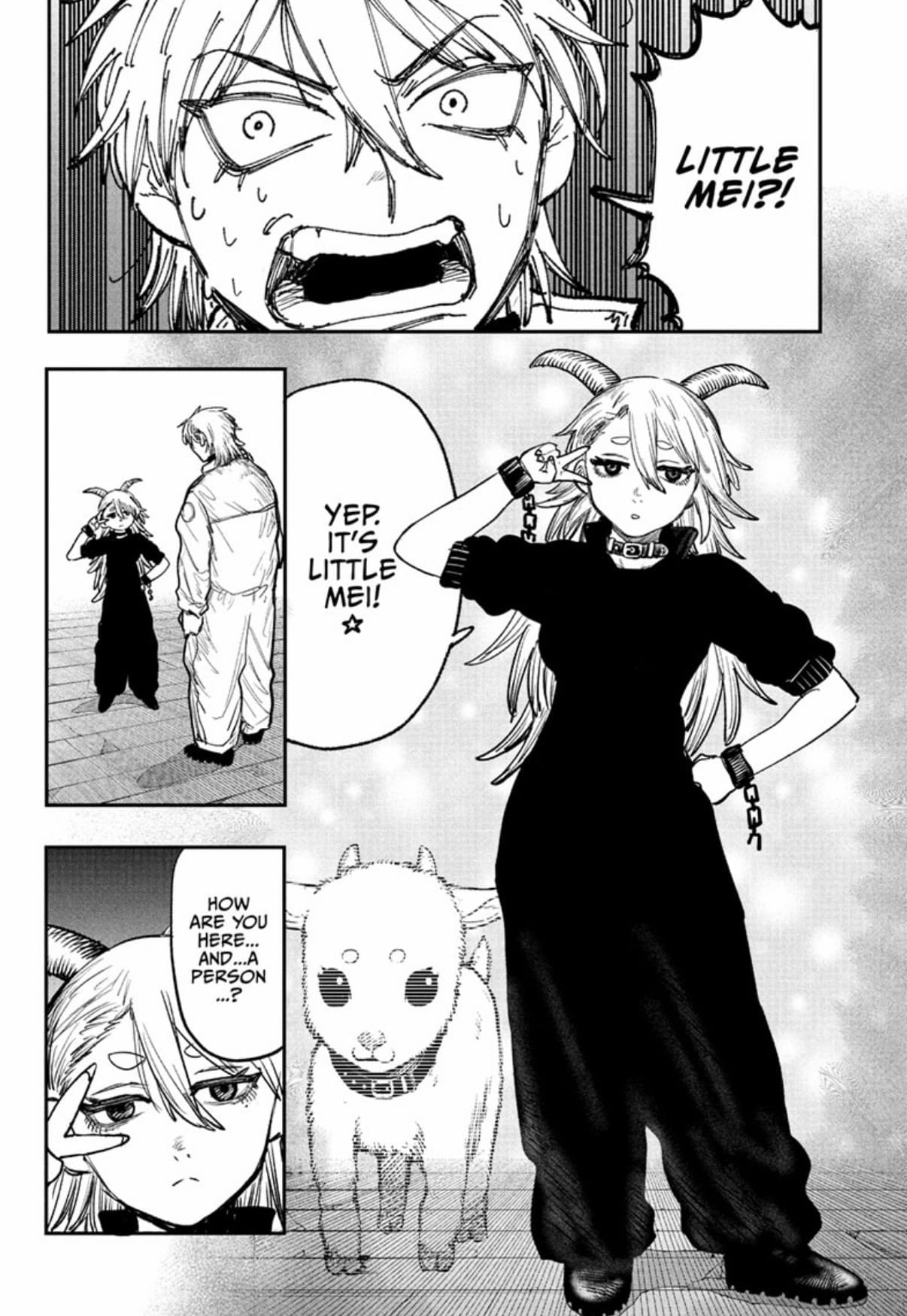
In many ways, Little Mei was exactly the kind of crazy new idea that Alien Headbutt needed after a couple of weeks of stagnation. Given that one piece of fanart of her reached 15,000 likes and 2000 bookmarks, this could have been the beginning of a viral hit. Once again, that aforementioned post hit the nail on the head with the second image that appears to show a manga editor chastising a creator, saying “You should have done that earlier!”
My personal bugbear was that a mismatch always existed between the series’ core concept and actual execution. Despite being a professional wrestler, the main character fought with fists and feet more than throws and ropes in a way that would get him instantly thrown out of any ring worth its salt. Perhaps Akira Inui would have been better off making the series about mixed martial arts, especially considering that Martial Master Asumi by Kawada ended up lasting for a surprising 32 chapters.
A wrestling manga can work in Weekly Shonen Jump, case in point being Kinnikuman. While Yudetamago’s seminal series first began as a comedy before later shifting into more general action, the first couple of arcs revolved around a wrestling tournament between superpowered individuals. Alien Headbutt could have done with taking a leaf out of this book, or at the very least attempting to ape the form of professional wrestling more closely.
In any case, none of this criticism is intended to dissuade the author from trying again. As it turns out, Alien Headbutt is actually Akira Inui’s very first series, so there’s plenty of room to grow from here. The number of artists who get it right the first time is very few: even Kohei Horikoshi had to get a few duds under his belt before eventually producing My Hero Academia.
To use an old proverb: “Success is buried in the garden of failure.”
You can read Alien Headbutt in English for free via VIZ Media’s Shonen Jump.