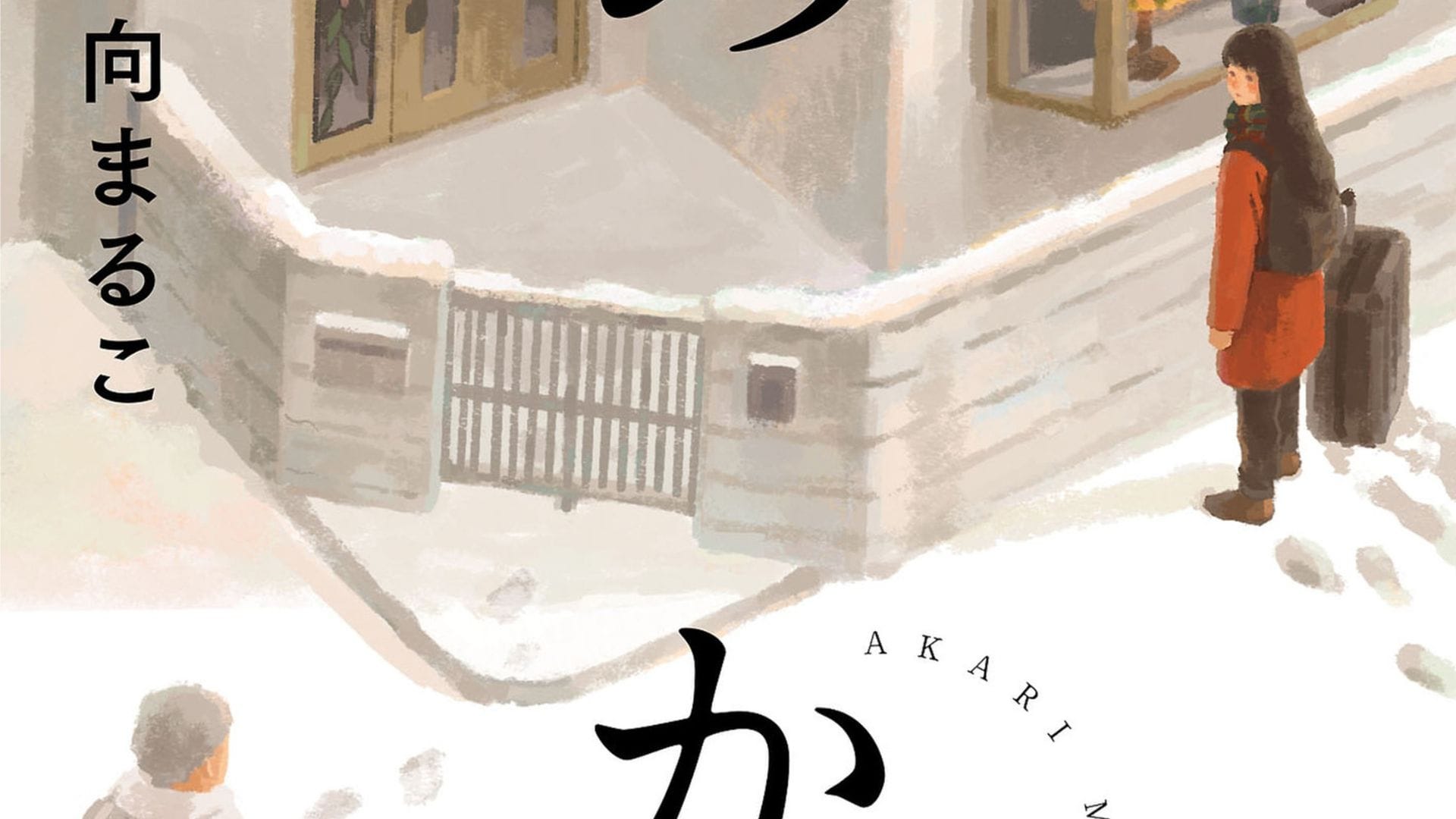
What do you do when the creative spark in your life is gone? How do you continue doing what you love when the world seems grayer and lonelier?
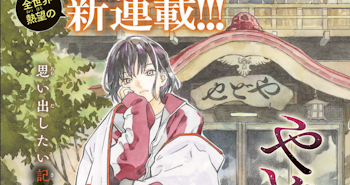
Marco Kohinata’s Akari is a delicate and personal manga that follows a widowed elderly man trying to find meaning in his life and his craft. As much as the work highlights aspects of stained-glass artwork and the creativity that inspires it, it’s also a story about found family and trying to mend broken relationships, while managing existing ones.
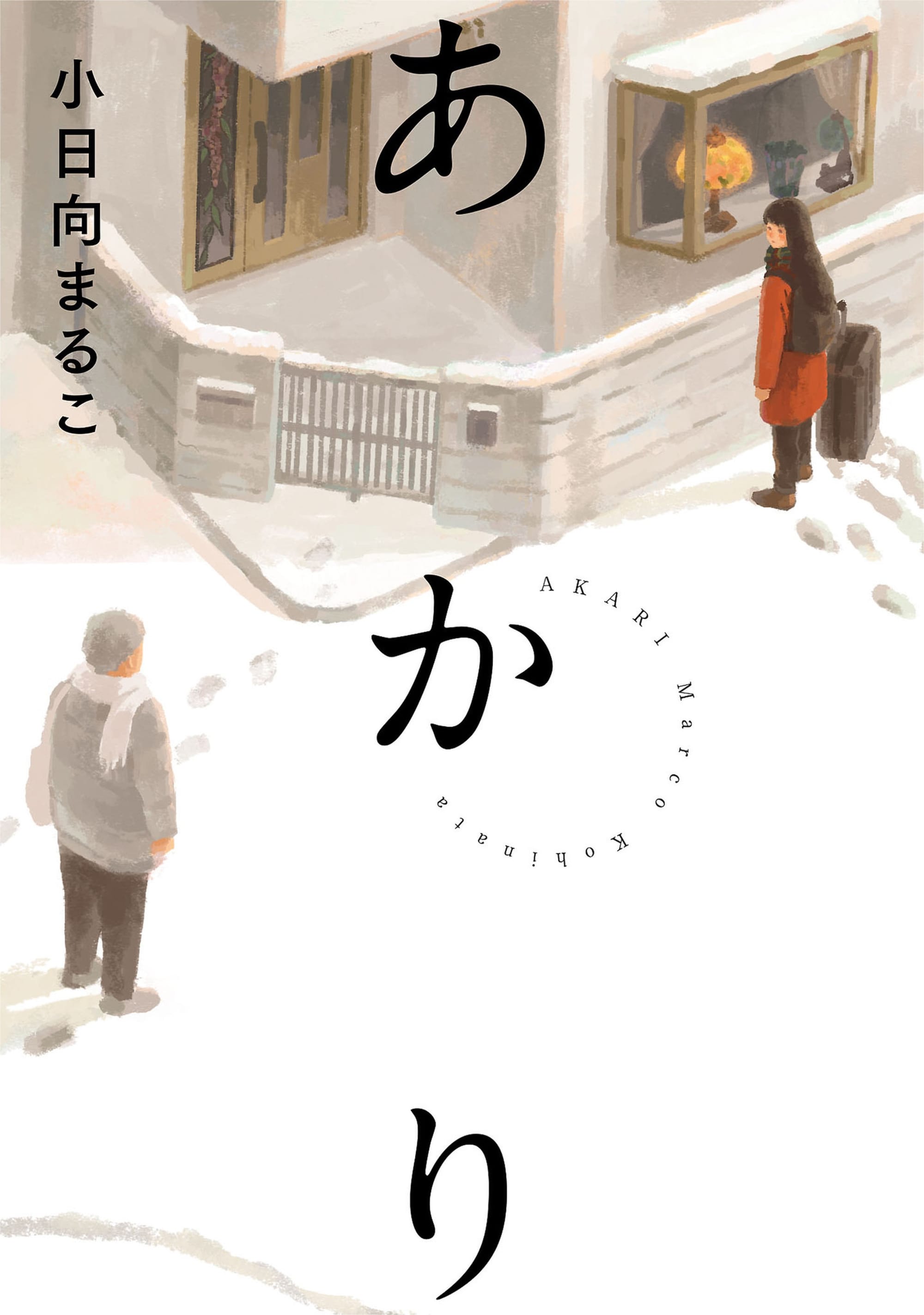
Akari is being published in English for the first time by Glacier Bay Books and has been nominated for Best One-Shot Manga at the 2026 American Manga Awards and the Prix Ouest-France - Quai des Bulles. It was also a winner of the Prix Asie de la Critique ACBD 2026.
Our team at scrmbl had an opportunity to speak with Marco Kohinata about her book at this year’s Toronto Comic Arts Festival.
William: Akari is a manga dedicated to your grandfather, who was a stained glass artist, and whose activity is a focal point of your manga. Why did you want to center the main story on stained glass artwork and its creative process?
Kohinata: The main idea behind it was not [actually] from my grandfather, but was [from] myself [and] my own experiences. I [really] wanted to study at an art school or university, but I wasn’t [accepted] in my first year. So I worked part-time to save money and actually ended up finding a school that was online and not in person.
One of the main reasons why I wrote this [manga] was because of my economic situation. I couldn't enter an art school that was supported in the area that I wanted to study. So I had to choose the less expensive one. My wish was that I would have young people read this and follow their dreams in that sense.
Around two to three years before I started the manga, my grandfather passed away. He had all these beautiful stained glass works in his home, which I really enjoyed. I also thought there’s not many manga that featured stained glass to my knowledge. So that’s another reason why I wanted to incorporate that into my story.
Did you have any experience or research to help you create Akari?
When I was younger, I used to watch my grandfather make stained glass works up-close, which left a lasting impression on me. I then started to work on the manga a few years after he passed.
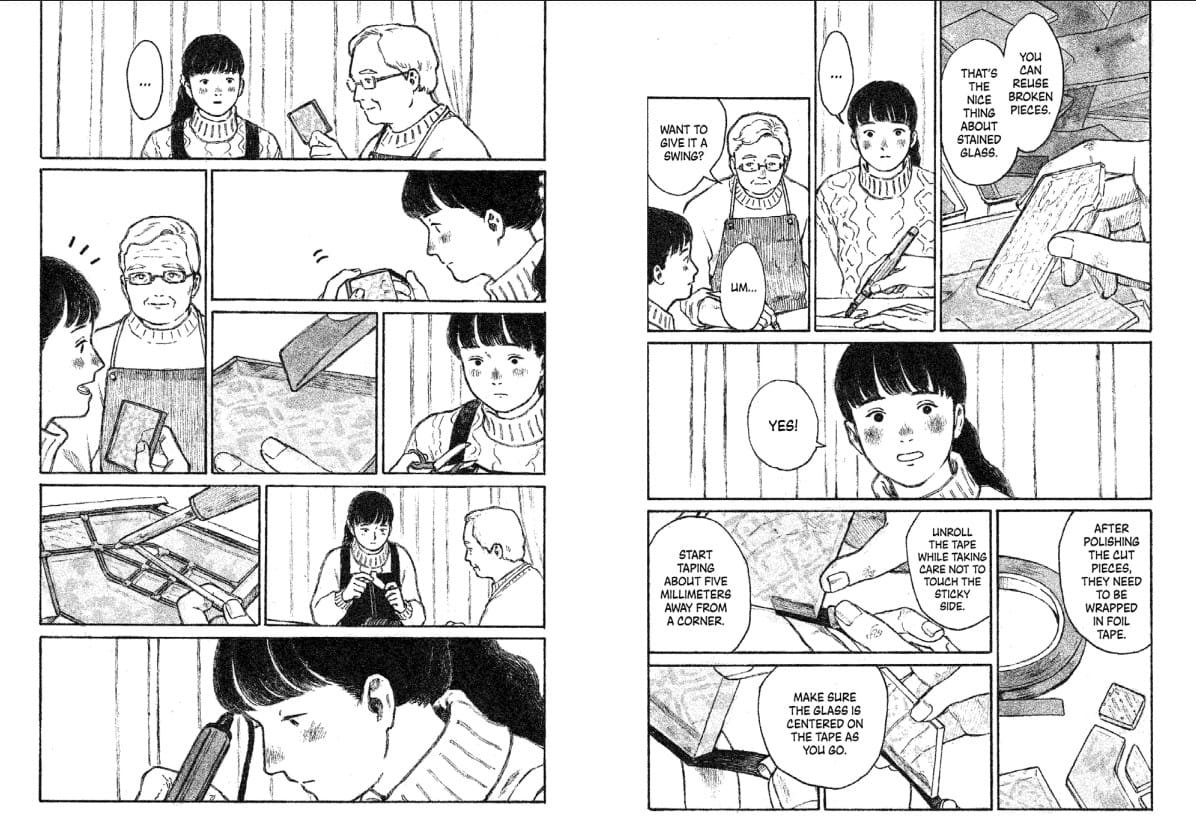
I actually reached out to another stained glass artist and was able to get a first-hand look at the process. For the manga’s story, I had the artist double check and make sure it was authentic and the process was accurate.
Kagari and Akari enjoy a very familial relationship in the manga, even though they aren’t blood related. What’s the significance of family and community in the manga’s story?
I think family is definitely very important, but that's only one type or level of community. In Japan, there are a lot of ways families support each other and when some kind of issue or problem comes up, it's often looked at as “okay, let’s find a solution within the family.” It’s really important that the family works together, especially when everyone is on good terms and has a great relationship with one another.
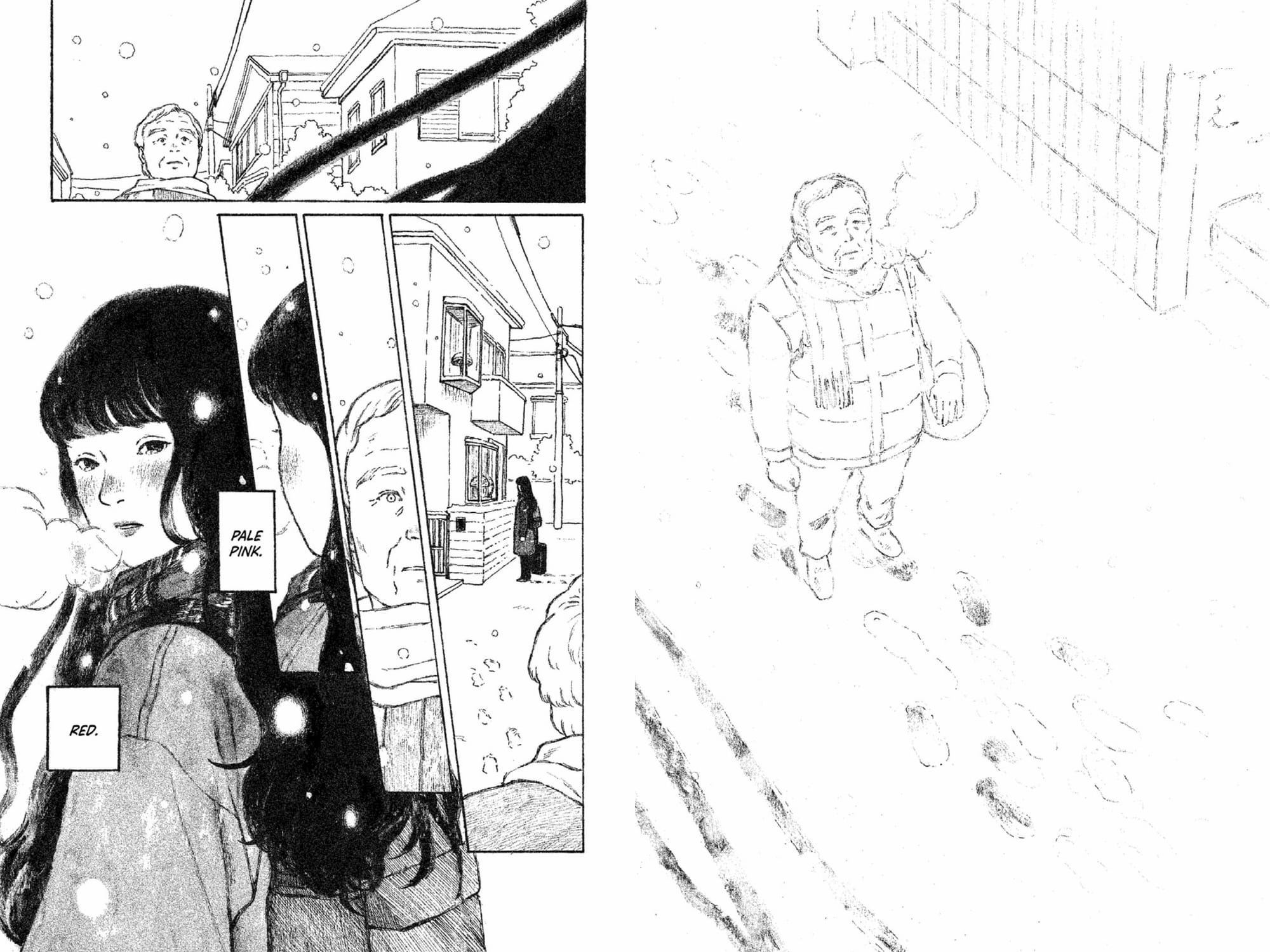
However, sometimes that’s not the case and resolving them is much more complicated. I also wanted to explore the idea of non-blood related families and why can’t those people, who are like family, be just as important. That’s the question I wanted to pose in the story.
What do each of Kagari and Akari’s names mean? How do their meanings connect to the theme of the manga?
In Japanese, Akari means “light” or shomei – to shed light on. Another meaning for Akari, besides it being the name of the main character, is also about bringing light to hope and comfort.
For Kagari, there’s the kagaribi, which is a steel torch lamp. On top of [it] is a firepit that lights up the whole area and brings light into that space. So the light and fire coming from the kagaribi is what the grandfather's name means.
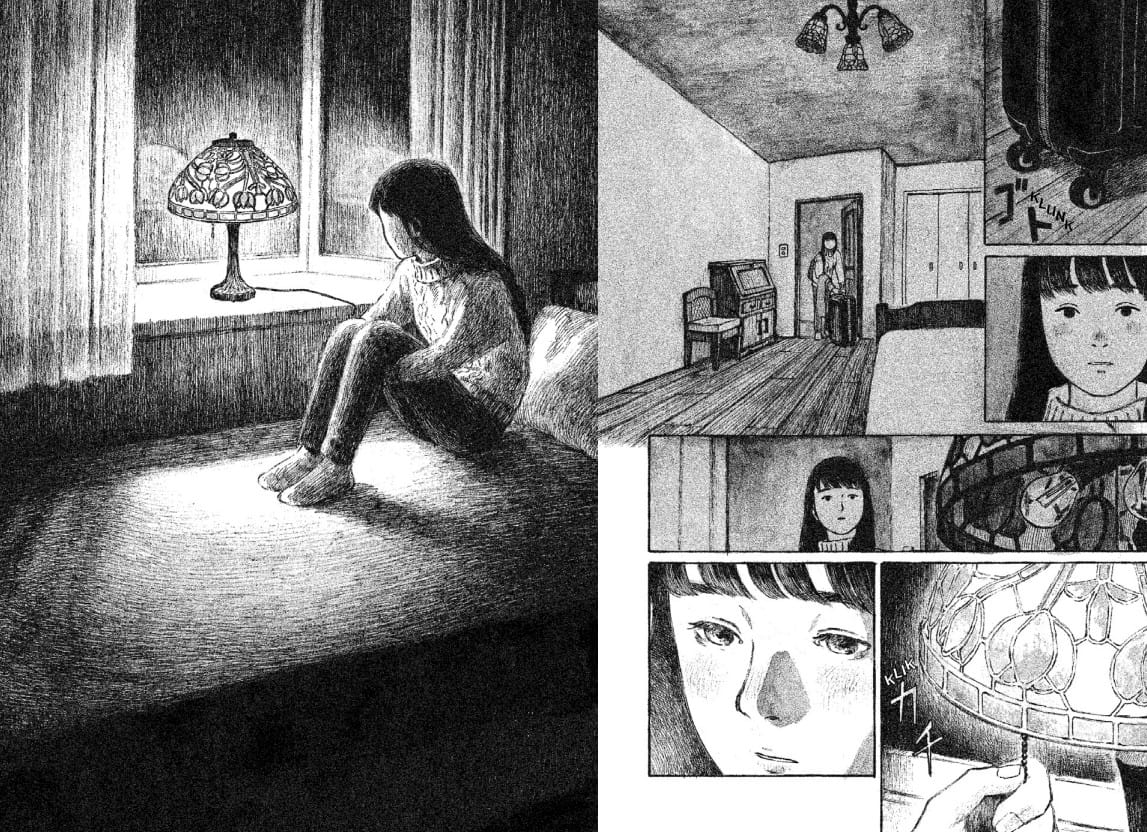
Your art style has a very cozy picture book/scrapbook-like quality to it. Could you tell me about your creative process and some of the tools you use to put your vision on paper or in digital format?
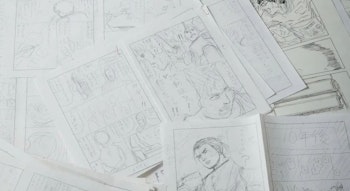
The production style of standard manga feels mass-produced and industrial. A lot of manga is made for print and uses screentone to produce very clean shading, but that doesn’t really work for my style. Human emotions aren’t so uniform, so I really wanted to have that grayness in my manga to help express the emotions of the characters and make it not so clear cut.
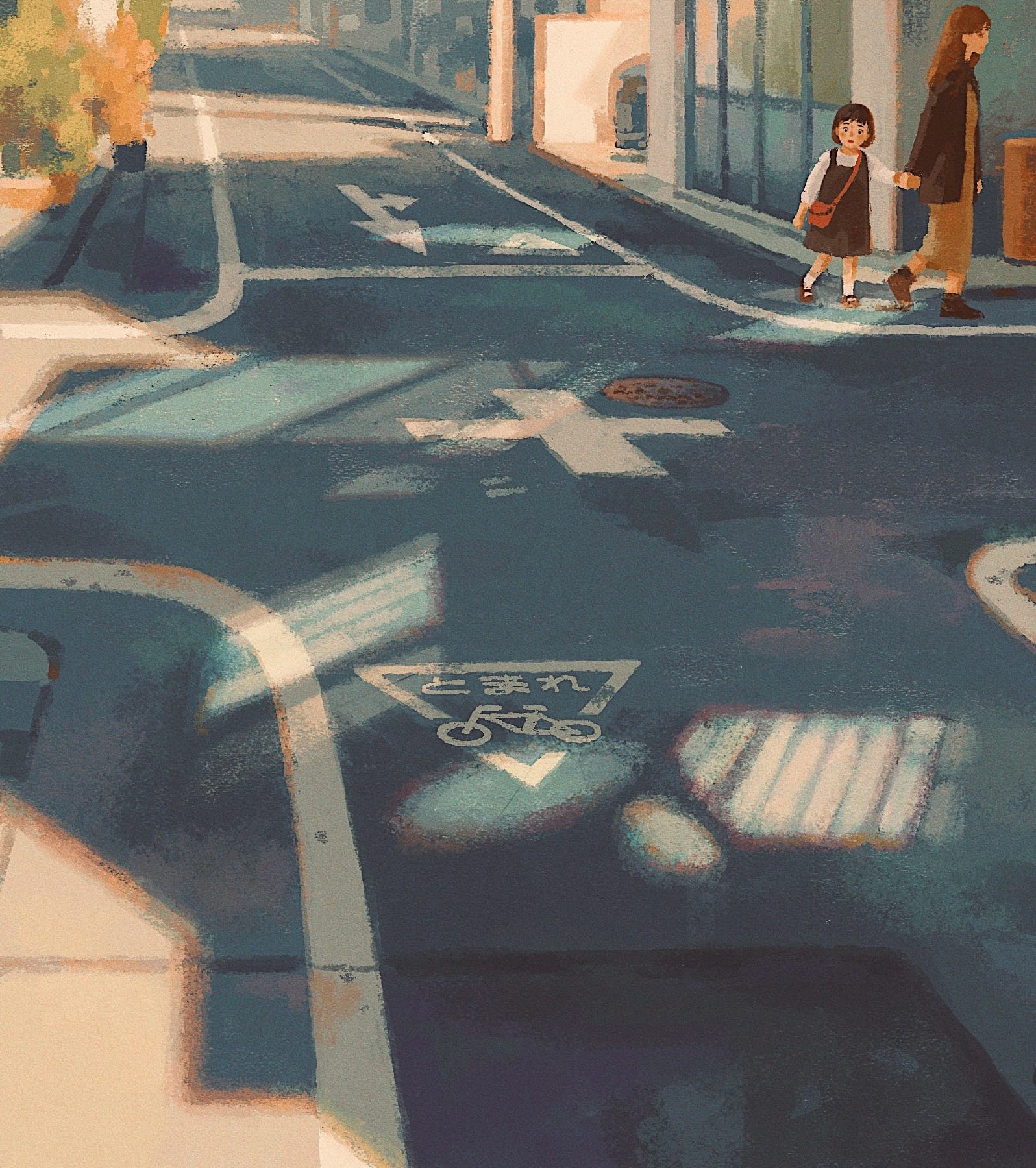
I feel that people’s emotions can be very complex and need that attention to detail. Everyone's emotions are unique and I wanted to have that expressed in each of the characters by using hand-drawn [art], watercolors, and water brush techniques.
Very interesting. I love the experimentation.
Ah, thank you!
What did you learn as an artist when you joined your high school’s art department and took courses at Musashino Art University? Were you focused on a single aspect of art or were you allowed to try different things while at school?
When I was in high school, I specialized in art and took a lot of the basic programs like oil painting, watercoloring, sculpting, and photography to cover all those main areas.
In my second year, I probably had too many electives going on, so I had to choose between oil painting or design, and I went with the latter. From there, I went really deep into learning about graphic design and was part of a very supportive community learning hub.
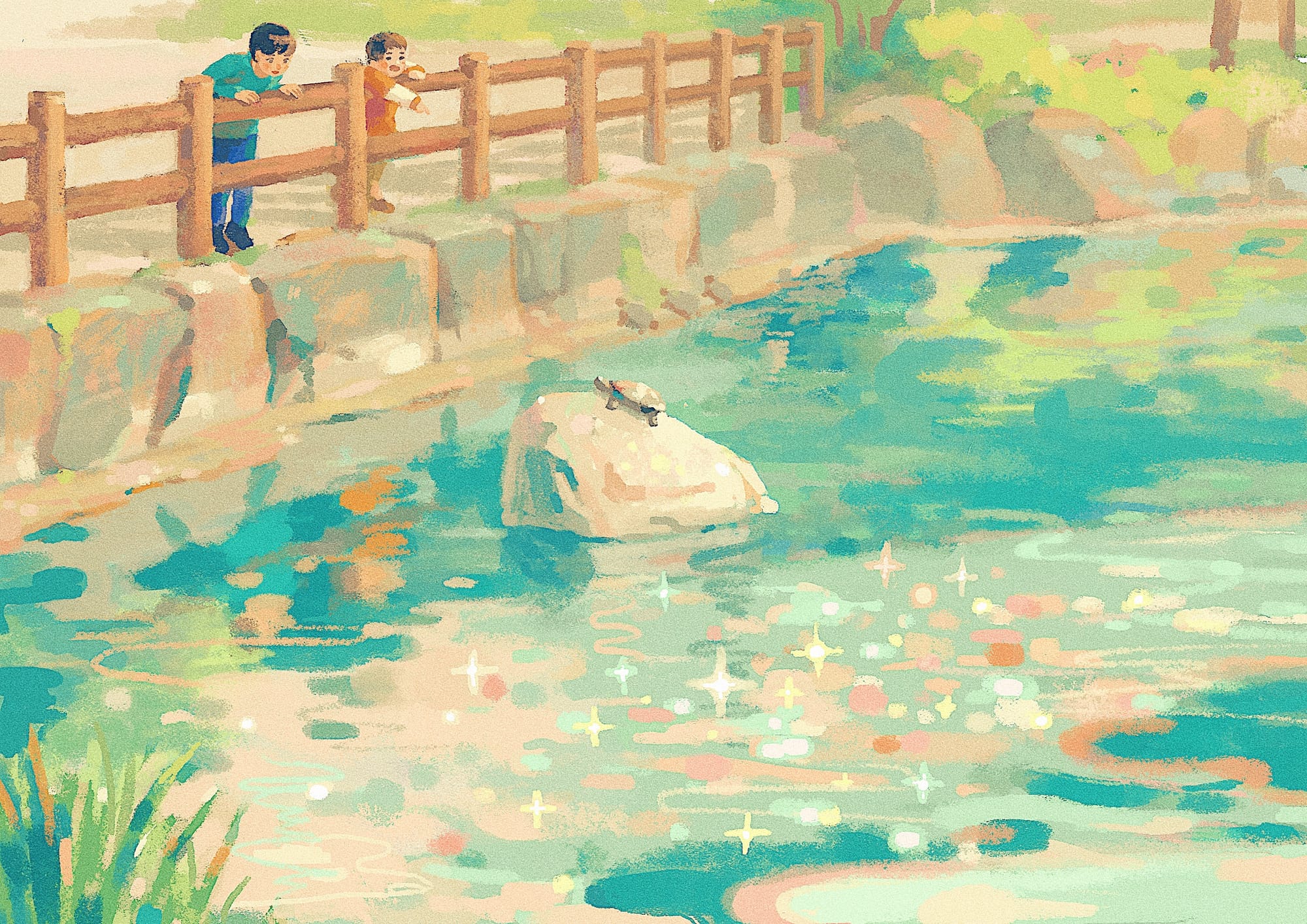
As I went on to my post-secondary studies, I studied by correspondence through an online university and it was primarily self-study using textbooks. It was unlike my experience back in high school. Soon after, I started working in manga and dropped out since I didn’t have time for both work and school, so I didn’t really learn that much.
You’ve been working as a professional artist since 2015. What inspires you as an artist and what motivates you to stay creative?
Ever since I was young, I’ve always loved drawing because it was my way of speaking. I grew up in a single parent household, so I didn’t have anyone to talk to about class or things that I wanted to talk about. That experience led to me expressing my thoughts through drawings, which is my way of communicating my emotions because it just comes naturally to me. To me, drawing is second nature to speaking and I’ll definitely continue doing that.
I also had a memorable high school experience and was able to study design from a more academic perspective there, which was a big influence on my life. Many of my friends and teachers have inspired me as well.
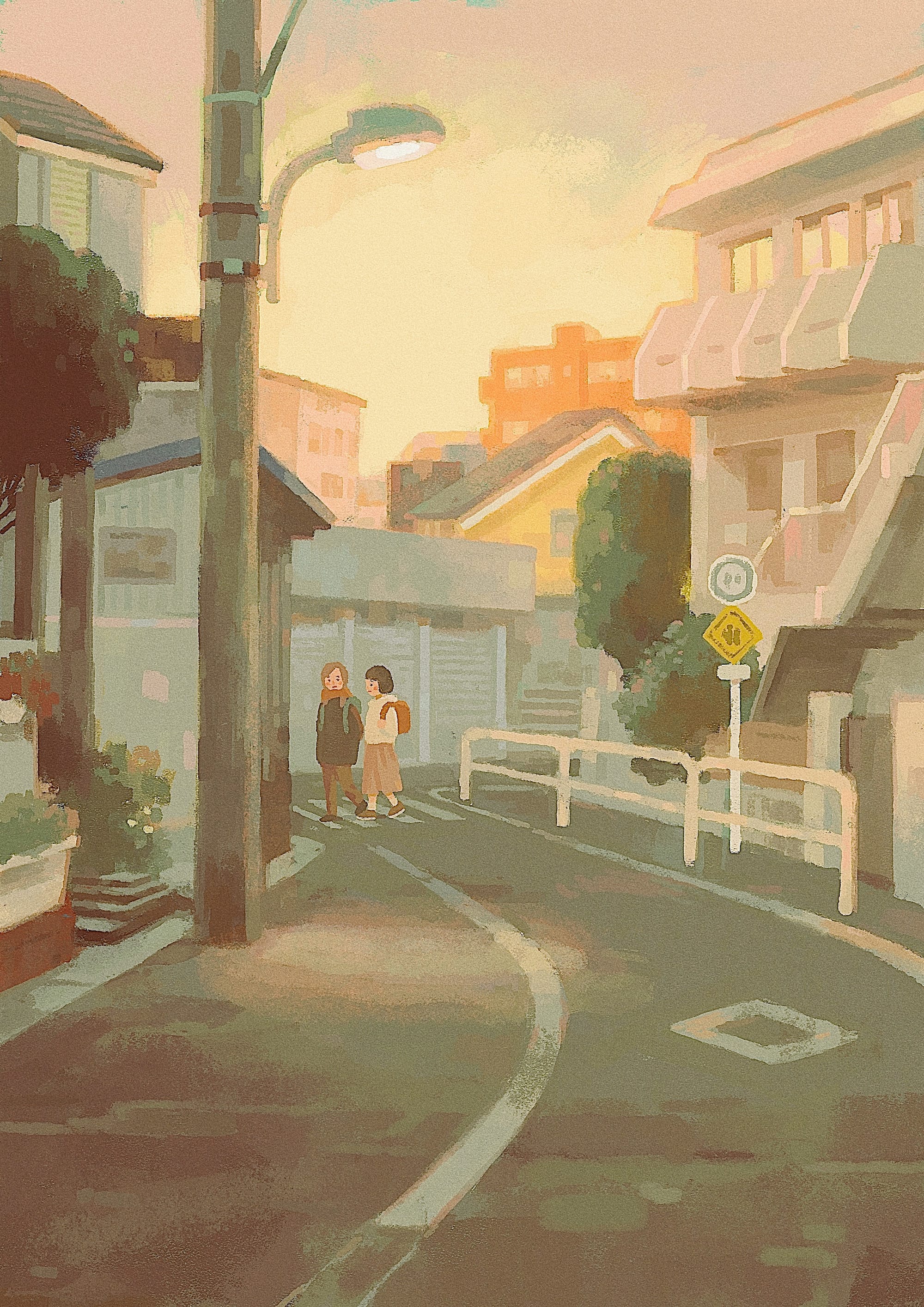
In terms of finding some motivation, coming out to events like TCAF and meeting people is a major motivator for me.
You’ve made a couple of short animations on your website as well. Is animation something you’d like to explore more in the future? Or is it more of a side hobby for you at the moment?
It’s something I’d like to try, but in reality, I’m fully into [making] manga right now. For me, working on illustrations, manga, and animation are just ways of expressing myself. Currently, I’m just working on manga, but who knows what will happen. If I do it and make a living from it, that’d be great. Whatever the medium I find that I can best express myself with is the route I’ll take. If someone asks me to try a different medium, I’m open to trying it.
Glacier Bay Books has released an English print version of Akari. What would you like people to know about the manga? What do you hope they take away from it?
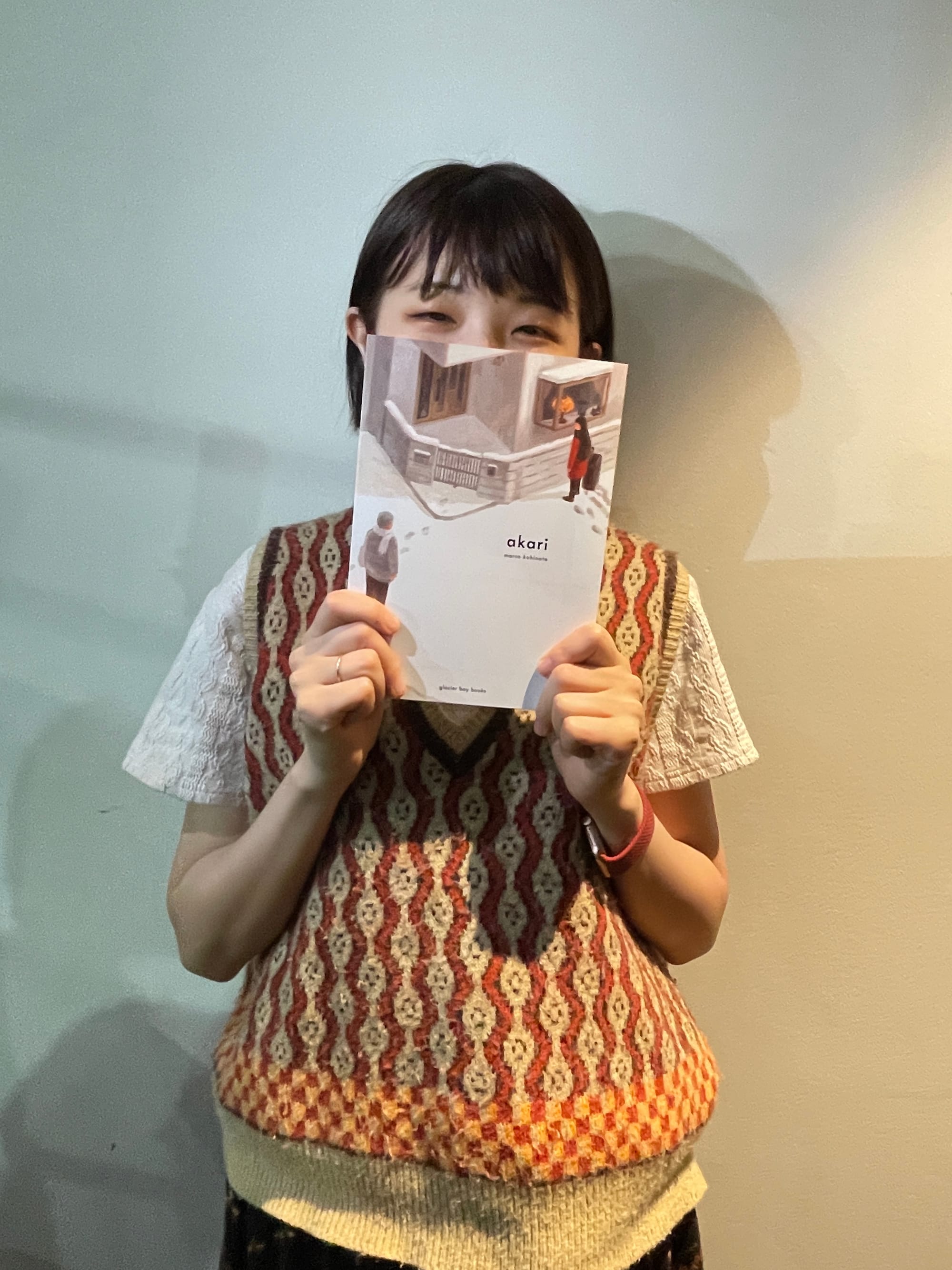
It's kind of hard to express in just one word. Ideally, I’d like readers to just go through my works. Each of us carries our own light. I hope readers remember that their light can be someone else's hope, and that they never let that light die out. It’s a bit abstract in that way.
Special thanks to Marco Kohinata for taking the time to speak with us and to Nobiru Nakamura for interpreting. You can follow her on X/Twitter, Instagram, and website.
Kohinata also made an appearance at the Perth Comic Art Festival in Australia from July 23, 2026 to July 26, 2026.
This interview has been edited for clarity and length. It was made possible with the cooperation of Manga International Network Team (MINT), a Japan Creator Support Fund initiative.