As part of an interview published on July 16, Inio Asano made some comments about the use of generative AI that raised more than a few eyebrows.
When asked whether or not the technology could help in the process of making 3D models, the Goodnight Punpun creator remarked: “It’s definitely possible, but just how much we’re allowed to use AI as manga artists is a huge problem right now. A lot of publishers can’t say that they allow it publicly, creating the strange situation where we can’t use it precisely because we’re professionals.”
For context, Asano has used 3D modelling software such as Blender and Unity for many years now to create hyper-realistic backgrounds that often contrast with his cartoonish character designs. The specific use of AI that he is proposing here is to create new assets for virtual environments, but the fact that generative AI is based and trained on copyrighted content means that publishers can’t come out in favor of it as IP holders themselves.
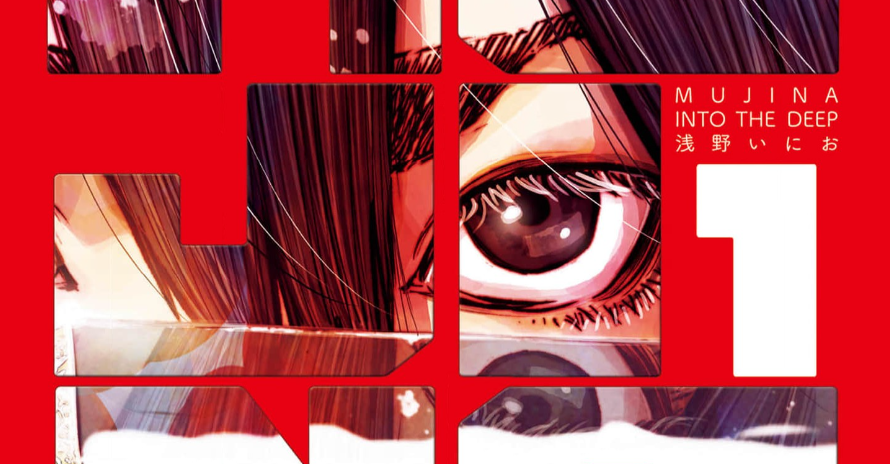
What’s more, Asano admitted that one of the reasons why his most recent series Mujina Into the Deep is on hiatus right now is because of this uncertainty.
“Right now, manga artists aren’t able to use AI, right? But if we could, the quality of the work would go up massively. So that’s why I’m kind of thinking… why bother drawing it now?”
読み切り漫画を描くために一ヶ月かけて3Dで田舎の町を作ってました。原稿はまだ1ページも出来てません! pic.twitter.com/1PlmKGY6mQ
— 浅野いにお/Inio Asano (@asano_inio) July 13, 2026
Here is where Asano completely misses the mark. Not only would the standard of work generated by AI be much lower than his own, delegating the process of asset generation to a model such as Meshy would remove part of the appeal of his manga. The fact that he goes to such lengths as creating entire towns for months on end is precisely what makes him so interesting as an artist, meaning that something would ultimately be lost, however small.
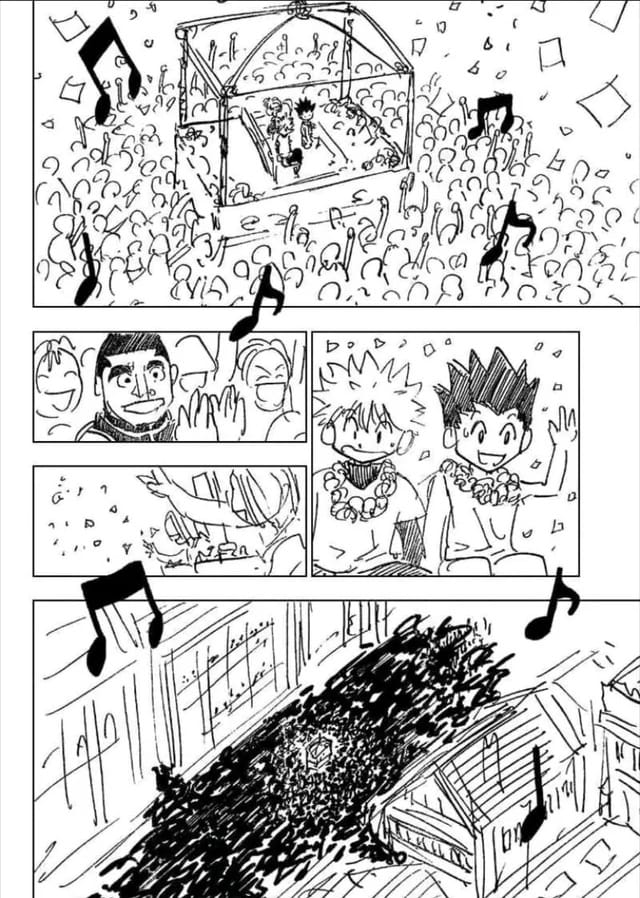
Similar comments have also emerged recently from Hunter x Hunter creator Yoshihiro Togashi. In successive issues of Weekly Shonen Jump, Togashi asked whether or not an AI model trained only on his work and completely shut off from the rest of the internet is possible, presumably because of the aforementioned copyright issues. While this definitely doesn’t constitute as big of an endorsement as Asano, it certainly should be a cause for concern given that Togashi has struggled with debilitating back pain for many years.
At one point, the idea of relegating art on Hunter x Hunter to someone else while Togashi maintained control over the story was popular among fans in the name of a better serialization schedule. Generative AI not only makes this possible, but also removes the human element that is so prone to pesky illness and injury. Even so, fans should know instinctively that a theoretical Togashi model would only represent an approximation of the artist’s style and ultimately lack his unique touch.
Beyond a technical default, Asano and Togashi’s statements both betray a fundamental misunderstanding of the creative process. Struggling to create, whether it be through complex 3D modelling or the body refusing to stay upright, is part of what makes art. Creativity is not something to be overcome, streamlined or sidelined. Art without creation is simply not art at all.
Part of the reason why generative AI represents such a fundamental threat to human expression is precisely because it completely delegates this process of creation to a machine tool. Using the Magic Wand Tool in Photoshop still requires a certain level of intent, direction and technique from a user. Generative AI, on the other hand, can handle the entire process of creation from ideation to production in an instant.
Moreover, manga is a visual medium. How a panel or a character design looks is just as much an important part of the work as the story, dialogue or themes. Anyone who has seen enough AI art will know that it can only manage the bare minimum: an amalgamation of styles that looks good enough, but not particularly memorable. This is precisely because models are trained on a large data pool of images to produce a median visual style.
With this in mind, consumers and creatives alike must do more to resist the implementation of AI into the creative process. To skirt around the copyright problem, A24 has already entered into a partnership with Google, and more will undoubtedly follow. For corporate stakeholders and investors, art is nothing more than a product: the logic of capitalism is to always bring down the cost of production through machinery and automation. AI is just the latest chapter in that long, long story.
The attitude towards AI in Japan is certainly more mixed than English-speaking countries, especially because it lacks the political element found in the United States. Nevertheless, a growing number of consumers are sick of the AI aesthetic and would prefer not to see it at all. How creatives respond, particularly manga artists, will play a large part in determining just how much the technology will seep into popular culture.