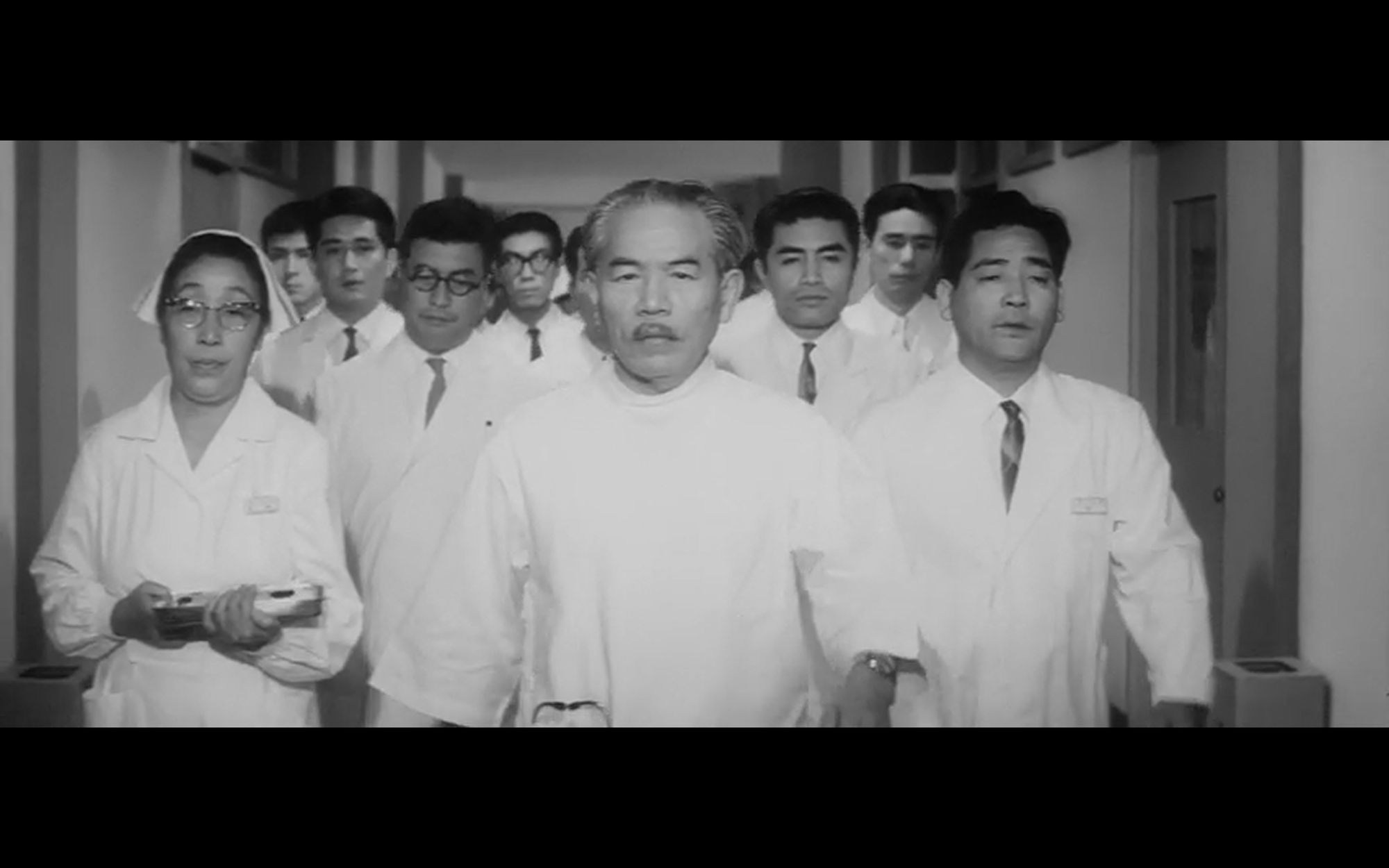
Through the hospital’s corridors, they walk in formation: nurses, medical students, physicians. The professor strides at the front of their ranks. His purpose is to heal, to ease pain. Yet he carries himself like a general, with an army at his back. As he makes his rounds, the staff bow their heads. So long as he occupies this role, he is at the center of the world.
Toyoko Yamasaki’s 1965 novel The Great White Tower (Shiroi Kyoto) depicts a world in which healing the sick is irrelevant to what’s really important: politics. Its protagonist Goro Zaizen is a genius surgeon and associate professor, beloved by the public for his record-breaking surgeries. Yet his aging boss, Professor Azuma, is jealous of his vitality, and reluctant to give his job to a man more interested in climbing the social ladder than speaking to patients. So he looks for a replacement outside his home of Naniwa University Hospital, launching a full-on factional war between his allies and Zaizen’s. Meanwhile, Zaizen’s former classmate Shuji Satomi prioritizes the needs of his patients over politics. But is that really enough in a medical system that always puts the needs of the hospital first?
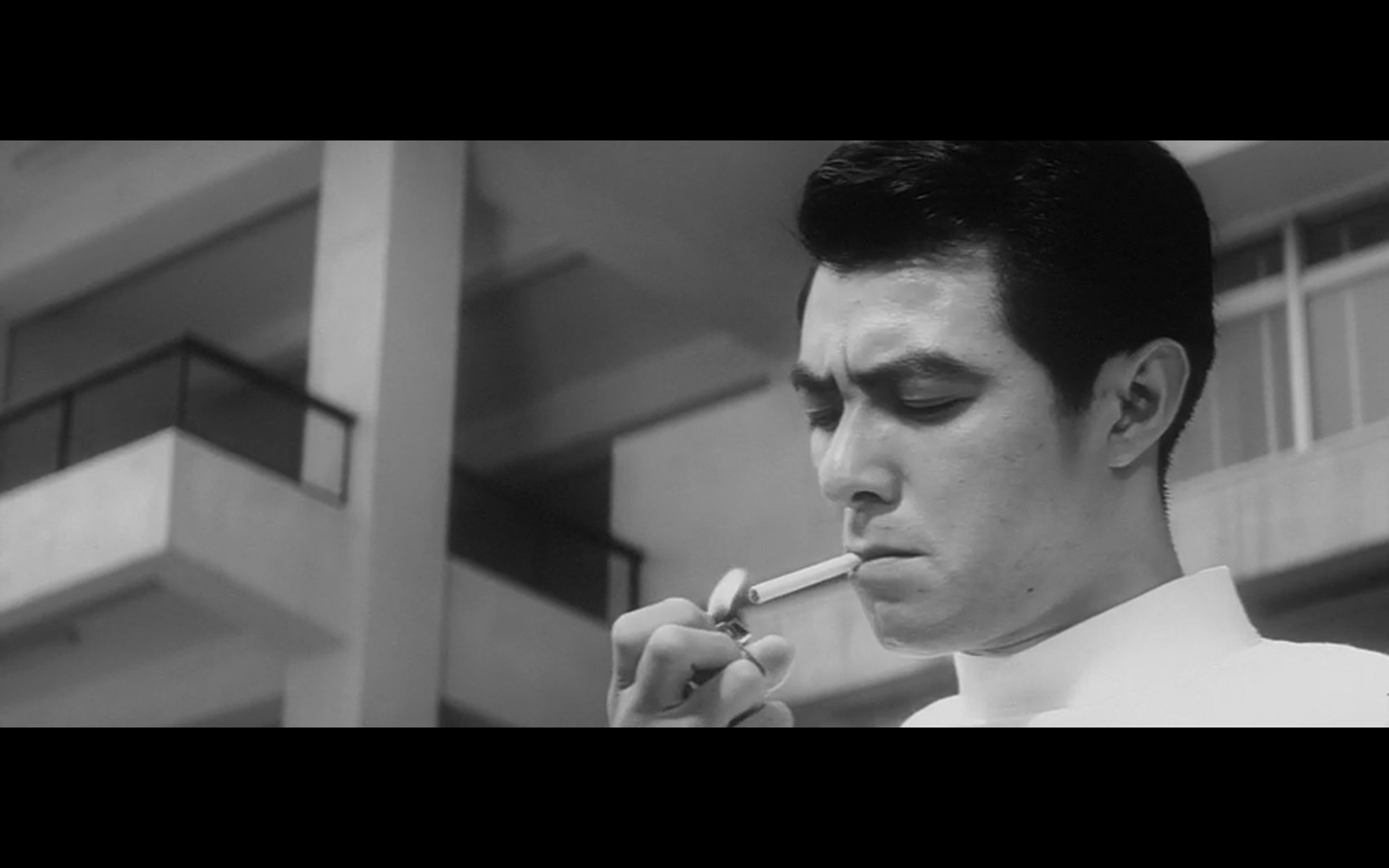
The Great White Tower has been adapted many times–first as an award-winning film in 1966, then as five Japanese television dramas, a manga series, and even a Korean drama in 2007. What makes this story so durable? Well, anybody who’s been hospitalized can relate to the frustrations of medical care. Yamasaki’s critique also preceded the 1968 protests at the University of Tokyo, which (per The Japan Times) began at its medical school “over the working conditions of interns.” As a novelist, she wrote directly to the concerns of the public at that time. That’s why they labeled her a “socially aware” writer, although Yamasaki was never fully satisfied by that descriptor.
Aside from being a work of social commentary, Great White Tower is a story about big, bombastic characters, none so much as Goro Zaizen himself. It’s easy to hate Zaizen for his ambition and poor bedside manner. Yet he is also a tragic figure. Raised by a poor single mother who gave him every scrap she had, he fights his way through Naniwa’s hierarchy because there is no other path for somebody like him but brilliance. That he’s just as skilled a surgeon as he claims is also what makes his fall hurt so much–he could help so many more people if he wasn’t so hungry for power and recognition.
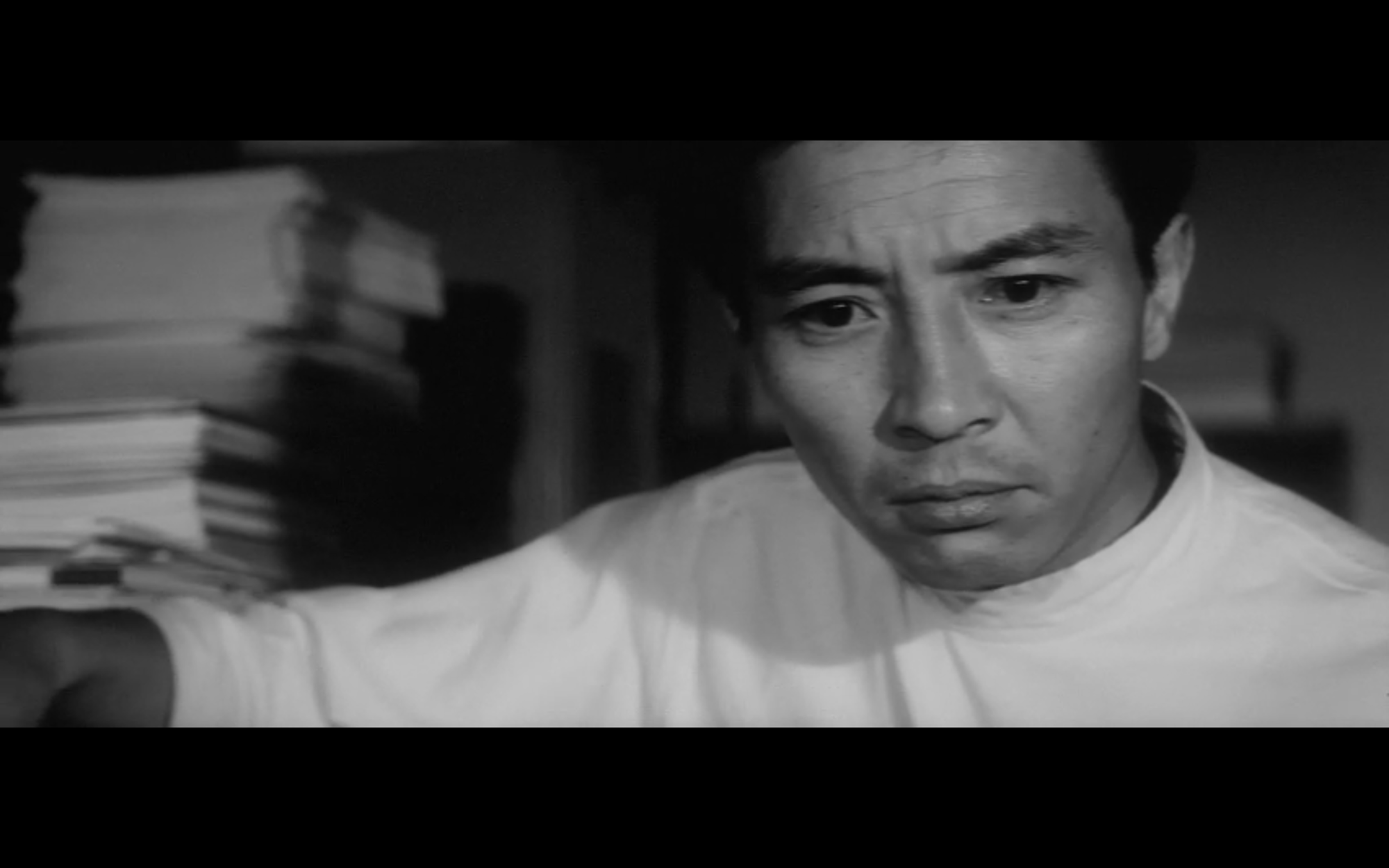
Shuji Satomi is Zaizen’s dark mirror; a man who will always choose his patients (and his ideals) over his career. He represents what a doctor should be, though he too will never live up to his potential under Naniwa’s hostile culture. Nearly every other character we meet, though, has rotted from the soul. Azuma’s ethics are compromised by his fear of losing everything he has to Zaizen. Zaizen’s father-in-law, Matachi, spends money like water to win Goro the prestige he wants himself but can never have. Then there’s Ryouichi Ugai, dean of the Faculty of Medicine, who sits atop Naniwa’s workings like a smirking toad.
That fierce institutional critique forms the core of the 1966 film adaptation of Great White Tower. Director Satsuo Yamamoto (a member of the Japanese Communist Party) and acclaimed scriptwriter Shinobu Hashimoto (Rashomon, Harakiri) bookend the film with hospital walks, scored by music that could be from a horror movie. (In fact, the film’s composer Sei Ikeno was trained by Gojira composer Akira Ikufube.) By doing so, the film’s crew emphasize the fact that the villain of Great White Tower is no single person. It is a system: the hospital itself. So long as power is consolidated in the hands of the elite, innocents will die while good people are punished for doing their jobs.
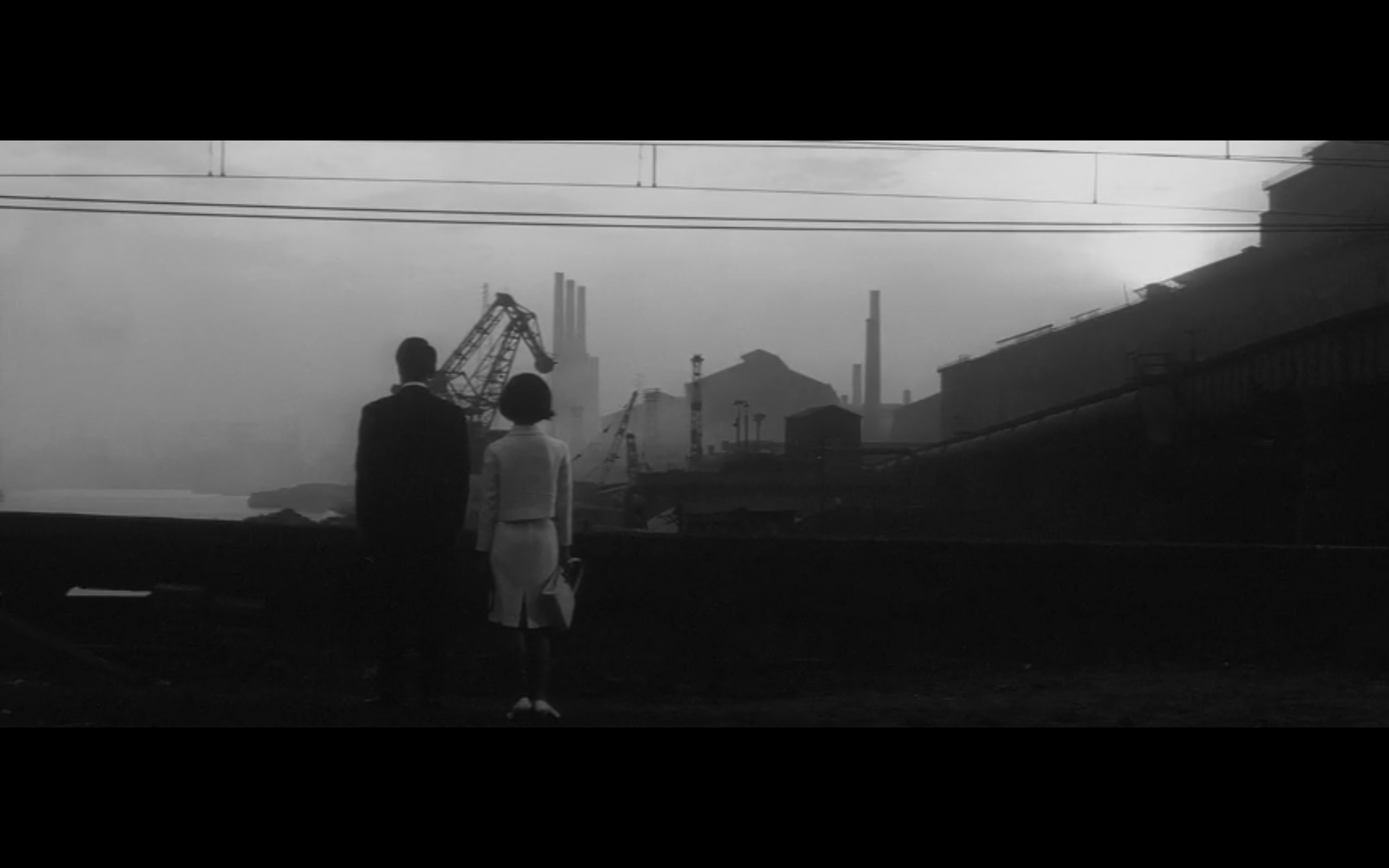
This particularly comes into focus in the second half of the film. In the excitement of the hospital election, Zaizen ignores one of his patients, who falls ill and dies after his surgery. The patient’s wife then sues Zaizen in court, seizing the attention of the media and tarnishing Naniwa’s good name. Satomi of course (who repeatedly reminded Zaizen to check on the patient before he died) serves as a witness for the prosecution, even though doing so could end his career.
The final witness, Professor Funao of Touto University (a fictionalized version of Tokyo University), insists that Zaizen was not responsible for the death of his patient even if he behaved shamefully. Afterwards, he admits to his friends that he made this statement solely to protect the medical establishment. The calculus is clear: doctors share class interests, but not their patients. That’s why Naniwa protects Zaizen and punishes Satomi, even though the latter is doing what a doctor is supposed to do.
The 1966 Great White Tower film won multiple honors, including Best Film from the Blue Ribbon Awards as well as a Silver Award from the 5th Moscow International Film Festival. It is probably the most recognized version of the story outside of Japan. But it is not my favorite. That would be the 2003 TV adaptation of Great White Tower, produced 25 years after the infamous 1978 version (where Jiro Tamiya, who played the role of Zaizen, committed suicide after shooting with two episodes left to air.)
With 21 hours to spare versus the film’s measly two, Great White Tower 2003 has much more room to flesh out the characters. The female cast benefits from this in particular. Women are nothing but status markers in the original Great White Tower film. In this new version, they’re all distinct. Professor Azuma’s blustery wife Masako struggles to maintain her grip on power among the circle of professor’s wives; Satomi’s wife Michiyo befriends Azuma’s idealistic daughter, Saeko; Zaizen’s wife Kyoko comes to realize that her husband is cheating on her.
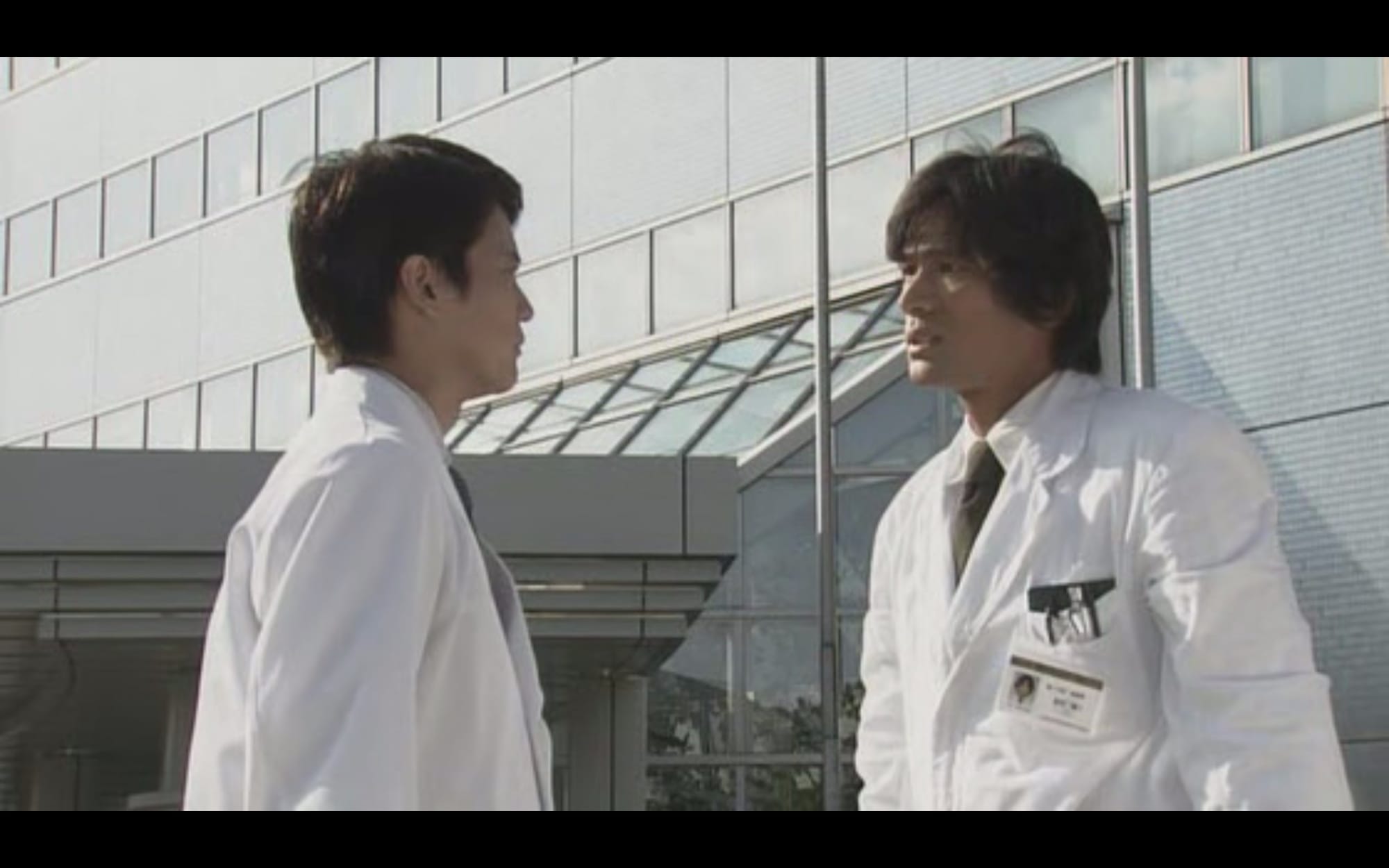
The perspectives of the female cast also help flesh out the men. We see for instance that Zaizen loves his mistress, Keiko, because she takes an active interest in his career. (Kyoko by comparison isn’t particularly interested in hospital politics.) Keiko becomes Zaizen’s advisor and partner in crime. The TV series also lets her assert her agency outside of Zaizen’s control, setting her apart from the more villainous and subordinate portrayal of the character in the 1966 film.
Meanwhile, we see how Satomi’s obsession with his work makes him neglect Michiyo. Stuck at home with a sickly child to care for, Michiyo is hazed by her colleagues and eventually forced to move back with her parents thanks to Satomi’s actions. This also transforms Satomi from a symbol of thwarted good to a more complicated, if soap-operatic, character. Zaizen at least is aware that he is becoming scum; Satomi remains hilariously oblivious of all the hearts he has broken.

The end of the series adapts a part of the novel that the original film adaptation never touched: Zaizen’s death. Following the trial, Zaizen learns that he himself has the same cancer he once treated in others, and dies of it. This section was left out of the film in favor of societal critique: that control of Naniwa passes from Azuma to Zaizen without resolving its underlying corruption. The 2003 series instead leans into the original novel’s tragic arc, letting Zaizen find himself again in the moment before his death. Azuma as well is given a chance to reconnect with Zaizen, while the loathsome Ugai is repudiated.
The emphasis on catharsis over themes makes the 2003 TV version less effective commentary. At the same time, I think it is just as honest a portrayal of the story’s appeal. The Great White Tower isn’t just a story about hospitals. Many of us know how it feels to be Zaizen, Satomi or Azuma. We know what it’s like to be hungry for praise, to lose an opportunity to stay true to yourself, or to be replaced by an institution you once valued. It’s because we empathize with these characters, and not just the larger argument, that The Great White Tower remains relevant today. Until the day it falls.