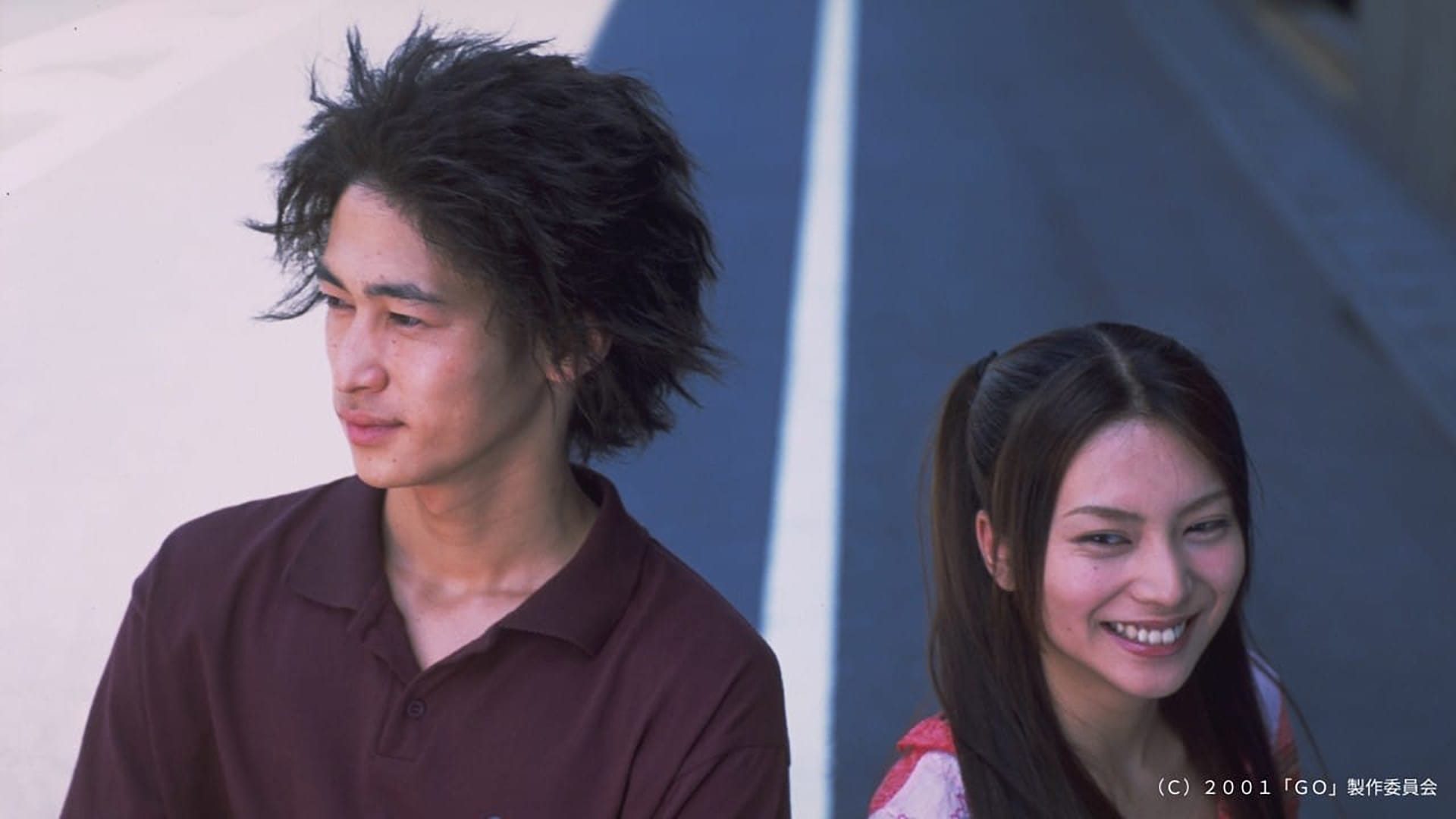
When GO hit Japanese cinemas in 2001, it touched on a prescient issue bubbling in Japanese society at the time of its release. Adapted from the novel of the same name released a year earlier, the question surrounding the status of Zainichi Koreans living in Japan had further complicated in response to the changing geopolitics of the 1990s. Though there is some controversy over the term, the name is used to refer to long-term Korean residents lineaged from or part of occupation-era immigration to Japan from Korea during World War II, with these people and their offspring only able to gain Japanese citizenship if they relinquish Korean citizenship, despite many modern Zainichi Koreans having lived nowhere but Japan. The result of this othering has been persistent discrimination.
At this time, changes in export blockades between the countries and a liberalization of visitation policies coupled by later waves of immigration and the passage of time softened the questioning views many held towards Koreans in Japan as cultural exchange improved relations, though suspicions in some groups nonetheless persisted. Never mind that even if outward discrimination by individuals subsisted somewhat, systemic issues facing this group endured. And even amongst those sympathetic, it didn’t mean they were willing to become friends, get into relationships, or further bridge the gap in ways that may equalize the footing between these similar-yet-disconnected groups.
GO is a film much about this fact through the eyes of a young boy trapped between cultures by generations-old barriers they never wished for. Sugihara (Yosuke Kobozuka) is a third-generation Korean-Japanese citizen, a Zainichi Korean nonetheless born and raised in Japan. Their father was once North Korean, but the stories about that life are alien. Relatives they’ve never met who repatriated or never left in another country that may as well be alien to him. Everything around him is Japan, it’s home. His father (Tsutomu Yamazaki) became Japanese so they could go on holiday to Hawaii, they live in an ordinary Japanese town with his mother, and they speak Japanese. But he goes to a North Korean school that forces him to speak Korean and keeps him patriated to a home he’s never seen.
He chooses to leave that school to have an ordinary adolescence in a Japanese high school, where the discrimination only becomes more apparent as people learn his truth. Still, he finds a life as a delinquent and an awkward group of friends including a diligent student from his old school, Jong-il (Takahito Hosoyamada), and the son of a yakuza boss. Then, a light enters his life: Sakurai (Ko Shibasaki). They fall in love, begin a relationship, though the fact she doesn’t know that he is Korean and the truth Sugihara is too scared to share hangs over their seemingly-perfect newly-forming companionship.
The film is clearly a conduit for the question of identity and how much a generation decades removed from a status granted by necessity - this was given to Koreans who came both forcibly or by choice during occupation, and many were forced to remain after the Korean War broke out - should be defined by it, as well as where people forced into this box can find a place to belong when forcibly trapped between two worlds that neither will claim wholeheartedly. Yet to solely pin the film to this question denies what makes it so powerful on this topic, and just how much more it has to offer.
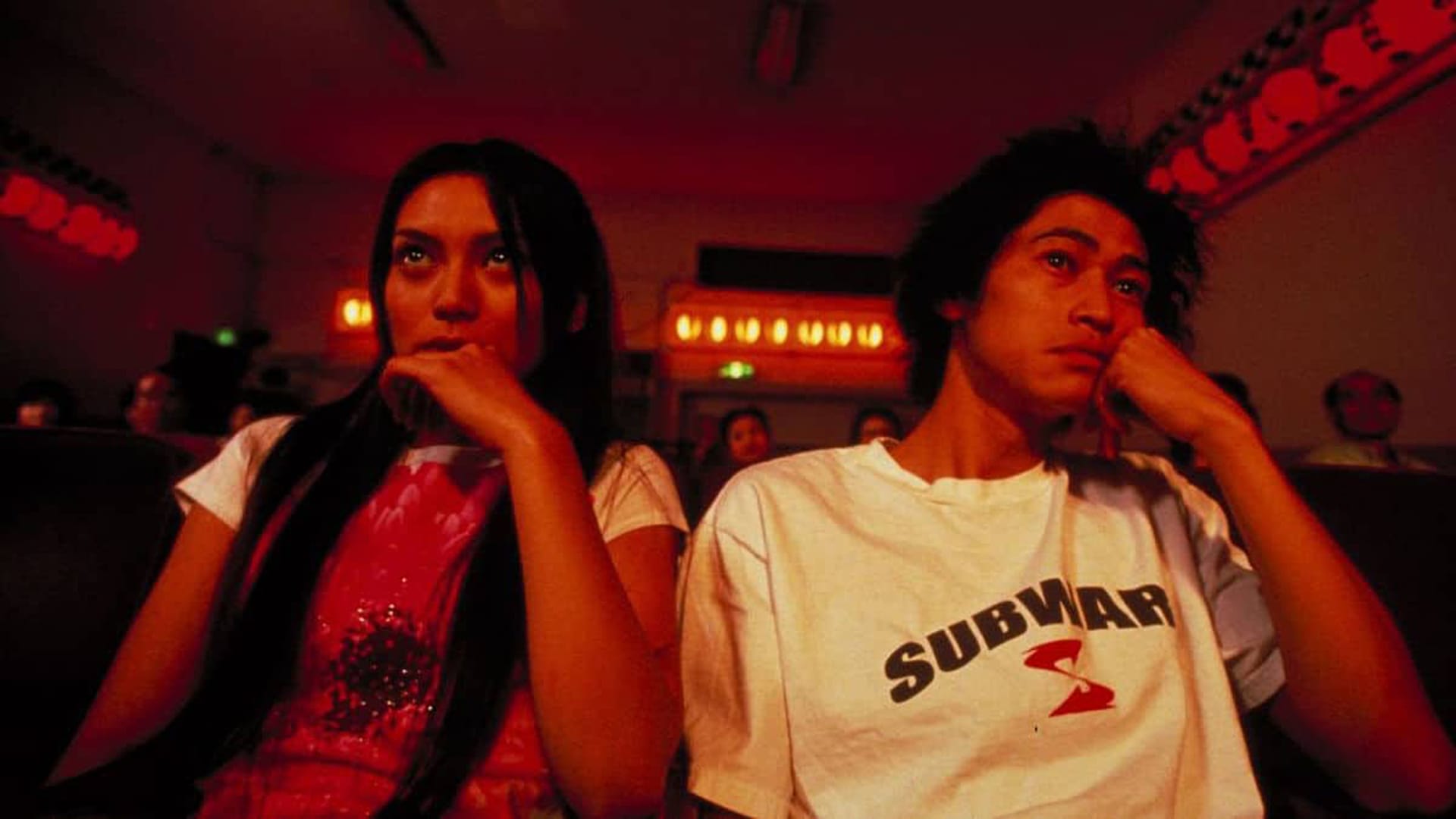
Ultimately, this is a coming-of-age love story between two high-school students seeking someone who can see them for who they are. Each have their own issues, only apparent by the unique methods each meet one another, but ultimately these are two students who feel seen in the arms and eyes of one another. The film immediately stands out, however, by tossing aside a pastiche of cliches for a mature view of young love, a relationship of immaturity that these secrets only complicate.
The relationship is delicately interwoven within the nuanced exploration of identity that dominates the film’s runtime. Sugihara has a Korean name and a life he feels he can rarely show and even needs to hide, but can’t throw away by forced necessity. As his parents enter tough times he takes on the lessons of being a fighter he was given, but doesn’t know where that places his future. Every comment keeps him on the outside, often to bloody and violent extremes. The other Korean people he knows face similar consequences as people on the margins, and far from privilege at that which only further places them in danger.
The film opens with a quote from Romeo and Juliet, and it’s through this quote and deliberate choice to tie the works together that the film falls into place. Jong-il is Mercucio, a close friend whose attempts to find a way to bridge the divide can only end one way. Our culture-crossed lovers are Juliet and her Romeo, although whether the film has the same tragic ending for this pair is not something this article will be sharing. Japan and Korea, under this metaphor, are the brooding families of Capulet and Montague.
It’s a comparison that only becomes more apt when you think about how the two coexist in both plays. While there is anger and feud between the sides in Shakespeare’s classic play, often leading to deliberate targeted decisions being made from both groups from positions of ignorance, it requires instigation for that to spill over. In GO, the Korean school teaches negativity of the land they are forced to live on the moment they step outside, and fights between bullies (or worse) will break out the moment it is instigated.
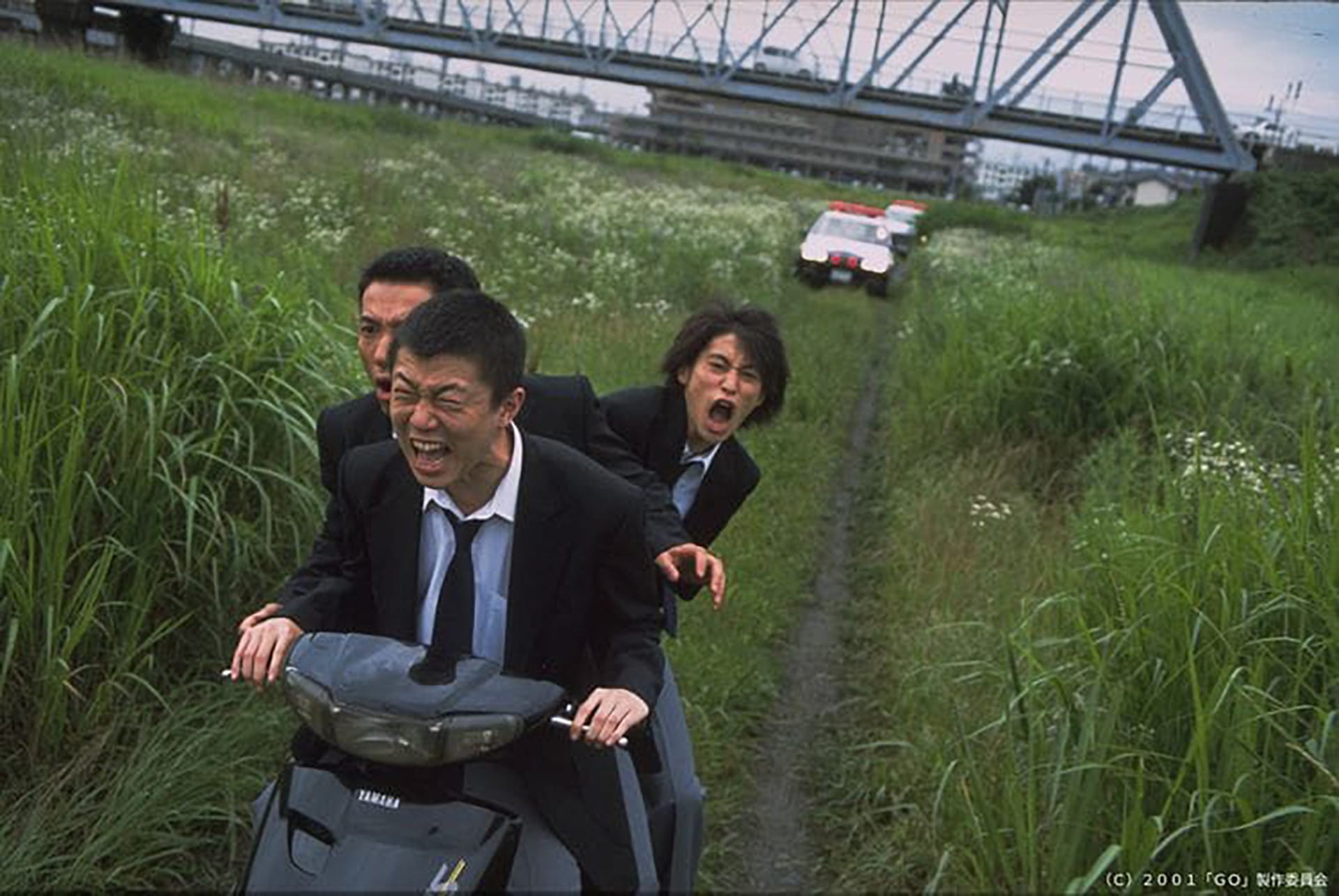
Yet still, love can bloom. Sugihara and Sakurai can fall in love without realizing the truth of them at first. Without the forced barriers placed by years of distrust with increasingly-meaningless origin, they realize that not only is there not that much which differs them, but that they can coexist. More, even. Dates to the cinema and other places are points of calm that change their worlds: Sugihara has only had reflexive anger before, but mellows when love helps him see a new side that complicates his search for a home between cultures.
It’s what makes GO such a powerful film even decades on from its release. There’s a universality of a discrimination to Zainichi Koreans that reflects on the immigrant and minority populations that cause debate today. Beyond relevance, it’s the method it tells this story, devoid of black-and-white morality for a nuanced story of messy people who nonetheless deserve a chance, and a relationship that anyone can relate that exposes how little is truly different, that’s where the movie truly shines.
scrmbl's Classic Film Showcase shines a light on historical Japanese cinema. You can check out the full archive of the column over on Letterboxd.