Cultural critics around the globe lament the loss of “monoculture.” Shared experiences and entertainment have vanished in an ever fragmenting landscape, leaving us less to connect over. Yet for those craving big ol’ happenings that are practically inescapable, Japan is the place for you!
Rock trio Mrs. GREEN APPLE put up boggling sales numbers while also boasting songs known by those ages 5 to 75. Cuddly creatures Chiikawa pop up all the time while also topping the summer box office. Shohei Ohtani could probably be prime minister if he wanted that. And, from this past Sunday, one of the biggest TV shows of the 2020s returned, after months of anticipation.
Vivant, stylized in all caps, originally premiered in July of 2023 on Japanese broadcaster TBS. Almost immediately after, the drama became a mega hit and one of those works that you have to actively work to avoid. It’s a drama and a thriller touching on geopolitics, finance scandal, terrorism, espionage and Japanese society among a bunch of other topics. It’s dizzying and oftentimes ridiculous…but always engrossing.
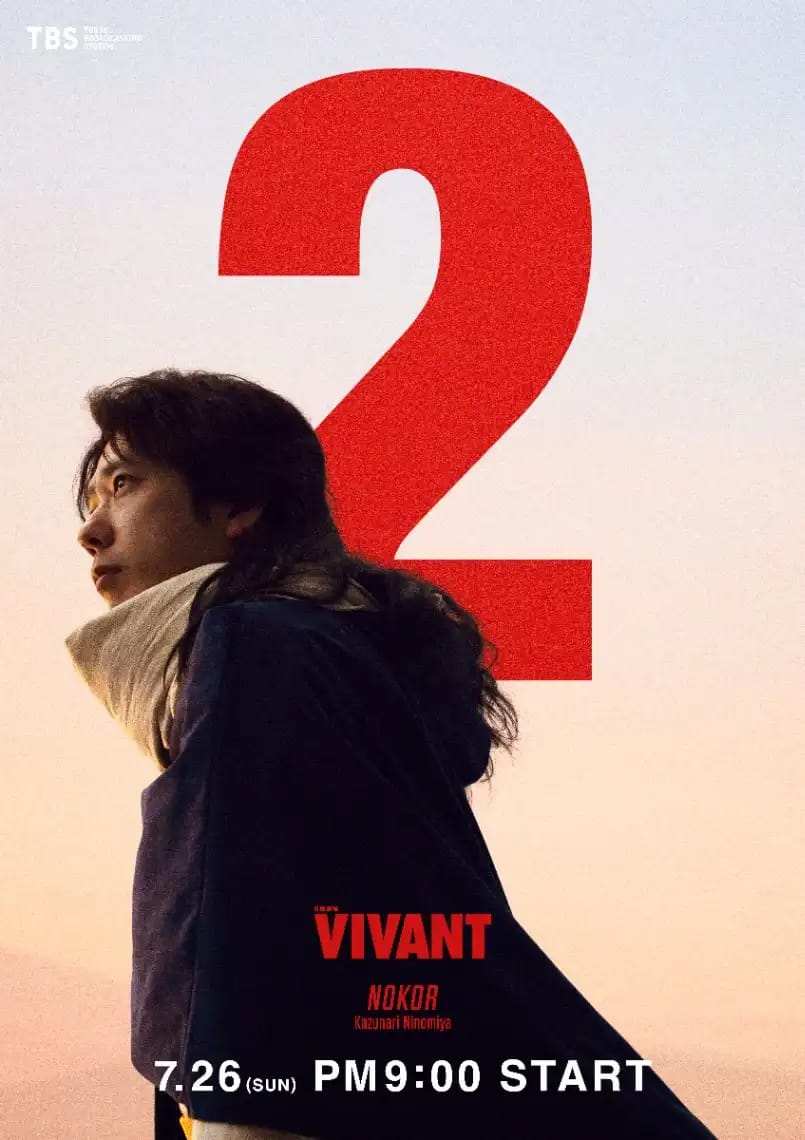
No TV show in 2026 garnered more anticipation than Vivant season two, and the first episode broadcast this past Sunday scored a strong rating just from the live airing. That’s not factoring in streaming, a space it surged even more (and can now be seen on Netflix with English subtitles). Perhaps it crossed your feed owing to a surprise cameo from video game creator Hideo Kojima, hinting at just how big the show has gotten.
With season two now underway, here’s an opportunity to learn about just what Vivant is…and why it has become such a cultural phenomenon in Japan.
What’s it about?
Vivant is written and directed by Katsuo Fukuzawa, also known for the 2013 series Naoki Hanzawa which turned the world of Japanese banking into a cutthroat realm. For his latest, he expands to something bigger and more global.
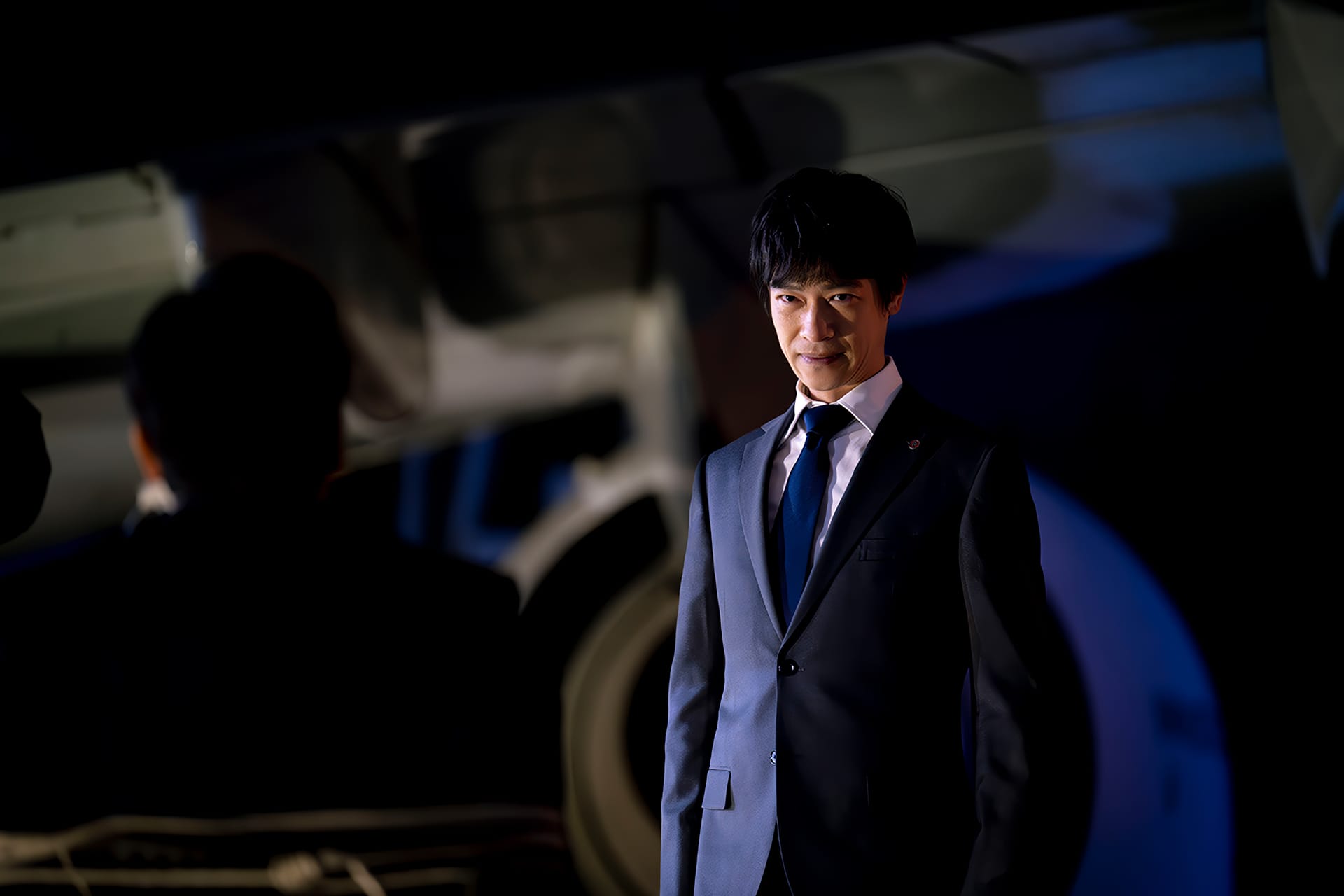
Without leading to spoilers, here’s the gist of it. Yusuke Nogi (played by Masato Sakai) works at a major Japanese trading company, spearheading a drive to build solar energy projects in the fictional central Asian country of the Balka Republic. His company mistakenly transfers $100 million to the country, which is extremely suspicious. Nogi is suspected of doing this…so he travels to the nation to sort this out. This doesn’t go smoothly, and he finds himself caught up in what appears to be a huge scam, terrorist plots and more multinational intrigue.
While in Balka, he meets Foreign Affairs office Mamoru Nozaki (Hiroshi Abe) and doctor Kaoru Yuzuki (Fumi Nikaido), who became central players in the series to come. From there, Vivant becomes an international thriller featuring dozens of characters, drama galore and cliffhanger upon cliffhanger centered around a threat putting all of Japan at risk.
A simple but relatively accurate comparison would be something like the American terrorism-focused drama 24 (influence made clear by time and place indicators done very much in the style of what that show had), with splashes of the 007 series or the Kingsmen films weaved in. Other Japanese series have tried to capture this same globe-hopping feel — including a Tokyo-centric version of 24 — but something was always lacking from them.
That “something” was a gigantic budget, which Vivant welcomed and is happy to show on screen at all times.
Why did season one become such a hit?
There’s a lot of reasons, but the biggest might simply be the element of surprise.
Very little about the plot or even who would be appearing in Vivant was promoted before it first aired. Sure, members of the cast were slowly revealed…but some of the biggest names, most notably Arashi member Kazunari Ninomiya, weren’t known to be involved until the debut. The story, similarly, wasn’t really elaborated on before. Tuning in was the only way to learn anything about it…or be wowed by it.
Part of that surprise came from the production value. The budget for Vivant (¥100 million) was more than double than what a primetime drama usually gets, in part thanks to TBS-backed streaming service U-NEXT putting a lot in with the expectation that the show — which would be streamed exclusively on U-NEXT initially — would grow the subscriber base significantly. Right away, that money is clear, with the first episodes largely being filmed in Mongolia and resulting in genuinely breathtaking shots of the nation’s nature. It splashes over every part of the show. The quality alone surprised people, as Vivant just looks flashier than anything else on domestic TV.
It’s worth mentioning that U-NEXT’s contribution worked…and one of the reasons the show connected so much was it being one of the first dramas this decade to really shine on streaming. Anyone who couldn’t catch Vivant live could easily jump on U-NEXT the following day to see it…or allow those who wanted to revisit it to easily view it again. The convenience made it an even bigger sensation, and underlined the growing place streamers have in the Japanese entertainment space today.
Though let’s also not overlook another core component…Vivant, like 24, is non-stop intrigue and drama. It’s also a show that excels at ending on a cliffhanger nearly every episode, making viewers even more anxious for the next episode to drop (or for it to load up during a binge session).
What’s excitement like for season two?
In the interim period, a spin-off series focused on a side character aired on U-NEXT, while a novelization and radio drama were released. People wanted Vivant.
Their hopes came true when Sakai announced on a news show in 2025 that a sequel was planned for the following year. More news trickled out over the following months, including that it would run for basically half the year (a rarity) and who would be returning to the cast.
Unlike season one, there’s far more hype leading into season two. The entire first season was broadcast again on terrestrial TV, and way more attention was paid on details about Vivant, such as filming locations (part of it was shot in Azerbaijan). There’s far more advertising and tie-ups this time around, including Vivant potato chips.
Despite a different vibe heading into it, season two is still the biggest TV show airing now in Japan and a truly massive hit that was once thought of as non-existent in the digital age. Yet for the rest of 2026, it will be television monolith in the country.