The roots of a future movement lies in the underground, away from the prying eyes of the broader mainstream. It can be lawless, rebellious, breaking-the-mold and a little bit extreme, but it attracts those who wish to break from the norm and seek out something new. The current rising electronic scene globally comes from the clubs of the late 2010s and the experimental mixtapes of the lockdown early-2020s. In the late 1970s, it was the punk and rock scene rising from the grimy underbelly of Shinjuku and Roppongi, inspired by artists like the Sex Pistols and Ramones and seeking to find a Tokyo- and Japan-infused twist on this imported sound. Street Kingdom: Make Your Own Sound brings that origin story to life.
Its director, Taguchi Tomorowo, is perhaps best known for his acting contributions to the films of Shinya Tsukamoto, but in the late 1970s he took his own path by leaving university to become an illustrator and stage actor. Only later did he become known for his work on the big screen, and one notable detour he took on this journey were his appearances in the band Bachikaburi in the heart of the 1980s rock and punk scene this movie is centered upon. Perhaps thats why, above being an illuminating insight and engaging drama about the building of the rock scene of the 1980s in Japan that would come to rise to prominence over the following decades, this film is a labor of love filled with passion and heart for the people who brought it to live.
Yuichi Jibiki (Kazonobu Mineta) was one of the leading figures in cultivating the Japanese punk and rock movement, a photographer inspired to move to Tokyo by hearing the Sex Pistols on the radio that leads to him becoming a documentarian for the underground and eventual founder of one of its independent music labels, Telegraph Records. After moving to Tokyo he discovers a rock fanzine called Rockin’ Doll that leads him to visiting live performances at venues like Shinjuku Loft where he finds an unrestrained passion that leaves him inevitably photographing the crowd and band out of sheer intrigue. It leads to him becoming their photographer and more embedded into the scene, chronicling the growth of the Tokyo Rockers movement that would come to shape the genre in its push for the mainstream.
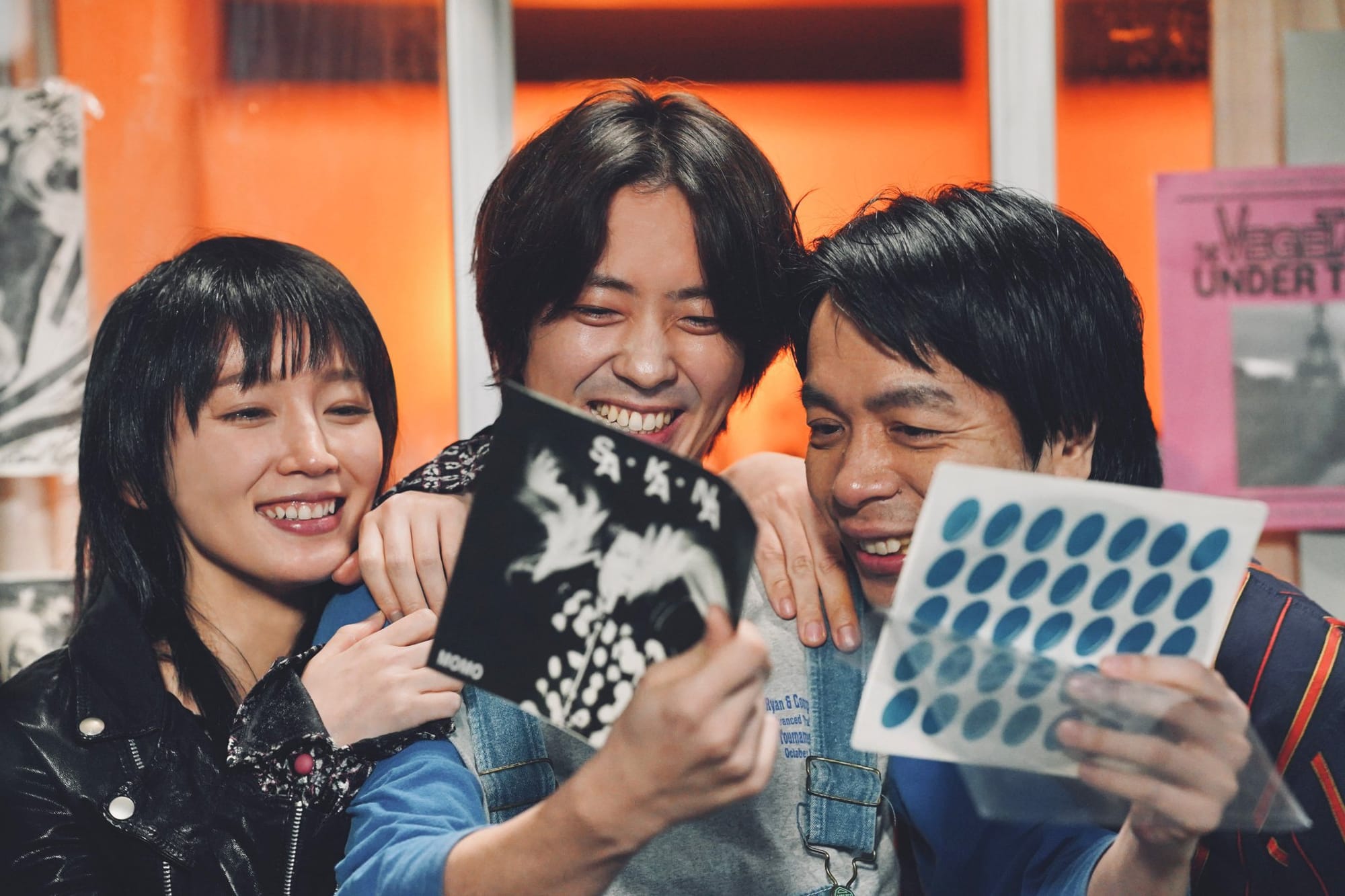
The film is indebted to the scene and the incessant and unquantifiable energy that sucked people into its orbit. We get thrown into the deep end with one particularly raucous punk band throwing pig heads and urinating over the stage and attendees at a university music festival that shows the furthest dredges the scene can reach, before pulling back to track the journey there and what comes after that shapes it to what has been known today. Yuichi is almost naive at the start, a trait that aids him becoming embedded with two particular characters - Momoyo (Ryuya Wakaba), the lead singer of LIZARD, the group he first photographs, and Sachiho Kojima, who published the Rockin’ Doll zine and would go on to be one of the founding members of legendary all-female rock unit ZELDA.
Their friendship is the rooting elements that allows us to track just how the scene evolves in the following years until the founding of Telegraph Records in 1981. If anything, compared to a lot of biopics that can at times feel bogged down by a procession of key events needed to tie the story to real events that distract from the emotional core, this flips the script by making their friendship and tribulations the driving engine of the entire film. The result comes across more like a drama about these friends told against the backdrop of this key moment of Japanese music history than a dramatization of a life and career.
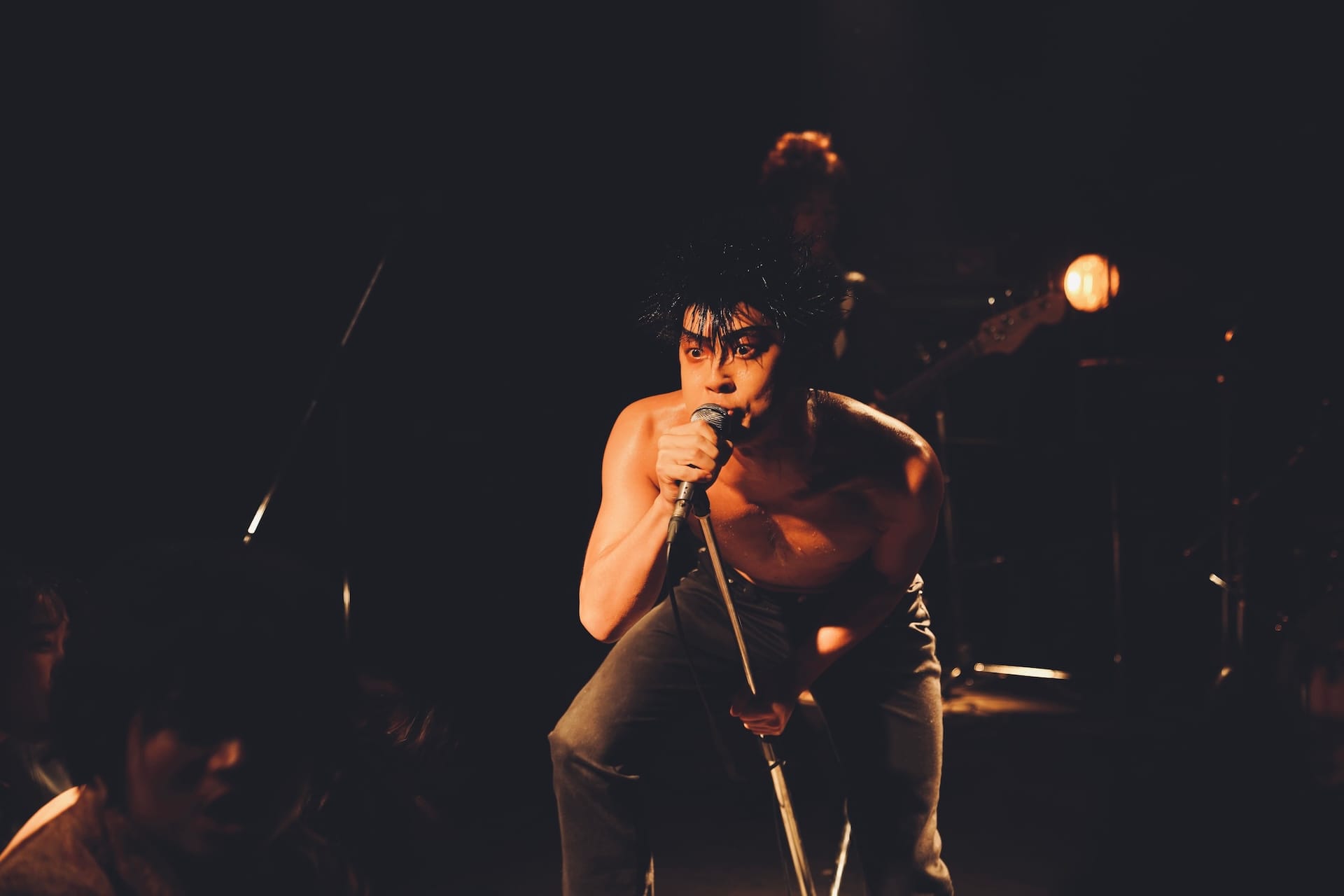
This shift in focus allows the film to find the right balance between the medium it uses to bring this history to life, and the dramatic cues of this storytelling medium. It means that even if you have no interest in Japanese punk and rock music from the 1980s, you can easily find a connection to the genuine bonds these characters form while learning about the roots of this movement. The early years of Momoyo, Sachiho and Yuichi’s friendship can feel almost idyllic, people in their early 20s finding individualist pride and purpose from their differing lives that brought them together.
Which is exactly the space that Japanese rock and punk existed when these three people came together. After the end of the major protests that dominated the 1960s to a more docile 70s, this was a space to vent frustrations over the stifling authority by an outcast youth towards angst and rebellion. To shift towards a more open view of the world the sound, the freedom to express as a crowd and artist alike inside these spaces was a challenge to the more restrained sounds of Japanese pop and other genres, and the broader populace, embracing self-expression. Yuichi had been a rural man without anything to care for, Momoyo was intoxicated by music influenced by the store his parents ran, and Sachiho found an outlet for express herself when women’s voices were still held back.
Seeing each find and lose themselves (as the film’s downturn in the second act centers and serves a particularly emotional beat when drugs take hold), tracked to their actual lives and the shifts in an underground movement finding purpose, makes for enthralling viewing. It helps this is a drama coming from a director with not just the knowledge but first hand experience of this space at the time it is being portrayed, enhanced further by primary materials. Actual photography from Yuichi is used to root the film firmly in the era, and allows the more modern livehouses used in recording to look like the classic Shinjuku Loft or S-Ken Studio the film’s music scenes often take place in.
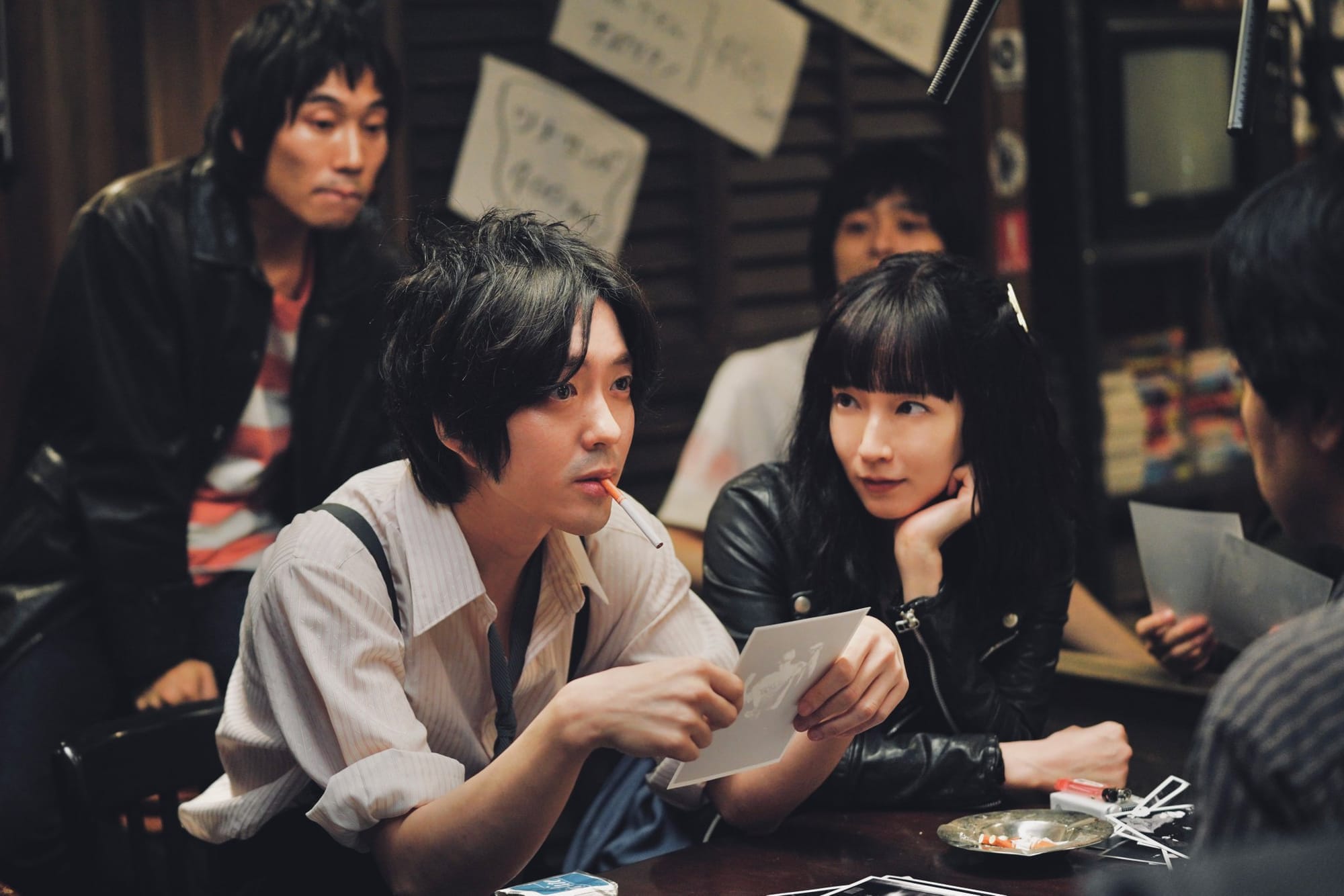
If anything, though, there are moments where Taguchi’s closeness to the scene being portrayed can be at the detriment of Street Kingdom as a film. While it may be too harsh to call the film sentimental, it is clean and unproblematic in calling to the extremities and anarchism of the scene, each scene feeling imbued not just by fact but the personal biases of a director with such a close connection to the moment that it can feel like the broader public’s reaction and certain issues fueled by their actions are entirely overlooked.
The Tokyo Rockers specifically burned brightest in the final years of the 1970s until 1979, with the 1980s seeing the movement continue evolve, grow and find its biggest success. The film, in turn, ends with the end of the Rockers and the foundation of Telegraph Records and thus does not cover this era. Yet to entirely ignore the external response even from the period it was covered leaves the film feeling insular and ignorant of the circumstances that brought the music movement into being, beyond its international punk inspirations within the origin story.
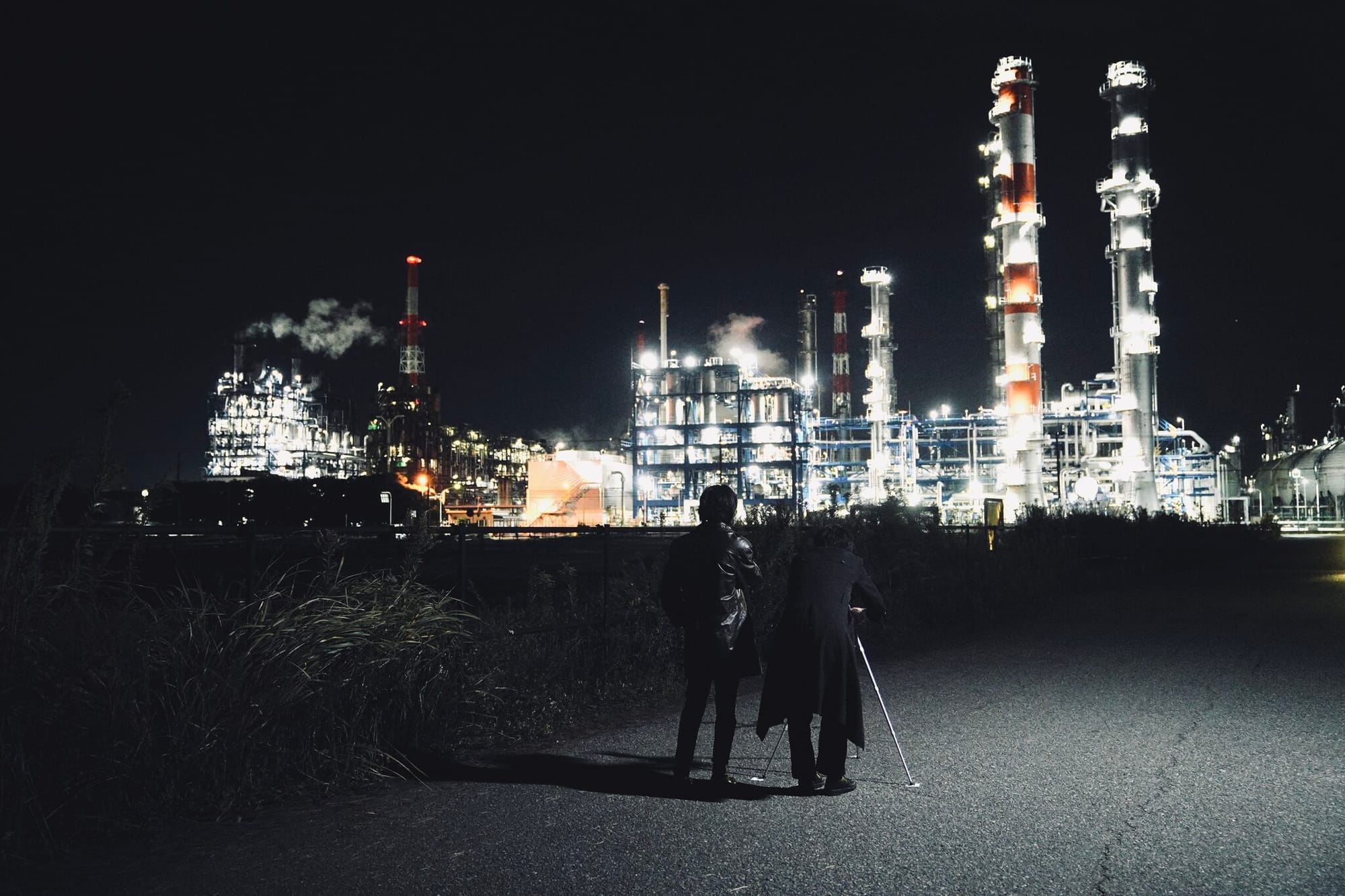
That’s not to say this is a bad film because of its sentimentality. The film’s core and its ability to bring the raw emotion of the punk scene at this time to life and preserve this history by bringing its photography and stories to a modern audience make it a triumph, a historical drama set on chronicling modern Japanese underground history before those who can tell its story are gone. It’s vital, and it just so helps that Street Kingdom also makes for an entertaining theatrical experience in addition.
Japanese Movie Spotlight is a monthly column highlighting new Japanese cinema releases. You can check out the full archive of the column over on Letterboxd.