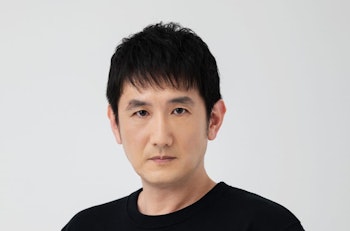
“It’s a story about my family,” Taichi Kimura, the director of Fujiko, tells me. We’re sat in a quiet office on the outskirts of Harajuku and Shinjuku, discussing the development of his second film (his first, Afterglows, released in 2023). Beyond minor embellishments for dramatic effect, the most damning element of this story is that, for all this film showcases the extremes of the titular character’s life, the most extraordinary aspect can be just how berated this woman was for daring to commit the sin of being a single mother in 1970s Japan.
Released in Japanese cinemas last month, the story follows a young woman whose life is turned upside down shortly after the birth of her first child. The family she married into aren’t exactly rich, but they do own their own factory that everyone in the family works in, including her and her husband. While she first is free to take time away from work to care for the newborn, she soon becomes pressured to return by a hapless husband parroting the desires of his parents. When she does, her mother- and father-in-law kidnap the child from her in fear of it distracting her from her job, and it’s only after a strong-armed intervention by Fujiko’s mother and a later forceful re-entry to take her back that Fujiko can even reunite with her child.
The marriage is quickly annulled, as one would expect, but that’s only the start of this tumultuous saga. Single motherhood was both frowned upon and highly uncommon in 1970s and 1980s Japan, never mind the lack of support offered for the few who went down such a path. How does someone in her situation even get childcare for a newborn, or earn the money needed to care for her?
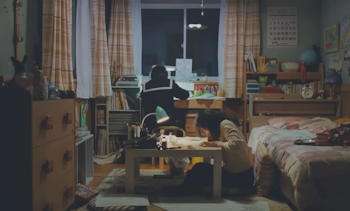
The following film is almost-episodic in nature, starting with the birth of Fujiko’s child, Mari, on a stormy night in Shizuoka in 1977 and taking us through the turbulence and tribulations of attempting to raise the child almost-entirely independently. In doing so, the film is very socially conscious to the era, unafraid to lay bare the inadequacies of how she is left behind in a way that emphasizes just how little has changed in the years since, while allowing Fujiko’s determination to shine and the support of those willing to help to emphasize community’s role in raising any child.
Beyond some select moments for narrative intrigue - while Kimura’s mother did cook for the yakuza to raise money as we see in one sequence, she wasn’t arrested as she is in the film, while her brother isn’t quite as much of a boorish figure dismissing her independence and was actually far more supportive - the film is otherwise true to life. It was almost made for the big screen.
“My mom's been telling me this story since I was in kindergarten or something like that, as far as I remember,” Kimura continues. “It’s a very surreal story in that it's hard to believe whether it's even real or not. I always thought that it was a fantastic story when my mother would tell me about it, and maybe I should share it in the public one day in some kind of creative way.”
Taichi’s road to becoming a director is a similarly-unique one. Born in 1987 in Tokyo, he moved to the UK at the age of 12 and, even from that age, had the intention of becoming a filmmaker. After studying at Central Saint Martins College of Art and Design and the London College of Communication, he would go on to direct music videos and other creative short-form media before developing his first film. An intriguing story also based on his family history, this was also a far heavier and weighty story. While Fujiko certainly touches on deep issues and family history, it’s far more energetic by comparison, with a punk-like energy to how it tells this determined story of motherhood.
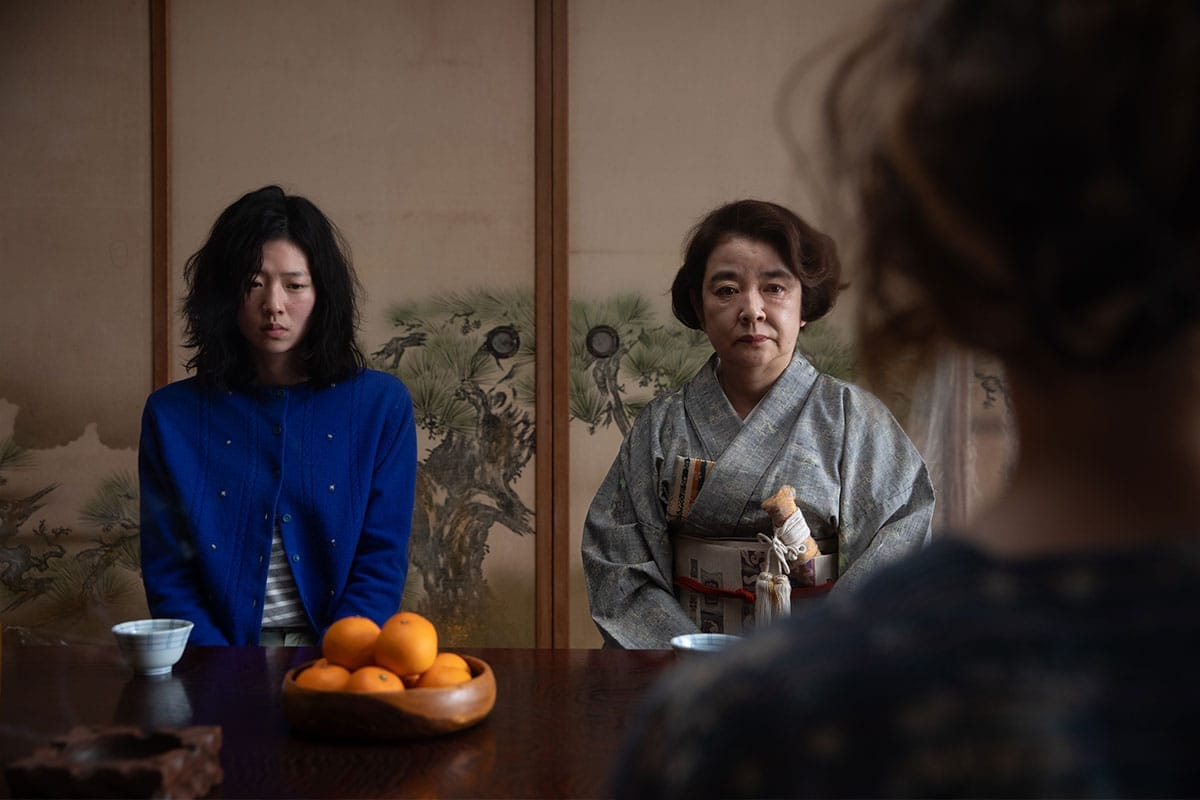
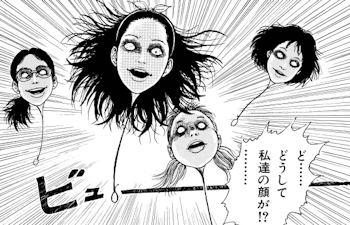
It’s having fun and innovating in the editing and creative style in ways that feel fresh. In that sense, it immediately stands apart from not just his past film, but many others in the realm of Japanese cinema. Japanese cinematic language developed over the decades, even today, derives heavily from the auteurs of the 1940s and 1950s - creatives like Yasujiro Ozu and his dramas told with long, static takes, or directors like Masaki Kobayashi or Akira Kurosawa. Even in their grandiosity, there is a stillness and a theatrical, stage-like care to their cinematography. By comparison, the tumultuous life of Fujiko is matched by a fast-paced and dynamic editing and filming style defined by ambitious moving shots, handheld cameras and the use of both music and multimedia integrations. There’s an animated sequence in the film that suits this intensity well.
The film even switches genres in the process, with homages to yakuza films when Fujiko plies her hand earning money as a chef for illegal gambling rings. That being said, most of the influence in filming style definitely feels more in line with Western filmmaking than Japanese lineage. According to Kimura, that’s intentional. “I would say like 98% of the story is inspired by Western directors, for sure. I’m definitely inspired more by Western films than Japanese films, ever since I was a kid. I preferred Hollywood films and British films, and when I moved to the UK when I was 12 that view was only expanded even more. I use music a lot, and that’s definitely not like Japanese films which they like to use a lot less, but I feel that matches this story’s rock ’n’ roll vibe more, too.
“Rock 'n' roll is always questioning the stance of the society or government or a way of life, there’s an anarchic quality to it. That spirit is reflected in the film techniques I’ve used, but I also want to question whether it’s ok to just keep with this static, same style of filmmaking in Japan, even if I still wanted it to feel like Japan.
Which is an important distinction to make. This is a film that, despite these Western influences in editing and filmmaking approach, feels Japanese, through its cultural roots. Japan has become an ever-more-popular home for filmmakers to create stories within in recent years, most notably seen with Wim Wenders’ Perfect Days and 2022’s Bullet Train, but includes stories by renowned creators like Martin Scorsese (Silence) and Werner Herzog (Family Romance LLC). This trend, however, goes back decades - in the 2000s two notable examples include Fast and the Furious: Tokyo Drift and Lost in Translation, with examples going back even further still.
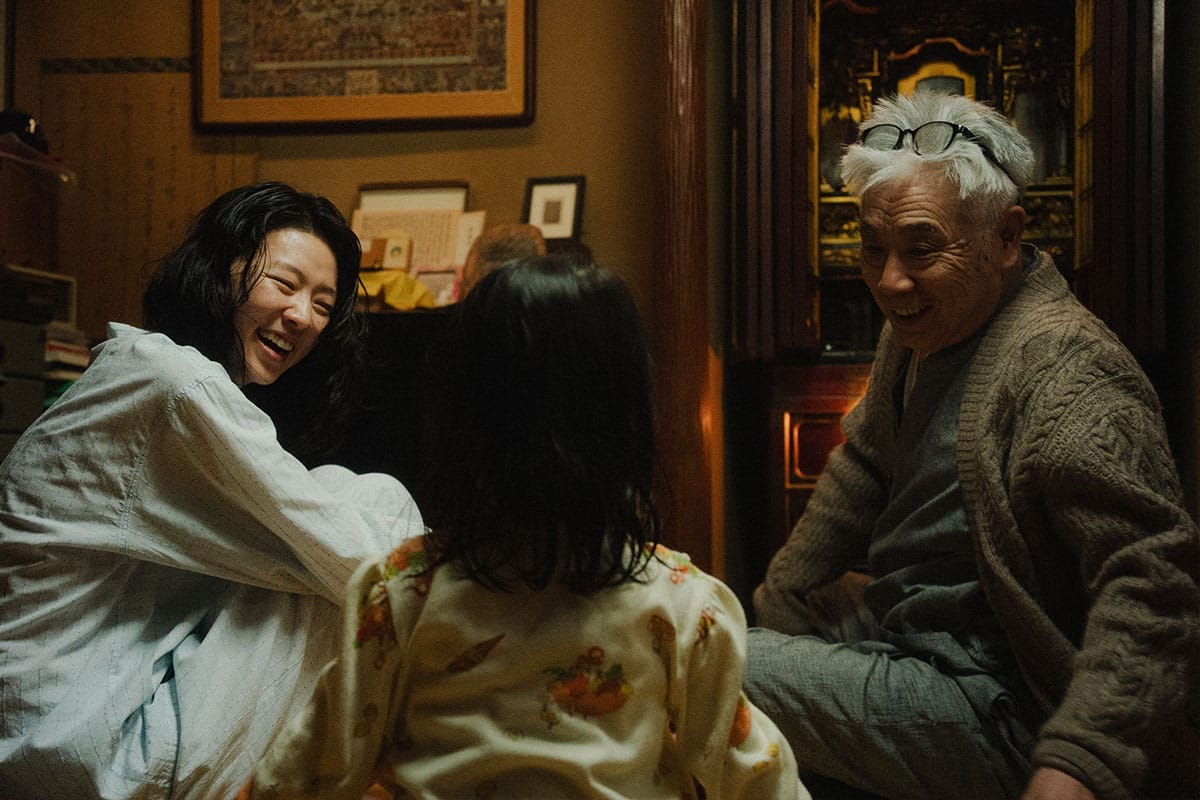
“I think a lot of Western directors have challenged themselves to film in Japan, but when you go outside of the US or England, each country has such a huge cultural background and not having the history and tiny details matter in creating an authentic story. I've seen a lot of American Hollywood films that try to do something in Japan, but it just doesn't look like Japan in some way, and it’s in the tiny details.”
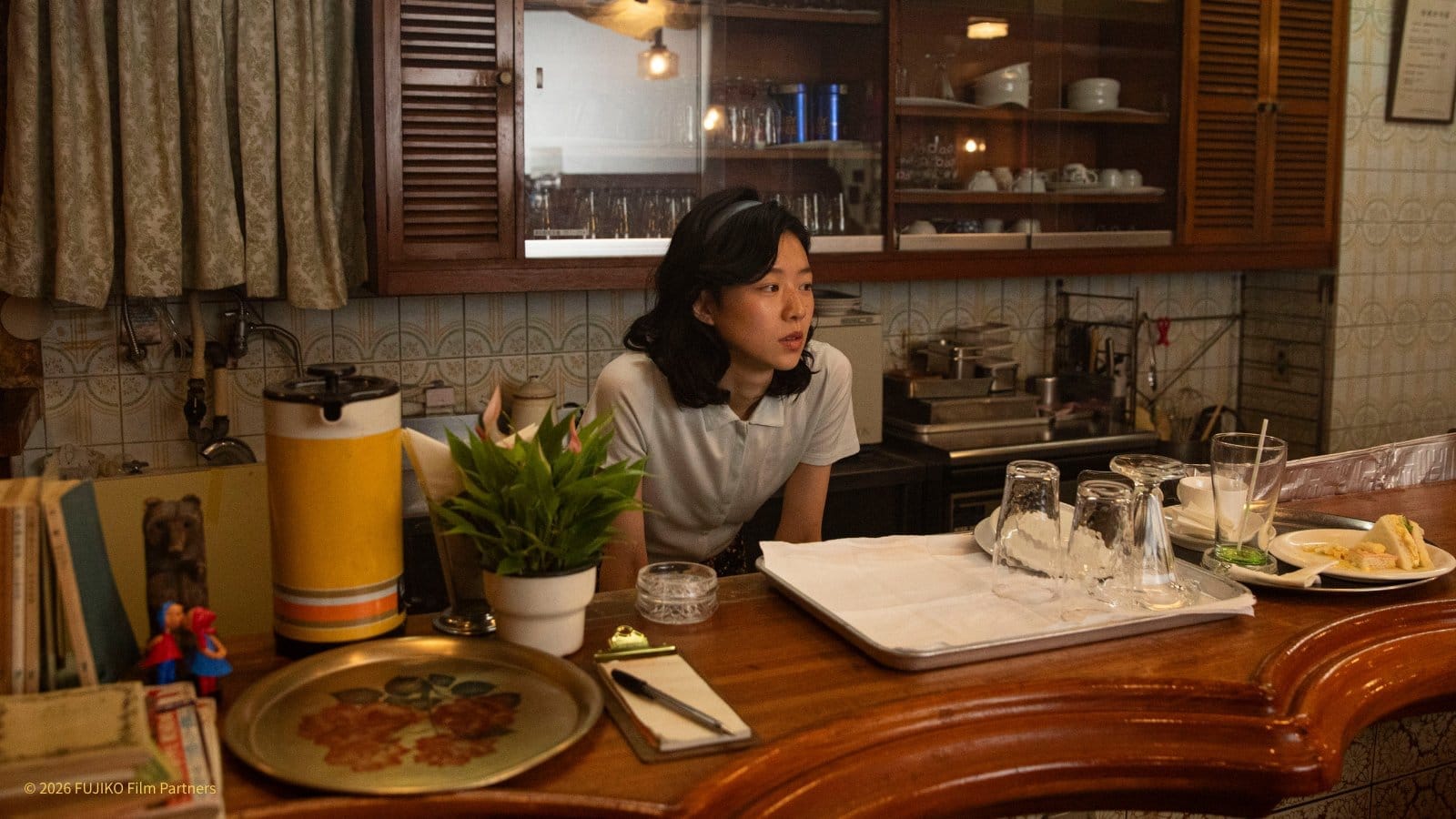
You notice those Western influences - the comedy is more stand-up or darkly deadpan in a way that can be seen in Japanese creators like Takeshi Kitano, but feels more deeply inspired by British comedy. Yet ultimately, this is a Japanese story, not just in its characters or the history underpinning, but how it integrates cultural ideas into it. Food, notably, is core to this, not just when Fujiko attempts to raise her child by cooking for the yakuza but in her relationship with Kiyoshi (Issey Ogata), the soba noodle chef who helps her as she attempts to get on her feet. In one scene embodying their relationship, she enters the store in a low moment in her struggle as it seems like everything she has built is falling apart, and he simply makes her noodles.
This is repeated towards the end of the film, with even more care taken to show the process in preparing the noodles. Actions speak louder than words, and food can silently bridge a gap of love and connection in many cultures, but especially so in Japan. And it’s those silent, unspoken touches, rooted in the home and people who live in it, that bring the film together. “There’s this thing called toshikoshi soba, which we eat on New Year’s Eve, and the idea is that it's to chew up all those bad luck from the year. I didn’t really know that at first, but I knew then that the soba would be perfect to represent the suffering she faced as she moves forward on the next part of her journey.”
It’s this careful blend of ideas that makes the film so unique and entertaining. It’s a Japanese story, edited and told in a way that aligns with other up-and-coming Japanese directors like Makoto Nagahisa to create in a new style that seeks to evolve and revolutionize Japanese cinema. Even the fact this story is being told feels aligned to that. A story like this feels feminist in a way that highlights how women are viewed, and despite its historic setting and some improvement, emphasizes how much remains unchanged.
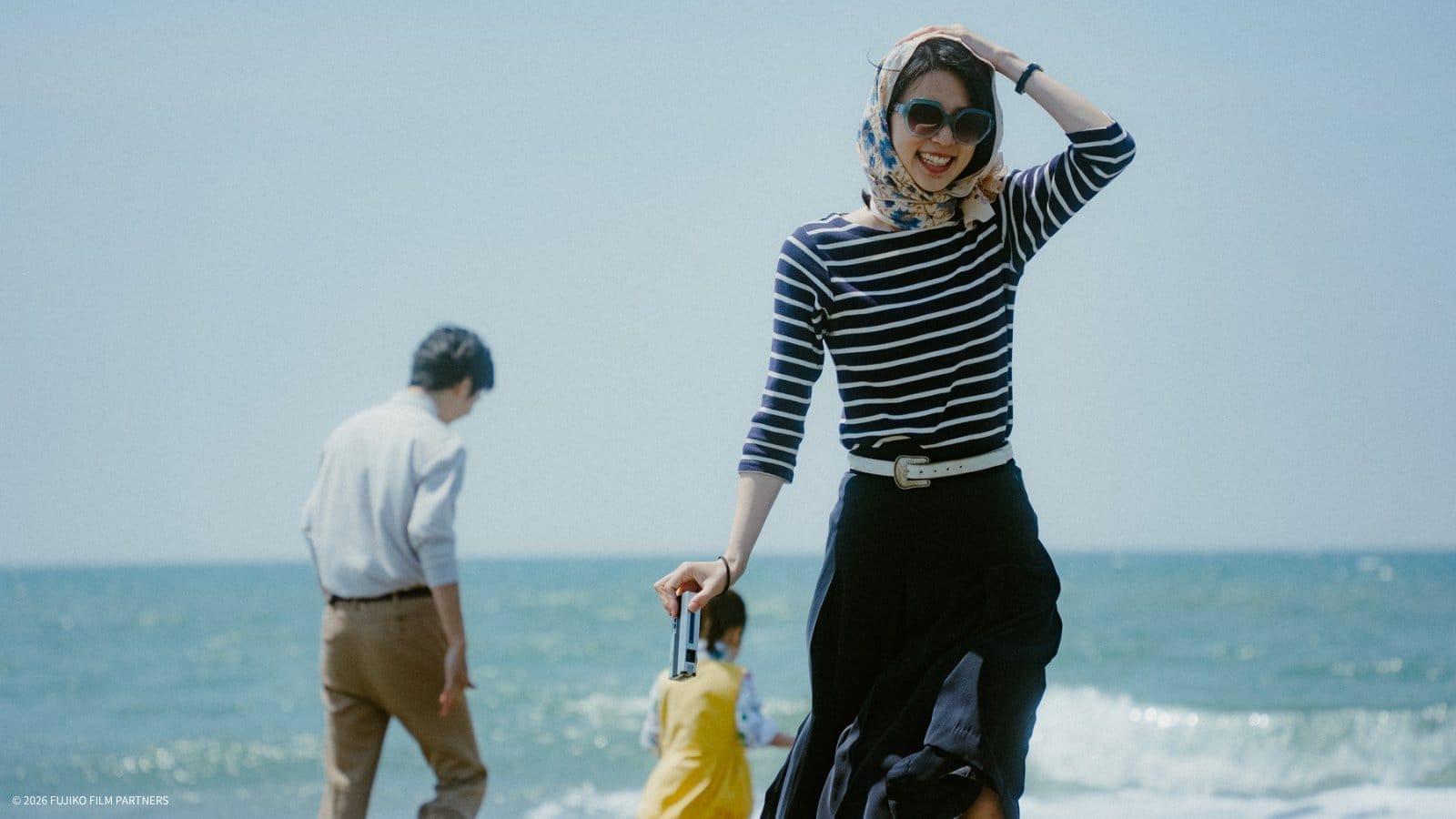
This was deliberately considered by Kimura when developing the film, though a balance was considered between making a deliberately-feminist work and not packaging it in such a way that would push away audiences who may avoid any work that could be viewed through this lens. “I did a lot of research on feminist ideas when producing the film, because I knew this story will definitely emphasize how her actions were very feminist, and I didn’t want to treat that lightly. So I spent a lot of time researching the history and philosophy of that.
“But I wanted it to come naturally in the story. My producer, MEGUMI [who also stars in the film] wanted me to push that further, but I felt like if you see Fujiko's behavior, the feminism part of the story will naturally come out. So my job was to try and make a film that any gender or someone who doesn't understand feminism would watch and think it was cool. The people who understand and care about it, to make it just for them is preaching to the choir, so I wanted to include all these interesting elements that would bring others in, which is where the animation and music and style comes from.”
Fujiko is one of the most interesting Japanese films of 2026 so far, and its success is already being seen both inside and outside Japan. The film was selected at Udine Far East Film Festival where it took away the top prize, and has planned international distribution later this year. A key to that success is a new perspective from a director with both Japanese and, thanks to living there much of his life, British heritage, a genuinely-fresh creative vision, and a desire to tell new stories that haven’t been often told within the world of Japanese cinema. Stories like this feel rare in Japan, but it’s also the execution that takes it beyond a unique curio into a genuinely must-see film.