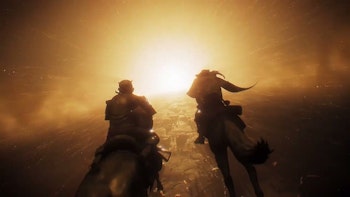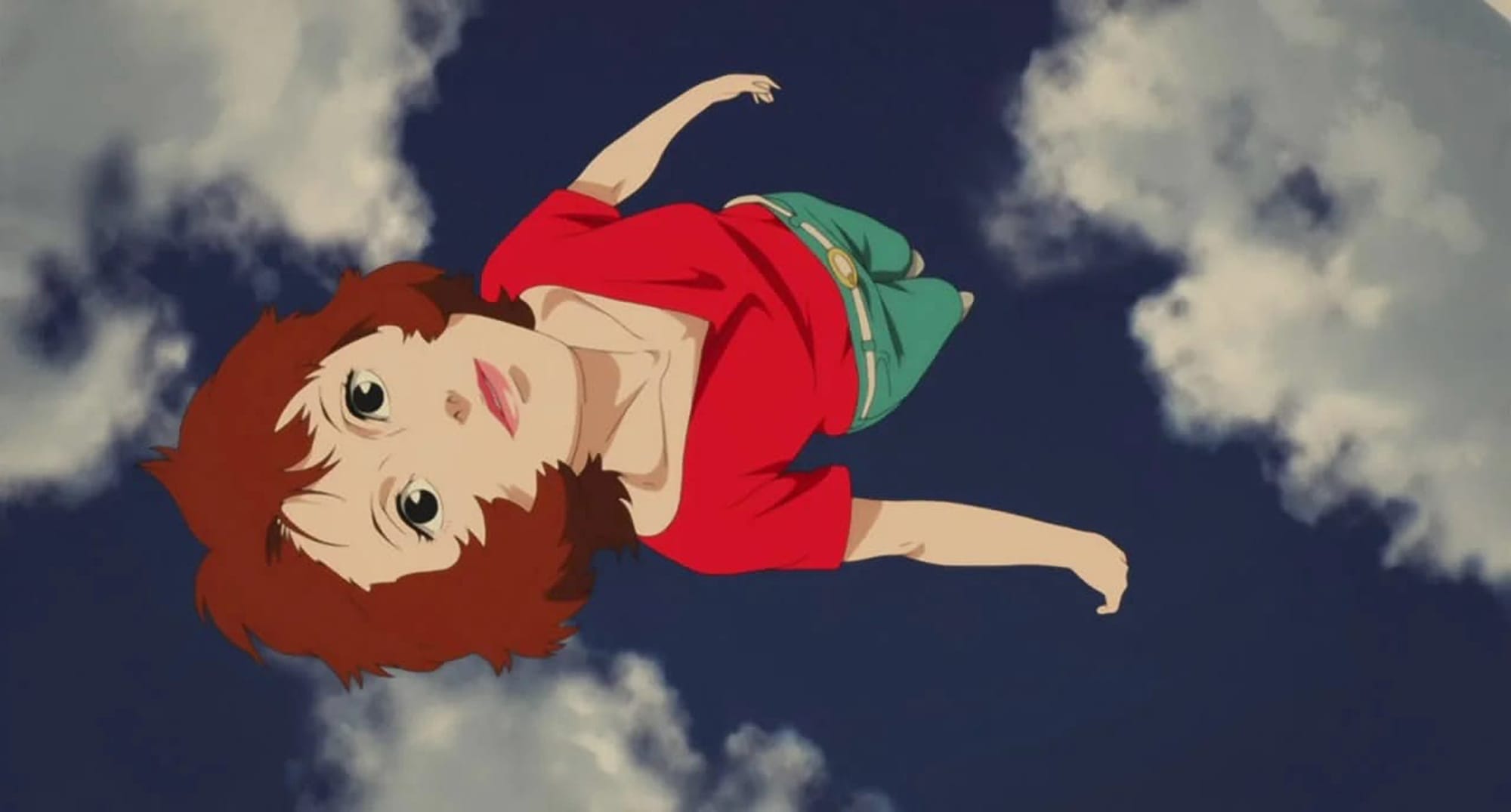
When Paprika first hit cinemas in 2006, few expected it to be Satoshi Kon’s final film. Yet two years later he was dead, his final film Dreaming Machine remaining an unfinished what-if spoken only in concept art, unfinished animation cels and a promise to complete it posthumously that became impossible without his guidance. Even today, few make films like he did, and for all their relative middling box office performance compared to hits of the day left them relatively less-versed, these stories are recognized for their quality and the unique stories housed within. Because few could approach human psychology and relationships like he did.
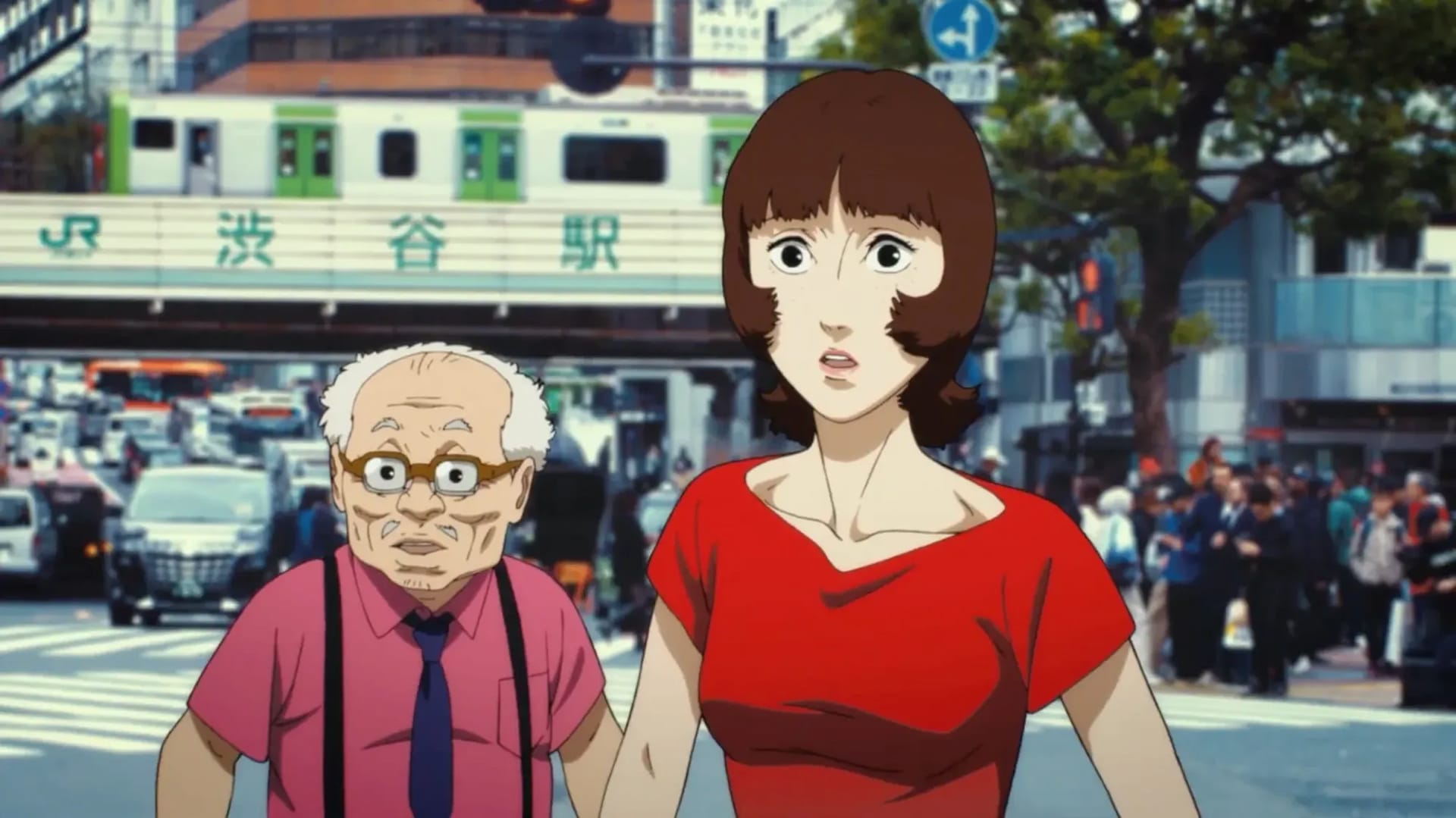
Indeed, twenty years later, they endure. With 2026 being the 20th anniversary year of this monumental film, Tokyo has been awash with memorials and retrospectives bringing its imagery to the Tokyo urban landscape. A few cinemas around the capital, centered mostly on Shibuya, have held anniversary retrospectives for the director’s work with this as its centerpiece, all in new or recent 4K remasters that ensure this work has never looked better. Even beyond the center of culture that Tokyo tends to command, thanks to a partnership with PARCO, a few cinemas nationwide have joined in the festivities.
Meanwhile, the company’s department stores hosted pop-up stores featuring all-new merchandise bearing the bustle of Paprika’s many dream sequences to mark the occasion.
The film is, first and foremost, a thriller. One blending reality and dream till the border becomes indistinguishable. Atsuko is a therapist, but also a doctor working with a small group of researchers to develop the technology needed to dive inside dreams as a new way to analyze and see their deeper insecurities, entering them in the form of her dream identity Paprika. It’s a wondrous idea with genuine abilities to help the lives of patients, until it appears to be hijacked after prototypes were stolen and malicious actors are acting in these simulated yet connected, human-driven dream worlds.
Soon, the real-life world is awash with people acting unusually with this invasion of dreams seemingly to blame. What follows is a mystery tinged in the hypernatural, surreal imagery the film has become synonymous with. Paprika takes advantage of its constant flirtation with a convergence of reality and dreams to disorient its audience like the victims into being unable to truly discern between reality and dreams. The dreams are defined by their intensely-detailed unusual sequences of doll parades and warping worlds that contort around us, yet when you’re that far lost in the dream through manipulation, what is actually real at the end of it all?
For all the visual spectacle is most remembered thanks to how viscerally it is rendered on screen - few films are this detailed and beautiful to watch even today - this only succeeds because the film’s story supports how deep the rabbit hole and break from reality goes. In many ways this is a thematic continuation of the questions explored by Kon in Perfect Blue, as outside voices begin to warp your sense of self and how grounded you are in the world till the hallucinations and the border between what is real and what is imagined breaks. You see this in Paprika with how dreams are causing people to even commit suicide without even realizing what they’re doing. It all looks so fun when it’s sequenced like a synchronized dance, a dive into the pool of concrete below.
That’s all while ignoring the film’s soundtrack, which even in comparison to his other films stands apart. While not his first project with Satoshi Kon having worked together since Millennium Actress, Susumu Hirasawa’s techno-infused new wave soundtrack for Paprika is so far beyond typical cinematic language and melodic structure in the context of film to emphasize the break from the norm the film goes for. It’s also become somewhat iconic, capturing an uneasiness with a twinge of avant-garde flair. It’s almost too whimsical to the point of revealing the darker underbelly of these ideas, and as the mystery unravels further even the music deconstructs.
It’s somewhat fitting that back in 1991, the composer’s second album The Ghost in Science features a song titled “Dream Machine”, just like the central conceit of Paprika, with melodic ideas from the song being lifted and used in the soundtrack. Both songs share a conflict between a human voice and a technological incursion that feels like a tug-of-war of truth. For a film exploring depersonalization and a sense of self in an unrecognizable world, it fits neatly. The core question of how much of the inner self can be allowed to spill into the outside world and what is the consequence of revealing it is a fascinating conundrum that the film uses symbolism and stunning animated set-pieces to explore through feeling and an attempt to stir the soul into pondering the question in reflection of your own experience.
Which explains why the film endures. When looked at from a 2026 lens, we are in a world where the borders between the imagined and non-physical world and reality have merged beyond recognition through the incursion of the internet and particularly AI. At this point, the hallucinations of the machine are making it hard to parse the truth of the space around us and creating an erratic, hard-to-understand reality that requires anything to pierce the noise. Is that a return to the old? A cut-off from that which causes the harm? Whatever it is, the things we see no longer necessarily correspond to the truth when even a picture goes through so much processing from the moment you press a shutter button to viewing the result that you have to question whether this is actually a photo of the thing you see with your own eyes.
They may not be our inner dream world, but is this much different? As people look back with a lens of nostalgia at the past, it happens in part as a way to retreat to a space where, through viewing its differences and bringing back the things that make sense, we can maybe find a way to understand and live in a crazy present. Paprika, in many ways, appears to offer an answer, or at least a lens through which to understand, a hallucinated present.

For some, of course, it’s merely the name and images of Satoshi Kon, the beauty of his animation and designs, that endure. You don’t need to know the story of Paprika or have seen that film to see kaleidoscopic promo pictures on the entrances of a PARCO building or on a t-shirt and think they're cool. But it also wouldn’t be a story people continue to discuss if it didn’t still have something to say all these years on from its original release.
While we may never see another film from Satoshi Kon, it’s hard not to feel like, were he to make a film to comment on our current world, the result would not be too dissimilar to Paprika. Watching its stunning animation and pondering the story as it unfolds until it becomes so driven by emotion over logic that you can’t help but allow it to wash over you, it’s a wonder to behold even now. It’s just that the message it spouts is more potent than ever.