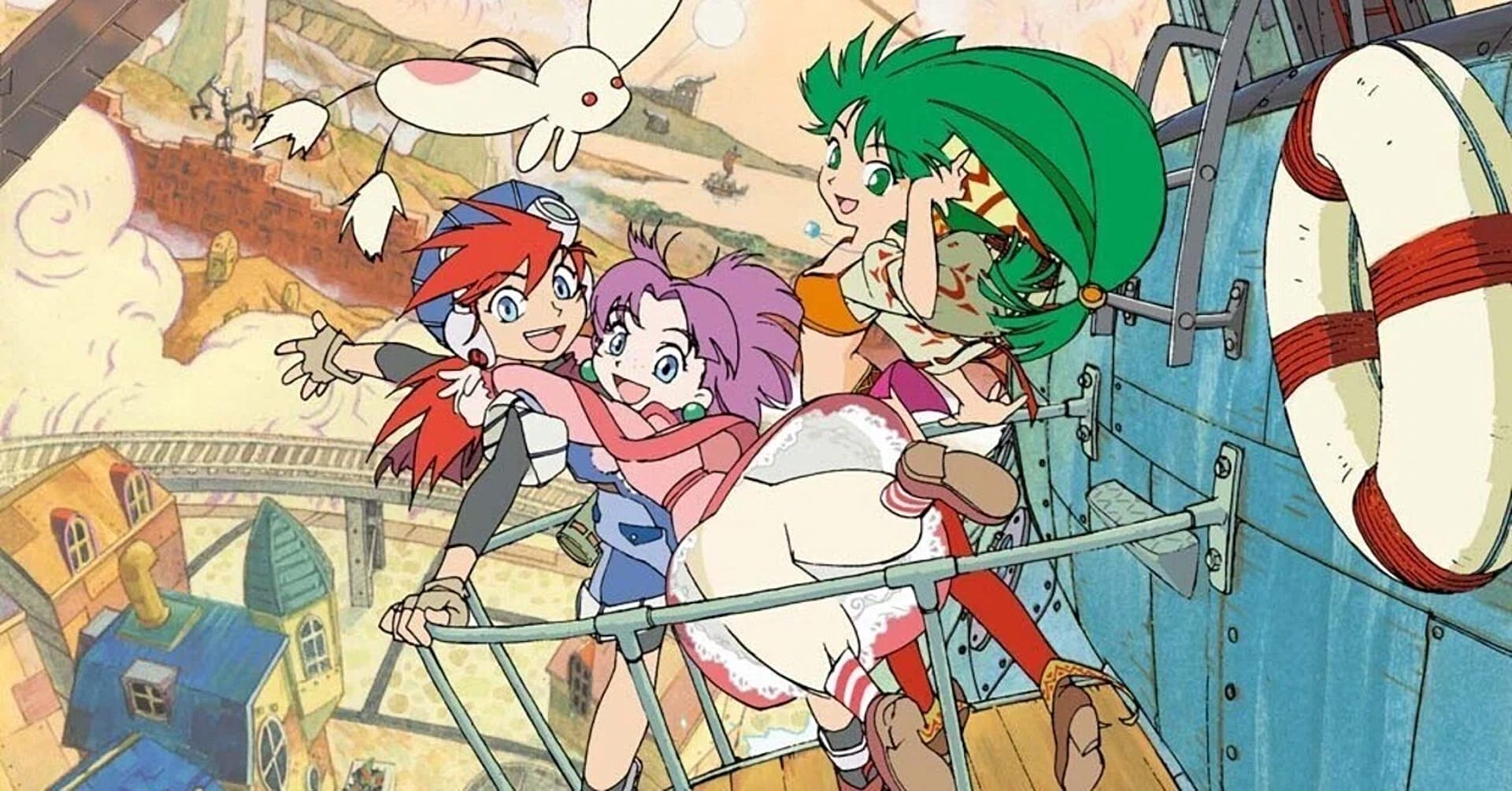
©GAME ARTS/ESPThe 90s were the golden age for Japanese RPGs, with companies like Square and Enix building on franchises that became gaming staples over the 8-bit and 16-bit eras. Other companies like Game Arts dared to innovate with their own take on the genre, focusing on a much more anime-like aesthetic and styling to set themselves apart with a more artistic approach to the idea of a video game. After gaining a decent following with Lunar: The Silver Star and Lunar: Eternal Blue, Game Arts attempted to hit it big with their series Grandia, released at the end of 1997, almost as if a pseudo answer for Sega’s Saturn hardware to Sony Playstation’s giant hit of the year in the genre, Final Fantasy VII.
While it may not have been a bullseye in that regard, the series remained successful enough over the next decade to gain a steady following of fans, and made its way to other hardware after Sega’s exit from the console scene following the Dreamcast. Along the way, it showed how Game Arts took their vision of merging artforms that started with Lunar and continuously built upon the ideas they conceived as the capabilities of hardware improved.
Grandia combines adventures, ambitions, and mythology
Classic JRPG tropes typically follow stories that revolve around heroes rising up to overcome an existential threat to the worlds they live in. While games in the Grandia series typically arrive at a similar endpoint over their course, the central focus tends to be placed on characters that set out on adventurous or ambitious endeavors, and unwittingly find themselves entangled in conflicts that are representative of this threat. The journey itself plays a larger role, and presents a great medium for the series to explore fantastical worlds with their own legends and mythology, brought to life with an art-style indicative of how anime traditionally looked in the 90s.
While both the preceding games in the Lunar series attempted a similar aesthetic and some emphasis on protagonists who are adventurers that find their way into trouble, it was with the Saturn’s jump in capabilities that Game Arts was able to create something that felt quite a bit closer to creating the true anime-style game that they weren’t quite able to on less powerful consoles like Sega’s Mega CD. Though voice acted lines and CD-quality music by composer Noriyuki Iwadare helped Lunar stand out on the Mega CD, once these elements flowed over to Grandia on the Saturn with the ability for longer, more fleshed out cutscenes, the vision was able to take off.
Much of the first Grandia game directly involves exploring the world, and unlocking its ancient secrets. Over the course of his journey, the ordinary-boy-turned-adventurer Justin makes friends and foes alike, masters magic, and explores uncharted lands. Although you do follow Justin’s stories and learn more about the other characters he interacts with, it always feels like the game is more about learning the lands and exploring large, colorful environments.
Moving forward to Grandia II on the Dreamcast and Grandia III on the PS2, there was a bit of a shift to focus more on the characters and their conflicts and interactions directly with the details of their adventures somewhat pushed to the back. The series however retained a lot of the same atmosphere, protagonist archetypes, and general feel, though it lost a little bit of the anime aesthetic in favor of GCI graphics as console hardware grew in power.
Grandia focuses on turning turn-based combat into something more active
Apart from the aesthetic-related reasons that Grandia draws in fans, the combat system is unique for the time period and shines as a way to transform basic command-select turn-based combat into a test of timing and strategy.
The action order of all units in combat constantly moves along a graph in real time, with a key feature being the ability to interrupt attacks by using the right abilities at the right times – or often more accurately, lining up specific attacks to strike certain targets or areas in strategic ways.
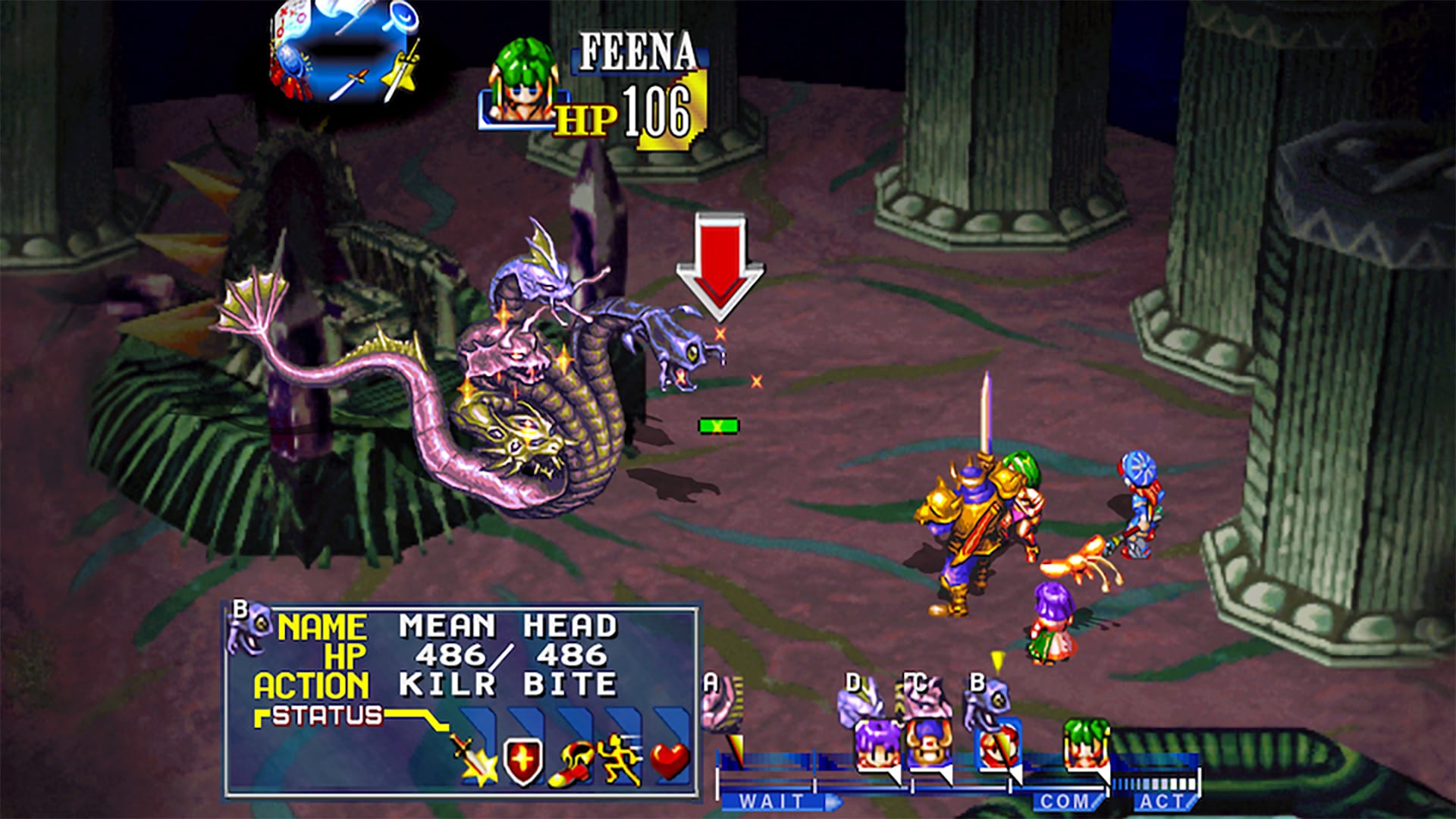
The concept of this battle system was a direct upgrade to that of the Lunar series, which features a similar visual layout of the arrangement of units in battle, albeit completely turn-based, with far less freedom and focus on the ability to reposition units on the battlefield. Grandia allows for the true innovator to take advantage of character movement in real time as an element of strategy.
Someone with less interest in unlocking the full capabilities of the combat system however, can very well play it in a similar manner to any turn-based RPG of the era without being punished too harshly. Thus, different types of gamers can have a more hardcore or more casual experience with the way they choose to engage with the game – another way it sets itself aside from the games of the time.
Grandia has an unlikely future, but is far from forgotten
Game Arts hasn’t stirred very much in well over a decade, but Grandia and Grandia II have made their way to modern consoles and PC via the Grandia HD Collection.
There might not be much hope for a new vision in the franchise at the current time, but perhaps there is room for the remaining PS2 titles, Grandia Xtreme and Grandia III to be remastered and ported to more modern platforms in the near future. For fans of the series, this would be a godsend, as it becomes more difficult to play games stuck on only older hardware.