Fascination turning into obsession, twisted with the desire to escape and to find something more amidst. A desire to break from the past and finding admiration in someone who can so easily adapt and change. Perhaps, love that is forbidden only makes this intrigue more intense, like a precipice to be stepped over, into the unknown.
The Girl at the End of the Line is far from comfortable, but it’s in that discomfort that its message becomes most apparent. Because to step out from the crowd and take your own path, even when it breaks from what is expected and what you “should” be doing, is hard when the pressure of society bears down on you. And it’s in lingering with that unease that the film finds its unique place as one of 2026’s early surprises.
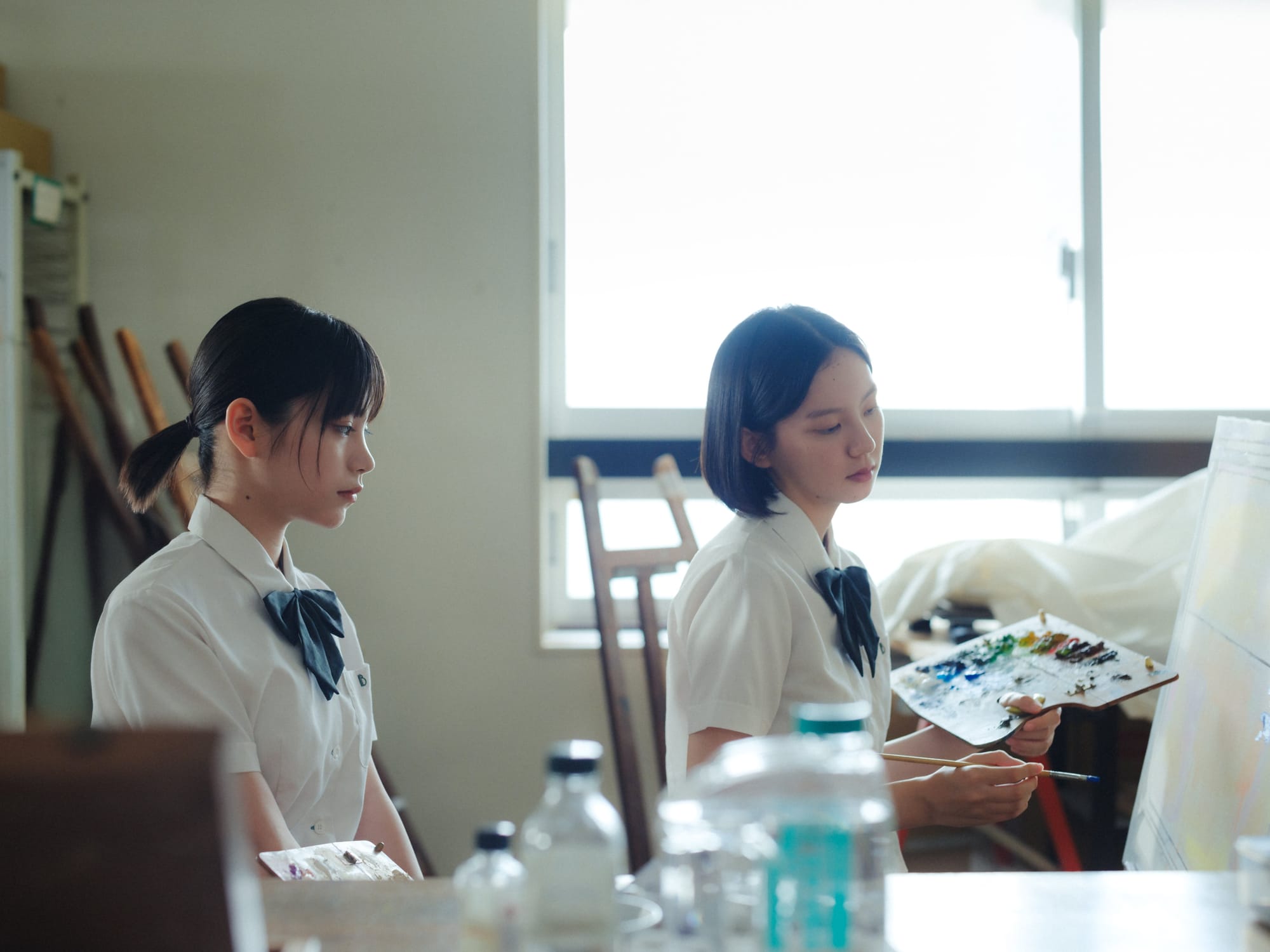
Kiyoko Tachibana (Ami Touma) is walking to school with her friends on the first day of a new school year through the early-morning hustle around Shimo-Kitazawa Station in Tokyo, on her way to her all-girls high school, when their conversation gets interrupted. A young girl close to her age in a blue dress jumps into the conversation, making comment, and going off into the crowd. Weird, but whatever. That is, until that same girl turns up in their class a few hours later as a new student, instantly standing out for her aloof demeanor and willingness to act without fear while wearing that same blue dress that sets her apart to the rest of her uniformed classmates. Turns out, having studied so much abroad, she hadn’t realized this would be a school where you couldn’t just dress in your own clothes.
This unusual act would sometimes ostracize such an unusual newcomer like Akari Okusawa (Sena Nakajima), but she’s outgoing and interesting enough to become somewhat of a popular figure. And amidst it all, Kiyoko can’t help but become fascinated and a little attracted to her, as much as she doesn’t at first recognize these feelings of closeness and interest and jealousy as love. Before long, the two are always close during class gatherings, then hanging alone. And no matter what, the freedom that allows Akari to go off on her own, or ride the train past her school to the end of the line, to Enoshima, to the beach, is something Kiyoko can’t embrace. But she wants to.
Beyond the core relationship between Kiyoko and Akari are their unique circumstances that make them such fascinating foils of one another. Kiyoko is relatively ordinary, but also quite talented, seeking something more than what she has. Akari has experienced that. Her father is a famous photographer who’s traveled the world capturing train station and people around the world, making her a name that in this somewhat-privileged, culturally engaged environment they exist within, everyone knows him without ever meeting. Akari mostly wants to be known for herself, seeking a freedom that’s independent of her, which is part of what draws Kiyoko.
This slightly romantically-charged and interweaving coil connecting the two creates an uncertain tension that only builds the more time passes. Their secret rendezvous away from friends to talk about unspoken feelings recorded on an old digicam feel like dates. Only Akari seems even aware of what this connection can mean, but without verbalizing a frustration can only boil.
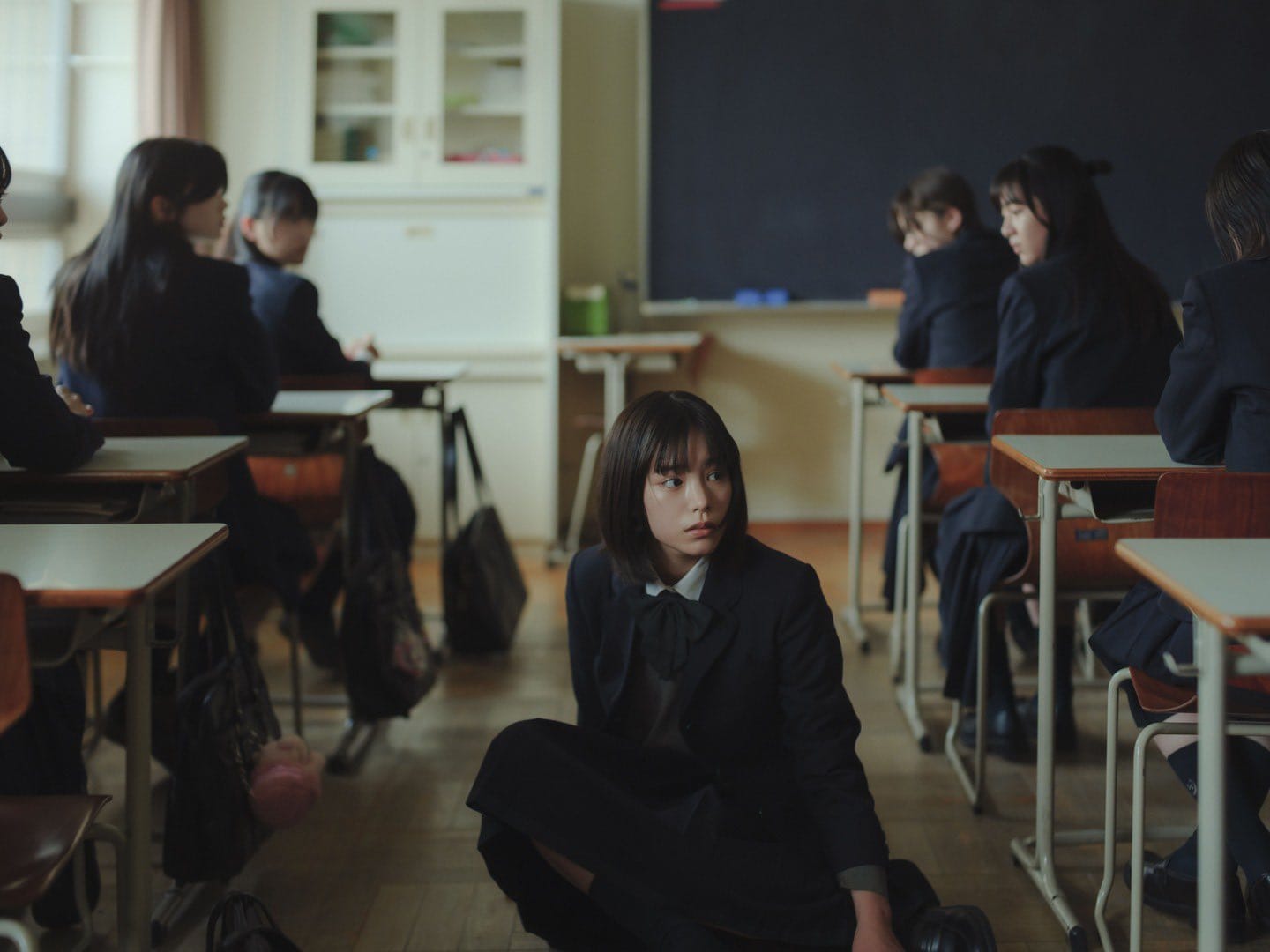
What connects them isn’t just mutual interest but a desire for freedom and to break from that which traps them, and it’s this theme that peppers their tension. Upon visiting Akari’s home knowing she’s supposed to be living alone at that time, the mere witness of lingering cigarettes from another leaves her seething with jealousy. For a school festival, the class decides to do a Marie Antoinette-inspired cafe complete with regal dance, most specifically inspired by the imagery present in Sofia Coppola’s film. It’s payback, a pageantry weaponized to be thrown in the face befitting the bombast, until it isn’t.
This pent-up same-sex attraction becomes metaphor for a desire to break from a society that confines them, whether that be the expectations of the world, the reputations of family, and the taboo of their feelings. To step out from the routine path comes with friction, leading to a jarring third act when such a leap isn’t so easily taken. It’s in doing so that the obsessions you wrapped in have consequences jar back, in that it won’t work out, in that you may at first regret or be left isolated. Breaking a cycle, going to the end of the line, isn’t painless, and it will unsettle. Making the confines of same-sex attraction, similar to White Flowers and Fruits, such a fascinating vessel for this conversation.
The Girl at the End of the Line is thematically fascinating for this alone, but it’s also shot in a way that only emphasizes the trapped nature of both forbidden love and forbidden life. It’s actually a surprising departure for director Kota Yoshida, whose prior film experience has come primarily in pink films and in more sexually-charged affair, such as with 2021’s Sexual Drive which aligned the catharsis of flavor to sexual pleasure. What ties his work between the films is his ability to capture the intense unspoken emotion, which flickers during the tender touch of dance most particularly.
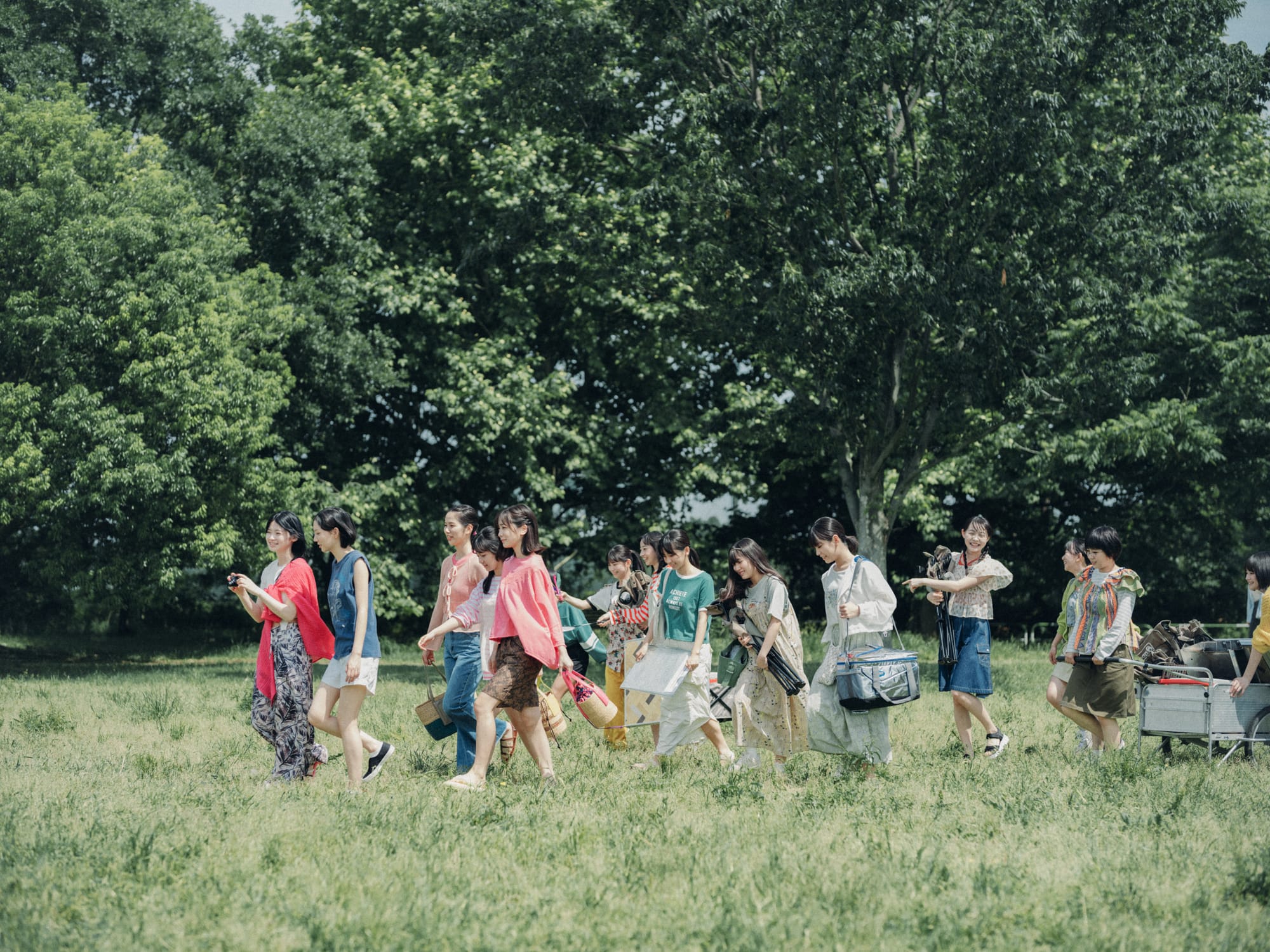
Sena Nakajima has been a notable up-and-coming actor for a few years, first bursting onto the scene with We Are Little Zombies and impressing in both TV and cinematic work since, aided by her acting style and appearance breaking from the norm for many younger peers. It’s her uncanny, unusual style that sells her character’s out-of-place nature in the opening moments, making the blue-dressed girl an instant moment of interest for Kiyoko and the audience alike. Following a surprising turn in the Chihayafuru drama earlier this year, Ami Touma convincingly captures a desire for something more that becomes unbearable the more she gets lost in this exciting new world.
For all it is jarring, and it’s easy to question aspects of the story beyond our main due such as the inability of the film to question the purpose of one prominent side character’s relationship with a university student while herself being in the first year of high school, it’s also hard to critique it too much. What makes a story so teetering on the edge of losing its audience is the way the world around these characters fades in their mutual interest and obsession, until a break from expectations causes it all to fall away.
The Girl at the End of the Line does make her way to Enoshima, but whether it was worth that journey is another question. It’s always hard to tell whether taking a step to the unknown is a reward or a curse. But it’s fascinating to see unfold all the same.
Japanese Movie Spotlight is a monthly column highlighting new Japanese cinema releases. You can check out the full archive of the column over on Letterboxd.