An all-original sequel to a beloved story just to allow its adaptation to keep going just that little bit longer is always at risk of disappointment. Especially when you wait so long from the original release to cash in on that nostalgia. It would be easy to see where a TV drama sequel for the relatively-beloved live-action adaptations of Chihayafuru could fall short when taking place over a decade from there release, just as the strong streaming performance of those movies are almost-certainly a major influence in returning to this story with some of the returning cast.
Surprisingly, however, Chihayafuru: Full Circle feels like far more than just an attempt to cash in on some warm memories. Perhaps because, for all this tries to evoke the imagery of its predecessor, it isn’t an attempt to remake or relive those same story beats. Its protagonist is a polar opposite, and the their draws to the sport and beauty of karuta are motivated differently. Yet through a passion for the game that endures between each iteration of the story, this is a clear desire to respect what karuta can be and the enduring nature of the words of the poems that build it, lingering ideas that can be reinterpreted today for that next step forwards.
Once you get past a very slow, bumpy start, that is.
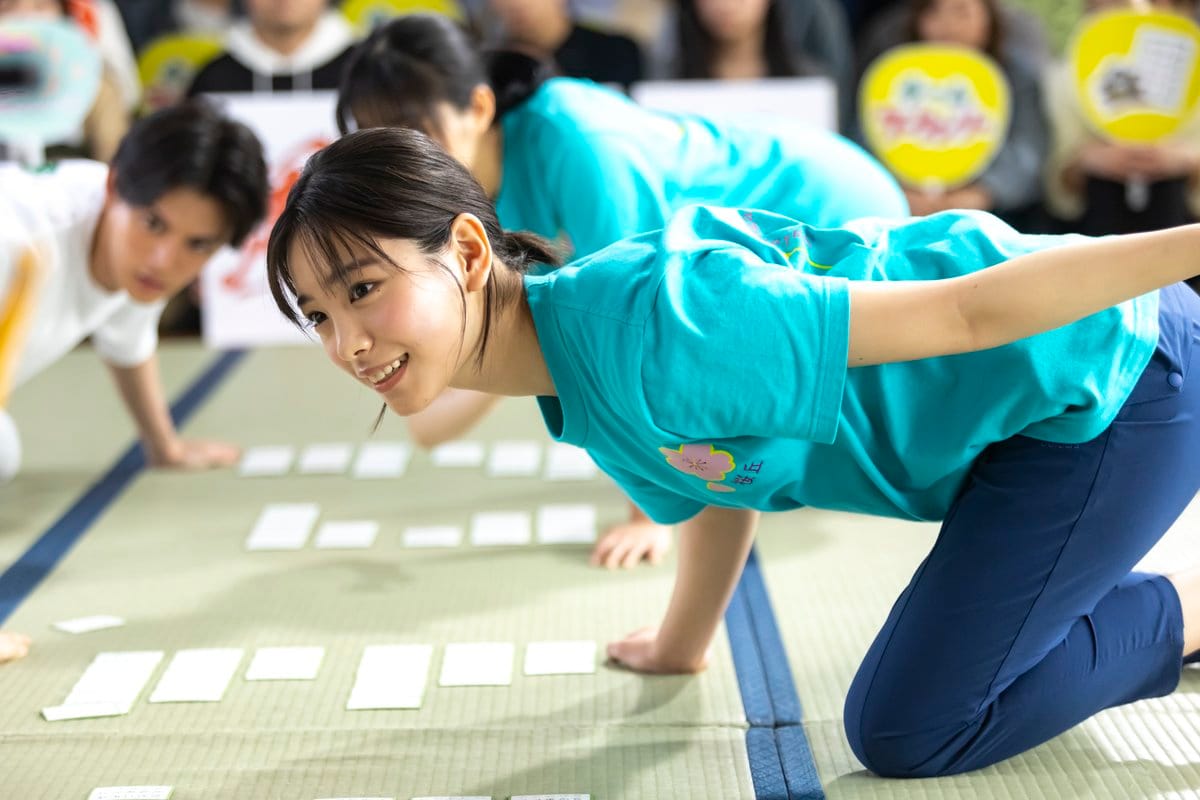
Meguru (Ai Touma) is a very unusual kid. She sees childhood not as something to live but something to optimize. She invests, she only acts in ways that enrich a CV rather than a person, and never even really takes much notice of friends unless its at a convenient time. Her involvement in a karuta club is not because of a desire to participate - she never shows up - but it’s because having some sort of extracurricular looks good. She reads investment literature and repeats work mantras at 16 like a 30-year-old crypto and AI obsessive, which hardly makes for a strong first impression of her or the show. Insufferable to the point of distaste, she’s top of the class, but for what?
That is, until she ends up having to fill a slot in a competitive match due to an emergency. She does so under the pretense she can quit after the match, assuming this will just be a temporary distraction, until the pull of the game draws this pragmatic, logical girl into an illogical passion for the enriching art of these poems. The feelings they can draw from her, but also the intensity of a game, mean something to her, and she keeps coming back.
Aside from Kanade Oe returning as a teacher running the karuta club, this is a clean break from the movies. For all there are parallels between Meguru’s growing confidence and natural embrace and talent for karuta she refines over time, this also isn’t merely a new actor replicating her role, nor is that the case for the rest of the cast. Fuuki Shirano (Jun Saito) is designed as a foil to Meguru through having both the greater skill at karuta and engaging in these extra activities while still being the only person to surpass her in school, but each character shares anxieties that bring them to find solace in the game. Chieri Murata (Lina Arashi) was the only girl playing on the baseball team till she eventually couldn’t keep up, but finds a home in this.
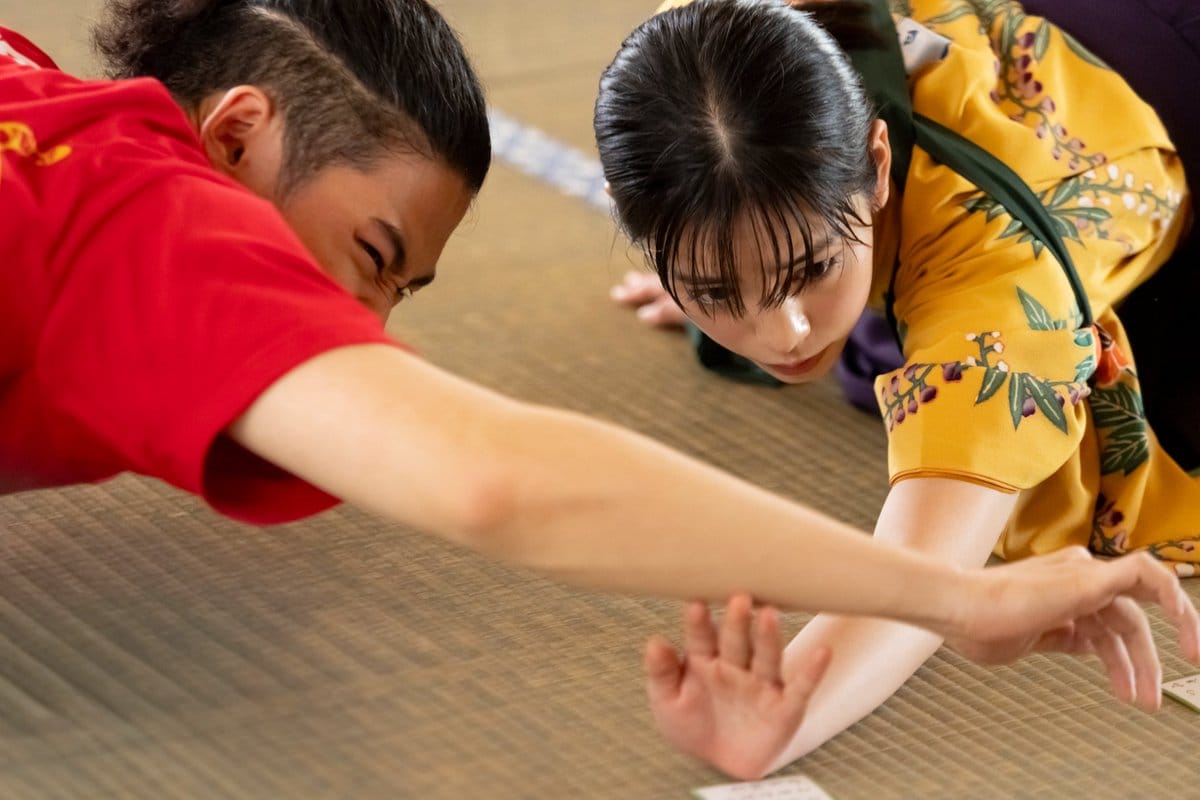
Once the story gets moving, the chance to see each character find themselves and learn the ropes of karuta has a familiar yet refreshing, thrilling joy. Getting to that point is not easy. For all we need to establish Meguru’s character at her worst to understand her ability to open up and grow, this goes to an extreme of unbelievability and frustration in the early moments of the series in particular.
Perhaps most impressive is that we actually do like her once she puts down the books and learns to embrace what being young and human is all about. It may be a more unbelievable starting point, but that growing love for the game and for the people and world she gets to be a part of, rather than trying to win, becomes genuinely moving, especially when foiled by the other characters on their own journeys.
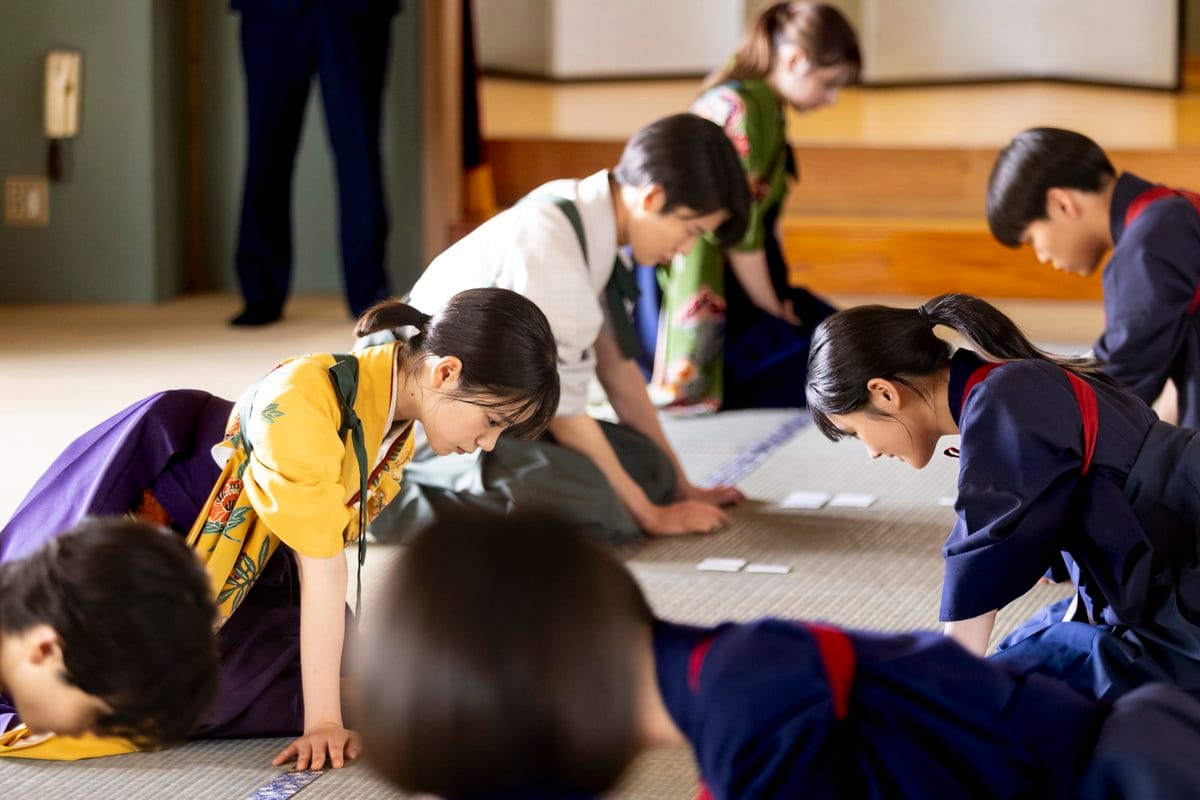
This also isn’t just a retelling of the manga set later with new characters, attempting to take the story in new directions while updating it for the new setting, era and cast. It is also, refreshingly, not beholden to the characters and reverence for the previous (adapted) films when creating this new (original) story. We have characters from the movies making cameos, but they’re more than fanservice. Nikuman, or Nishida Yusei (Yamoto Yuma) represents this shift best, returning as a teacher who helps these new converts learn their skills while also running a restaurant. He’s a more mature character from his time in the films but also isn’t simply reprising his older character here - this Nikuman is a more astute and aware person than he was before, with even his unconventional methods serving a role in bettering them in something they all share.
When many original dramas attempting to serve as sequels beyond what a beloved adaptation could explore, the results are often mixed. Chihayafuru: Full Circle steps out of its shadow by making it more about the game of karuta than a desire to revere the past, to the point there’s no need to know the original movies or manga to enjoy it, with cameos naturally fitting into the show so they won’t disorient these newcomers. Most of all, when the team do play, and you see the passion, joy and tears that cross their face as they understand these poems and enjoy the competition and everything around it, it’s hard not to get sucked in even if you went into the show knowing nothing about karuta before.
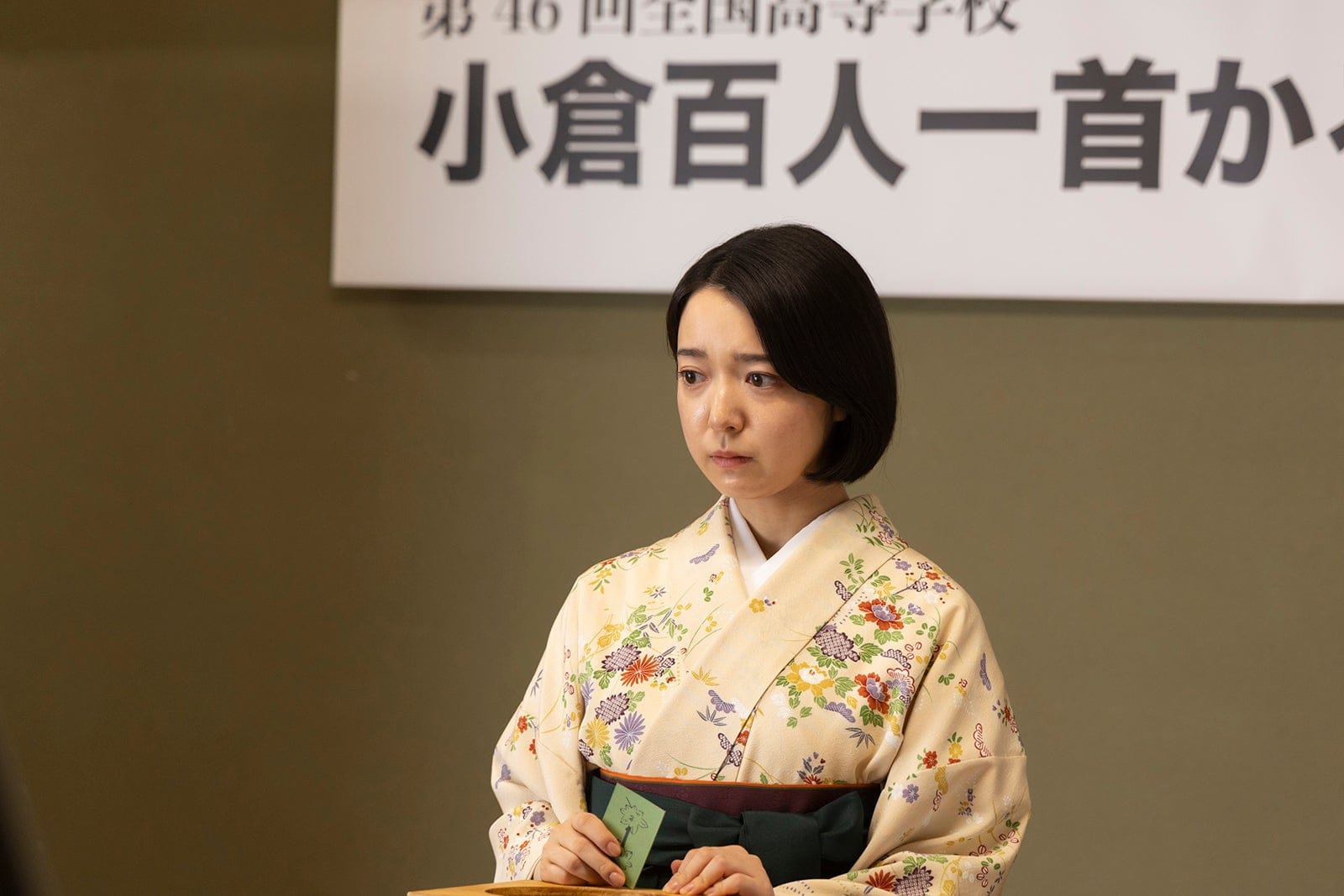
It’s far from perfect, those first two episodes being a challenge to overcome till we see a Meguru willing to grow and evolve from one of the most dislikable starting points into a core part of this team. What made the series so beloved is that the show’s emotional arcs and characters could be tied to the specific emotions and desire to learn more that accompany these poems. As you grow with the characters and learn more with them you feel a part of this karuta journey.
Capturing the magic of an adaptation for a second time is a challenge, especially with so much time having passed since the original, and yet this has been achieved here. In a somewhat quieter season for exciting drama, a story like Chihayafuru: Full Circle so much about breaching beyond the ways the world forces efficiency over humanity while embracing past, present and diversity in this age-old game and poetry, building upon rather than mimicking its inspiration, is certainly worth taking note of.