The history of yuri and female homosexual and homosocial relationships in Japanese media have always felt most-closely aligned to the fleeting, fluctuating, ephemeral nature of adolescence and coming of age. It’s a time of change, discovery, uncertainty, the end of a tenderness childhood graduating into a gendered world of adulthood where the expectations of heterosexual marriage and a woman’s role become more imposing and intimidating. Especially in the seemingly-fantastical, otherworldly, spiritual world of a religious all-female boarding school, and it’s like the outside world doesn’t exist. There, the feelings have a time to be explored away from the cloying influence of outside society, and all that matters is your unknowable yet all-important inner world.
White Flowers and Fruits isn’t strictly yuri in the typical sense, but it’s clear the specific tropes of the genre where authority and male figures are intruders in the emotional sanctuary of young women and their self-discovery beyond gender plays a key part in the turmoil of grief and understanding throughout the film. The emotional debut feature from Yukari Sakamoto traffics in the cerebral unreality of this location as a window into exploring the female experience and grief with a twinge of unspoken horror. Even when it doesn’t always work, it leaves you thinking.
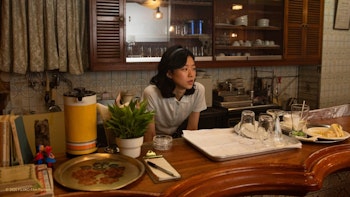
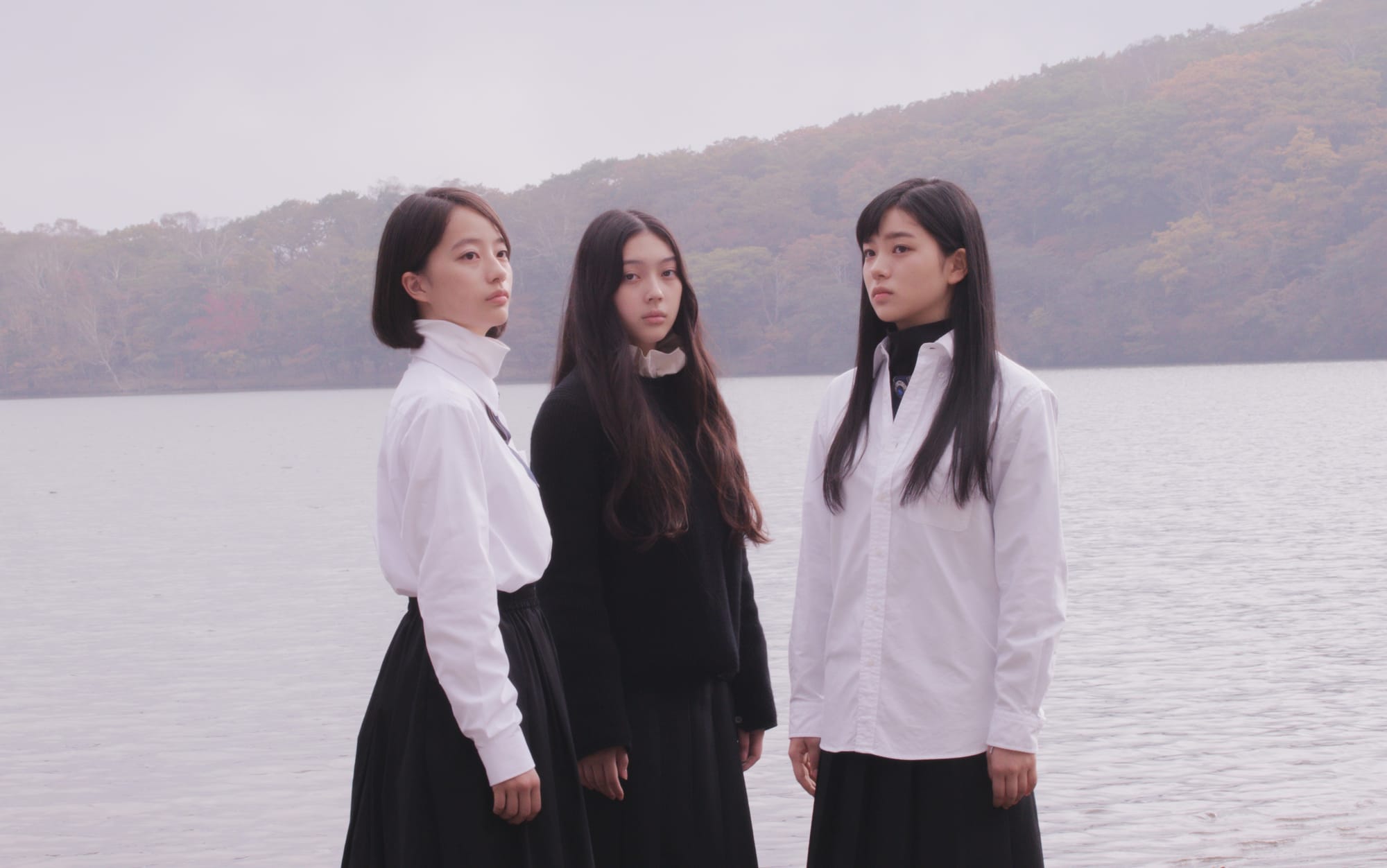
Perhaps key to the feeling is the way the film is both contemporary yet otherworldly, a space that exists in the present but free from the incursion of technology or the broader world beyond the minor grief and intimate relationships it tackles. Anna Tsugihara (Miro) is a rebellious and often looked-down upon girl at the time she’s brought by her mother to the All Saints school. Beyond her behavior getting her in trouble and seemingly expelled from more than a few schools prior to her arrival, she’s also ostracized for her ability to see ghosts.
These aren’t ghosts in the traditional sense, visible to others or even us, the audience, but as balls of emotion not expressed. Despite this and noted ridicule, she seems to at least get somewhat close to her roommate, Rika (Nico Aoto), who beyond being popular is also the best dancer in stark contrast to her uncoordinated stumbles. It’s not content, but it’s calm, and they’re close, until one night she walks outside and never returns. Shortly after, she sees her friend’s spirit and finds her diary, perhaps a clue to finding out what compelled her only friend to die.
Then there’s Shiori (Anji Ikehata). It would be difficult to say that her and Anna got along prior to this incident - at best they tolerated each other, while Shiori also felt some jealousy towards the closeness of the pair as Rika’s best friend, but it’s amidst a shared overwhelming obsession in understanding this death and the idea that she could be speaking through Anna from beyond the grave that bring the pair at least a little bit closer.
There’s a melancholic, otherworldly, ethereal air to White Flowers and Fruits that remains near-impenetrable for much of its runtime. It comes through in the muted colors of the film and the dreamlike softness of its visuals, while the awareness that these girls exist in the modern day through subtle cues like the car that drops Anna off at the school or brief excursions beyond these walls that make the suspended prayer halls and dorms of this olden school feel even more disconnected. This is a strict, traditional all-girls school, whose tranquility has now been ransacked.
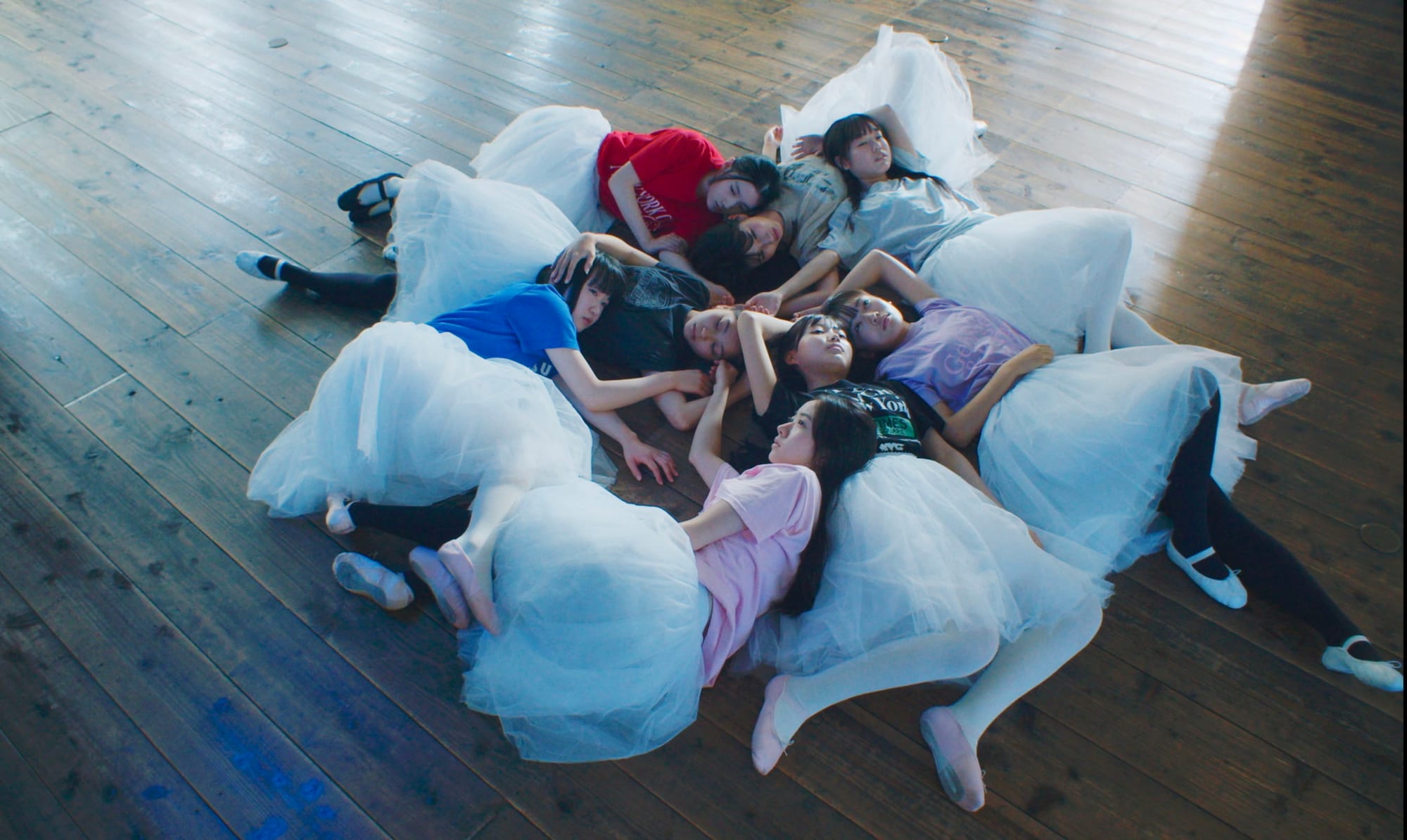
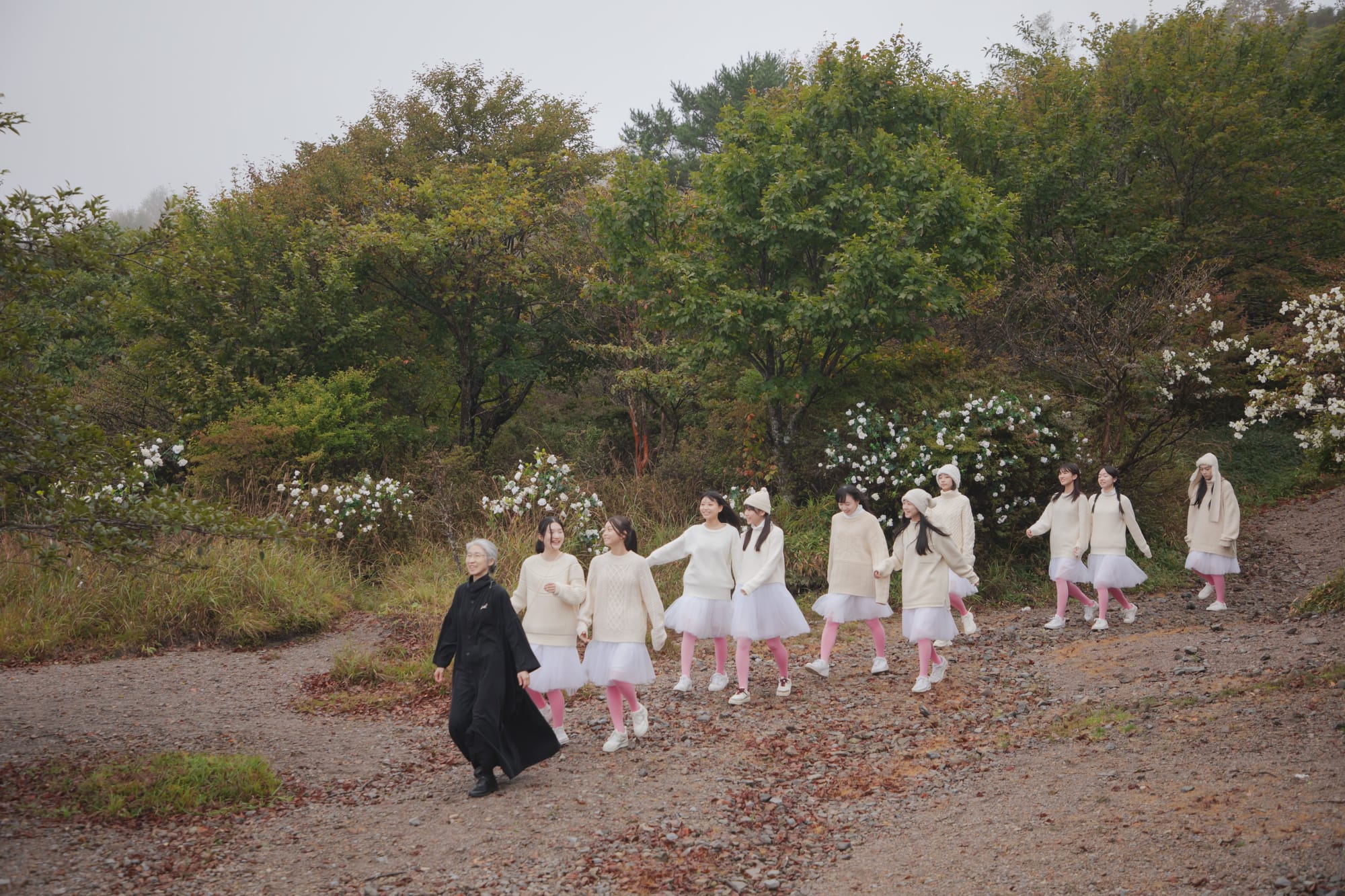
Yet just as these girls exist beyond life, the acting and play of each scene in this tale similarly hint at something beyond reality. Abstract dances for the school’s traditional recital soon go beyond the practice halls and imbue themselves into the sprawling gardens and conversations these girls have about their lost friend. It’s through dance, not words, that we see Rika’s pain beyond what words and immature minds could fully comprehend. Opening the diary reveals a torment behind the veneer of popularity enabled by the authority figures and older relatives in her life, but it was in dance and the praise from the innocent peers around her she could be seen as herself.
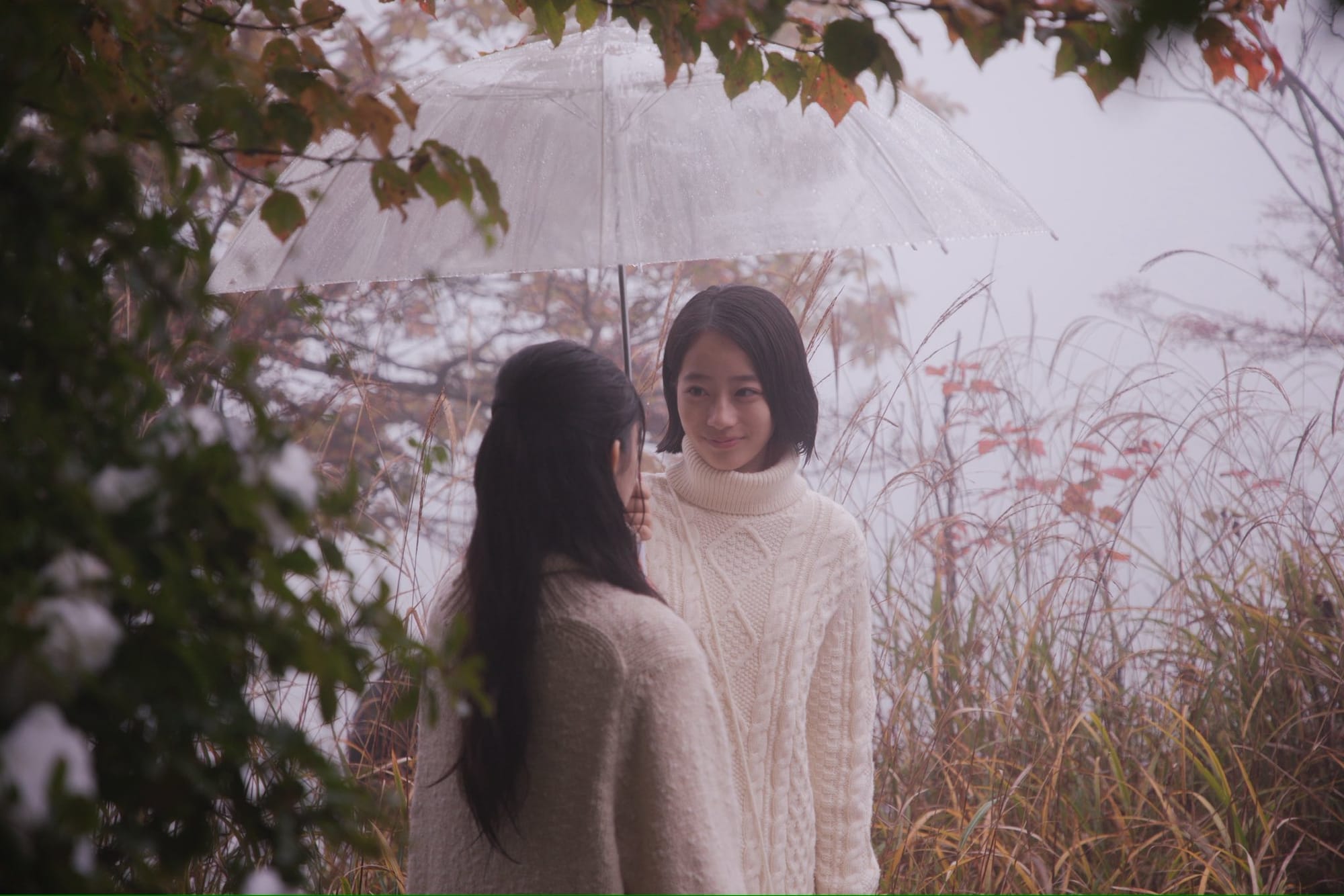
It’s why, though these dance sequences can feel forced at times, they’re necessary. They’re a peaceful, silent rebellion only possible when closed from those that inflict suffering, and an expression of love and assuredness in such a state. It’s the key to unlocking this film’s deeper mystery.
Beyond merely existing in these near-fantastical spaces beyond the male existence and authority figures, yuri almost requires their complete erasure, as to exist takes away from the purest expression of femininity and same-sex attraction and expression. Where White Flowers and Fruits adopts these expressions, it also deliberately undermines them by allowing for the intrusion of these figures to second-guess and demean the feelings of the three girls, living and dead. In particular, the direct intrusion of Rika’s father not only into the school but her bedroom jolts us from this other world into sharp reality with the same jolt that marks the pain discussed in the discarded diary.
We are placed in Rika’s searing pain the moment her father deems it acceptable to enter their sanctuary of existence in an angry search, just as we see the societal rules that exist beyond their lives when the film takes a sharp twist from this peaceful search for acceptance of this loss to the assignment of blame and the bureaucracy of male figureheads investigating a situation they have never been a part of. Their presence is not just unhelpful, as an audience it feels unnatural to see these men working on this case, their presence a direct contradiction to the pains that caused this tragic loss to occur.
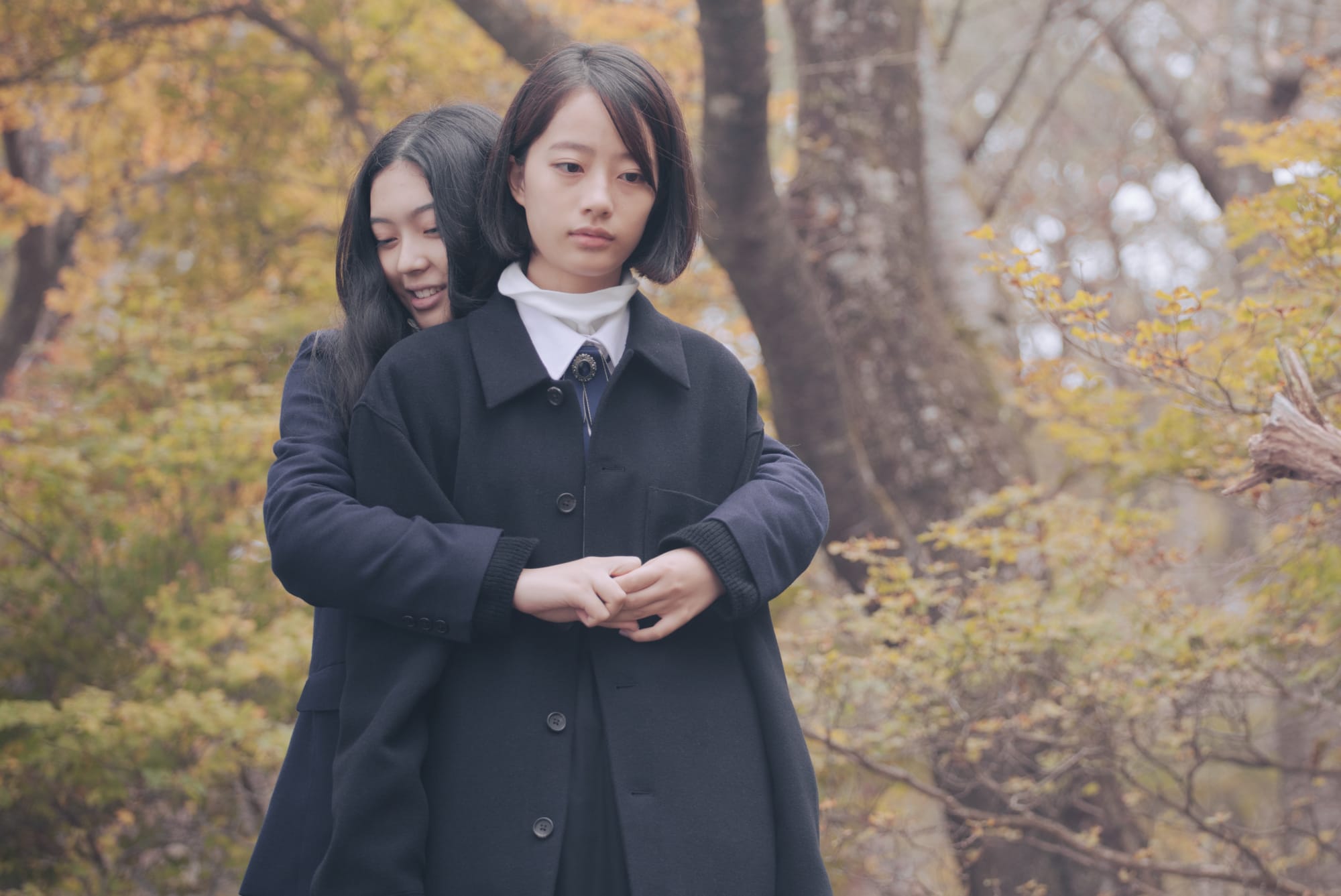
Amidst their attempts to come to terms with this loss, perhaps Shiori and Anna do silently express unspoken attractions for their departed friend. essentially becomes one with her, taking her dancing prowess and, in that sense, assuming her role in her place. Is Shiori not expressing feelings of desire in her new closeness to Anna, or acknowledging just how strong those emotions were now its too late in attempting to understand what occurred? While without a confession of direct love, the deep spiritual relationships these women share certainly align it into the yuri genre, it is when the film deliberately breaks these conventions that the impact of such a jarring shift is strongest in conveying what it wants on grief, loss and the abuse of authority.
Despite this praise, I can’t say the film is fully successful in its core aims. These jolts, while effective to a point, risk making the film feel disjointed partway through its climax. The film’s strongest statement on the suicide is that, by stripping the event of drama and shock, there’s a surprising acknowledgement that such final choices such as suicide are not to be judged or deemed tragic or wrong from external sources, with only the internal voice of the dead allowed to determine but unable to answer whether this was the correct decision. Ultimately, it’s a human choice, and while these jarring shifts sign a light on those who contributed to the choice being made, they risk turning this death into the incident the film de-escalates and de-centers this viewpoint to one of human actions, personal journeys and sincere reflections.
Ultimately, White Flowers and Fruits is a compelling first feature whose flaws make it just as, if not more, worthy of your time. They’re bold strokes from a new creative, whose powerful note on female relationships, authority and pain comes to life as it explores life's end with an acceptance of negativity and a centering of internal emotions as vital to what it means to exist. Such an idea explored like this is as unusual as it is vital.