There’s a silent contradiction at the heart of the idol industry. There’s the obvious surface-level point visible no matter how removed: you often have young girls and women singing about love, but with the mask that’s worn rarely are they themselves openly in love. The famed love ban, whether explicit or implicit, is one that keeps a fantasy of that love being directed at the fan and no one else, and sells a fantasy. Is it fair when someone enters adulthood to be bound by this, when fans share the love they found with other fans and all their friends are in relationships? Yet it’s undeniable that the world you escape you enter when listening to idol music or entering a concert venue is core to the paradoxical appeal of these artists. And who’s to deny love that strikes? A piece of paper or a stranger?
Of course, Love on Trial is about the love ban. But if it were just about that, it would be a shallow, lacking exploration of the industry. The existence of love bans within the idol industry is no secret, even if some groups deny them, and yet people still want to be in it and sacrifice so much to uphold the image. At the same time, there are idols and fans alike beginning to speak against such bans, and a growing number of idols having relationships openly while active to support in some groups. Prior to the group disbanding in 2025, Dempagumi Inc. leader Mirin Furukawa was married and had a child while remaining a member of the group.
To be a fan or an active member of a group within the idol industry means swimming in a sea of contradiction and voices for change, disliking elements while finding warmth and support for what idols represent. How do you navigate that, and why would you want to be a part of that at all, once you know the truth underneath the mask? That’s what Love on Trial is truly about, and what makes it such an incisive, complex, involving exploration of the industry.
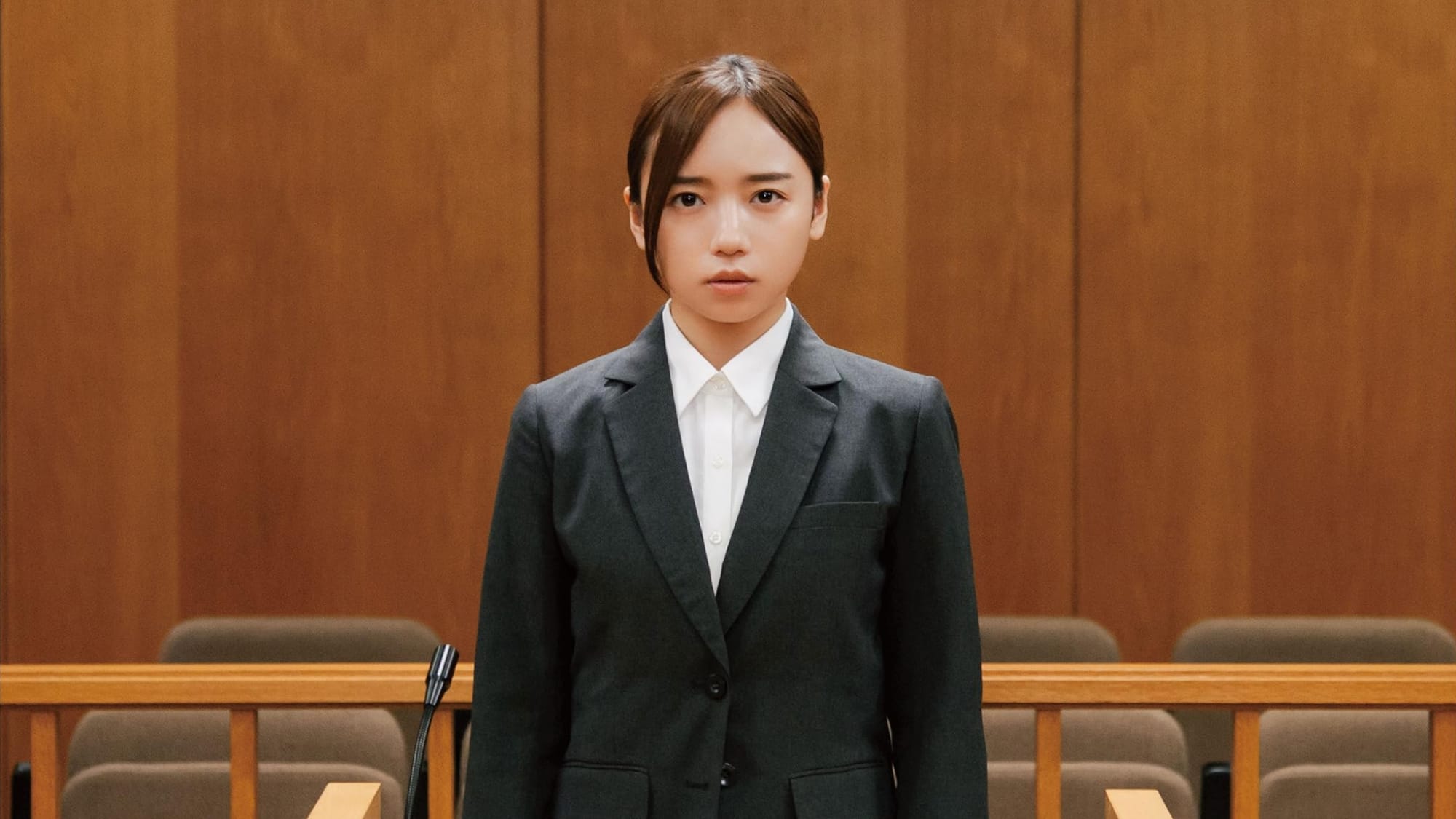
Mai Yamaoka (Kyoko Saito, a former member of Hinatazaka46) is just one-fifth of the up-and-coming idol group Happy Fanfare. The group are close, and their fanbase is small but growing. They’re not perfect, as they get reminded of even after a milestone concert in order to practice and improve, but that’s part of the charm. Their dreams of greatness, and their cuteness, leads many to support these girls by buying opportunities to take photos with them or dozens of albums to boost their chart ranking and show support for a journey to improve and achieve their dreams. But they’re still normal adults, and that means there’s more to the cute face they put on stage.
Risa Otani (Miyu Ogawa) is playing guitar and writing music with dreams behind the stage, not in front. Nanaka Shimizu (current Shiritsu Ebisu Chuugaku idol Yuna Nakamura) has a relationship with a gaming streamer blooming. It’s when the full group goes with Nanaka and this guy to a zoo that Mai runs into an old childhood friend, Kei Mayama (Yuki Kura), and love begins to blossom for them, too. When Nanaka is caught, she chooses to deny, end it, and continue as an idol, maintaining the illusion. Not Mai, who makes the decision to quit at the result of a lawsuit to chase this budding rediscovered romance.

As may be apparent, the idol industry is full of contradictions, and the story and production of this film are the embodiment of this. The members of Happy Fanfare questioning the validity of idol love bans are former or current members of the idol industry, and the film isn’t attempting to tear down the industry despite its noted issues, occasional abuses and the ban. It is critical of it, but just as much as the people have the experience (and scars) to show, there’s still a lot of love for what makes idols unique, what they are and can be.
This contradiction is what makes the film a fascinating watch, regardless of but especially if you know the ins and outs of the industry. The reality of these love bans, when in play, are often like we see here. Members are breaking it, but the other members support them finding that connection to keep them going in the hard times of the work and will help them hide it. Realistically, it’s not about a ban, but a ban on knowing about it. The peek behind the curtain at their lives show a group of friends, working and living together, trying to get by and maybe bring a smile or a beacon of hope to people in the moment.
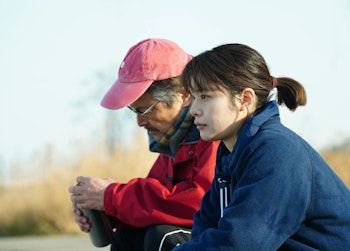
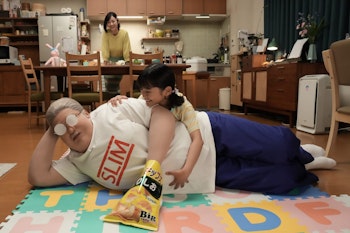
All five idols have their place across the spectrum of jealousy and support for the central conceit, but our core trio of Mai, Risa and Nanaka, as three people sharing the same apartment, get the most screen time. For all the title and promotion for the film center the possibility of a trial, the film itself is focused on the internal conflicts that come with being yourself and performing for the stage. These are girls who each care for their fans, have run ins with staff, love the stage, feel love themselves, and finding a way to live while balancing all this will never fully be realized. The courtroom is rarely witnessed in favor of how these girls support each other and work through what life looks like as a performer, stars who can never truly exist as their true self except in the privacy of their own four walls.
Even then, in an age of streaming, the expectation to add evening streams talking to fans to your activities makes even home a workplace, forcing your living space to be curated into a window into your life for strangers.
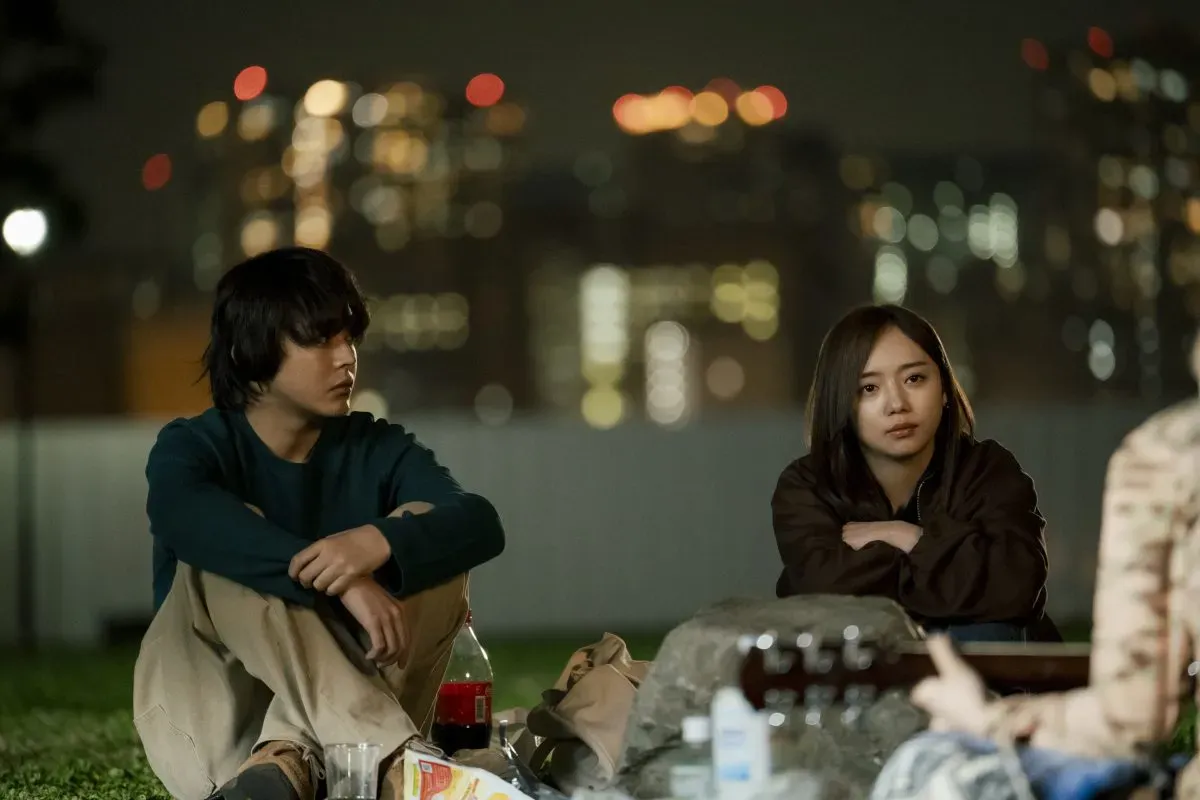
In this sense, I love how we spend time with these characters and their career, and the truth in the performances that come from the people behind it who, beyond our lead, are relatively lacking in other acting experience. Yuna Nakamura is in a debut role excluding her stage appearance in a Love Live musical, and the stoicism to idol life is strong here. Naturally, with most time spent with Kyoko Saito and the person with the most experience it should be no surprise that her performance stands out most, but it’s precisely her familiarity with the questions that make her indecisiveness and how torn she is between supporting others who wish to follow her footsteps and continued love for idols and her own scores that make her so fascinating.
There’s no fairytale here. A relationship built from breaking a love ban is not going to be perfect, never mind a whirlwind romance with a childhood friend, and for his part Yuki Kira’s role as a boyfriend, foil and voice of reason and conflict serves as an engaging stand-in for lay people less familiar with the industry.
Coming from its world premiere at last year’s Cannes Film Festival, international reviews to Love on Trial were admittedly mixed, and I can understand why. There’s no easy introduction, nor an easy answer, to the questions the film asks, nor does it claim to have answers. If you aren’t familiar with the idol industry, the morality of a love ban seems a foregone conclusion. It is, to a point. And it’s that point, the fact even those who love the hope and image of idol and disagree with it can’t fully disavow it, finding sanctuary in this uneasy, uncomfortable, liberating world, that makes this such a powerful film on love within the idol industry. It doesn't have answers, but it provides a window into this moral quandary. It's why promoting a film criticizing the idol industry with current idols performing a music video and concerts isn't as contradictory as it first appears.
For swimming amidst contradiction and still having something to say at the end of it, Love on Trial is a wonderful film. It just might not entirely resonate with some for those very same reasons.