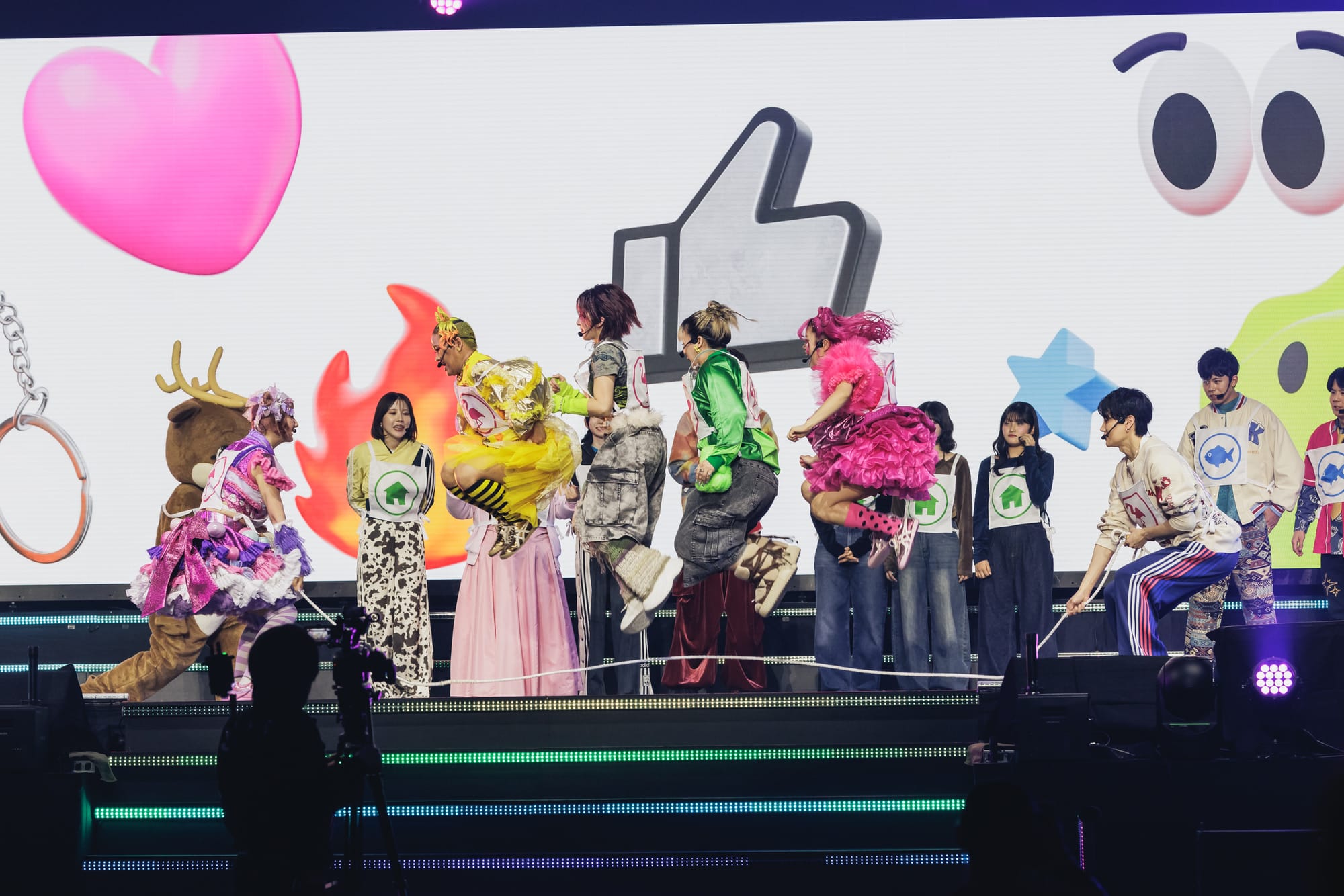
Midway through YouTube Fanfest Japan 2025, Crayon Shin-Chan appears. More accurately, someone sporting a costume resembling the mischievous child who has been a staple of Japanese pop culture since 1990 has dashed on stage at Makuhari Messe, just outside Tokyo, to zip around and occasionally shake his butt at the sold-out arena audience.
Shin-Chan is not a character anyone would associate with YouTube, yet here he is on the night of Dec. 3 coming out as part of a parade of creators being celebrated for reaching a million subscribers on the platform. Before him came the dance group Avantgardey, the variety goofsters PuraPuraBu, gamer Tekita and more. Presiding over this culture mish-mash was OG YouTube Japan star Hikakin, acting almost as a legendary figure as he encouraged everyone — including a beloved children’s cartoon icon — to keep striving.
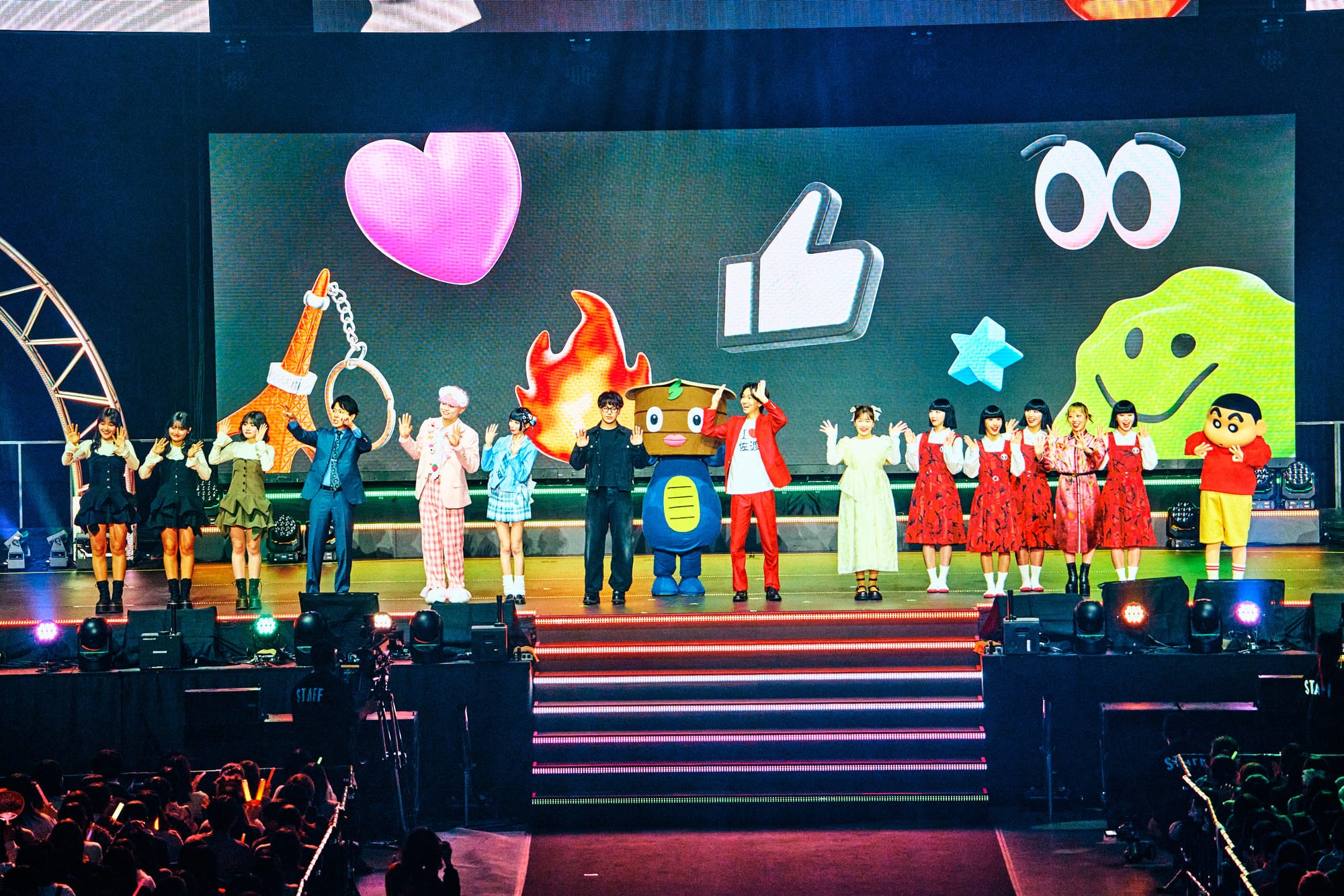
It was a somewhat surreal sight and a handy metaphor for YouTube Fanfest 2025. Conceptually this gathering serves as a celebration of creators on the platform, meant to highlight the community that has emerged on the site. That has been the guiding idea since the event started in Japan in 2014, but more than ten years later YouTube itself isn’t just a website.
It’s everything.
That reality snuck into the corners of this year’s installment, though the bulk of the evening’s programming leaned into the entertainment side of what YouTube Japan is all about. Certainly the right move, as thousands of people probably wouldn’t want to sit through video essays delivered by the heads of Touhou Project characters or political ramblings. Still, even focusing on just the fun stuff highlighted a mix of true YouTube-born names and established performers who simply share their works on it.
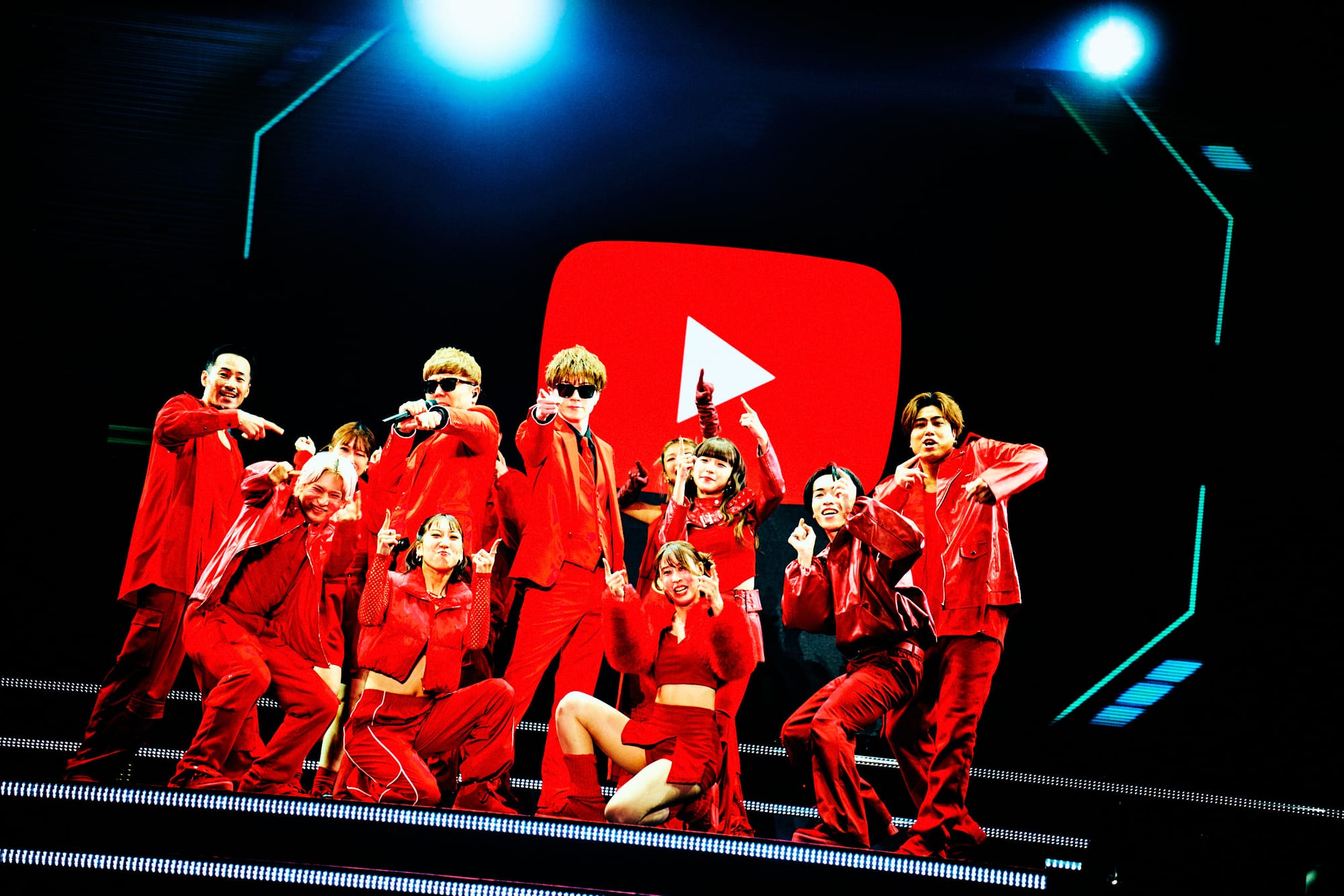
The platform certainly tried to honor its pioneers throughout the night. The evening opened with a marching band and flag bearers decked out in the company’s red and white to welcome the pair of Hikakin and Seikin to perform their “YouTube Theme Song,” released a decade ago. It was a nice nod to the site’s history and post performance found Hikakin — the first true YouTube celebrity in Japan, big enough that he cameos in movies and music videos and operates his own ramen store in Tokyo Station — choking up reflecting on the past ten years ago.
Yet it also felt like a different era from almost everything else present at Makuhari Messe that night. Part of that was just the natural progression of online entertainment. Save for the omnipresence of original video goofball Hajime Syacho (ten years ago he released his most popular upload “Eating the World’s Largest Gummy Worm! [Perhaps]”) and the group Fischer’s, most of those on stage were newer names, running from ASMR-influencer-turned-fashion-magnate-turned-pop-star Shinako to talking-at-you creator Matsushita, who earned huge pops by simply waving at the crowd.
Source: YouTube
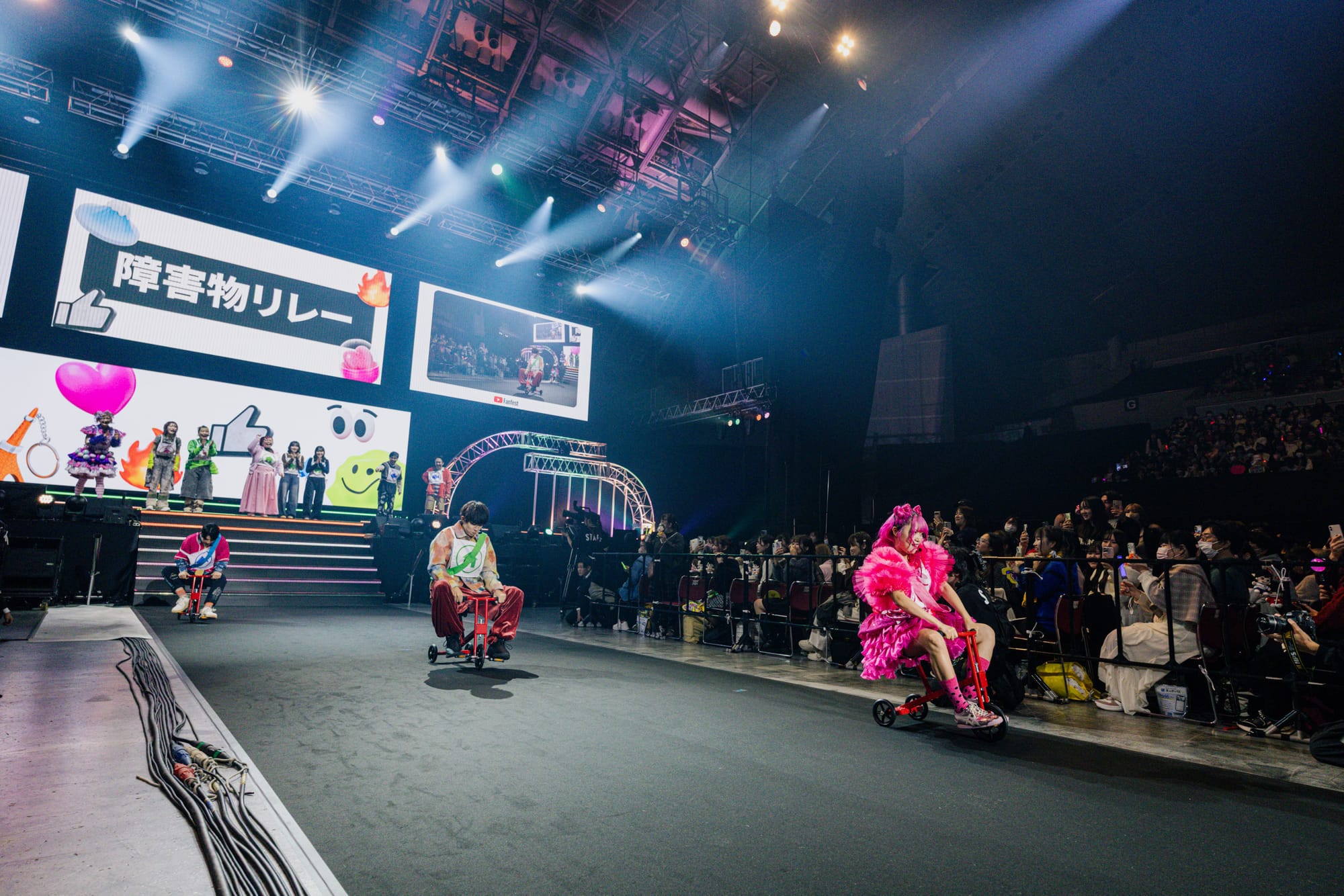
YouTube Japan continues to house internet-first celebrities that might confound the mainstream but have millions-strong following online, and this event at its best celebrated the culture that has cultivated on it over the years. It didn’t always make for the best in-person viewing experience, though it could still be charming (and probably looked a lot more fun on the livestream), as was the case with a “creator sports festival” that felt very YouTube-video-esque. Teams of three competed in games ranging from who can do the most turns on a big jump rope to an obstacle course. It was goofy but reflective of the chaotic energy YouTube has always been known for.
Less endearing but quite reflective of the modern internet were the sponsored segments of FanFest 2025. Feeling almost like an extended ad break interrupting your video, these portions reminded of just how big YouTube has gotten. Ten years ago at this same event, advertising was at a minimum largely because YouTube still kind of existed in its own universe. Today though, it’s where a huge number of viewers — particularly young ones — go to fill their days, so naturally others want to get in front of them, as does YouTube’s parent company.
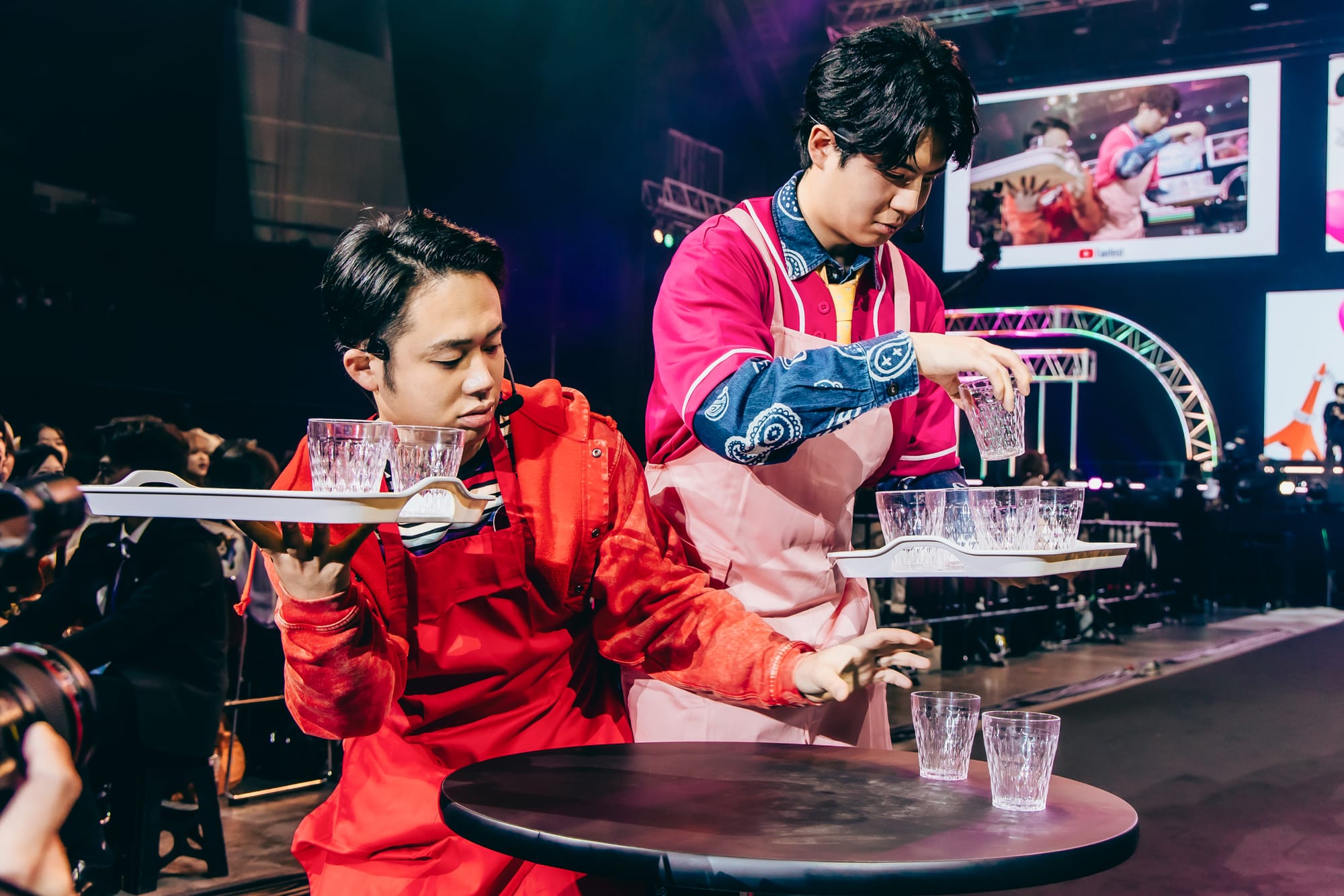
The more tolerable of the two advertising corners came from Fischer’s doing a series of games in conjunction with an internet service that helps people find part-time work. This at least felt in line with a channel built largely around silly challenges, even if said events at FanFest felt a little underwhelming given the constraints of the sponsor (How many glasses of water can you deliver to a table? Can you remember a semi-complicated order?).
Source: YouTube
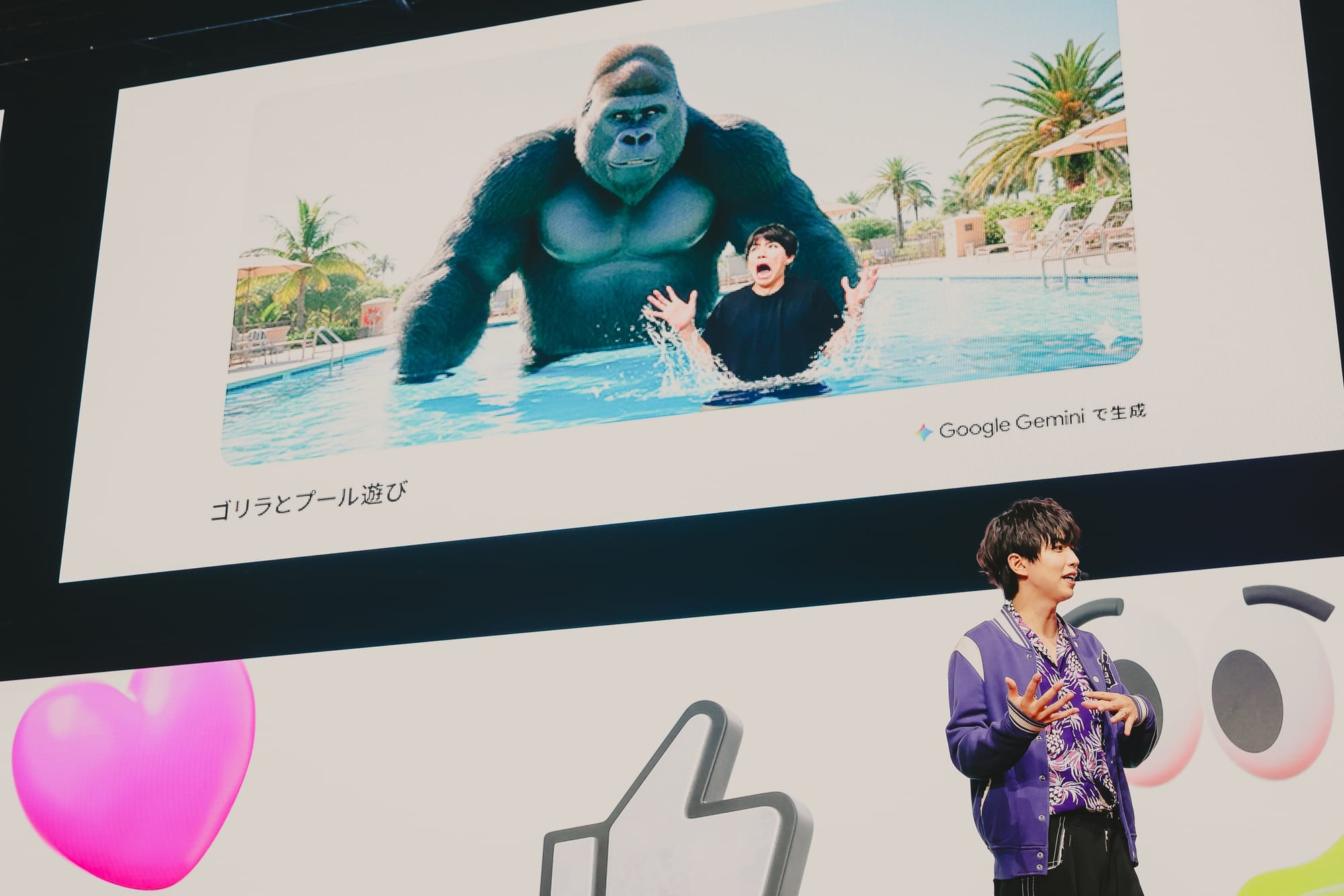
However, I’d happily watch them give people change for an hour if it meant I didn’t need to watch Hajime Syacho show off the power of Google Gemini. This isn’t even really in response to the use of generative AI — it’s more that the whole segment was just a glorified slideshow with the creator showing off AI-edited thumbnails. That was it. While some succinct commentary lurked around the edges — one of Syacho’s strengths in the content game is making eye-catching practical thumbnails, and every AI-assisted one he shared look significantly worse than anything he’s ever done — it was mostly just boring.
What could elevate the night, though, was music, something central to YouTube in Japan. Again, the idea of “YouTube music” as in native acts doesn’t really exist anymore. A countdown of top songs on the platform included heavyweights like HANA, Kenshi Yonezu, and Mrs. GREEN APPLE. To YouTube FanFest’s credit, though, they did a good job highlighting music specifically spread and powered by the internet, including a medley segment that basically replicated the sensation of scrolling YouTube Shorts by having guests do quick dances to viral hits from the past year. Perhaps a bit disorienting for the older millennial set, but it was charming.
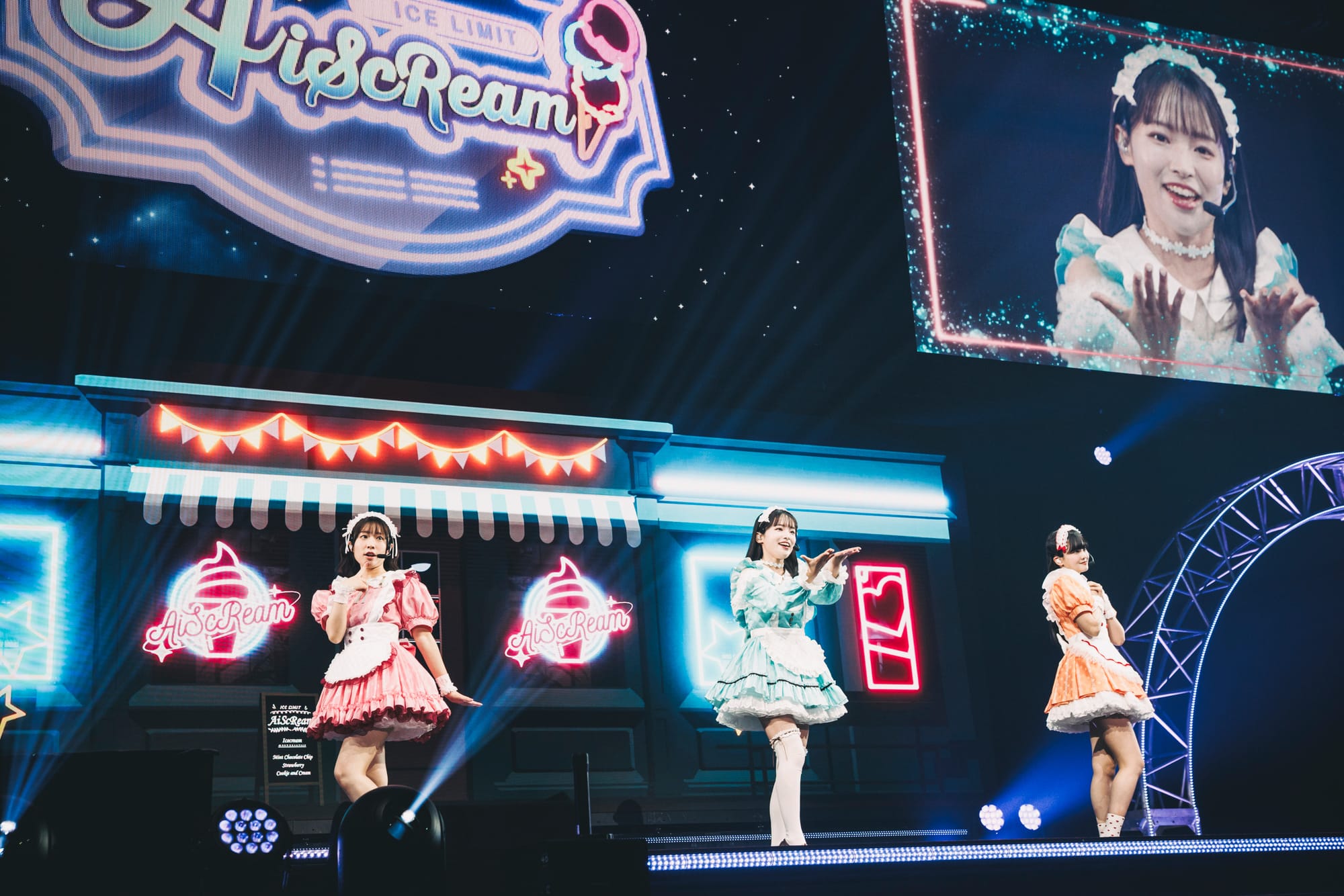
Solo performances were even better. Idol trio AiScReam’s sugar-rush “Ai Scream!” didn’t solely go viral because of YouTube, but the site certainly helped in distributing the perky pop cut and the many memes dripping out of it. They performed shortly after the opening “YouTube Theme Song,” leading off with the b-side “Ice Limit” before breaking out the viral hit. To celebrate the passage that launched a bazilliion short-form videos, the post-hook bit where the members share the ice cream flavor they love…albeit not as much as you…saw them joined by many of the YouTubers in attendance, who added in their own faves, playing off just how it became so widespread.
Later on, virtual vampire Kuzuha showed up to perform. Virtual YouTubers popped up here and there during the night, but this was the spotlight moment for the field, with the popular Nijisanji personality delivering a dramatic short set of macabre rock and a bit where he transformed into a bunch of bats.
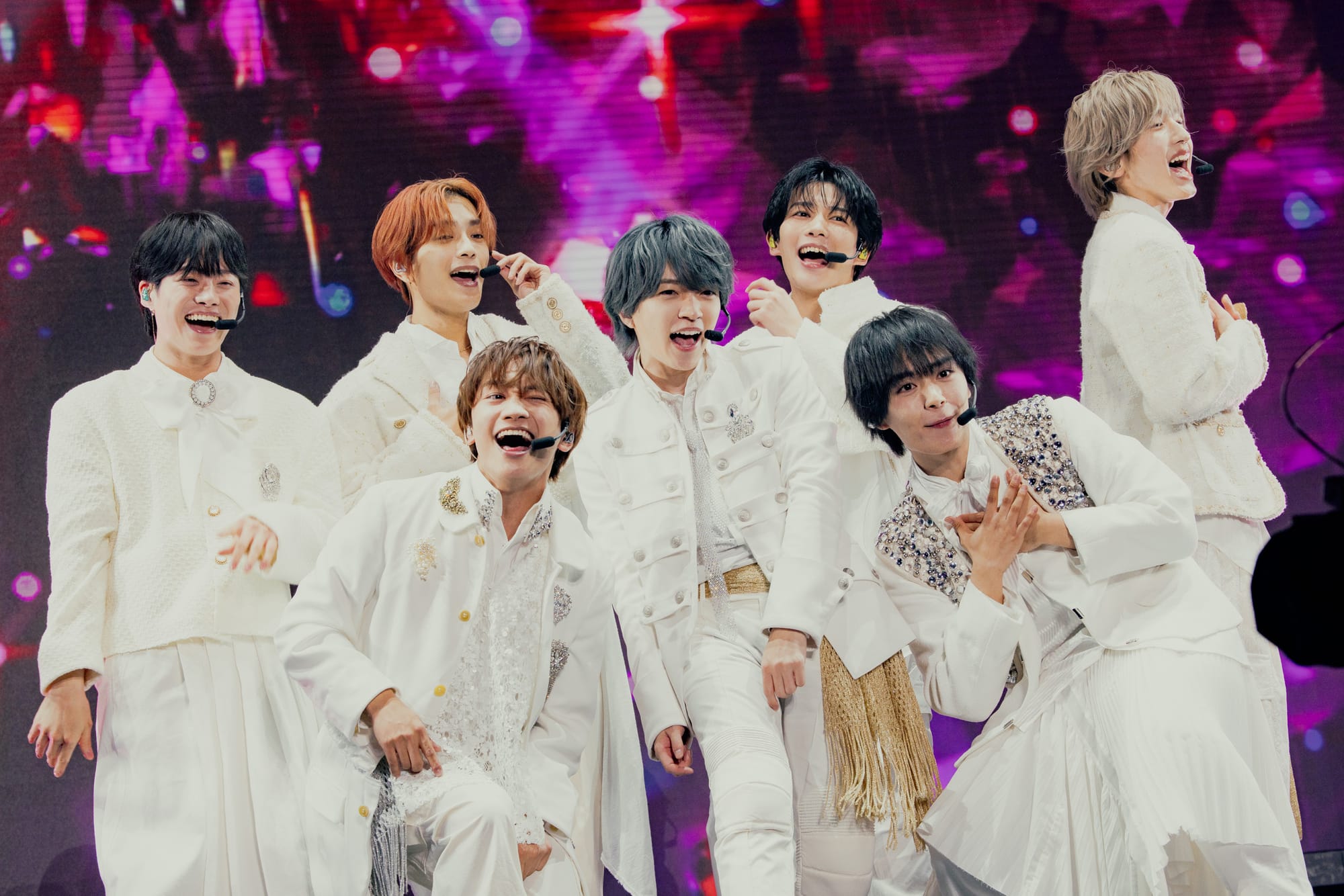
Yet the final performer of the night offered an exclamation point about just how central YouTube actually is to Japanese music today. It became clear at some point during the show that the majority of fans in attendance were here for Naniwa Danshi, the STARTO male pop group. Them being here wasn’t totally thematically off, as the group is one of the first from the agency to have utilized the video platform since debuting in 2021.
The seven-member group though was all J-pop on stage, though, delivering a more polished performance similar to the many male outfits that have come before them in the industry’s history and even offering sleeker conversational skills for between song talk segments (including another sponsored bit about AI, this time for SoftBank, albeit Naniwa Danshi at least made it seem slightly entertaining). It was really a fitting ending to YouTube FanFest Japan 2025. Naniwa Danshi made as much sense up there as Hikakin, Crayon Shin-chan or anyone else. YouTube is no longer its own community, but the space for all communities to be.