“Japan, it’s a different theater system than anywhere else in the world, but I’ve managed to kind-of conquer that over the last 25 years.”
If you follow musical theater, you’ll likely know Frank Wildhorn’s name, and even if you haven’t heard it, you’ll certainly know his music. He lit up Broadway stages in the late 1990s and early 2000s with shows like Jekyll & Hyde and The Scarlet Pimpernel, and his work as a pop music composer prior included work on Whitney Houston’s iconic “Where Do Broken Hearts Go”. Today, he’s busier than ever: recently he adapted Osamu Dazai’s No Longer Human into an award-winning musical in China, as well as writing his own symphonies, which include the Danube and Odessa Symphonies that have played in Europe, alongside an upcoming Vienna Symphony currently “on his piano“ in preparation of being recorded by the Vienna Symphony Orchestra.
There are few places his work is more resonant than in Japan, where a 25-year history of his work being performed in the country beginning with a 2001 Japanese production of his Broadway hit Jekyll & Hyde continues to bear fruit. Since the early 2000s, beyond re-stagings of work from across his career, Wildhorn has wrote numerous original domestic shows, from work for the all-female Takarazuka Revue to anime adaptations such as Your Lie in April, Fist of the North Star and, most famously, Death Note. Early 2025 also saw the world premiere of an adaptation of Jeffrey Archer’s Kane and Abel novel in a new musical in partnership with TOHO. Now, some of these made-in-Japan originals are even making their mark on the global stage.
It’s been a bountiful second home for the composer, with revivals of his works and domestic originals putting the number of productions of his work in Japan to roughly 100 unique performance runs. In that time, the country’s musical scene has transformed, something Wildhorn has been able to witness first hand and influence through his work. After a bumper year in Asia which saw six separate productions of his work in Japan, seven in Korea, alongside more across Asia, I spoke to him to discuss the unique career he’s built in the region.
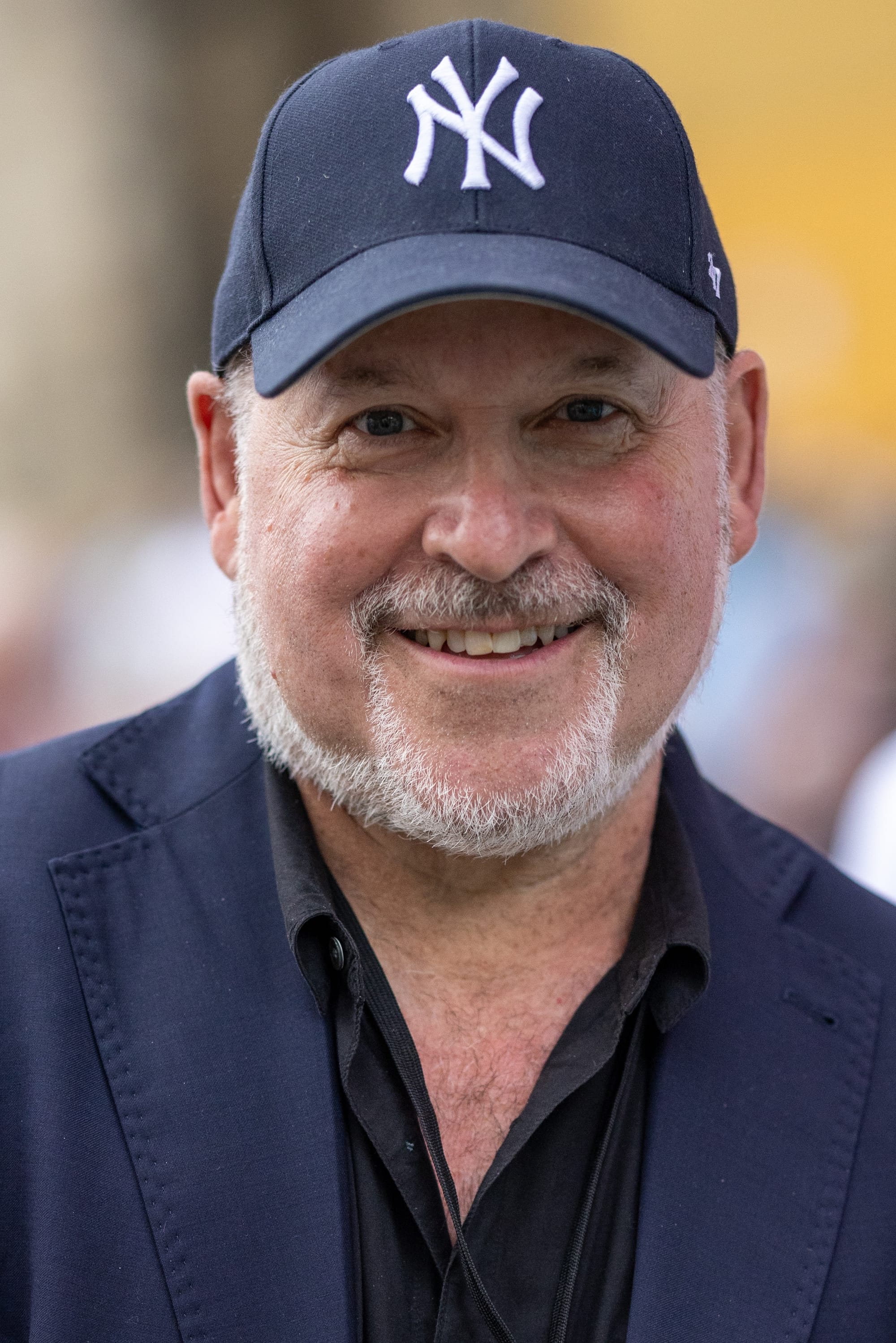
Even in 2001 when Wildhorn’s work first made inroads within the Japanese market, the composer had already began to expand his theatrical career beyond the five blocks in New York City of Broadway often considered the center of the musical world. He would be the first to admit to not being a theater person in his youth, having only picked up a piano at 15 and getting a history and philosophy graduate at University of Southern California before getting a start as a producer of pop music, not musical theater. Far from a bad thing, in his view, as it gave him a different perspective to that of the New York producers.
With support from his “mentor, champion and father in the business” Leslie Bricusse, he learned not just how to write for the stage, but the economics and importance of a global market. Respect it, and people notice. He took opportunities to travel and support his international productions, and even begun working in Europe on original material for audiences in the region with Rudolf - The Last Kiss. That was when, in 2003, the Takarazuka Revue flew to New York to discuss the possibility of producing an original two-act musical for the troupe.
“Even within Japan, the Takarazuka Revue is in its own strange, unique culture,” he notes. “[Director] Shuichiro Koike came to New York with some executives from Takarazuka, and they asked my people if they could get breakfast with me. I remember, it was at the Regency Hotel, they introduced themselves, and I had no idea what Takarazuka even was. They explained it to me, where it was within the culture of Japan, the structure and so on, and then told me about this performer, Yoka Wao. They told me how she would be leaving the troupe soon, and they would love me to produce her final show.”
That show would come to be Never Say Goodbye, which would premiere in March 2006 as planned before later being restaged in 2022. In 2015, Wildhown and Wao would later marry, having maintained correspondence over the following years. Yet even beyond this show bringing the pair together and being the composer's first original Japanese work, he tells me this is one show he looks back on with fond memories from its production. “I remember thinking, how interesting is this? We had a Japanese book writer, lyricist, and director, an American composer, writing a show for a Japanese theater company about the Spanish Revolution. How could I say no to that? That just speaks to everything I love!”
“I said I’d do it, and they showed me some tapes of Wao performing. I remember thinking, wow, what a gorgeous, interesting person this is, so androgynously sexy and dangerous! When I compared her persona and presence to the other Takarazuka girls it felt so unique, natural, neutral, and also more earthy and soulful. It was charismatic by doing so little. Rather than going to the audience she let the audience come to her. I recognized this from the tape, and I knew she would be such an interesting person to write for.”
Koike, Wildhorn, alongside a translator who would work closely with the composer throughout their early years of work in Japan and help Wao and Wildhorn communicate during the early years of their relationship through the language barrier, spent many months working to bring the show into fruition. One particular memory from the period comes from just before rehearsals began as he was blessed by Shinto priests in order to be allowed to enter the rehearsal room.
Beyond this show, Takarazuka Revue has also produced Bonnie and Clyde and XCalibur from the composer’s global library of work. Further, he contributed all-new songs as part of their revival production of The Scarlet Pimpernel in 2008, while also writing two other originals musicals titled The Path Light Falls Upon: Revolutionary, Maximilien Robespierre and Beau Brummell: A Man Too Beautiful. This latter show is also his most recent, having premiered in November 2025, and is still being performed at the Tokyo Takarazuka Theater at the time of writing.
Though it was through this all-female theater troupe that Frank produced his first original show for the Japanese market (and indeed, his first all-new original show in Asia), Japan has since become the home to numerous world premieres of the composer's work. In 2009, after numerous workshops, his long-in-development musical Cyrano de Bergerac, based on the classic play, made its debut performance in Tokyo.
The fact that Wildhorn was producing new music and shows for the Japanese market showcased a marked shift in the aims of producers in Japan to move from restaging hits from abroad to expanding their own portfolio, ambitions matched by those in other Asian markets. Whereas the early history of Japanese musicals can be defined by their performances of shows from the US and Europe - even today, some of the biggest shows include Les Misérables, Elisabeth, Cats, the Disney musicals and more - Japanese tastes don’t necessarily align with the tastes of Broadway. Being big in New York doesn’t guarantee success in Tokyo, and there are specific stories that Broadway won’t touch that Japanese audiences embrace.
Why not fill in the gaps yourself? It’s a question whose answer is resonating across Asia. It’s a trajectory South Korea’s musical scene has embraced, and one the Japanese musical scene has begun to follow as it produces more of its own work, bringing in international producers or growing the scale of works from domestic writers and composers while looking towards international expansion.
“In Japan and Korea, for quite a while, everything was about licensing,” he explains. “The big classics, the Andrew Lloyd Webbers, the Les Miserables, they opened the door for musicals. In Korea, though, there’s no history of Rogers & Hammerstein [who made Sound of Music]. Japan has a much longer history so they have room for these great classics, but in Korea that's like going to see a museum piece. Most of the producers in Korea are young, they’re not a part of big companies, and after they started licensing shows they got rich, successful. They had money, and money leads to ego.
“Ego leads to questions about why they’re constantly licensing. Why don’t we create our own stuff? We have the talent, designers and directors in Korea, and Japan does too. They come to me because I understand their audience, but I’m also an international guy. They’ll come to me and say, ok, we’ll produce your show and put up the money. But then, use your Rolodex and introduce us to producers in the West. So the next step from that is talking to them producers about bringing their shows abroad.”
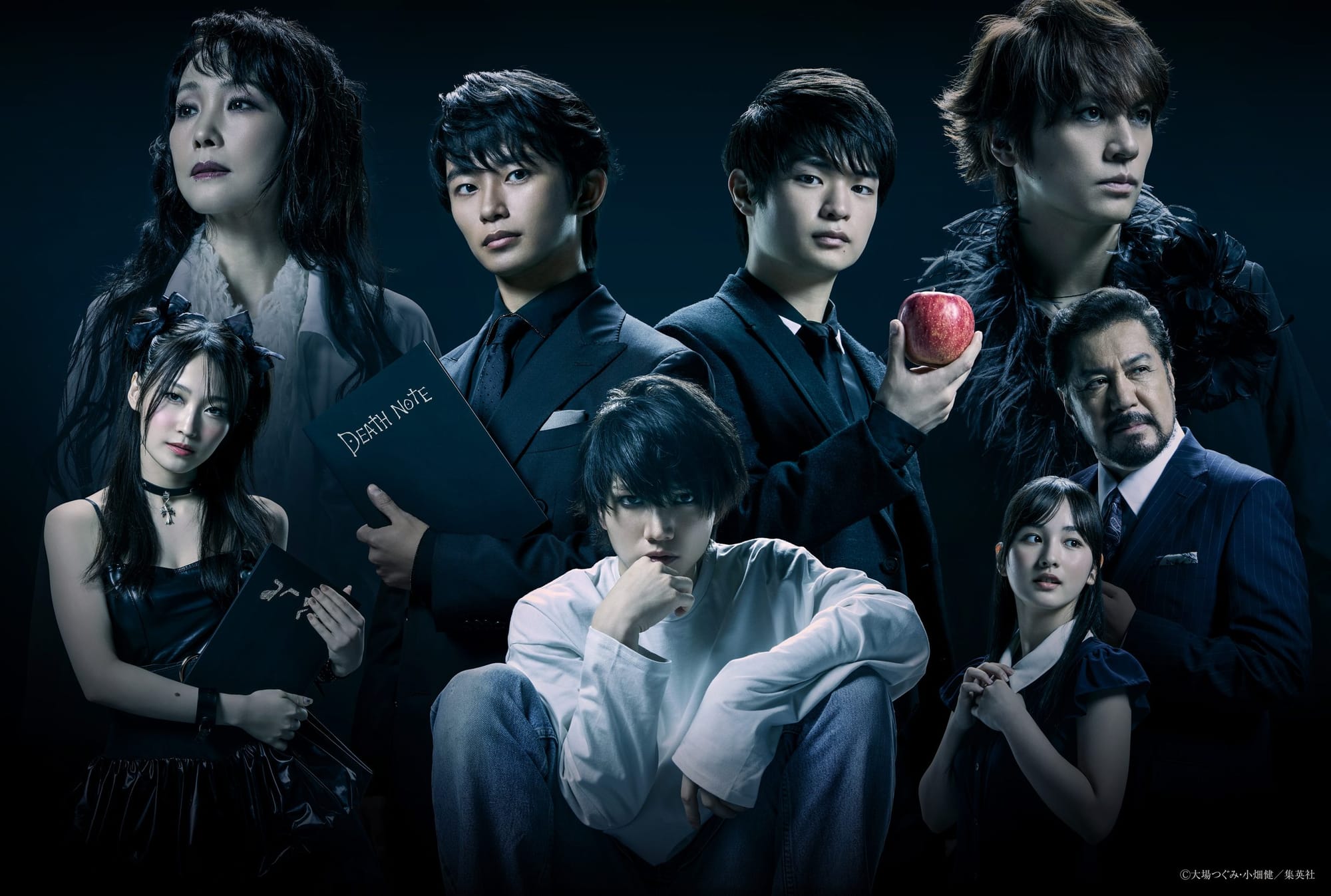
This expansion is already bearing fruit. Maybe Happy Ending was produced in Korea by EMK and premiered in Seoul, but recently won the Tony Award on Broadway for Best Musical. This is the trajectory Japan has begun to emulate, with a major step on this journey for Japan coming with Frank Wildhorn’s own Death Note, the musical adaptation of the manga developed in partnership with HoriPro that made its first performance in Tokyo in 2015.
“Japan's a little different, but not that much different. The difference is, as opposed to young people in their 30s and 40s who got rich producing and became entrepreneurial, in Japan, you're dealing with big companies and their employees. [With Death Note], I’d become good friends with the heads of many of the companies in Japan, and after I opened Cyrano in Tokyo, the CEO of HoriPro and Yuzo Kujiyama gave me a manga and asked me to take it home. I didn’t know what a manga was, but they told me, it’s called Death Note, why don’t you look at it, and see if you can make a musical out of it.”
“So I took it home. For context, I have two sons, and Justin, my oldest, has just turned 40. He knows more about Comic-Con and manga and everything from Asia than I do, so I show it to him, and before I could say another word, he stops me. He tells me, Dad, this is so much hipper than the stuff you do in New York. Tell them you’ll do it, and it’s going to change your life.”
Change his life it did, with numerous Japanese and international productions following. A similar origin story can be spoken for Your Lie in April. Being friends with both HoriPro and TOHO and having worked with the former on Death Note, TOHO asked him to find something within that anime sphere to work on for them, also. It was once again his son who recommended the source material for this show, which would premiere in Tokyo in 2022 after its initially-planned production in 2020 was canceled due to COVID-19. Since then, both shows have been a blueprint for Japan’s international successes, each getting major international expansions.
Both have performed in Korea - including an all-new major eight-month long production of Death Note that recently begun in Seoul in October. By this point the show has made more performances in Korea than Japan, while both these adaptations have enjoyed stints on London’s West End. This isn’t the end of either show’s global expansion, either, according to Wildhorn, including in English-speaking Western markets.
In many ways, the extent to which these shows have been embraced at home and found audiences globally is the ideal endgame for the Japanese musical sphere’s ambitions. The current production of Death Note in Seoul is not just ambitious in its staging, it casts some of the biggest names in the industry and is one of the biggest shows currently playing in the city in terms of scale. In London, Death Note sold out its limited run, while Your Lie in April made new strides for the London theater scene and Wildhorn's own career and remains a personal highlight for him.
Recalling the process of discovering and working on this adaptation, Wildhorn notes, "I said to Justin, I need to look for something else to make into a musical, and he told me that on Netflix there was this thing called Your Lie in April. Watch it, and when you stop crying, call me. So I watched all 21 episodes, and after I stopped crying, I thought, I get it, I could do this. I called Kazu Matsuda, the head of international at TOHO and almost the father of that show, and asked him to get me the rights.
"I'm so proud of that show, but also, in London, it was the first West End show ever with an all-Asian cast! In particular, there's a Japanese girl who starred in it and she was still in college too, Mia Kobayashi, who was amazing. She's now a star, but it was also amazing to see Asian kids and their families going to the theater and seeing themselves on stage. Those kids are maybe going to go into theater from because of that, and I love that."
The show was a success at home, but it's also found a home internationally. As Japan has become more comfortable with producing its own shows for audiences domestically while seeking ways to expand their reach on the global stage, these success stories are proof of how Japanese stories can resonate far from home. Despite Wildhorn being born in the US, it's fair to say that 25 years of working with Japan have also changed him as a creator. While he would insist he maintains his own production style inspired by his own tastes and whatever musical inspirations he wishes to incorporate or challenge himself with, his time in the continent have at least shaped his tastes when it comes to the stories he seeks out and what he desires in a production of his work.
Even at the age of 67 he shows no signs of slowing down, while his ties to Japanese entertainment continue to bear witness in his future projects. One of his upcoming projects is Chimney Town, an all-new musical produced for the US market inspired by Akihiro Nishino’s picture book Poupelle of Chimney Town, a story that has already been adapted into an anime movie from Studio 4C in 2020 with a sequel planned for release in March in Japanese cinemas.
“Death Note, Your Lie in April, and Chimney Town are all on the path to become international shows, and all of them started as Japanese source material,” Wildhorn excitedly shares. “What we’re at the beginning of is seeing new audiences, particularly the Comic-Con audience, embrace theater. That audience is 10 times the size of the theater audience, and it’s that audience which is why we did the concert versions of Death Note, especially in London, with thousands of people in the audience dressed like the characters. I’m very optimistic with what’s going to happen.”
His most recent work, Kane and Abel, premiered at Tokyo Theater Orb in January 2025 to a strong reception, emblematic of Japan’s growing ambition in the theater space. “Of all the shows I’ve done with TOHO, Kane and Abel was the first time Ikeda [head of theatrical production at TOHO] took me to dinner! He said, I’ve got the rights to this novel, would you do it for me? TOHO tends to be very corporate, but it was like we became friends that day, more than just business associates, because I saw how much he loved the book. We worked closely with TOHO there, and I met two new dear friends in that process, Danny Goldstein who wrote the book, and Nathan Tyson, who did the lyrics and is now the lyricist on Chimney Town.
“We really hit it, we became like the Three Musketeers! Jennifer Weber, who did the choreography, was amazing and was like our fourth Musketeer. It was a wonderful development process, and everyone came to Hawaii and we had work sessions here. Then we got two great stars, too, so it was wonderful, the whole process was as smooth and beautiful as it could be.”
It was a major creative leap for TOHO, and with Wildhorn confirming that talks are beginning to see the show expand internationally, it’s a statement of intent for the trajectory of Japanese theater. Whether through original stories produced first for Japan with global ambitions or exciting Japanese media properties making the leap to the stage and then the rest of the world, musical theater in Japan is at an inflection point. With growing interest at home and abroad, tied to a growing love for Japanese stories, the theater industry is looking to capitalize upon this and establish the country as a global force in the world of musicals and theatrical production.
On that front, the next few years are looking promising. Whatever happens, you can be sure that, wherever things develop next, Wildhorn’s work and soulful music will stand at its forefront.