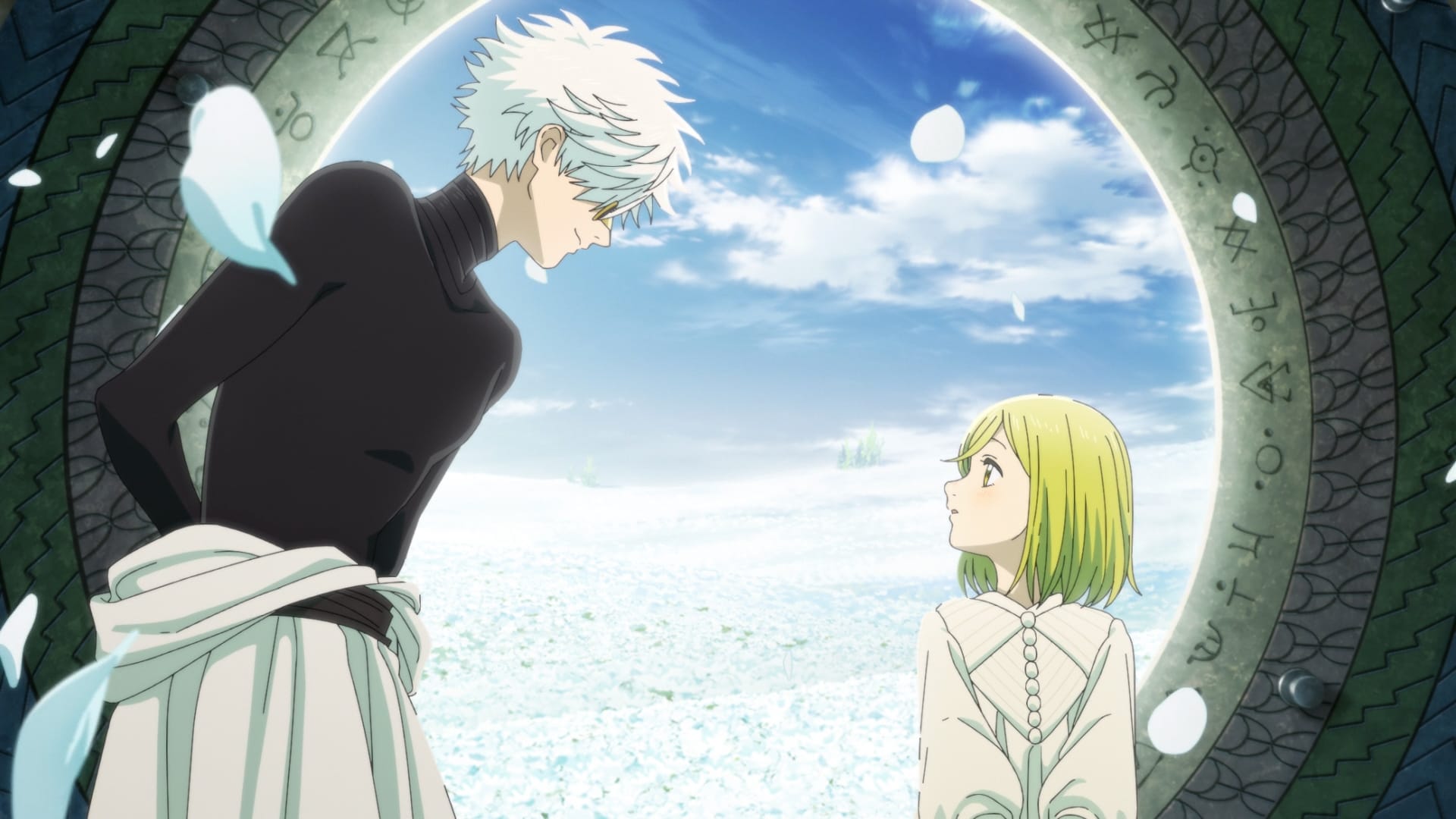
There’s real magic in Witch Hat Atelier, which is only emphasized by the stellar adaptation it has received with its newly-launched anime. That isn’t solely down to its story and setting laced with wizardry and spells, but its characters, world, and the strong morals of its creator guiding every aspect of its production and story.
The series has been running since 2016 in Kodansha’s Morning Two magazine, created by illustrator and mangaka Kamome Shirahama. It’s a series about witches and magic and spells in a fantasy world, but from the opening moments everything about its world building is distinct from other similar stories in the genre. Where flashy spells and magical power often dominate, the magic in this series is far more modest. The express purpose is for happiness, to protect others, and to protect the magic itself from its once-violent uses. Most of all, there’s little in terms of traditional hierarchy for magical power because of the medium for which magic is cast. Wands and inherent magical ability are not key to becoming a wizard, because there’s no such thing as a magic wand that can grant you power.
Just like the pen is mightier than the sword, the pen, and the ability to draw with precision and care and to imagine the magic coming to life, is what you need in order to bring both good and evil into the world.
Even if this truth is hidden from the general public. Coco is a naive but caring daughter of a dressmaker living in a rural home in the mountains that’s always been in awe of magic. The stream nearby can clean clothes, but will immediately be purified of dirt so the animals can drink thanks to magic. The beauty of the world is enhanced by a magic that enriches their lives and allows them to be in peace, but as much as she wishes she could cast magic herself, she can’t. As the stories go, only those with magical abilities can cast magic, and even if a mysterious man can give her a magic book and a wand, it won’t make a difference. Until a witch named Qifrey turns up at their shop by chance, anyhow.
Coco spies him fixing a broken carriage that reveals the secret of the magic that’s been kept by everyone that it’s not a wand but merely accurate drawing and a pen with the proper ink that can let anyone cast magic. Returning to her book she’s so excited to use magic until she accidentally casts a spell that freezes her home and mother in permanent frost. Typically those caught outside the world of witches using magic are wiped of memories, but instead Coco is brought on as an apprentice for one specific reason: her book should never exist, but it may have come from a group seeking to expose magic to the masses once again, plunging it into the prior age of strife this new status quo created. By training Coco, maybe she can harness it, and together they can find this threat and save her mother in the process.
There’s certainly a familiarity to aspects of the premise. A young girl thrown from an ordinary life by unfashionable circumstances to which they feel great personal guilt, vowing to return and save them. Beyond this surface layer is where the series establishes what makes it so unique and engrossing, and it comes from a refreshingly-clear approach to the power being wielded by its characters. As we quickly learn, the reason for magic being limited to a select few is more akin to a form of demilitarization in a world where magic is analogous to weapons.
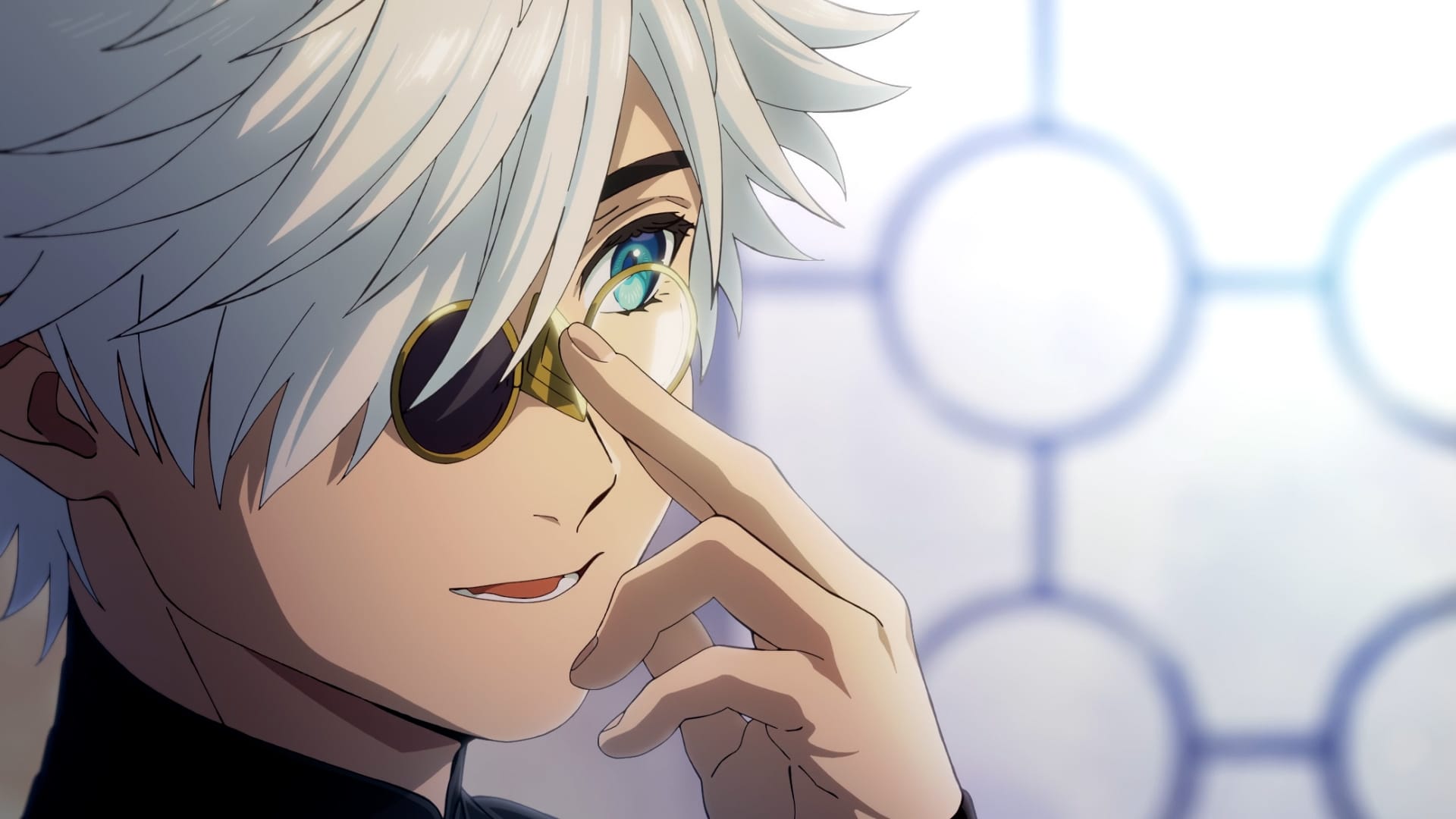
When magic was wielded by all, the power was harnessed for governments and twisted beyond its traditional use. As we know from the state of the world now, with enough power, you can subvert laws and norms and consolidate power in whoever is strongest. This was a magic of nature, being warped by politics for war and control, killing innocent people for the sake of power. The magicians are less exclusive wielders and more custodians of this power, and it shapes every aspect of the magical society Coco is welcomed into.
The spell she cast is forbidden and comes from a book not archived in the magical library. The library exists to ensure the knowledge is safe and not used by those who will not care for it, with people only even able to access it by being of a level of power and responsibility to overcome the trials. The pen is a deliberately nonthreatening casting object, and even as they control fire a clear point is made to never cast spells that are dangerous or disrupt the natural flow. It’s explicitly anti-war and pro-nature in the core construct of the series, progressive in how it seeks to protect minorities from the ways in which authority can exploit.
Which should come as no surprise considering the author behind the series. The author regularly speaks out for LGBTQ+ and other progressive topics on social media, a view on the world that spreads into the diverse casting and story explored. It makes it feel refreshing when we see these sorts of minority characters rarely seen in other series become prominent features in the manga, in a story that is not shy of allegories facing contemporary politics at home and abroad. It also helps the anime world feel so fresh from the opening seconds of the first episode, by sheer virtue of feeling so lived-in, complex and alive.
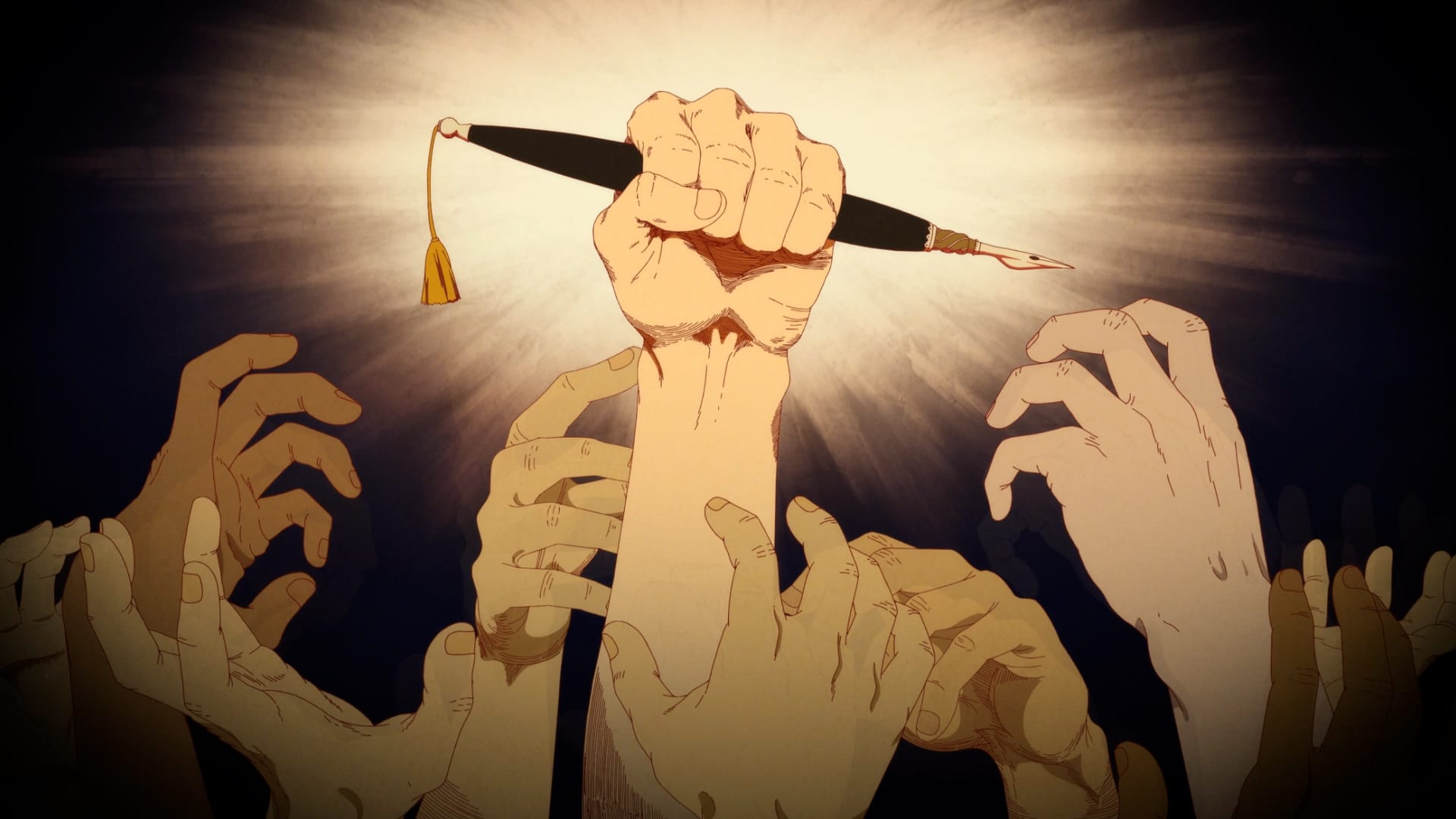
Mirroring the pen of magic and the illustrator roots of the mangaka, pages and designs and entire scenes feel like moving picture books overflowing in detail and care, allowing every minor home and town and the apprentice study to feel alive with a world that exists far beyond what we have and ever will see.
Clear direction (for which the series underwent multiple delays to ensure the series could maintain a high standard of consistency throughout its expected run) ensure that, as we learn more about this magic system and world, we never feel excluded from a broader perspective the series is so desperate to include. And what a world it is. Even beyond the subtle story dynamics that crescendo into such an enthralling watch, the world of magic is one you can’t help but wish to explore for yourself. Coco meets Qifrey’s apprentices, the kind and welcoming Tetia and Riceh, and Agott, a girl resentful of outsiders.
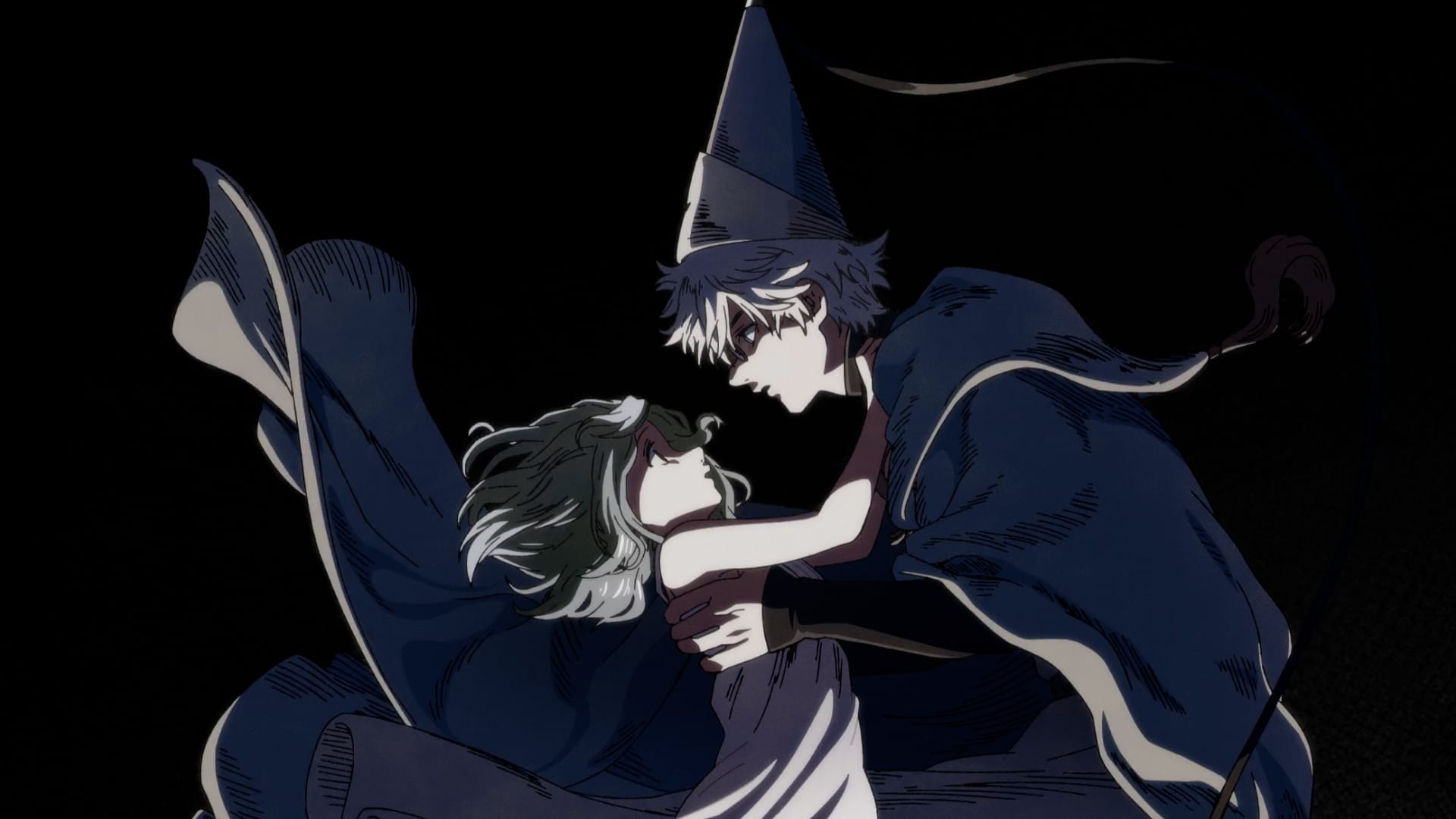
Tricking her to take on one of the trials when far from ready, we witness a awe-inspiring array of floating mountains that not only allow us to see Coco’s resourcefulness that takes in both her lessons and her unique outsider upbringing to make her different, but remind us of just how much we don’t know yet. But we’re here, wishing to waiting and learn more.
Witch Hat Atelier, in all of its forms, feels like an invitation and hand-held journey into not just a new world but a new perspective. After a long wait, the new anime actually does this story justice by creating a loving picture book into the legends and modern lives of a new universe that we wish to learn, with enough mystery to keep us engaged and a depth and weight in its morality and message that make it feel worthy of your time, not disposable. It demands to be seen and appreciated, like any great art from any great pen and any great mind. It’s magic.