In the world of manga, romance series are often associated with drawn out situations and unresolved conflicts. The classic master of this was Rumiko Takahashi, who played the “will they, won’t they” card for three series over three decades in the pages of Weekly Shonen Sunday, while Reiji Miyajima arguably takes the crown in the modern day with the bafflingly long Rent-a-Girlfriend. With this in mind, Hima-ten! stands out as a rare romance series that didn’t overstay its welcome, perhaps even ending earlier than it should have.
This article contains spoilers for the entirety of Hima-ten! up to chapter 96.
Penned by Genki Ono, Hima-ten! came in at just under 100 chapters and only published a total of 11 collected volumes before calling it quits. Surprisingly enough, the series didn’t even stick around long enough to celebrate its second anniversary, with the first chapter being published on July 8, 2024 and the last on June 29, 2026. Imagine that: being in such a rush that you don’t even have enough time to celebrate your birthday.
One obvious point of comparison here is Nisekoi by Naoshi Komi. While We Never Learn by Taishi Tsutsui was arguably the most recent romance series to conclude in the pages of Weekly Shonen Jump, Komi’s work sold more and spawned a much larger multimedia empire, including three adaptations by SHAFT. In any case, the timeline tells the real story: Nisekoi published a whopping 240 chapters and 24 volumes over the course of five years from 2011 to 2016.
That difference in length between the two series is then reflected more than strongly in the stories themselves. Not only does Nisekoi chart the entire life of protagonist Raku Ichijou throughout three years of high school, it introduces no less than six different love interests vying for his attention. Hima-ten!, on the other hand, takes place in a single academic year and sticks with the same three characters throughout, discounting Ms. Himeno for obvious reasons.
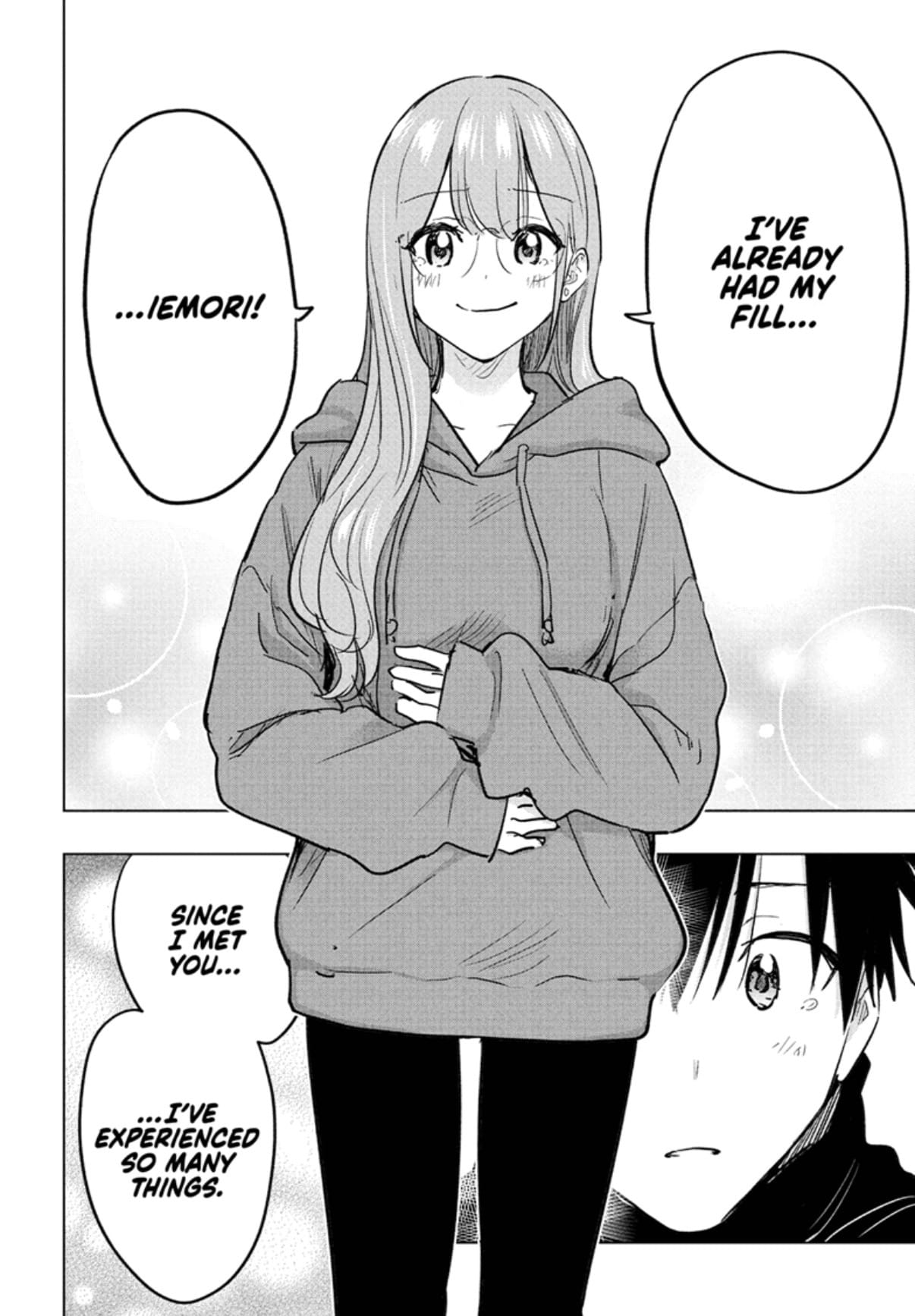
All of this isn’t to suggest that Nisekoi is any better than Hima-ten!, but rather to point out how unusual Hima-ten! truly is. On the whole, it feels remarkably restrained compared to most other works in the romance genre: introducing a harem but refusing to inflate it to ridiculous lengths, nor ring each situation dry of dramatic weight. This is what makes it incredibly easy to recommend to pretty much anyone, even if the quality of the work ironically leaves something to be desired.
It’s hard to overstate just how much of a good job Genki Ono did on this series. While the level of skill with which each situation was plotted out would seem to suggest a considerable amount of experience with romance stories, the author’s last full length project was actually the table tennis-focused Full Drive. As to what inspired the shift, the fact that Ono worked as an assistant on both Witch Watch by Kenta Shinohara and Blue Box by Kouji Miura no doubt played a part.
More credit also needs to be given to Ono’s art. When compared side-by-side to Full Drive, Hima-ten! doesn’t even look like it came from the same person, now employing a much freer panelling style and looser lines in character designs. Of course, the change in subject matter probably warranted a drastically different art style, but the result is a much more visually distinct series that serves to elevate the story through distinct compositions.
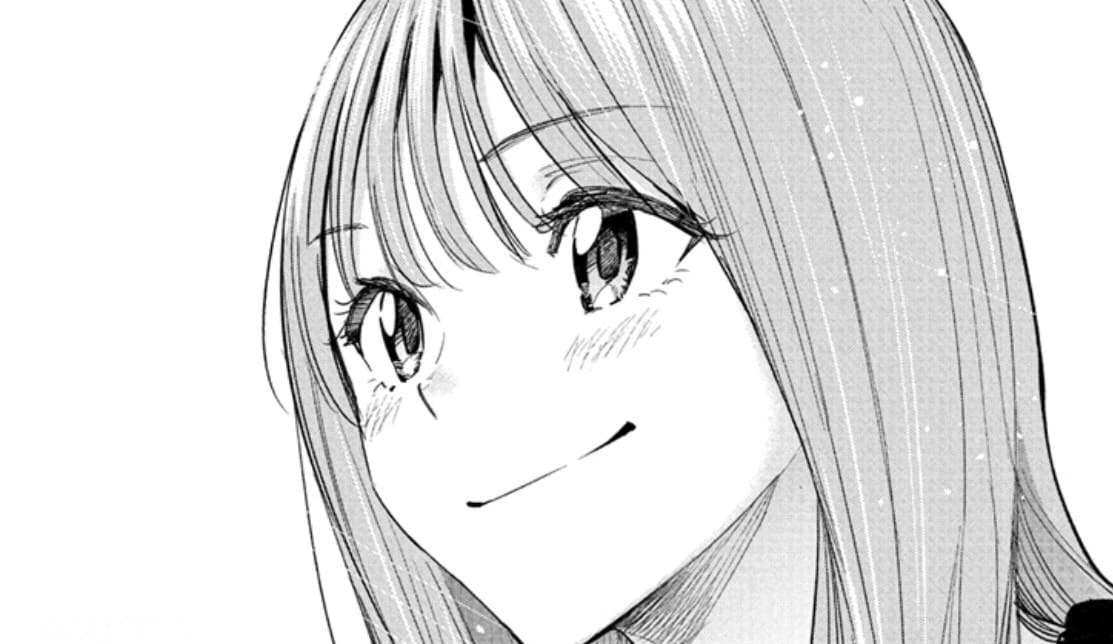
By far the best thing about Hima-ten!, however, is the fan service. Weekly Shonen Jump has had a rocky relationship with this traditional technique of shonen manga ever since the sudden transfer of Ayakashi Triangle by Kentaro Yabuki to Jump Plus, but Ono somehow managed to revive the art by marrying it to a certain character profile. The fact that Kanna is a gravure model with a slight insecurity about her “assets” not only provides the story with a sexy twist, but ensures that it remains tasteful and justified.
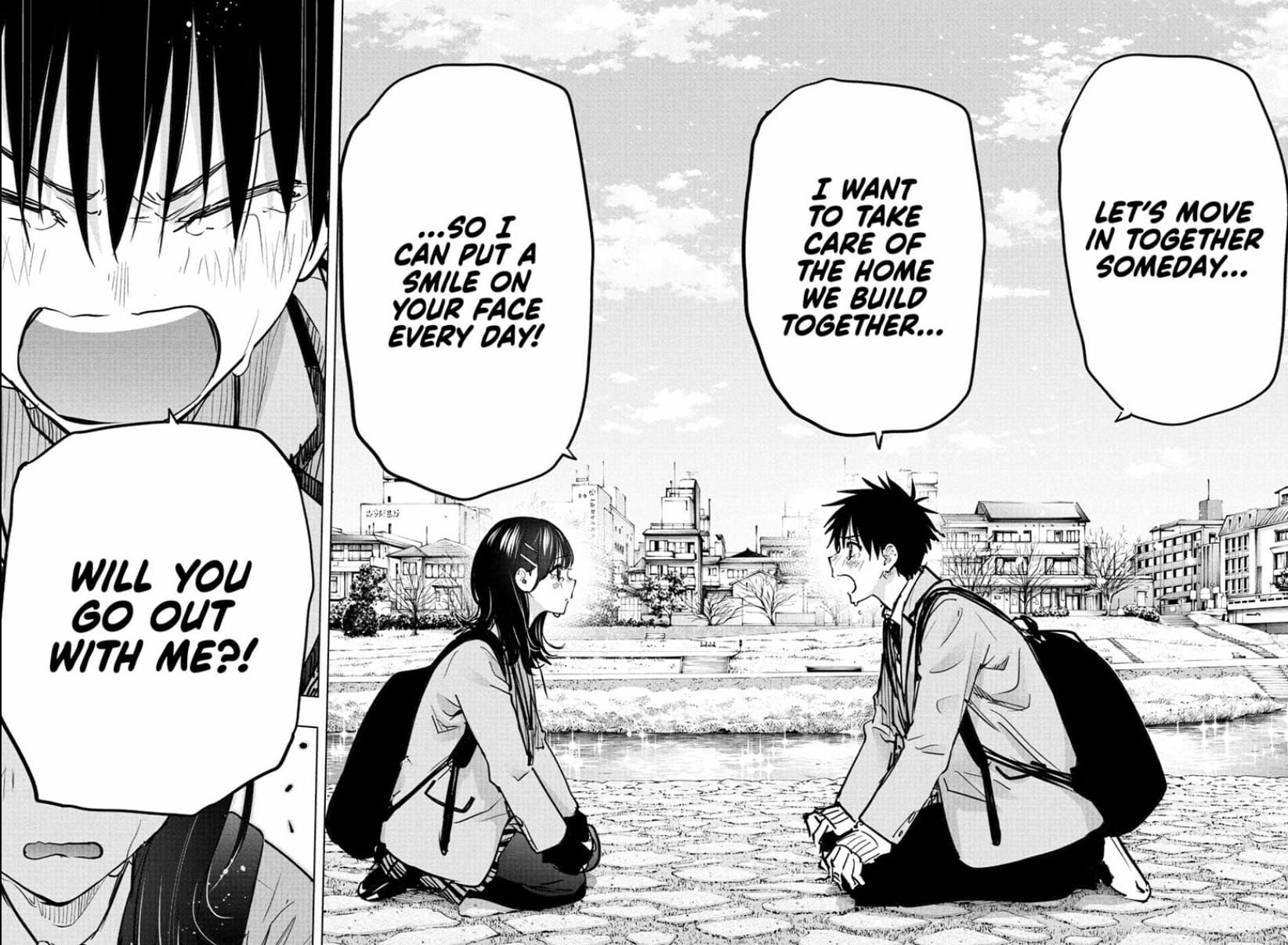
Given this quality, Hima-ten! felt like it could have gone on for much longer. Even if Tenichi was always going to end up in a relationship with Honoka at the end, the confession could have been the opening move to a second phase of the story, centered around Tenichi’s uncertainty about his feelings for Himari and Honoka going on the attack. At the very least, the penultimate chapter could have been expanded a little more to let the confession breathe, using the fantastic backdrop of Kyoto to its advantage.
Instead, the ending that eventually played out was a simple exercise in bow-tying, cleaning up all of the loose ends in an almost clinical fashion. Quite fittingly for a series about housework, it felt like when you declutter a room to the point where it looks unrecognizable from before: usable, yes, but somewhat devoid of character and warmth. Sometimes you do actually need that weird armchair or giant stuffed animal to make a space feel like yours.
Hima-ten! certainly came, saw and conquered in record time, but could it have done more? There’s definitely reason to believe so, especially since the answer for most other romance series is precisely the opposite. Perhaps that is the greatest compliment Genki Ono could ever receive in and of itself.