Hideo Kojima is one of the most famous names in gaming these days, with the Metal Gear series being a long-time staple of the Playstation console line, and remastered versions continuously making appearances on other consoles and PC. He is known for creating works that blur the line between gaming and cinema, as in the case with the Death Stranding series, which released the second installment, Death Stranding 2: On the Beach this past summer.
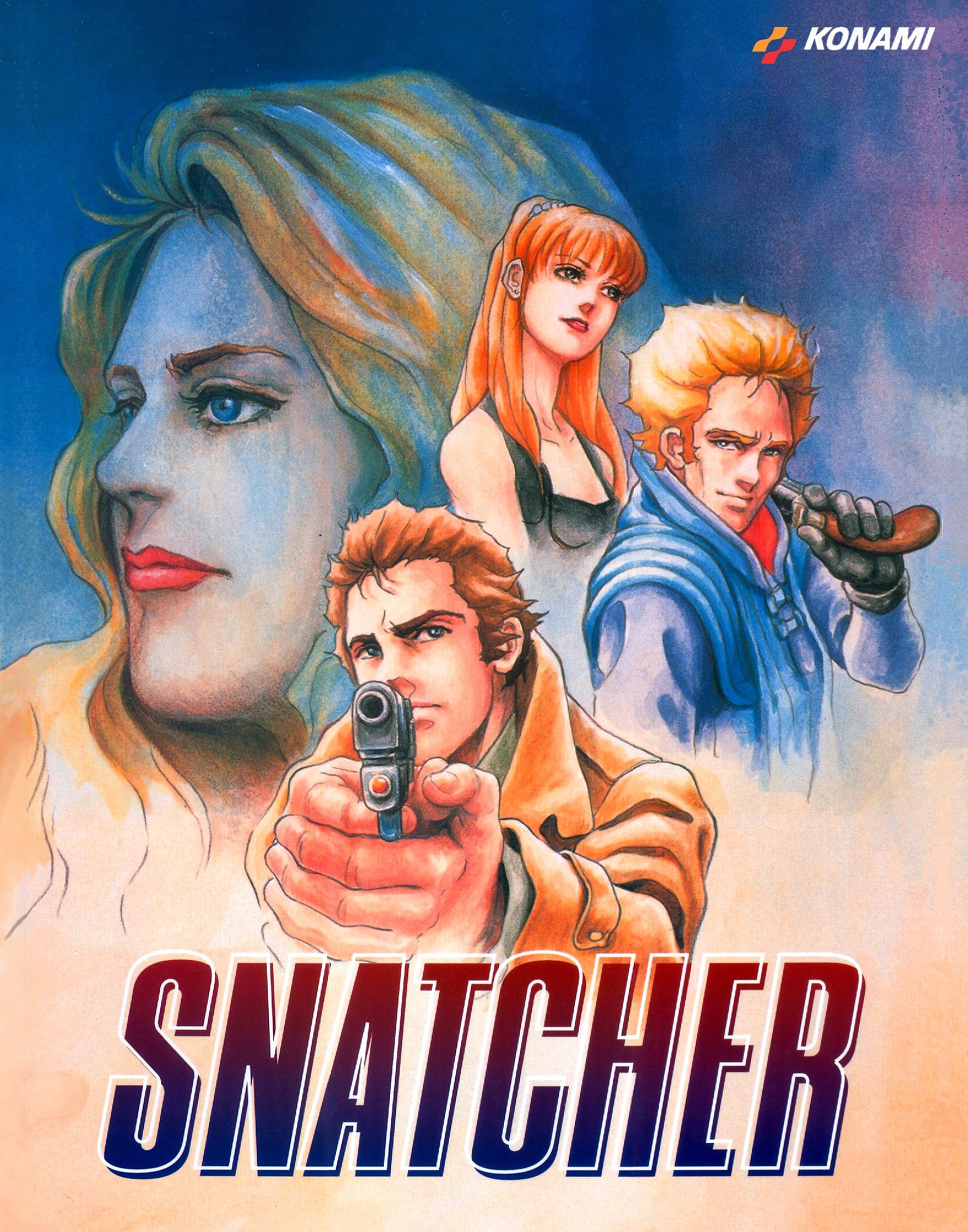
While Kojima’s track record has been superb over the years, most casual fans might not know that his vision of mixing gaming and cinema dates all the way back to the 80s, and one of the first big projects that demonstrate his efforts goes by the name of Snatcher, a cyberpunk adventure game originally developed for the PC-8801 and MSX2 and released in 1988. With the 80s being a time where science fiction thrived on the big screen in both the East and the West, ending off the decade by assessing what was possible in the video game medium was a power play that proves Kojima has always been one of the most ambitious minds in the industry.
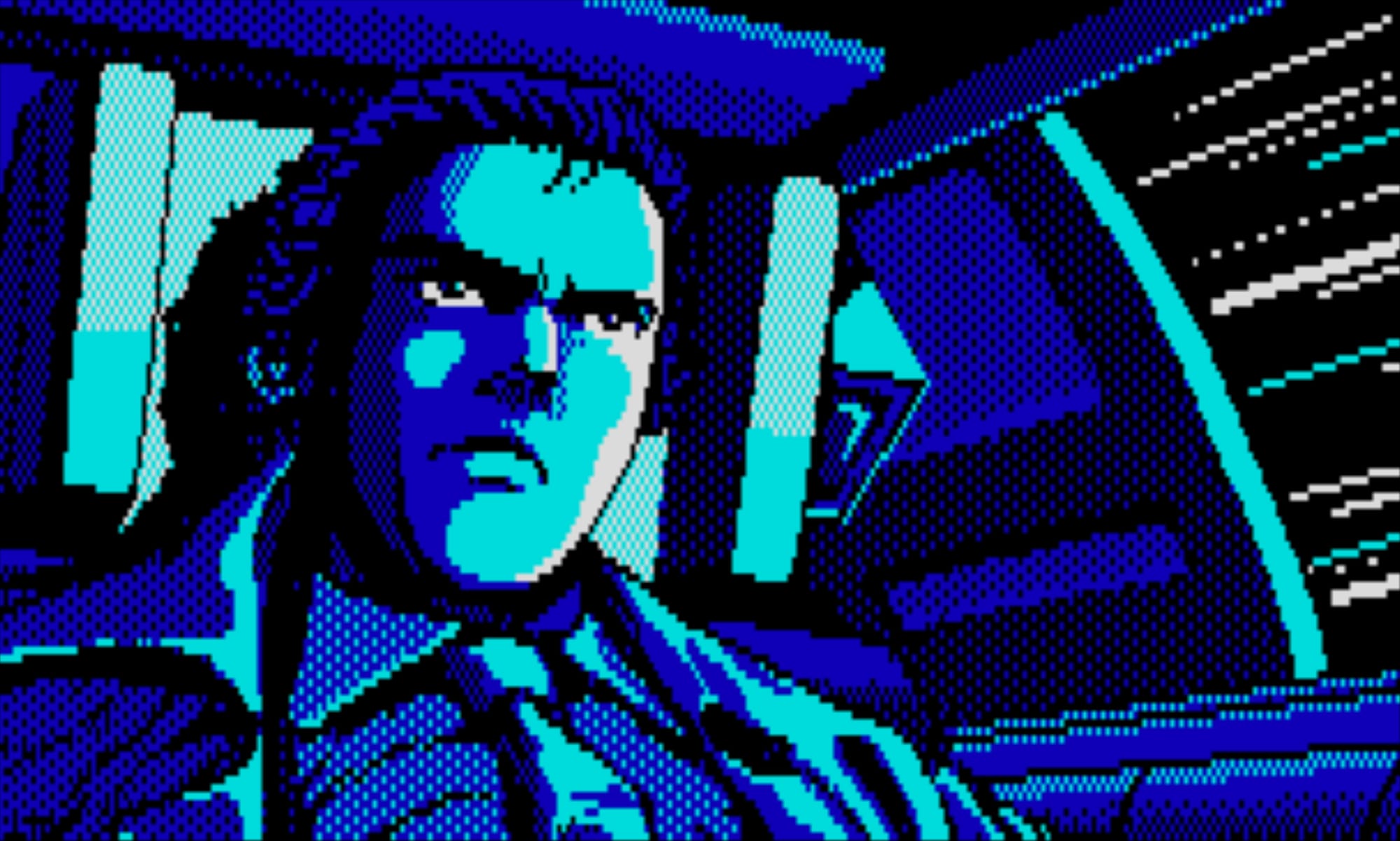
Snatcher fits in somewhere between old-school adventure game and visual novel
Most PC adventure games follow the formula of being point and click adventures with a keyboard and mouse. Opting for text-based menus that let the player move around in an open world freely and examine surroundings, Snatcher takes a comfy approach to the adventure medium, acting as a precursor to the visual novel genre that started to gain popularity on Japanese PCs and consoles over the course of the 90s.
The story revolves around an ex-CIA agent, Gillian Seed, as a member of the JUNKER task force, charged with tracking down “Snatchers”, bioroids who have been targeting important public figures, and assuming their positions, effectively replacing them. By exploring Neo Kobe City, the narrative follows collect clues to learn about Gillian’s past, and ultimately putting an end to the Snatcher threat. Many of the plot points are based on a fictional account of actual history, and allude to historical events with alternate outcomes, an effective way to draw the player in and relate the affairs of the futuristic in-game world to some semblance of credibility.
The original releases of Snatcher were available on Japanese hardware only, but in 1992, Konami decided to build an English language port of the game for the Sega CD that would feature a segment using their light gun hardware, the Menacer. The PC Engine Super CD port of the game was used for inspiration as the base for the Sega CD version, with some script changes and censorship for western audiences. While it was considered a commercial failure due to the timing of its release as well as Sega CD’s lackluster market share, it has consistently been one of the most sought-after and expensive on the secondhand market titles to own for the console over the years since release.
Snatcher wasn’t the only cyberpunk tale Kojima explored
While Kojima spent most of his development time post 90s focusing on the Metal Gear Solid franchise and eventually moved on to his own projects after separating from Konami, Snatcher did see a spiritual successor in the form of 1994’s Policenauts, released on Playstation and Saturn, as well as the PC-9821. Unlike Snatcher, Policenauts never received an official english version, but fan-made translation patches are available for the more dedicated fan seeking to vibe with Kojima’s sci-fi cyberpunk visions of the 90s, and follow along with his journey as his cinematic games and stories have evolved over the years.
Snatcher also received a re-release on Playstation and Saturn in 1996, though with no eventual localization for the West. Kojima’s cyberpunk masterpieces might have never caught on, but the seasoned, hardcore fan will always remember them as a milestone in Kojima’s career, marking the exploration of a medium, and decades-long progress towards the ultimate cinematic gaming experience. It’s unknown if Snatcher will resurface with Konami maintaining the rights to the franchise, but perhaps Kojima himself still has yet more cyberpunk epics to tell in the future.