In the beginning, there was King’s Field, a series of grueling first-person dungeon crawlers made by FromSoftware. While other RPG developers like Squaresoft and Enix transformed their genre of choice into exciting roller-coasters anyone could play, King’s Field instead asked the player to slow down and be cautious. A single mistake could leave you vulnerable to the game’s many tricks and traps. The King’s Field series never found a wide audience, but it did attract devoted fans who adored its atmosphere and harsh difficulty.
Eight years after King’s Field IV, the final console release in the series, FromSoftware published a spiritual successor, Demon’s Souls. Unlike King’s Field, Demon’s Souls was a third-person game with snappier combat and deeper character customization. Enough folks bought it that FromSoftware made Dark Souls, which rewired the brains of a generation of gamers to seek punishment and gothic fantasy aesthetics. Over the next decade, the studio would become the single most beloved developer of RPGs in the games industry.
What if I was to tell you, though, that there was another game made between King’s Field IV in 2001 and Demon’s Souls in 2009? Not one by FromSoftware, of course, but still (within its specific online niche) just as influential. An independent role-playing game featuring an interconnected world, opaque plot and many hidden secrets.
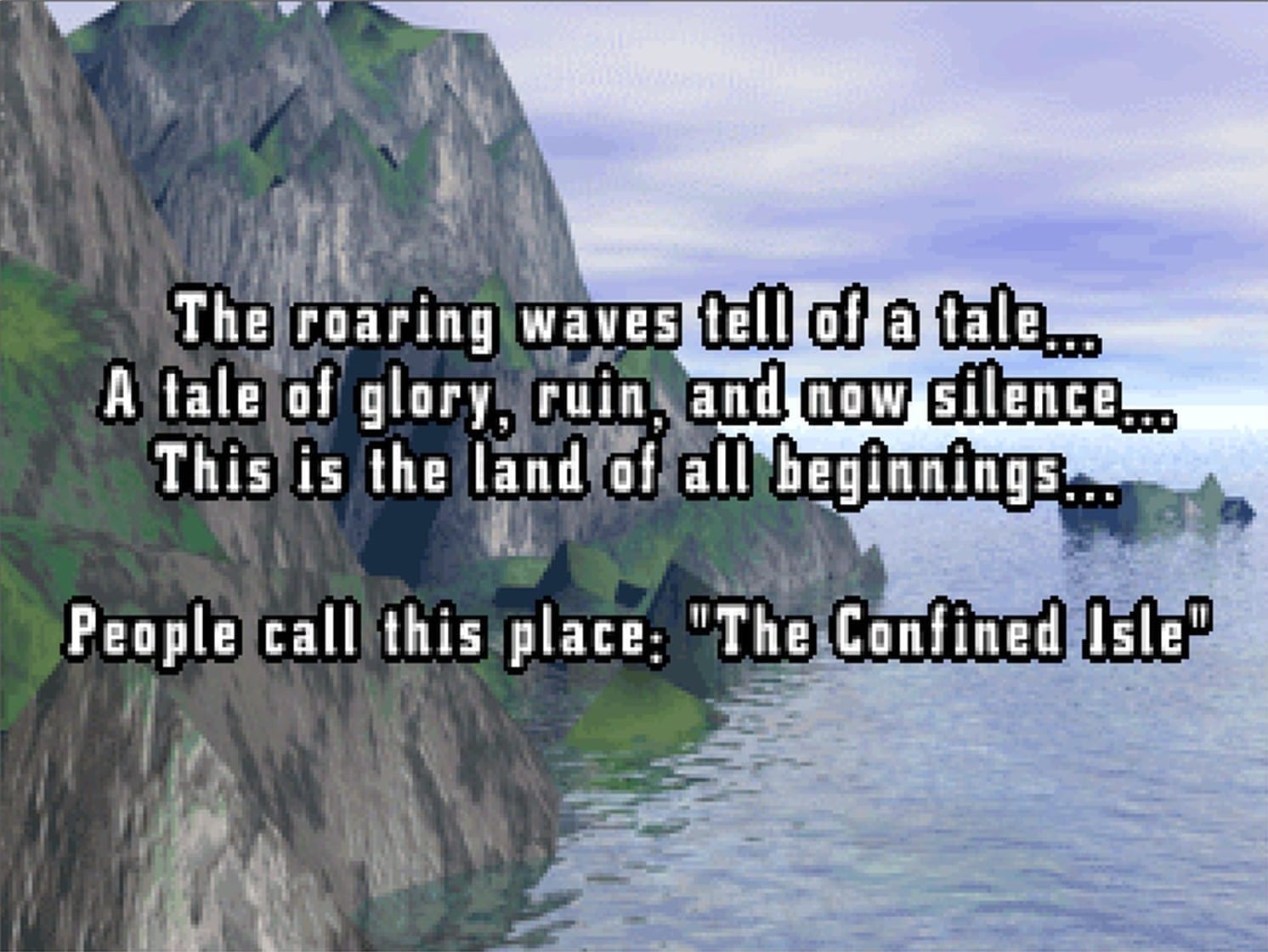
Nepheshel is a freeware RPG released by the doujin circle Studio Til in 2002. It begins with a hoary cliche: the protagonist wakes up on the mysterious Confined Isle having lost his memories. It turns out that everybody on this island is an amnesiac, too. All there is to do is to wander the Isle’s many dungeons in search of treasure–or perhaps answers.
Rock, the local tavernkeeper, encourages beginners to seek out the nearby King’s Crypt. Its halls though are swarming with slimes. Green slimes are fine in moderation, but blue slimes will kill you, and red slimes aren’t worth engaging with at level 1. Enemies in this game are touch encounters, meaning that navigating dungeons requires avoiding strong enemies like you’re playing a bullet hell game. At the same time, the weakest green enemies don’t give you nearly enough experience to advance or gold to buy new equipment without grinding. What to do?
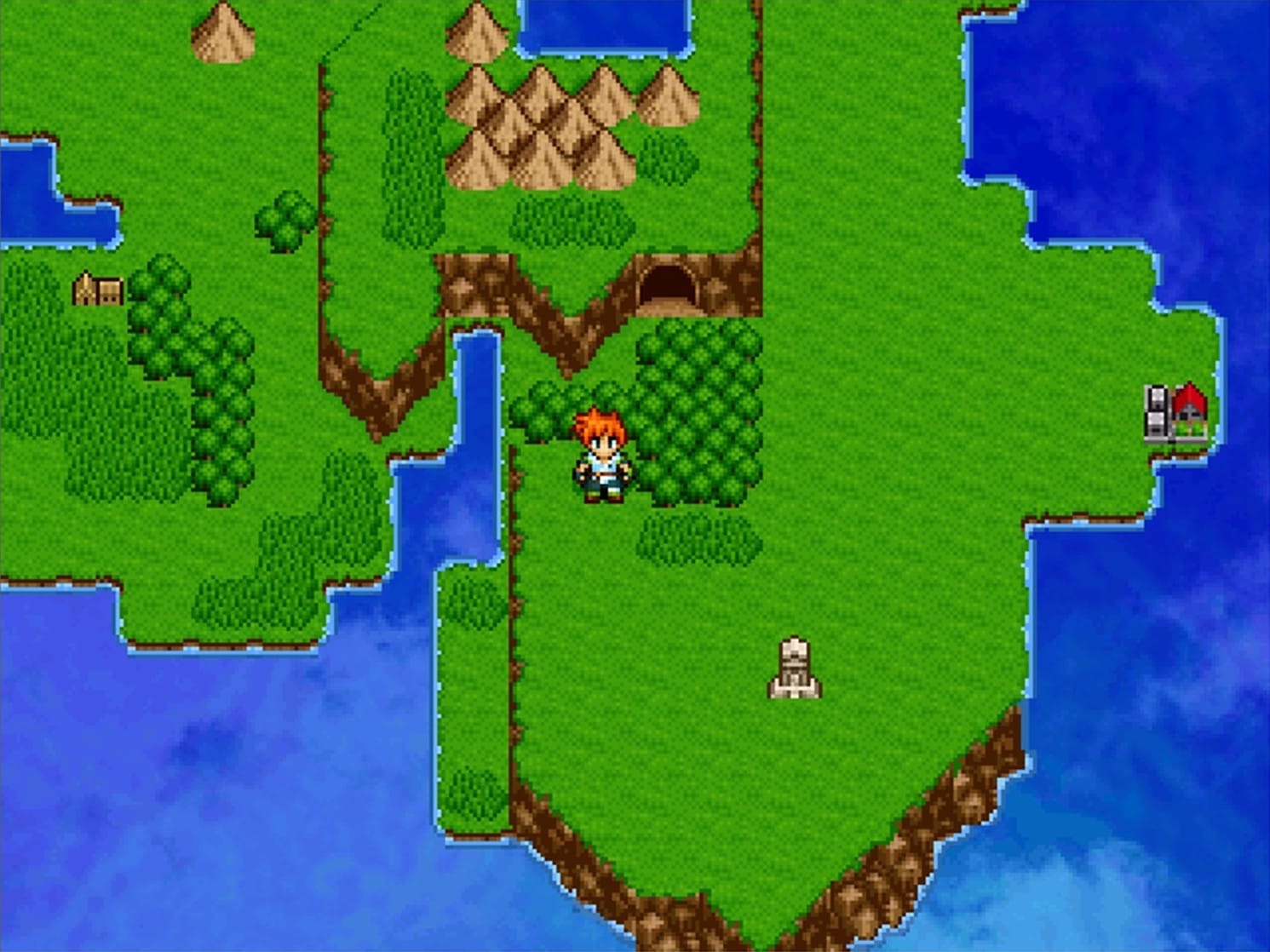
Those who pay close attention to the walls of the King’s Crypt will notice that some tiles are marked in white. Interacting with those tiles opens secret areas hiding items and valuable equipment. This is Nepheshel’s key innovation: you become stronger more quickly by finding hidden passages than by fighting enemies. Your priority in each dungeon is to weave between opponents to track down rare, hidden equipment and skew the power curve in your favor. Of course, the white markings in the King’s Crypt are just a convenience for beginners; finding secrets in later dungeons requires much more work. Not to mention the secrets hidden within secrets…
Once you realize that exploration, rather than battle, is your key to victory, the world becomes your oyster. You can venture deeper into the King’s Crypt to find new areas. Or you can visit the jellyfish-infested Subterrane Canals, or the Temple with its wolves and traps. The latter two areas feature much tougher enemies, but if you’re avoiding them to begin with, why not take risks? It’s not unlike how Demons’s Souls lets you choose between multiple levels at the start of the game even if there’s an intended route for progression.
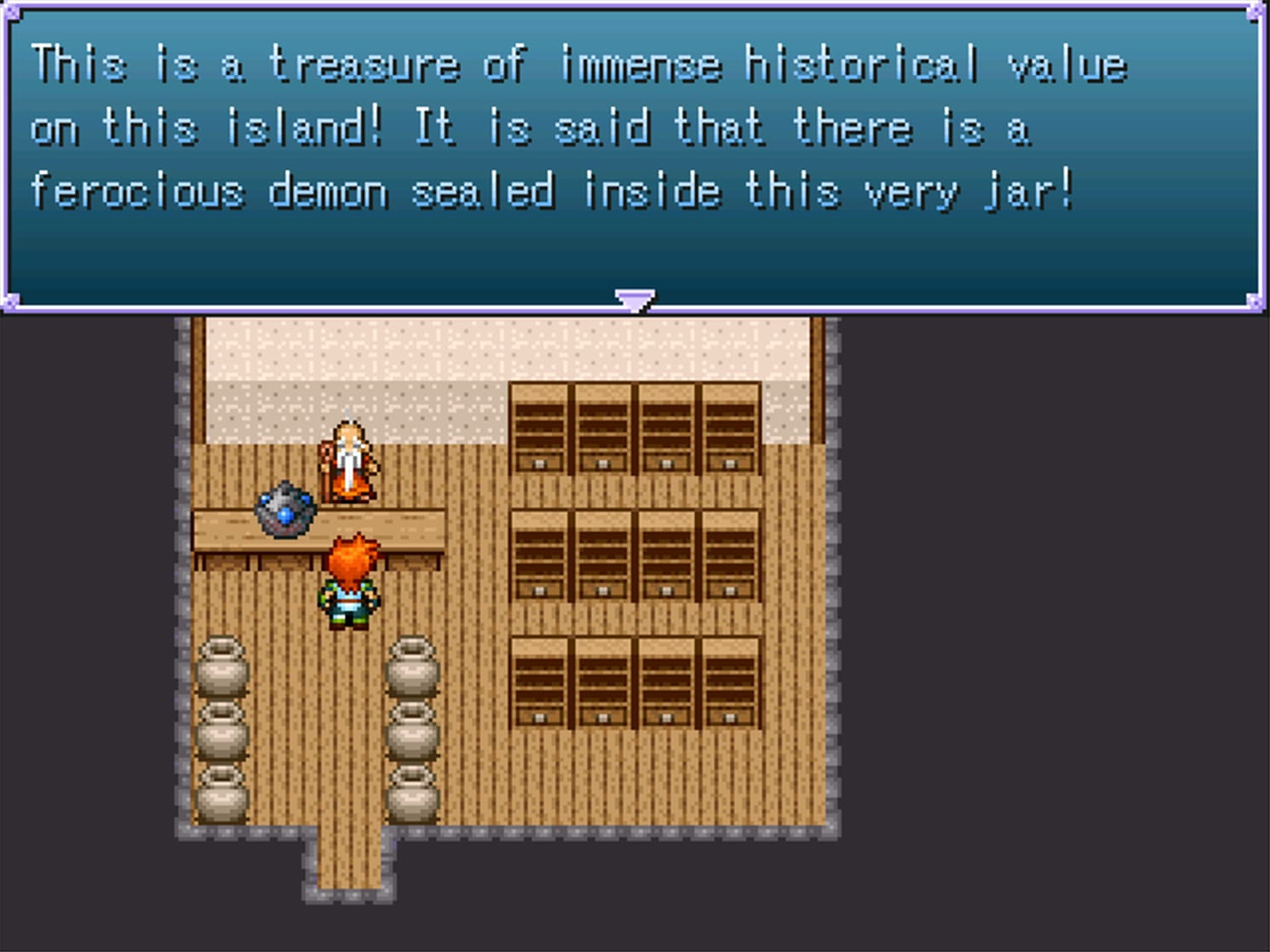
Any equipment or items that you find along the way are useful. Weapons do cut, jab or blunt damage, to which enemies are either weak or resistant. Armor also resists different types of enemy magic to varying degrees. That might sound like RPG 101 to an experienced dungeon crawler. But Nepheshel doesn’t just politely ask you to plan around enemy resistances; it requires it. The new mace you picked up might very well do nothing to a boss, leaving the knife you found in a hidden passage five hours ago to save your bacon. Another trade-off: there’s an item that clues you into secrets, but only if you have it equipped. Do you keep it on to ensure you don’t miss anything, or replace it with an accessory that’s more useful in battle?
The Confined Isle is a lonely place. Most of your fellow adventurers, who once offered you advice at the local tavern, turn up dead in dungeons as you explore. Your strongest allies are magical beings known as Djinn, who join your party if you can track down their jars. Finding these jars though requires further puzzle-solving. So does strengthening them further. Nothing comes easily in the world of Nepheshel, but that just makes every one of your hard-won victories that much more meaningful.
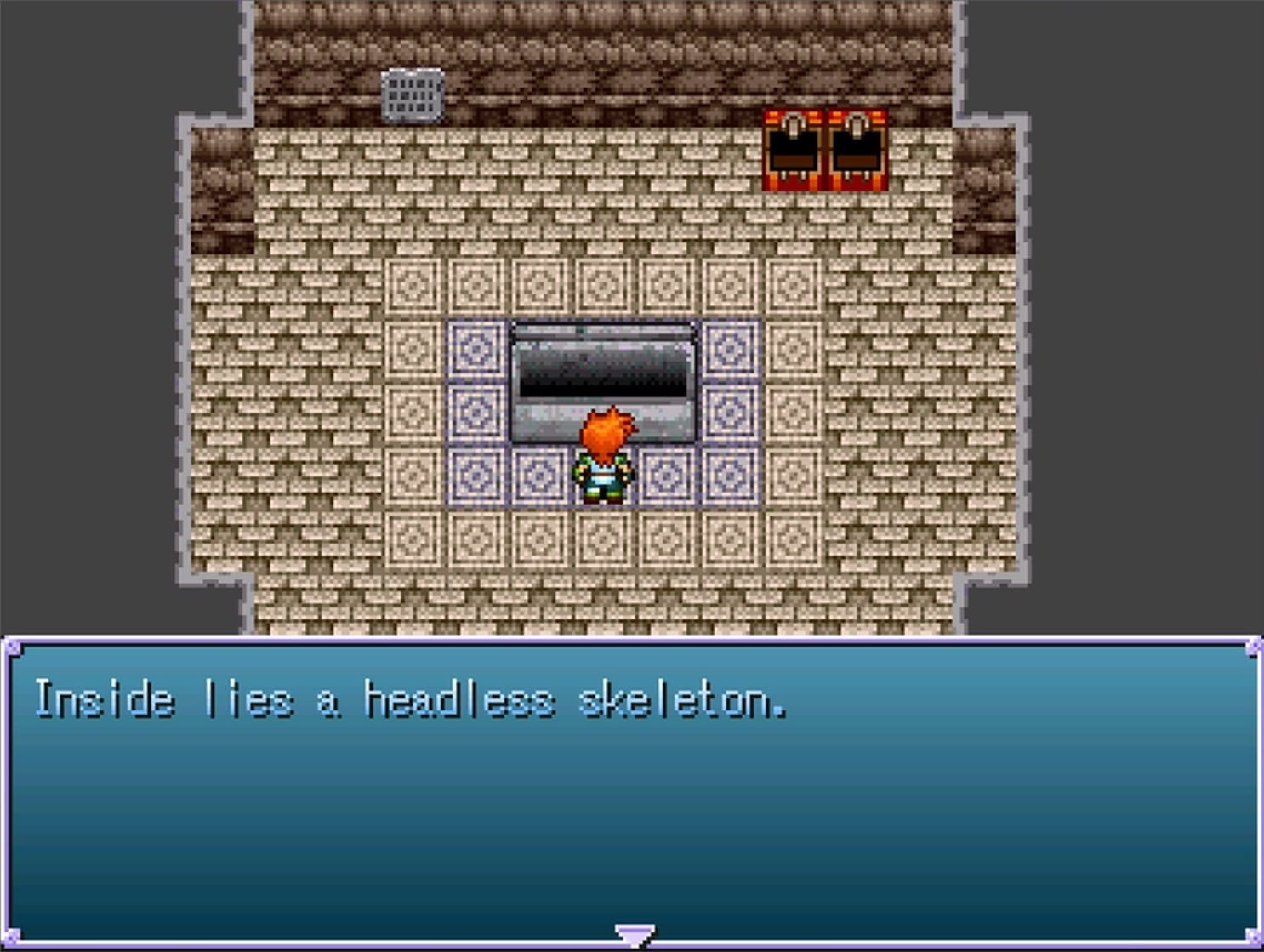
Nepheshel eerily predicts Demon’s Souls in many respects. It’s a cryptic game of excavation that demands you learn its mechanics rather than finding brute force solutions to problems. It conveys its story through world design and scarce, cryptic dialogue. Despite the difficulty, its design emphasizes player freedom. You’re expected to visit dungeons in whatever order you want, use or ignore whatever items you wish, and return for future runs armed with hard-won knowledge from previous attempts.
The game inspired countless imitators tweaking its formula. Demon King Chronicle, released by the doujin circle Katatema in 2007, cranked up the difficulty while simultaneously letting you equip any item in the game, even potions and enemy drops. Its metafictional plot is just as cryptic as Nepheshel but comes to a much more satisfying climax. Satsu’s Helen’s Mysterious Castle on the other hand shrinks Nepheshel, narrowing its sprawling caverns to a handful of well-designed rooms and useful weapons. Both games have been translated by PLAYISM and are available to play in English if you so choose.
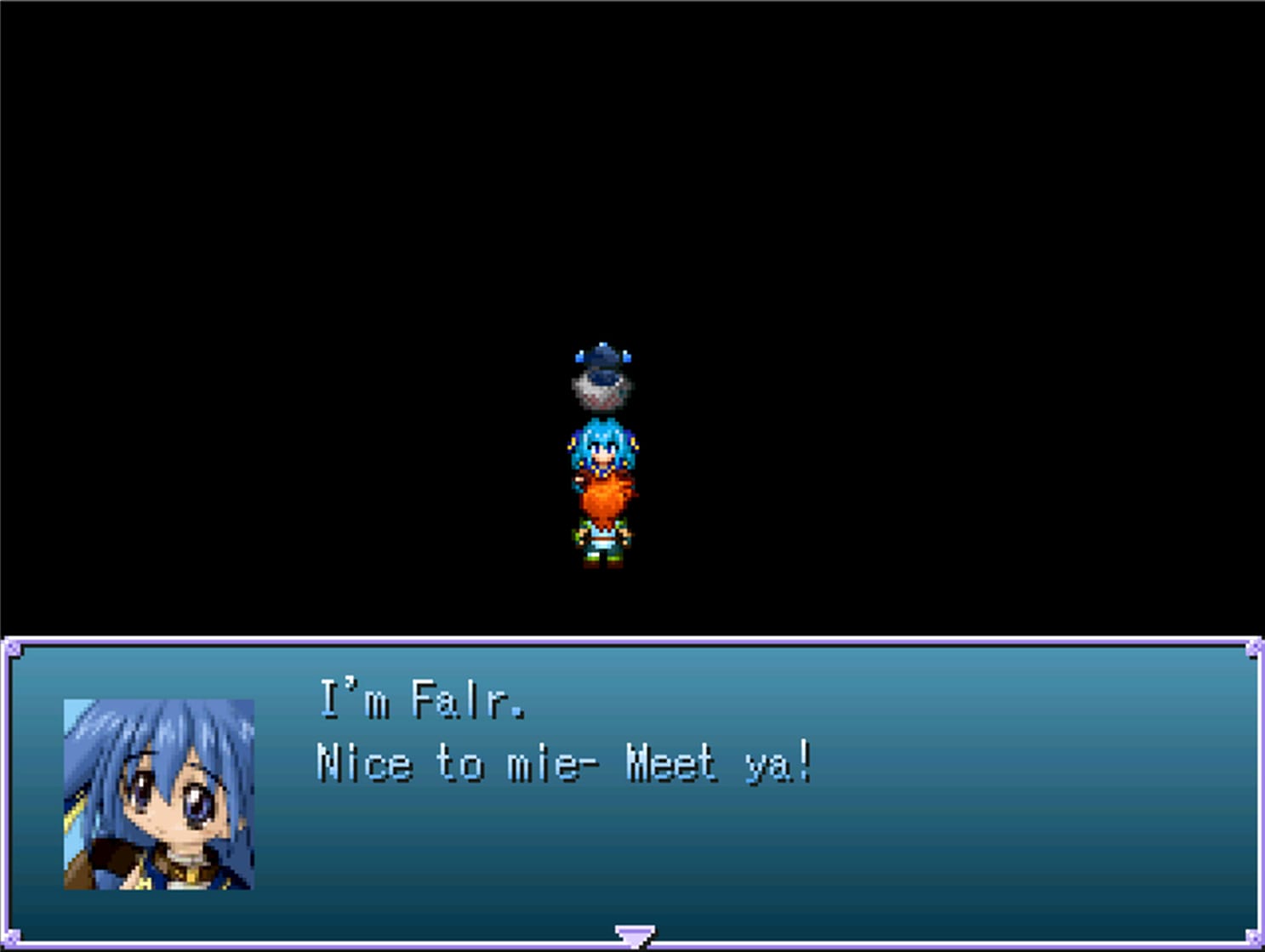
Other developers built on Nepheshel’s framework to launch their own sub-genres. t-k’s 2003 title Historie retained Nepheshel’s open exploration, but introduced multiple protagonists as well as a time limit. The player is given only so much time to save the world before its collapse, and must find quick and dirty routes across the vast world map. Developers like smokingWOLF and kou iterated further on this idea with their own games Silfade Gensoutan and unexist. (smokingWOLF would later cross from dungeon RPGs to roguelikes with One Way Heroics.)
Even games that aren’t Nepheshel-likes per se bear its influence. Mio (30)’s Memoria of Creation, the climax of their long-running Soldieress Saga, is first and foremost a meticulous recreation of SNES era Shin Megami Tensei. But its dungeon layouts, which are navigated from a top-down 2D perspective rather than traditional first-person, owe much more to Nepheshel with its interconnecting zones and hidden secrets than it does to SMT.
What these titles all have in common is that they were developed in hobbyist game engines, typically RPG Maker or Wolf RPG Editor. Nepheshel in particular was made in RPG Maker 2000. That engine comes with specific limitations, especially back then: 2D sprites, turn-based battles, only four stats and five inventory slots for each character. It did not naturally lend itself to modelling King’s Field’s first person perspective and real time combat. Studio Til might have used another engine, like FromSoftware’s own Sword of Moonlight, to make their game. Instead it stuck with the simplicity of RPG Maker, and found a way to translate the joy of King’s Field into a simple 2D RPG.

Why does any of this matter? Nepheshel is a cult classic in Japan, but only just. An excellent English translation by Vittone in 2022 caught the attention of indie developers like Melos Han-Tani, but otherwise went unnoticed among the RPG Maker community itself. This after all was a Japanese freeware game from 2002, a niche within a niche. You have to know the context if you want to understand why people are still making games of this type today.
The truth is that the “canon” of video games as we imagine it today is fatally limited. Games are not a straight line from Super Mario Bros. to Ocarina of Time to Elden Ring. Underneath the surface of mainstream commercial hits is an underground river of niche titles, ROM hacks, freeware games, doujin and countless other examples from around the world shaping our collective imaginations. A multiplicity of scenes where amateur and independent artists might not be widely known but all know each other. That’s where the medium’s heart is.
Nepheshel isn’t just a dungeon crawler distributed on the internet for free. It’s a shared design language for 2D exploration games that developers in Japan still borrow from to this day. Years before the current wave of King’s Field-likes and Dark Souls clones, Studio Til and its followers kept the curious spirit of those games alive.