Pokémon Pokopia, the recent collaboration between Omega Force and Game Freak, changes up the traditional Pokémon formula. Instead of a human trainer, you play as a Ditto taking the form of a human. You do favors for other Pokémon rather than capturing and battling them. Strangest of all is that humans left the world of Pokopia long ago; you’re left to puzzle out through leftover scraps of writing exactly what happened to them, and when (or if) they might one day return.
For these reasons, reviewers have praised the game for being “one of the most raw and earnest looks at this world to ever grace a Nintendo system.” Yet Pokopia was not the first Pokémon spin-off to let you play as a Pokémon in a world without humans. That would be Chunsoft’s Pokémon Mystery Dungeon, a series that began over twenty years ago. Despite not having seen a new entry since 2020, it retains a die-hard fanbase to this day.
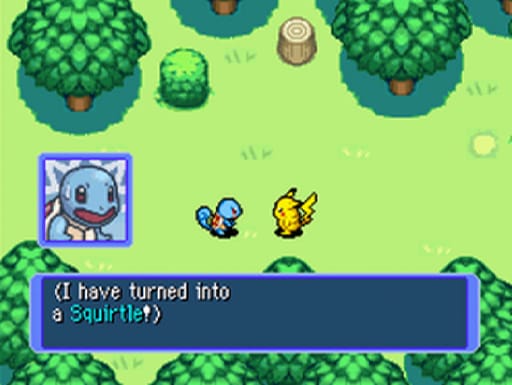
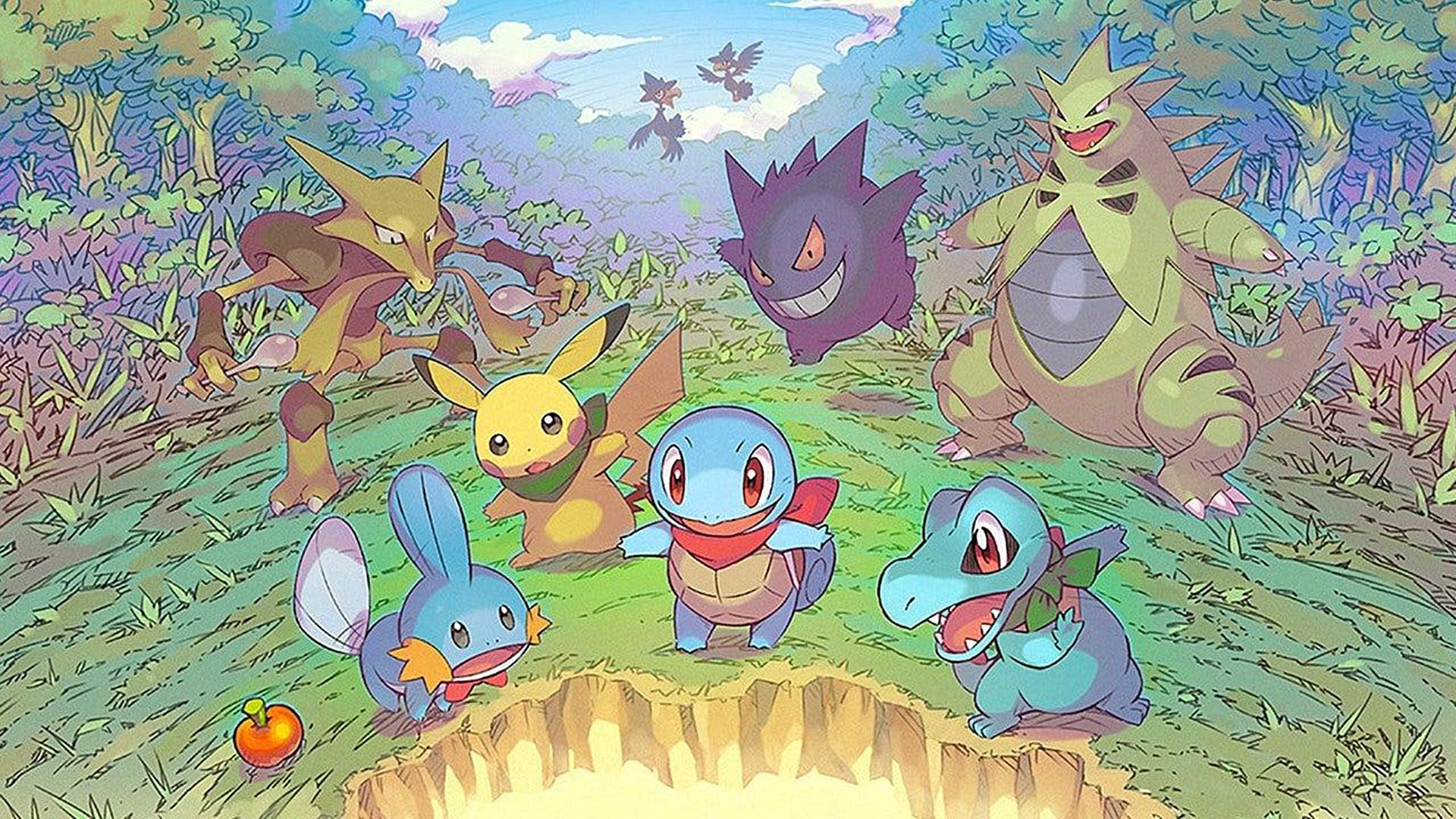
The Pokémon Mystery Dungeon formula is simple. The protagonist, who was once a human, wakes up one day as a Pokémon. They and their chosen partner complete missions in order to help their friends and neighbors. Unlike the peaceful world of Pokopia, though, Pokémon Mystery Dungeon’s universe has its share of dangers. The player and their friends must overcome opposing wild Pokémon, rival teams, and even the gods themselves to find happiness. The series has more in common with Dungeons & Dragons than it does with Animal Crossing.
The “Mystery Dungeon” aspect of Pokémon Mystery Dungeon requires further explanation. The first Mystery Dungeon game, a spin-off of Dragon Quest IV following the merchant Torneko, was released for the SNES in 1993. It sought to translate the high difficulty and surprising mechanical interactions of Rogue to a console experience. If Torneko died in battle, the player was expected to start again from the beginning. The developers at Chunsoft further refined these ideas with the Shiren the Wanderer games starting in 1995. (Their most recent title, 2024’s The Mystery of Serpentcoil Island, is an excellent introduction for those curious.)
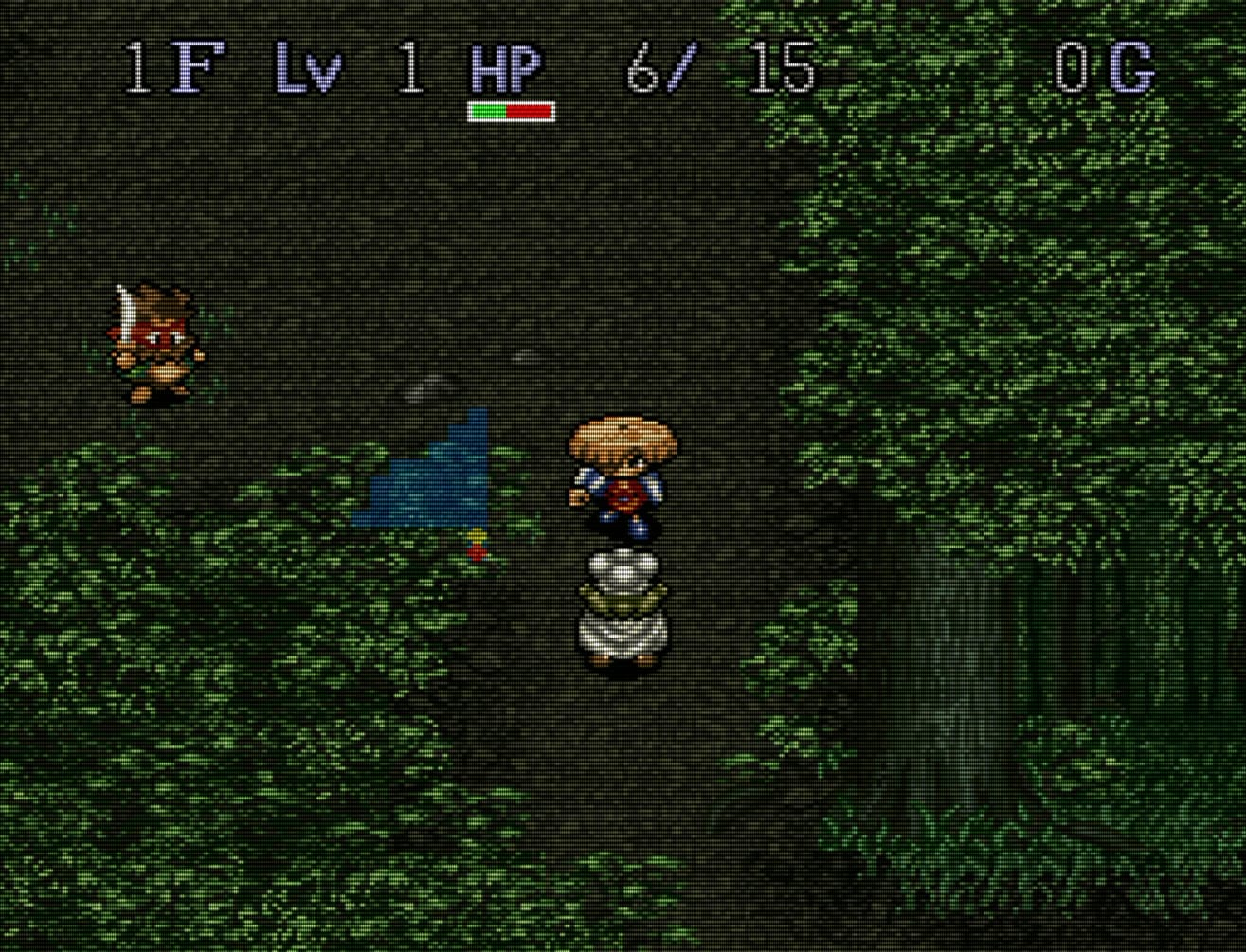
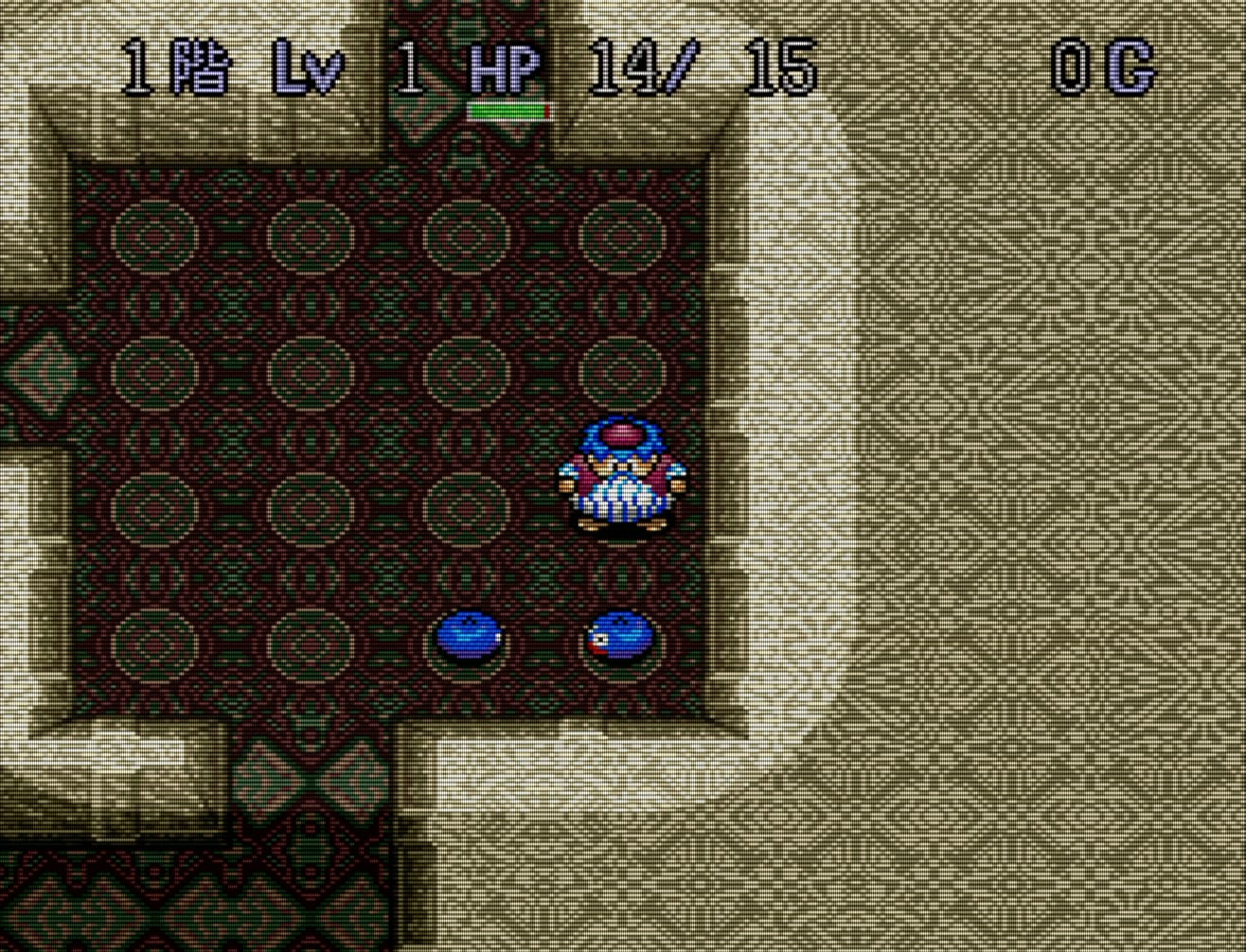
©Chunsoft
Pokémon Mystery Dungeon, then, replicates many mechanics that should be familiar to roguelike fans today. Dungeons are randomly generated. You and your partner (at least in the first few games) can become hungry, so you must seek out food or else starve to death. You’re also expected to keep the layout of the dungeon, as well as the space between you and your enemies, in mind. Rather than attack an enemy face-to-face, you can throw a projectile weapon at them, frighten them, or even teleport them elsewhere in the dungeon with the help of an item.
At the same time, the games make allowances for the player that would be rare in a traditional Mystery Dungeon game. The player keeps their accumulated experience after death despite losing their items and money. Their partner, as well as any wild Pokémon they might recruit in dungeons, ensures that they are never alone in battle. Also, aside from a weak neutral attack, Pokémon have access to the same powerful elemental moves they have in the mainline games, with the exception that (just like in those games) uses are limited by PP.
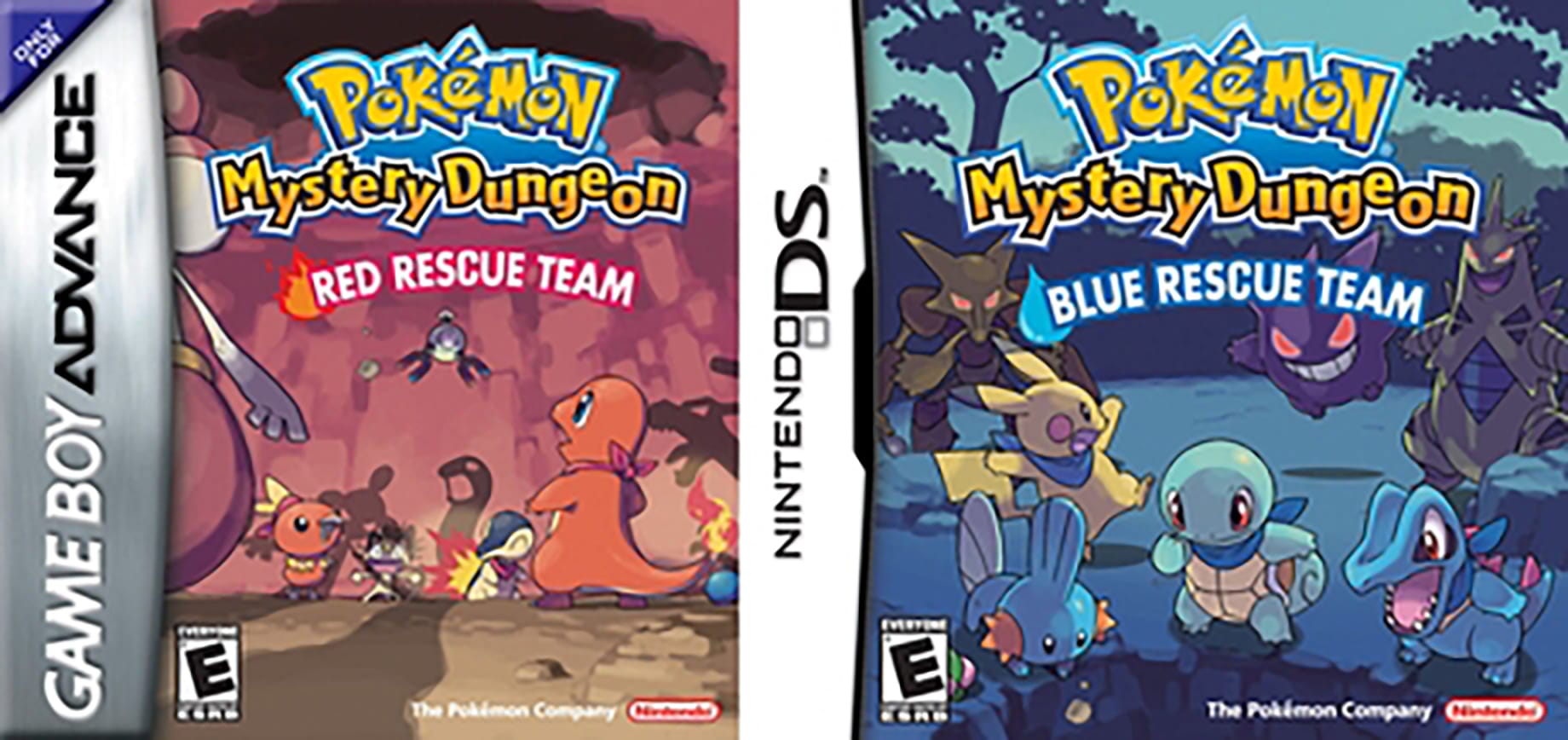
Pokémon Mystery Dungeon’s accessibility (plus the Pokémon branding) made it the single most successful branch of the Mystery Dungeon series. While Chunsoft’s flagship Shiren the Wanderer surpassed three million overall sales this February, the Pokémon Mystery Dungeon games have sold over 17 million copies since 2025. So why is it that the games are relatively obscure today? Part of it may be that the initial two titles (Rescue Team for Game Boy Advance and Nintendo DS, Explorers for DS) were by far the most successful; subsequent titles never again reached their sales numbers. It might also be that, as Jeremy Parish wrote in his review of Pokémon Mystery Dungeon: Gates to Infinity, the “two series in question…operate under radically different premises that don't seem to play well together.”
I agree with Parish that Pokémon Mystery Dungeon is a product of compromise. Its systems are simpler than Shiren’s, and its stories less economical. The randomly generated dungeons resemble anodyne corridor mazes rather than the sprawling routes and cave systems of mainline Pokémon. The series therefore frustrates the expectations of players desiring Pokémon’s fantasy of raising powerful creatures, while also boring those who want a traditional roguelike.
What distinguishes Pokémon Mystery Dungeon in my eyes, despite these criticisms, is that the core fantasy is so strong. These are games about being a Pokémon rather than capturing or battling them. You are small, the world is large, and your best hope of survival is to hole up with your friends. Your tools are not potions and Pokeballs but instead gummies, seeds and orbs. The cute graphics combined with the frictional interface sell the illusion that the player is going on an adventure, even if the games themselves are quite easy.
The worldview of Pokémon Mystery Dungeon owes a lot to writers Shinichiro Tomie and Emiko Tanaka. It’s easy to underestimate their work in games like these where systems rather than plot are king. But the Mystery Dungeon games have always been excellent at weaving simple yet heartfelt stories in between dungeon runs. The Pokémon variants are no exception. It turns out that Game Freak’s creature designs, which already have so much personality, function perfectly as inhabitants of an RPG adventurer’s hub.

The 2009 DS title Pokémon Mystery Dungeon: Explorers of Sky is particularly memorable for its cast. Some characters, like the sweet and truly hapless Bidoof, are just like you’d imagine from their appearances in earlier titles. Others defy expectations. I never imagined before Explorers of Sky, for instance, that a Wigglytuff could be strong enough to run an adventurer’s guild. Now I know better. Just as memorable is Grovyle, whose presence injects some unruly young adult novel energy into what is otherwise a children’s story.
While the Pokémon Mystery Dungeon series is not nearly as popular as the mainline games, it retains a base of hardcore fans to this day. Some develop ROM hacks using the engine from the DS titles. Others write lengthy fanfiction inspired by Tomie and Tanaka’s stories. I even know a few independent game developers who are devoted Pokémon Mystery Dungeon fans. For these folks, regardless of whether Pokémon Mystery Dungeon functions well as a roguelike, no other game in the series scratches the same itch. Plus, these games are isekai stories, and (for better or worse) everybody loves isekai stories.
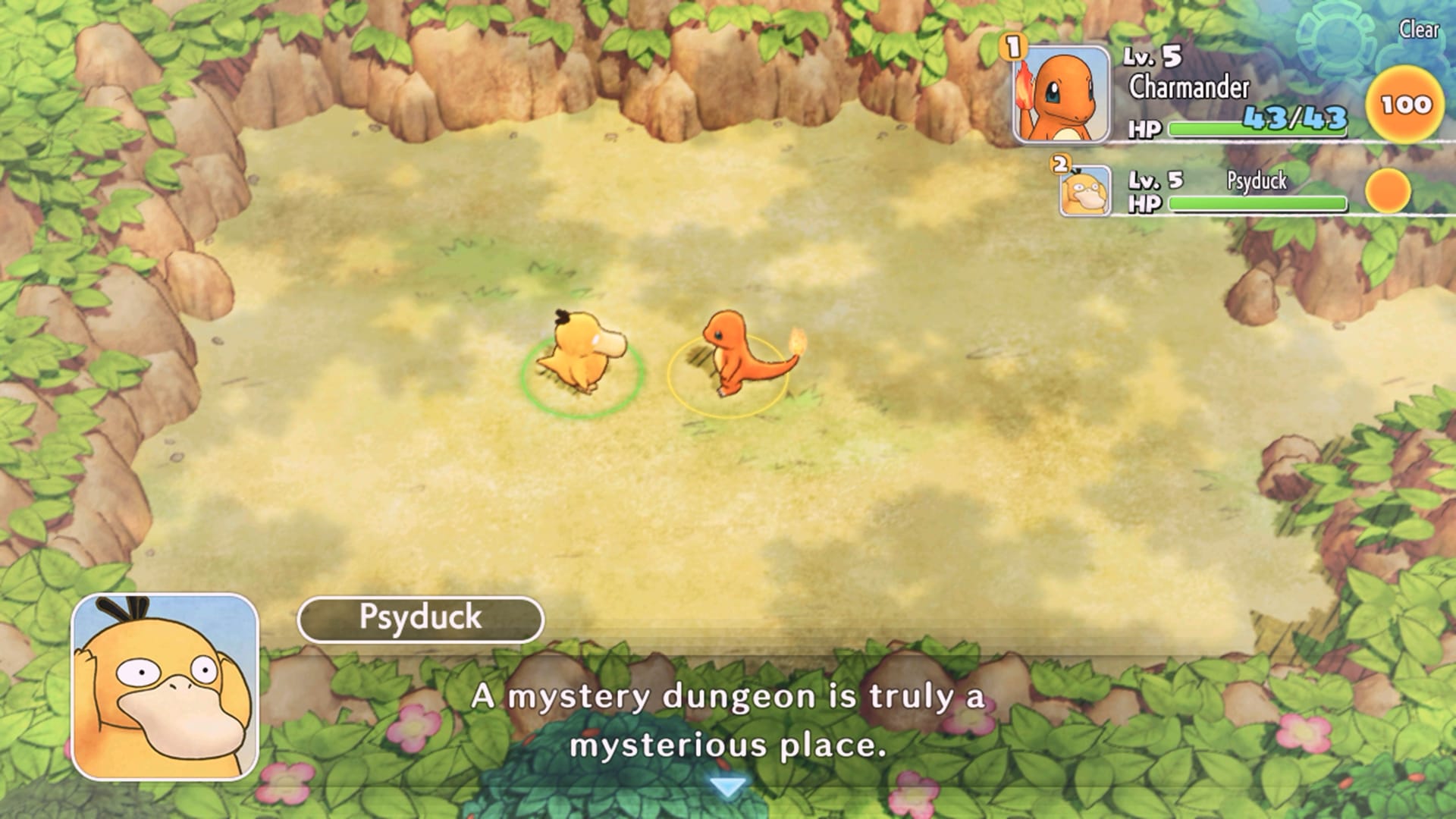
There hasn’t been a Pokémon Mystery Dungeon game since 2020’s remake of Rescue Team. I’m not necessarily desperate for more; I’d rather see another Shiren game building on what Spike Chunsoft accomplished in Serpentcoil Island. We’ve also seen developers from the independent games scene like Supergiant make their own attempts at melding dialogue-driven stories with roguelike systems. (Case in point: their 2020 monster hit Hades.)
Even so, considering Pokopia’s success, I’d love to see The Pokémon Company continue to take risks with spin-off projects. Not so long ago the series experimented with grand strategy, pinball and virtual card games. Why not give another genre a shot? Pokémon has always been mutable; or to be more specific, its affiliated artists have built a massive possibility space over multiple generations. I hope that somewhere in there, an ever-shifting realm of mystery and intrigue, cute little monsters are still going on adventures.