A Wake-Up Call in Deep Space
You awaken from sleep with no recollection of who you are or what you’re doing aboard a spaceship. A mysterious figure asks you, “Do you understand?” and quickly shoves you into a group meeting with strangers you don’t recognize, tasked with discussing who among you is a traitor.
These are the opening minutes of the indie game Gnosia from developer Petit Depotto released in 2019. And while this introduction sounds extremely played-out and familiar, it quickly deviates from expectations, using its gameplay mechanics with controlled randomness, AI behaviors to deduce and a thought-provoking and compelling narrative to stand out from the crowd.
To expand on the setting: the spaceship your character awakens on has been infiltrated by the Gnosia—an alien race capable of taking on the appearance of others and murdering other forms of sentient life. How or why this is happening is initially unclear. The ship’s navigation system detects that a Gnosia is aboard and refuses to let you land on any neighboring planet until it is removed by placing it into cold sleep.
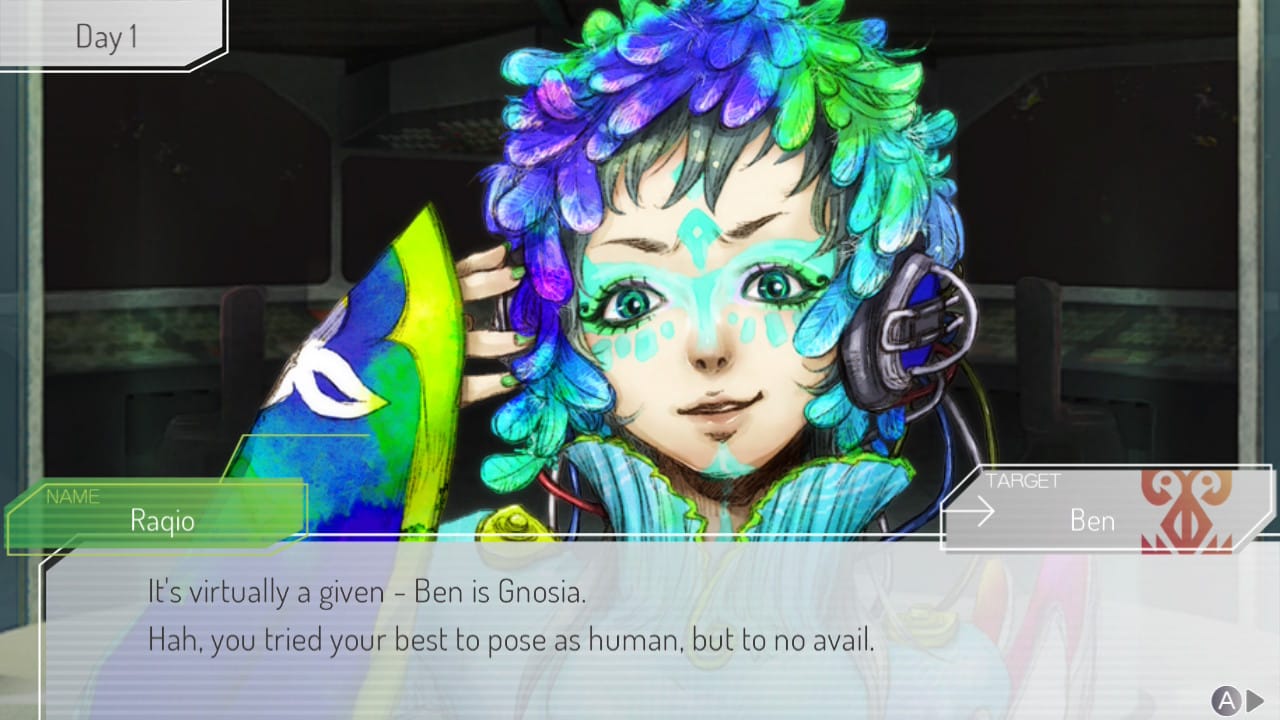
After taking part in a brief discussion—during which everyone is understandably suspicious of your character’s conveniently timed amnesia—you are asked to vote on who you believe is infected. Once the vote concludes, the ship’s warp drive initiates, cueing the next scene… only for the ship to once again detect an infected crew member. You voted incorrectly.
The Silver Key: Learning Through Failure
Regardless of the outcome, you are given a special key by your crewmate Setsu. This key grants you the power to loop back through time into different world timelines where the scenario is altered, yet largely the same. From the second loop onward, you are introduced to new crew mates, each with distinct personalities, and a growing number of potential suspects. The game of whodunnit becomes increasingly complex the more you loop.
Your first loop features only four other characters; eventually, that number grows to as many as fifteen. New player roles are introduced, such as the Engineer, who can scan another character once per day to determine whether they are human or Gnosia, or the Guardian Angel, who can protect others from night-time attacks. Sometimes Setsu—your close ally from the first loop—is a Gnosia trying to kill you. Sometimes they aren’t even present at all. From here on, randomness becomes a key part of the game’s identity. Variation after variation is added: new roles, new crew mates, new conditions. Only one thing is certain — anyone could be your enemy.
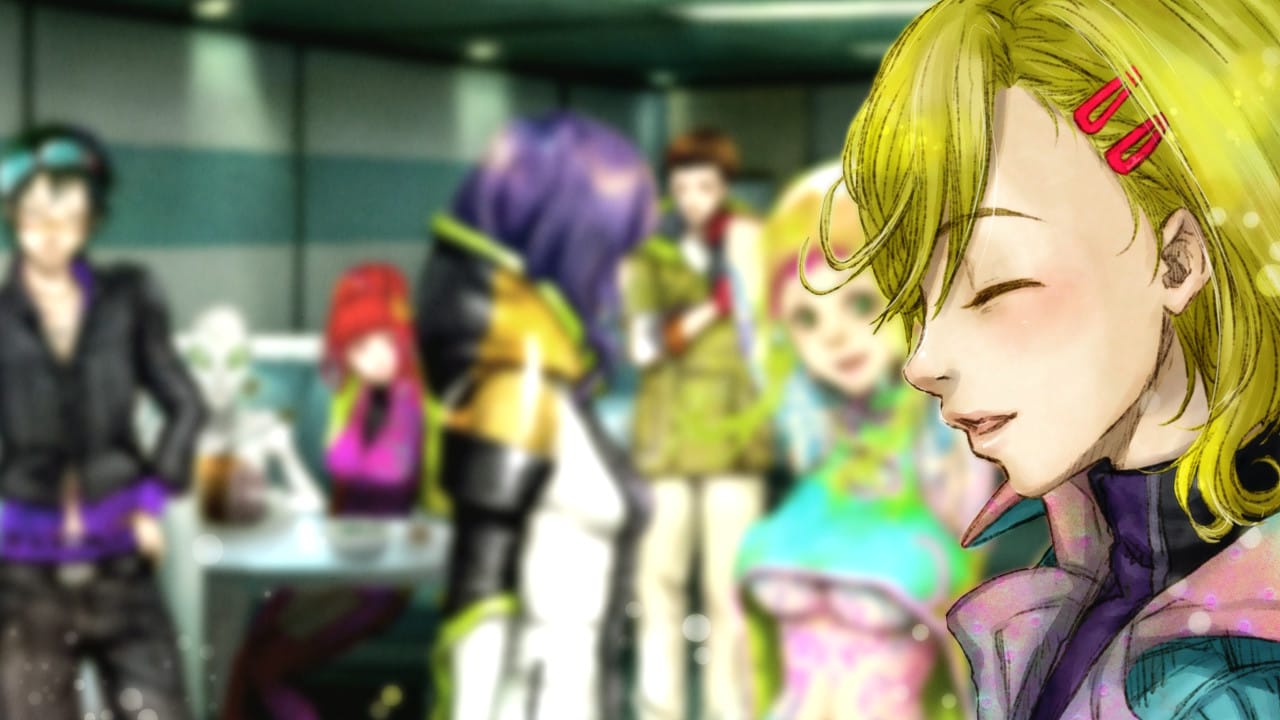
All of this serves a single purpose—to fill your Silver Key’s well of knowledge. Once it is full, you are told you can finally escape the cycle and the horror of the D.Q.O. spaceship.
Gnosia sets itself apart from other stories in the genre, such as Raging Loop, by fully committing to being a social deduction game first and foremost. Your character gains experience after every loop, allowing you to level up and increase one stat each time. Attributes like charisma let you take charge of discussions, making others more likely to believe your statements.
The game is divided into two main sections, with a third appearing under special conditions.
First are the daytime sections, which resemble traditional visual novel segments. You can explore the ship and interact with crew mates in events that are often humorous, but occasionally intimate. These moments reveal the backstories of your fellow crew members and how they ended up aboard the ship after fleeing a dying planet.

Next are the discussion phases. Here, you participate in five rounds of debate, using dialogue prompts to accuse others, defend yourself, or remain silent. Over many loops, you begin to notice behavioral patterns among characters, and by following your detective’s instincts, you can expose the truth.
The final section takes place at night. If your role is simply just human, you can do nothing but sleep. If you have a special role, like an engineer, this is where you can choose who to scan after suspecting them in the meeting earlier.

However, there are moments when you wake to realize that you have become infected by the Gnosia. This completely shifts the objective of the game: you must now eliminate the remaining humans alongside your teammates while deceiving them during the day. Whilst it feels cruel to do this, it’s in these loops where you can learn more about the truth behind the many mysteries of Gnosia.
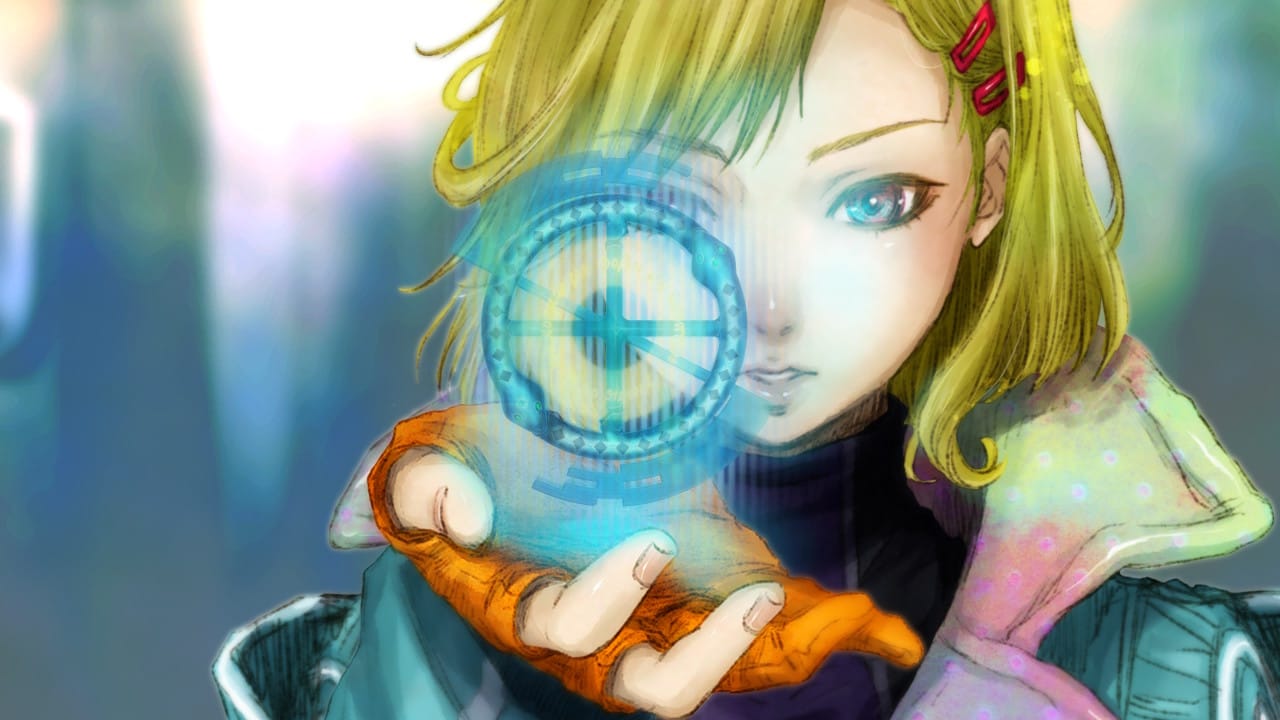
This is all paired with a beautiful art style illustrated by Petit Depotto’s in-house illustrator, Cotori, who also was responsible for the vocals behind an enchanting but also haunting soundtrack. Both of these in conjunction with each other help to create the perfect atmosphere aboard the infected spaceship.
Moments That Break the Cycle
So why is Gnosia still being discussed six years after its release, and does it have anything meaningful to say? Absolutely. The game explores a wide range of social issues through a futuristic lens, featuring what is arguably one of the strongest and most thoughtful portrayals of LGBTQ characters in the medium. At its core, the story is driven by themes of hope and change, examining how identity evolves in a world where humanity itself is malleable. Through its exploration of trans-humanism — human augmentation, clones, and even radical transformations (yes, I’m looking at you, Shigemichi, who decided to become a full-blown alien-looking dude) — Gnosia asks what it truly means to remain human. These ideas are further complicated by threads of nihilism and absurdism, woven throughout a universe defined by infinite loops and endless possibilities.
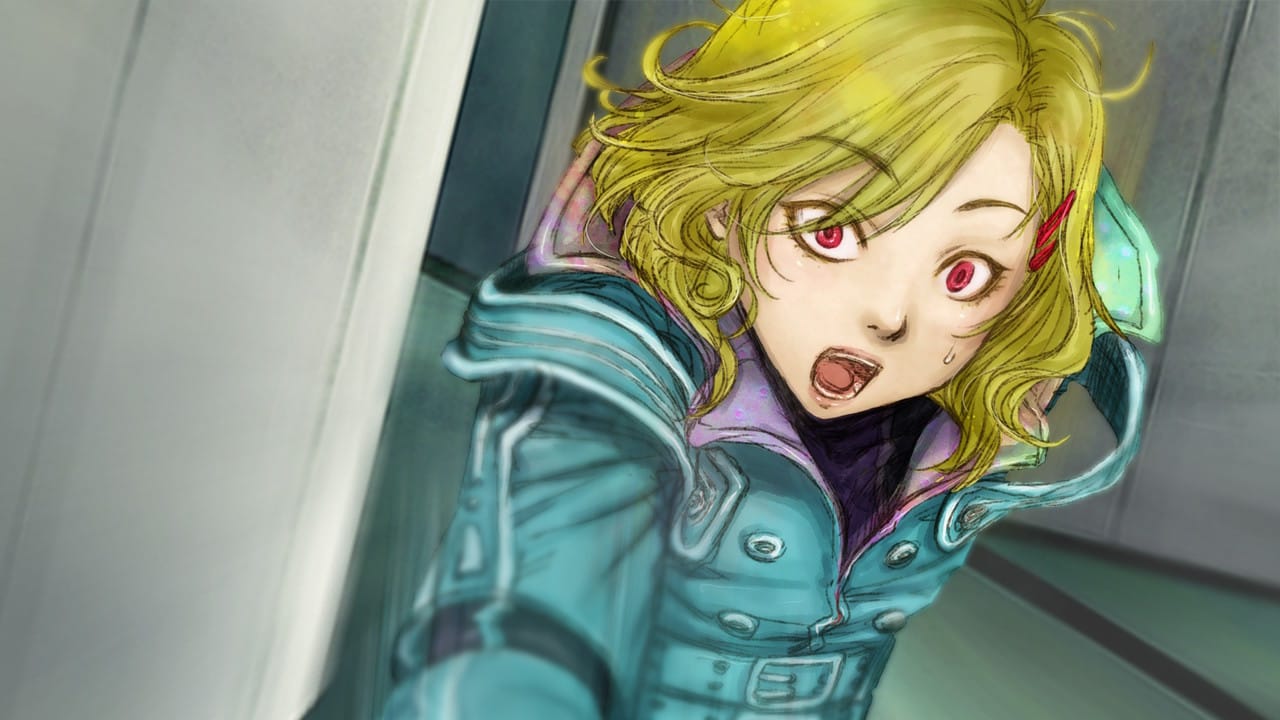
These ideas are explored through special events and endings unlocked by creating specific conditions. One of my favorite moments occurs when Setsu—who is also looping through timelines alongside you—appears utterly exhausted. Instead of participating in the discussion, you’re given the option to grab their hand and run away from your responsibilities. Together, you watch a cinematic masterpiece from humanity’s home planet: a classic zombie movie. Setsu remarks that the zombies seem more like a joke than real monsters, before innocently asking what those other monsters are? These so-called “housewives”?
Gnosia is an exceptionally compelling narrative, woven through a complex gameplay structure that allows players to engage in an almost roguelike social deduction experience. Eventually, you’ll find yourself pushing through the menial loop grinding just to see everyone safe and happy on the other side. Even in loops where you “win,” some characters are placed into cryosleep, never to wake again.
If you play Gnosia, make sure you see it through to the true ending. Unlocking it requires some ingenuity, but the reward is one of the most memorable endings I’ve ever experienced in a game.
If this article has piqued your interest but visual novels—or repeatedly playing a game of Werewolf—aren’t your thing, an anime adaptation recently wrapped up. Despite the change from an interactive medium, the end result is still a compelling watch.