What allowed Gnosia to become such a notable Japanese indie game hit in the years since its release was how its slowly-unveiling web of stories felt so unique compared to its peers. Within the visual novel genre a game willing to push the envelope with integrating social game components not too dissimilar to a title like Among Us or Danganronpa made for an unusual experience, elevated further by the variety and charm of its hugely-varied core cast as well as its visuals. There was nothing quite like its highly-saturated interstellar glow, its sci-fi ensemble, and the way the game tantalizingly strips back its layers of mystery without ever constraining the ambition or potential thematic implications of its core ideas.
Still, its social gaming aspects make it a difficult game to adapt into a new medium, at least compared to other visual novels. It’s inherently a game where earning and learning to trust those around you. Stripping a player of that role while turning them into a passive spectator entirely re-frames the experience. Retaining the intent of the story and its ideas without that direct involvement is challenging.
For those unaware, the anime is set in a space-faring future, with humanity facing an existential threat from a being known as the titular Gnosia. As far as anyone knows, it’s an infection spreading through the population, compelling those with it to kill in the name of ‘Gnos’. Yuri is on one spaceship attempting to flee this, until the on-board computer detects the Gnosia presence on board. The crew are forced to deduce who has it and force them into cold sleep in order to deal with it, less the ship self-destruct. Though, it’s not that simple for Yuri compared to everyone else.
If the Gnosia outnumbers or equals the rest of the people on board, it will relentlessly kill the others, so finding it before its too late is imperative. Yet no matter if Yuri is able to find the threat or not, they are sent on an endless timeloop repeating these events in new timelines again and again, with different infected and possibilities playing out. They’re seemingly trapped to relive these events forever unless they can find a solution, only adding further stakes to the affair. Of the many crewmates slowly introduced in greater quantities over the series, only one other can relate to Yuri’s unique circumstances. Setsu, a mysterious woman far more reserved compared to the eclectic cast on board elsewhere, is also repeating this adventure, albeit out-of-sync with Yuri. Together, maybe they can find the solution.
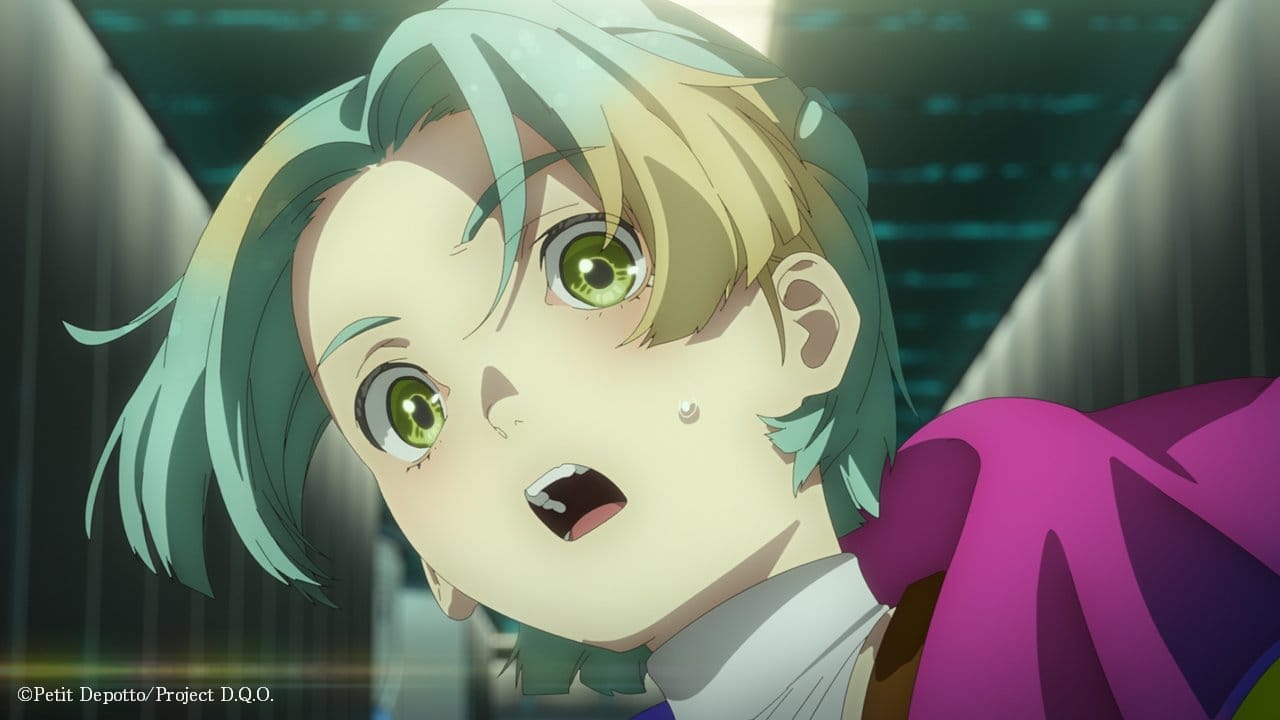
The series unceremoniously dumps you into this nightmare scenario with about as much warning and understanding as Yuri, at first. Yuri rises with a jerk from their cold sleep pod with a strong dose of amnesia, making them a blank slate from which learn about the intricacies of the Gnosia threat firsthand. The rules of this game, essentially a sci-fi interpretation of Mafia, are slowly but notably unveiled with just enough breathing room to introduce the characters, whose unique and expressive natures are certainly the most appealing aspect of the series.
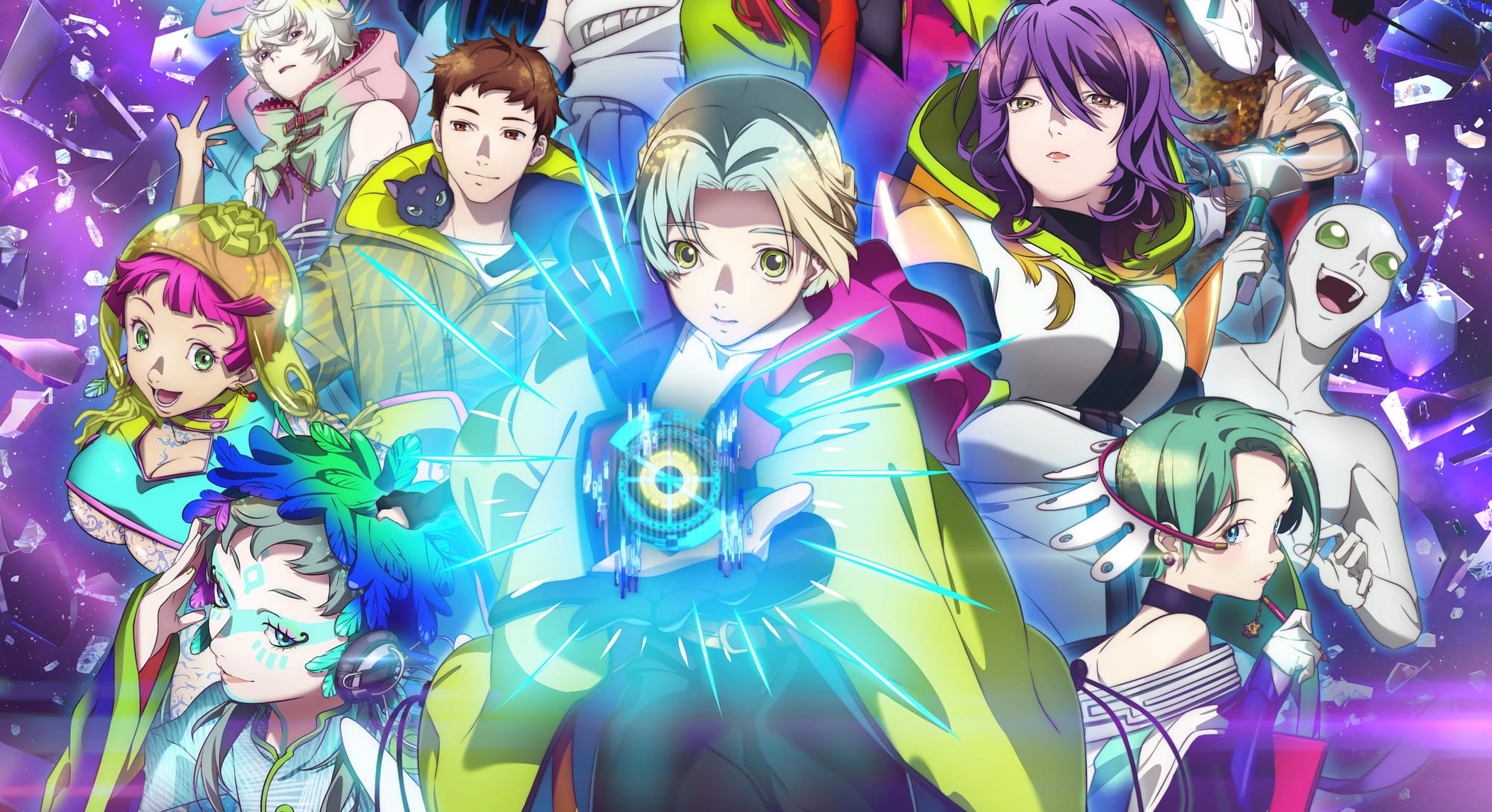
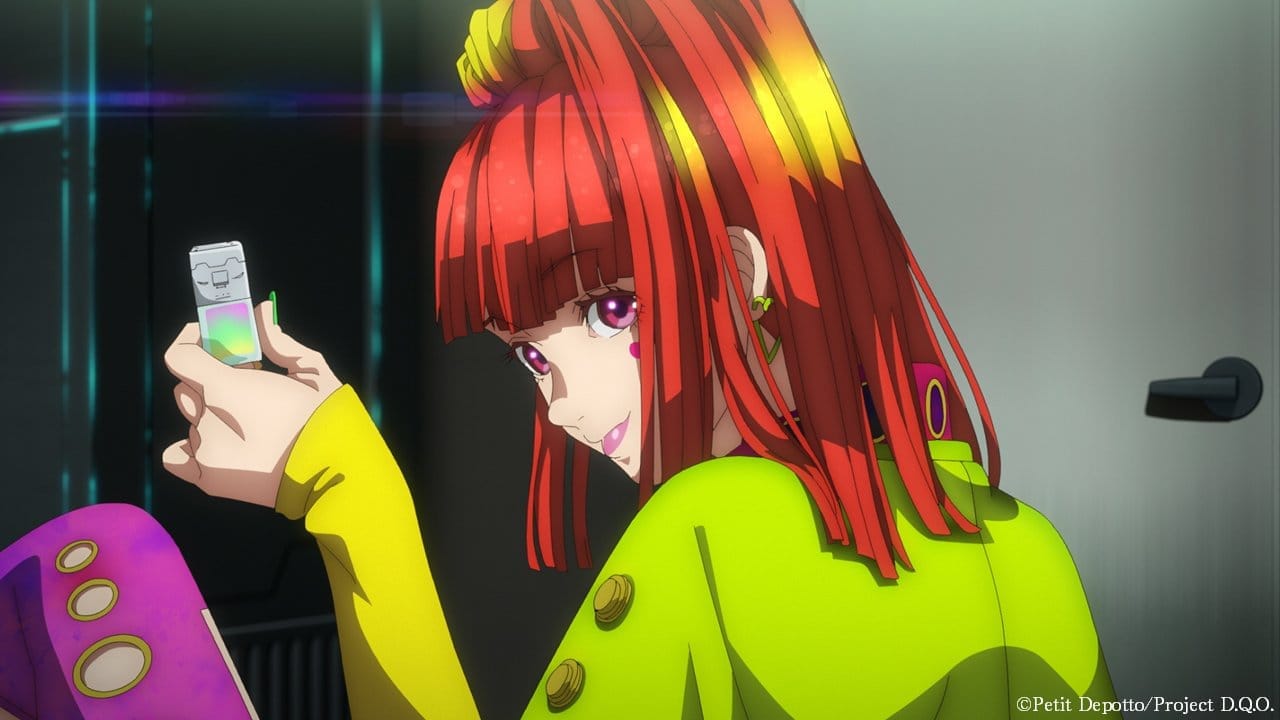
Alongside the high-contrast watercolor-esque visual style that defined the game’s unique visual language and carries over mostly-intact into the world of anime, the bold and incisive character designs are another major appeal of the series on first glance. One of the first people to befriend Yuri is a girl called S.Q., a somewhat-psychotic girl whose brash and intrusive personality is only matched by her mismatched multicolor bodysuit that make her an instant standout in an already-diverse cast.
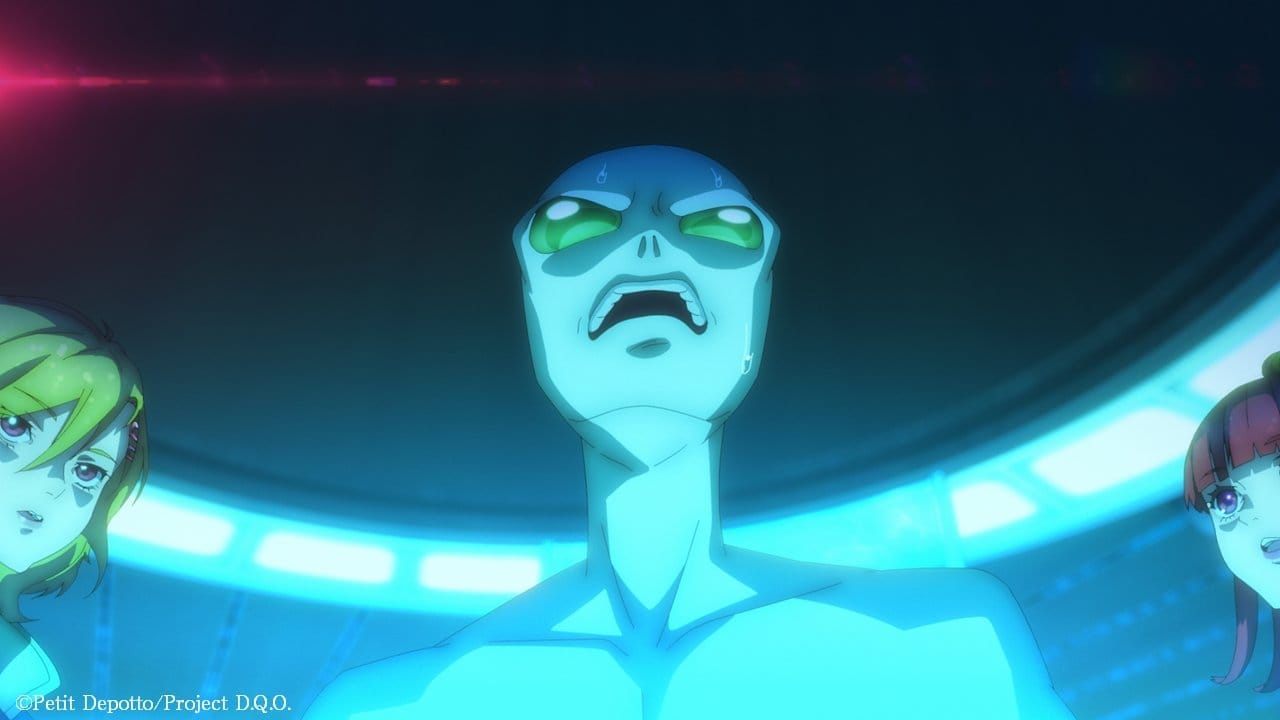
It’s not to say that these characters don’t in many cases fall to the cliches of the genre, but appealing designs and strong writing show that cliches exist because, unless handled poorly, they’re both entertaining and effective at conveying key themes and ideas. Of course we have the brash and antagonistic Raqio who no one really likes, which makes the time he does make a good point even more frustrating. Comet’s as eccentric as she is lacking in clothing, while Stella’s a more gentle, trusting older sister figure. Then you have the ones that just stand out for how unusual they are - Otome is a dolphin. We even have an alien!
Yet the key appeal of Gnosia comes down to two aspects: animation and adaptation. From an animation standpoint, in retaining its distinct visual look from the games as much as possible while giving it new dynamism in this new format, allows it to constantly excite by defining itself apart from many other TV anime airing right now despite the limitations of the TV format. Considering the initially-constrained environment (though this eventually expands) and looping setting, coupled with its source material, it would by easy to create a very static, repetitive show that falls flat from a lack of human interactivity regardless of the strength of its story.
Instead, these highly-detailed characters flow nicely, blended naturally with dynamic cameras and a naturally-integrated use of 3D elements like the ship’s interface to create a sterile, tactile, intriguing environment with always something new to discover.
But it’s in the adaptation process where the series truly shines. For all the strengths of the original visual novel, the noted unusual structure of the original game makes it a difficult game to adapt. Notably, it makes it impossible to simply lift the story as-is from the game, as the randomness of the interactive elements coupled with the branching timelines mean that, even in the process of uncovering the truth of what these Gnosia are, the journey is going to differ. Never mind the fact that the social deduction from which the narrative is built is a core part of the appeal.
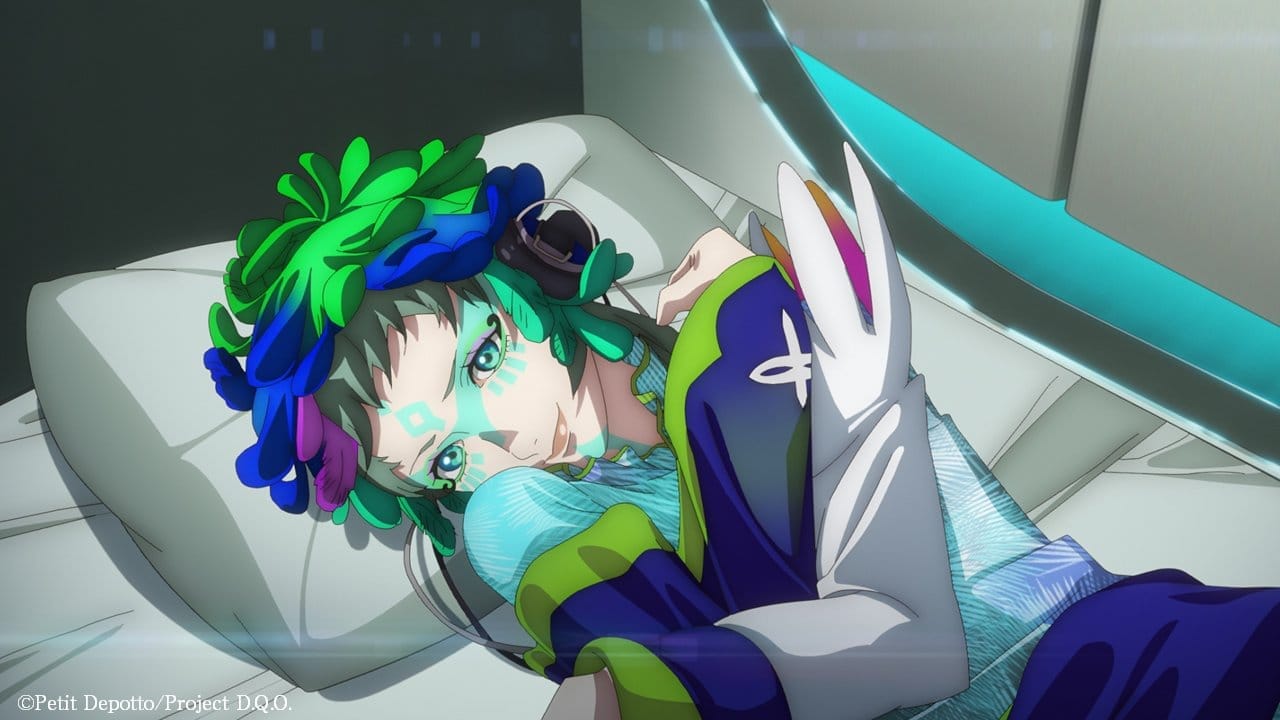
The greatest strength of the series is bringing the audience into the deductive process through its pacing and the way it introduces its new characters. We still have the repetitive structure of the game emphasized with every vote and results screen, but the debates between players to determine the culprit bring the audience into the debate, just like how every game of Mafia or Among Us has players who are more active in conversations and those who take a back seat. This is before discussing one of the latest episodes, where the choices made in portraying a new perspective on the game from the point of view of someone infected with the Gnosia enhances the stakes in a way not even the game was fully able to achieve.
In an era where even undeniably-enjoyable anime feel let down by a lack of ambitions from the creative teams behind them to take the risks necessary to truly embed a story within its new medium and adapt its pacing and structure within this new form, leading to stories that either still entertain but feel lacking a tactile edge or are let down by their inability to adapt to the medium in fear of upsetting audiences with change, watching a team take bold strokes with this source material in a way that allows the intended-repetition of the time loop avoid feeling boring or tedious takes genuine care and creative intent.
As Gnosia approaches the halfway point questions remain how the more bold strokes of its ending will fare in this new medium, yet it’s hard not to find this one of the more compelling new anime of the season. There isn’t a story like it in the current anime season, with characters who look like this, with the care taken to truly bring this story to life. If it can stick the landing moving towards its second half of the season, there isn’t a better time to start watching Gnosia than right now.