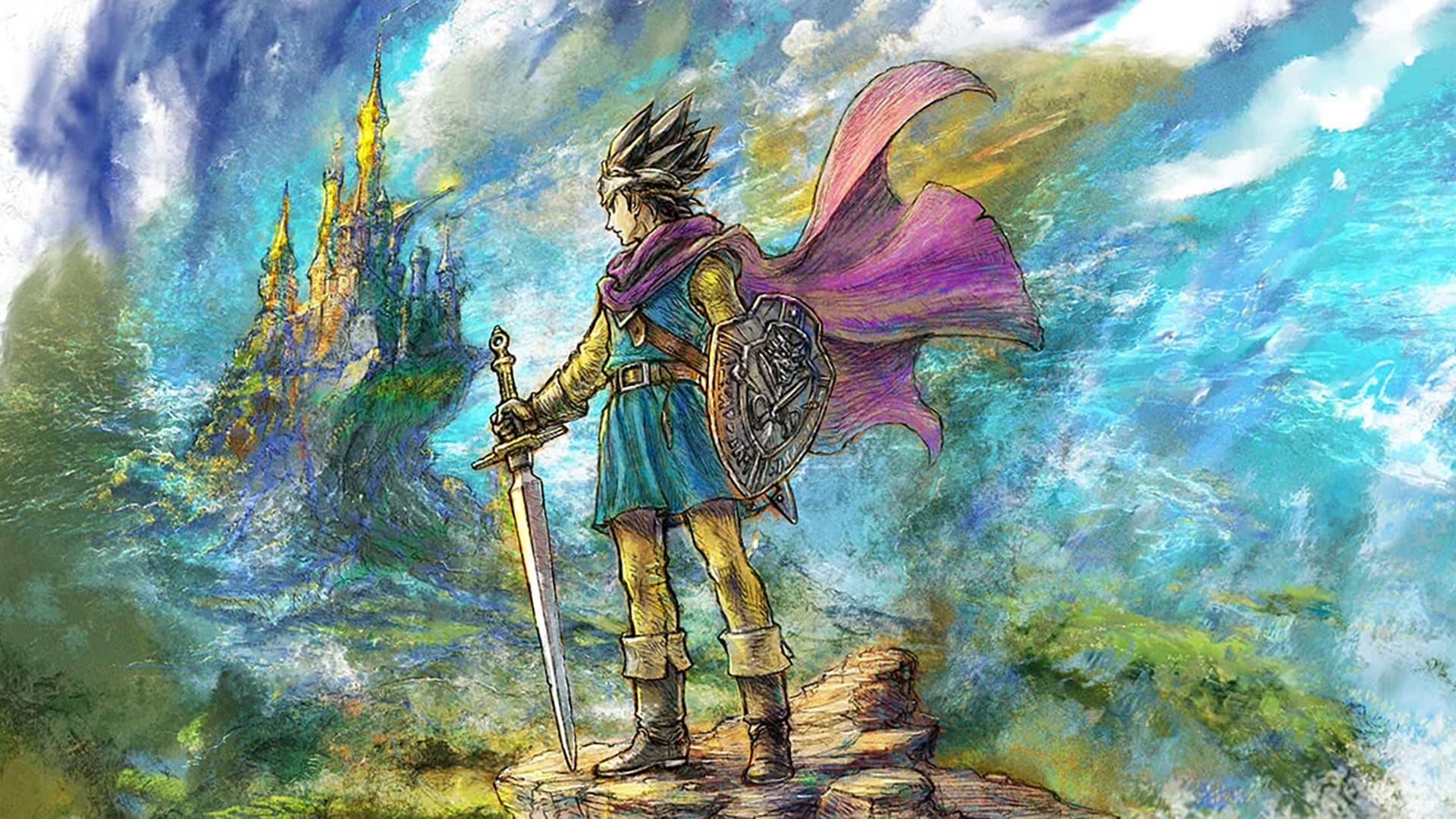
If you know Japanese RPGs, you’ve probably heard of Dragon Quest, the classic series that started on the Famicom and MSX consoles in the 80s that propelled the genre to explosive popularity in Japan, and invented many of the tropes and traditions associated with the genre as a whole. While the series has continued to gain popularity globally, and grown from a somewhat well-known but niche franchise outside of Japan to prove itself as the originator of the genre amongst gamers worldwide, many gamers might not have been around to experience Dragon Quest in its most classic form.
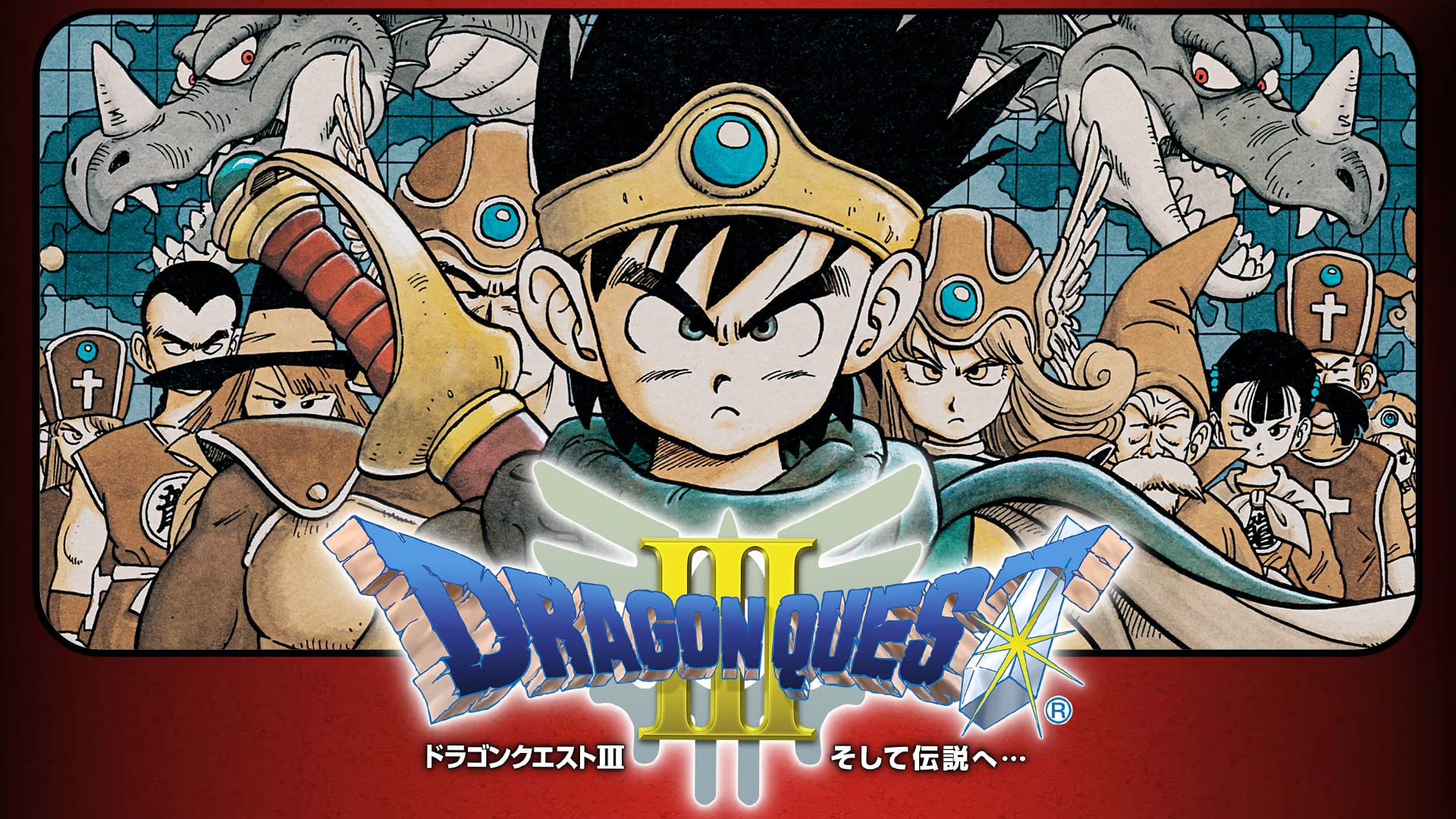
It was in the original Loto trilogy (also known as the Roto trilogy) for the Famicom that Dragon Quest’s idea of the “yuusha”, or hero, was coined and built upon. Every Dragon Quest game since then has the main protagonist filling the role and fitting the mold of the hero, most often on a quest to defeat the “maou”, or demon king. Thus, this original trilogy laid out the foundations for the series to release subsequent sequels and variations on the now timeless, culture-defining formula of conflict: hero vs demon king.
Dragon Quest might be the first game, but isn’t the canonical beginning of the hero
While it was a closely guarded plot twist when Dragon Quest III was originally released on the Famicom in 1988, it isn’t exactly spoiler material today that the first game in the series chronologically is not, in fact, Dragon Quest.
Although the series has featured many remakes and alternate editions of each game in the Loto trilogy, the most recent iterations, Dragon Quest III HD-2D Remake, and Dragon Quest I & II HD-2D Remake are an attempt to reintroduce and reimagine the series on modern platforms, aimed at both gamers familiar with the classic versions, as well as completely new audiences. This time released in the correct chronological order, both releases feature new gameplay elements and additional storylines that were not present in earlier versions and subsequent remakes of the Loto trilogy games.
Dragon Quest III centers around the journey of a silent protagonist following in the footsteps of their father, Ortega, and embarking on an adventure to face the threat of an evil monster that seeks to plunge the world into chaos, Baramos. The original was the first Dragon Quest game to feature the job system, where the player must choose from an assortment of different character classes to shape the abilities of their party.
In terms of notoriety, Dragon Quest III is the game that originally caused the series to reach cultural icon status in Japan, and one of the oldest instances in all of gaming where the release of a game caused massive public hype, resulting in long lines as players ditched responsibilities upon launch to secure a copy of the game. In such, it has been remade several times, with perhaps the most definitive version up until recently being the Super Famicom remake in 1996, which has served as a basis for all remakes and ports since.
The HD-2D Remake adds onto the SFC version of the game with additional classes, voice acting, and stunning HD-2D graphics that take the old pixel art style of the original game, attempt to give it a fresh coat of paint, and enhance it to look the best it possibly could on modern hardware.
Dragon Quest I and II retold with exciting new details
Dragon Quest I & II HD-2D Remake seeks to accomplish all that the HD-2D remake of III did, but to add even more depth to the originals that came from a time when space on a cartridge was extremely limited, technology was still developing, and all the key players behind the scenes were relatively inexperienced.
It lays down the legacy of the descendants of the hero Loto from Dragon Quest III HD-2D Remake, and explore their individual journeys with new challenges, new enemies, and new characters that were cut from the original scenario due to limitations at the time. Perhaps there will even be some shocking twists that will spark the interests of even the most seasoned Dragon Quest players of almost 40 years.
For any fan of the Japanese RPG, it is arguably more important to play the Loto trilogy as any other single Japanese RPG released. Dragon Quest III HD-2D Remake, and Dragon Quest I & II HD-2D Remake are the perfect venue to do so, be it for players who have never experienced the trilogy before, or ones who have nostalgic memories and would like to see the latest evolution of the classic, archetypical Japanese RPG story in its base form.