Akihabara has seen better days. The neighborhood nestled deep within the packed streets of Tokyo seems to be a shell of itself, as other more otaku-centric places in Ikebukuro and Shinjuku overtake it as the prime hubspot of anime, manga, and video games. For any longtime anime fan, Akihabara was the prime destination for any overseas otaku to visit in order to satisfy their fan-crazy needs. However, that’s all in the past.
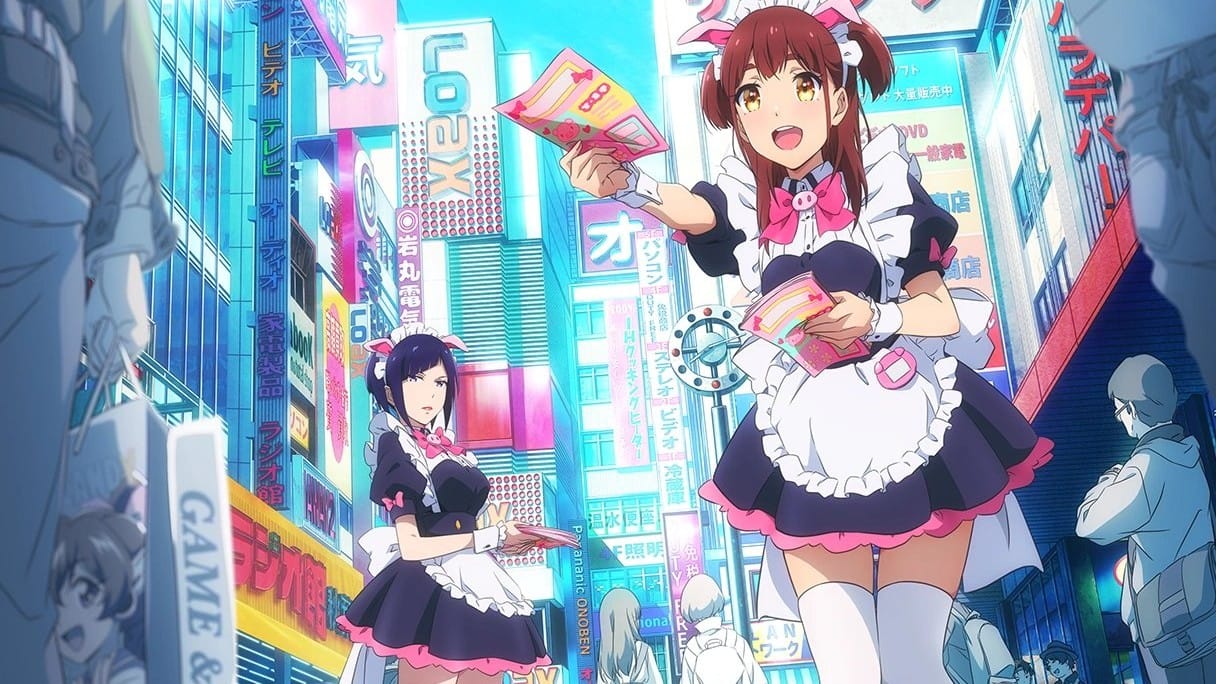
Apologies for starting out on a seemingly random ramble, but this all goes back to how well Akiba Maid War captured the essence of a different era in Akihabara history. It was a time when stores were smaller, more cramped, and maid cafes competed for the attention of anyone at every corner. At least that’s what the anime wants us to think, but the show wouldn't be interesting without its own twist.
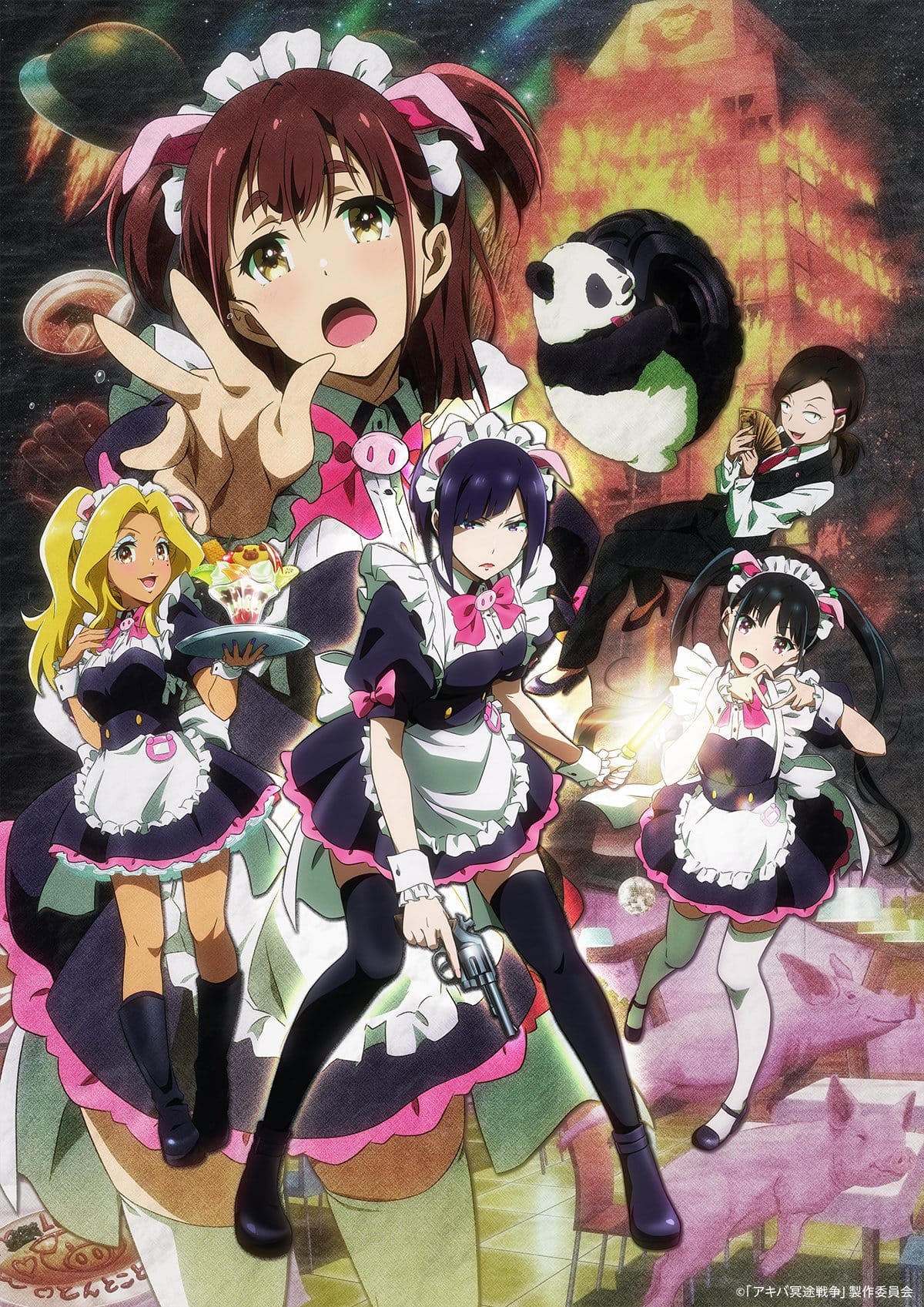
Akiba Maid War is what happens when you take an anime’s nostalgic take on the early Akihabara culture and throw in a good amount of drama from The Godfather. In this world, maid cafes operate like yakuza gangs involved in tense turf wars, negotiations gone wrong, betrayals, and a hellish barrage of gunfire. Rather than your typical cutesy, kawaii maids, you have gang-like maid groups gunning to be the top performing cafe in all of Akihabara.
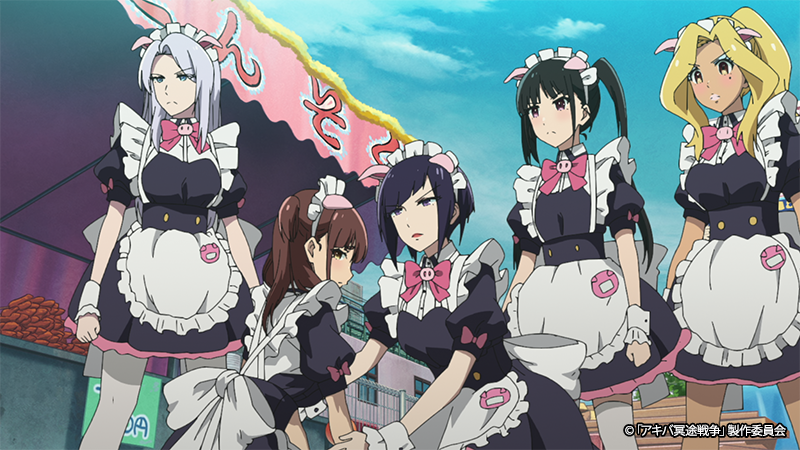
Mixed in all of this is the heroine and newcomer maid Nagomi Wahira, along with the members of Oinky Doink maid cafe, who are all just trying to survive another day in the neighborhood. She meets the well-experienced and older maid Ranko, who has a dark past in Akihabara; the veteran maid with a dedicated following Yumechi; the tanned gyaru Shiipon; the silent panda cafe mascot Okachimachi; and the debt-ridden Oinky Doink manager, Yasuko. They are also later joined by the Russian maid Zoya, who is an old acquaintance/rival of Ranko.
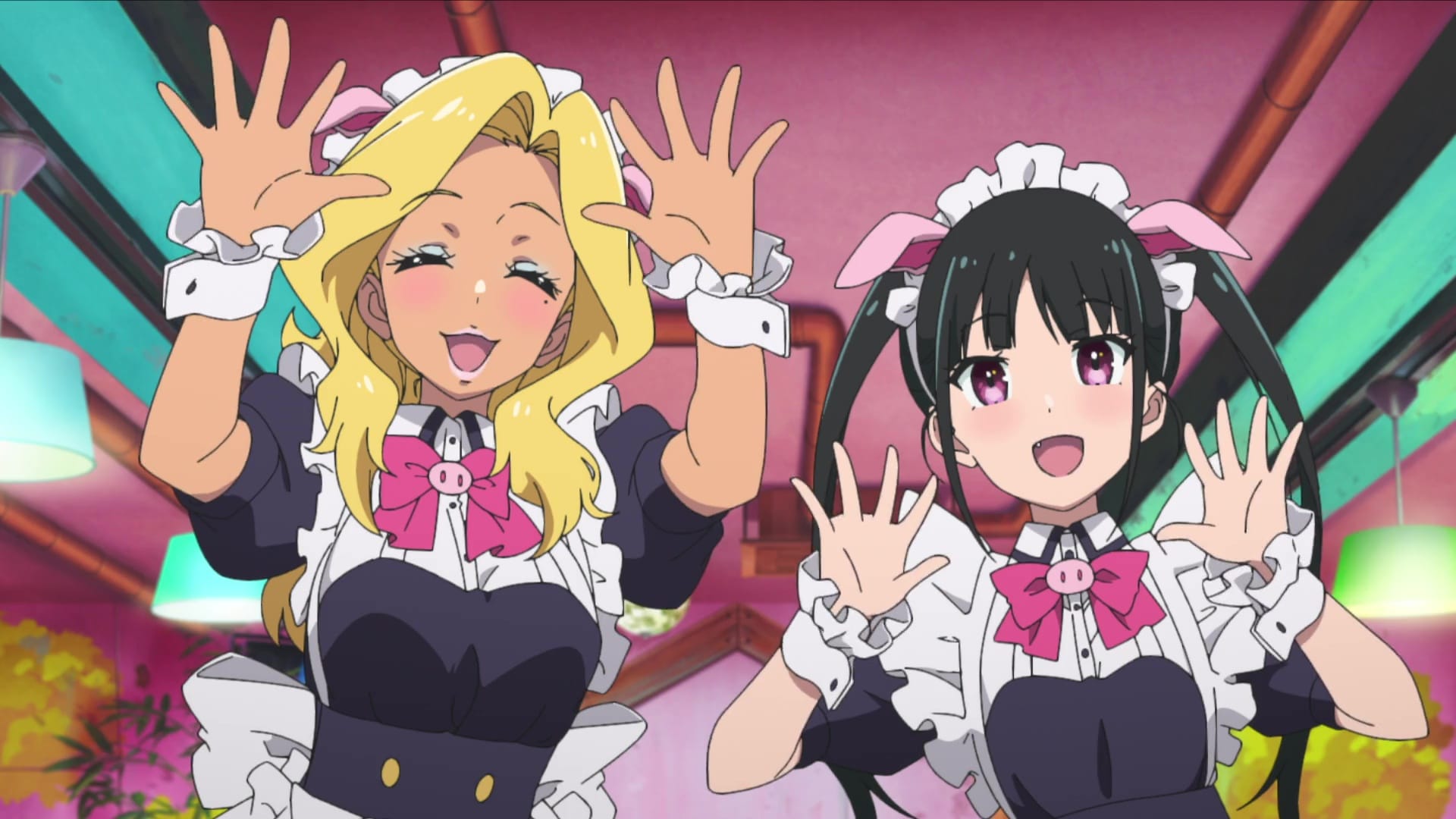
This colorful cast of characters get into a heated conflict with several rival maid cafes throughout the show, including several of their rival factions under the “Creatureland” parent group. Because of this, the show features a lot of over-the-top bloody gun violence, resulting in quite a few casualties throughout its run. How they have guns in Japan is an entirely separate matter, but I find that whenever someone gets shot in this anime, it’s portrayed gratuitously with the most graphic blood spraying all over, making it as humorous as it is horrifying when you learn to embrace its dark comedic moment during some serious moments.
Nagomi goes through a lot of growing pains herself throughout the series. She learns about the circumstances of each maid at Oinky Doink and forms many close bonds and friendships there. She also befriends an unassuming, but nice maid named Nerula, who works at the alien-themed maid cafe Invader Café Destron, which is Oinky Doink’s bitter rival. Unfortunately, Nerula would die trying to stop the conflict between the two maid cafes, which greatly affects Nerula and motivates her to change Akihabara with her friends.
However, it’s her strong relationship with the well-seasoned maid Ranko that guides Nagomi through the series and serves as her moral anchor. She helps her acclimate to the violent environment and hyper competitive business after experiencing a traumatic shooting when she was a younger maid herself. That shooting resulted in the death of her mentor and boss, which sent her to prison before making her way to Oinky Doink. The anime does a really good job of showcasing their strong, sisterly bond, but it all breaks down when Ranko is assassinated while shopping with Nagomi. This incident shatters Nagomi as she witnesses Ranko die in her arms and learned that the shooter was a lone survivor of an attack done by Ranko and Oinky Doink previously.
This all leads to an explosive climax with Nagi — a sister-like figure to Ranko who now holds very hostile feelings for her, Nagomi, and the rest of Oinky Doink cafe. She returned to Akihabara from prison to wreak havoc and cement herself as the de facto boss of all maid cafes. She’s a very spirited antagonist with her own twisted ideals on power and control, driving up the intensity in the final episodes. Despite her callousness, she never intended for Ranko to die, but as final villains are, remains unfettered and indifferent to the situation, and instead focuses on her domination of Akihabara.
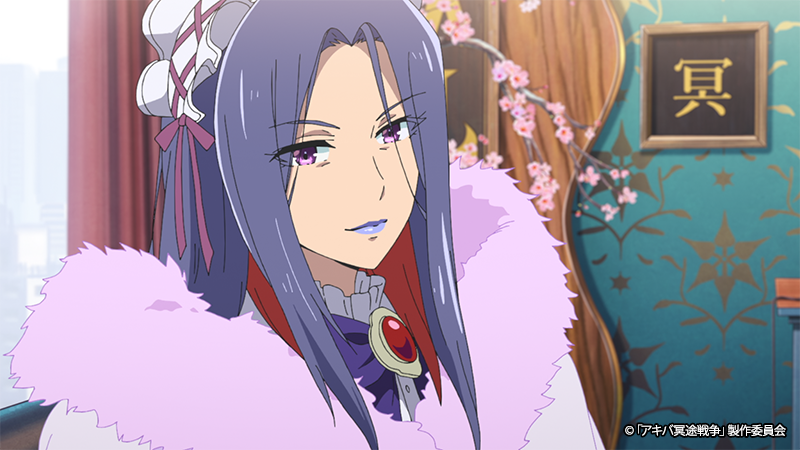
In the final episode, Nagomi comes face-to-face with Nagi and performs a final musical performance in defiance of her tyrannical ways. It sadly doesn’t end well for Nagomi, as she’s gunned down by Nagi, but the latter also meets a brutal end. Even in the face of inevitable danger, Nagomi still put on the best performance she could for her friends and Ranko. In the end, she’s able to survive and see her new home thrive later on in the future.
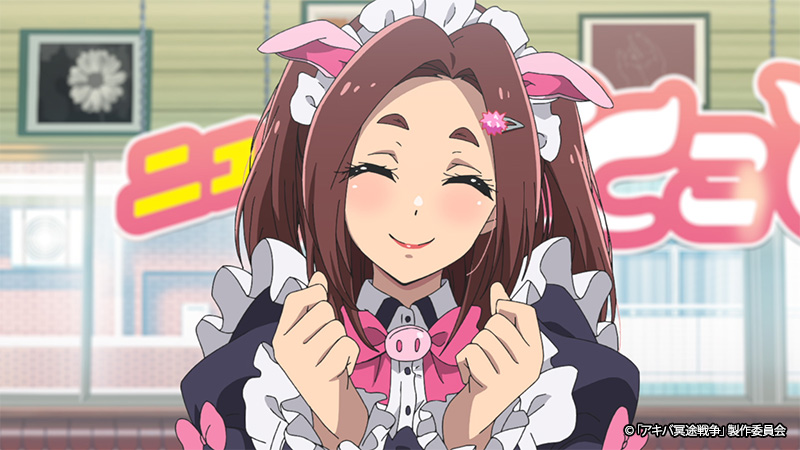
Akiba Maid War is a unique parody that borders on a dark comedy and a classic otaku-centric anime series. Despite some other shows romanticizing the allure of Akihaabara back in its heyday, this show isn’t afraid to mock it by showing that even the most appealing destinations can have their dark sides.