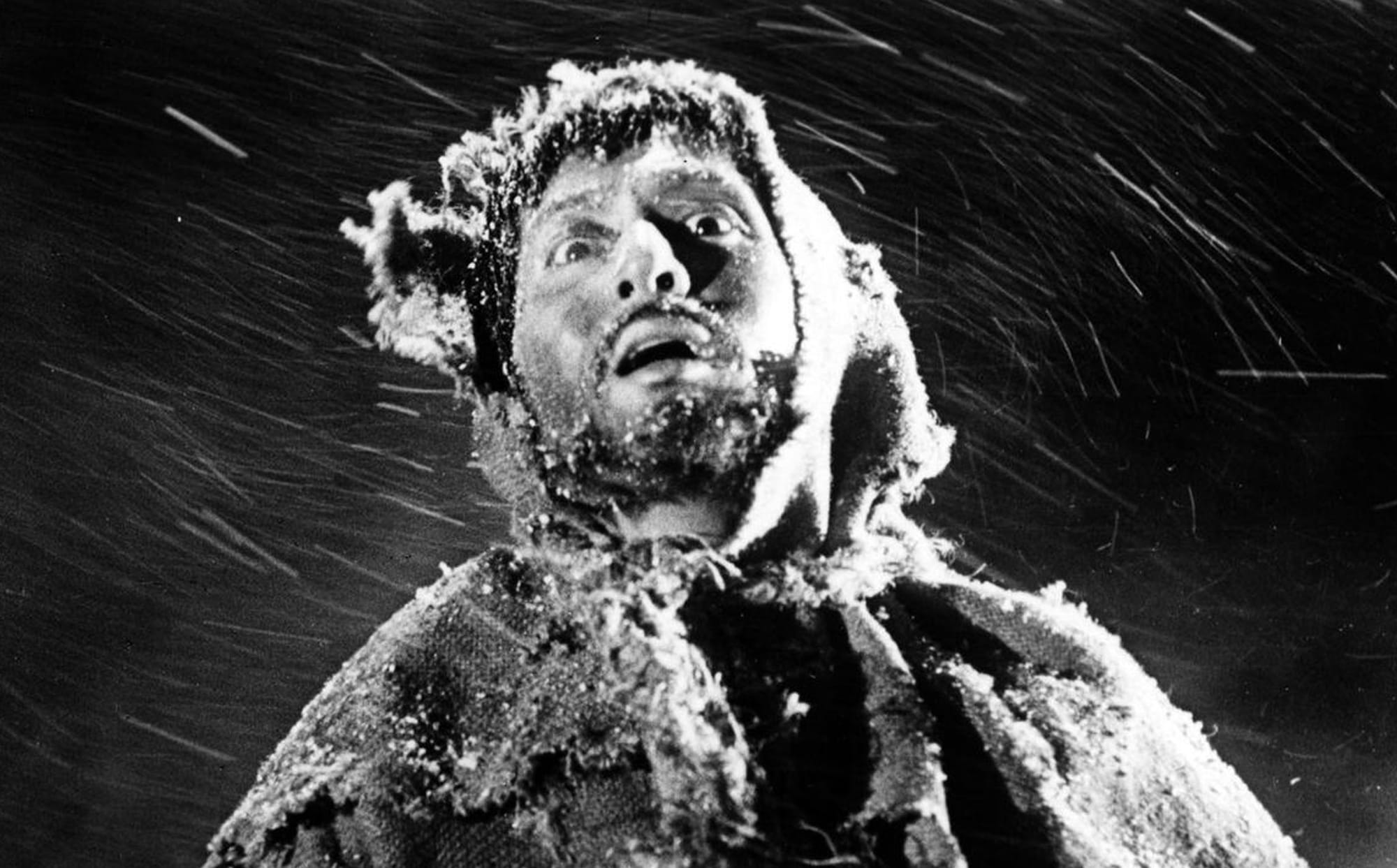
If you were to put a face to the stars in front of the camera amidst the pantheon of Japanese cinema, Tatsuya Nakadai is who would be staring back. Amidst the career of Akira Kurosawa he was a key figure in films like Yojimbo, Harikiri, and Ran, in which he starred as Lord Hidetora Ichimonji. He also collaborated heavily with Masaki Kobayashi including as the lead in his harrowing The Human Condition anti-war masterpiece. Almost every major director in Japanese film in the 20th century not only worked with him but cited him as one of the best, and his gruff exterior became a face for samurai and period cinema, though his work certainly goes further than historical epics.
Yet beyond the screen, Nakadai is a figure of intrigue whose imposing presence on-screen only came from a dedicated ethic off-screen. After being born in Chiba and moving to Aoyama in 1941, it was in the 1950s he decided to make a turn towards acting. Aware of the acting schools and training that existed overseas by actors he was inspired by such as Marlon Brando, he made the unusual decision to forego the route of his peers and spend time honing his craft in an acting school. The Haiyuzu Training School was unique at the time and it’s here where he learned many of the traits necessary to express himself on screen, but this didn’t mean his early career wasn’t a rough introduction to the career of an actor. His brief background appearance in Seven Samurai was scornfully remembered for his perceived inability to walk like a samurai in the eyes of director Kurosawa.
As a result he mostly avoided work with the director, instead coming-of-age as an actor playing leading roles like in The Human Condition for Kobayashi, for which he would earn major plaudits. An attempt to rekindle a relationship by Kurosawa was actually rejected at first because of the experience, though encouragement from Kobayashi, who was close friends to both, helped encourage the casting as a lead alongside Toshiro Mifune in Yojimbo. It was the start of a long collaboration that would lead to work on movies like High and Low and many others.
Today, it is arguably Harikiri, which is largely considered one of the best ever made, that remains one of his most acclaimed and recognizable projects, in large part thanks to the performance of Nakadai. It won him domestic acting awards like the Blue Ribbon and put him on the map internationally to being on the level of the peers he looked up to.
In many ways, however, these early years are what most people associate with him. On the global stage, most think first of the samurai epics of the 1950s and 1960s and the works of these directors he worked so closely with, and the prominence of himself in these films makes him easy to spot and relate to. Even the later works that he’s known for typically fall into this role like Kagemusha - a role he took on after shooting began after the initial lead actor clashed with Kurosawa and quit the film - or Ran. But his career spreads far beyond that, particularly in the realm of theater. Ever since the 1960s he would play a large role in Japanese productions of Shakespeare classics, and established his own acting school in the 1970s geared more towards theater than the films many associate him with today.
Indeed, whereas it’s the films that broke the international consciousness, in recent years it’s easy to overlook how he continued to act, though rarely in front of a camera. Even as late as May 2025 he was performing small stage shows in Ishikawa Prefecture, fittingly a period tale told under the veil of war for a group of peasant farmers. While his roles on screen diminished heading into the 2000s, his regular appearances on stage are fitting for an actor whose theatrical style that centers presence and projection in creating an image and identity, beyond realism, feels best suited to being a theater actor that he admitted he viewed himself as most closely.
It’s this blend of experience and understanding for the craft both on and beyond the screen that made him such a fascinating actor on it. He often portrayed his characters with a sternness that betrayed experience whether playing characters in the past or present - in High and Low, his police investigator character is firm amidst the intense and constantly-changing situation surrounding him, yet his samurai characters were often cunning and calculating in ways that make them difficult to parse. There was always something more, and it gave every performance such depth.
Perhaps this is why he would often play characters far older than him. He was in his 50s when playing the old, mentally-unstable lord in Ran, a character supposedly in his 70s but appearing far older by nature of his attire and tenuous grip on reality. Though it’s perhaps that blend of being physically young allowed him to perform some of the more extreme acts witnessed on screen.
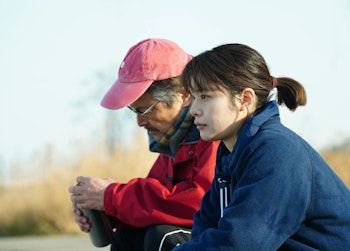
It’s his work in less stoic roles that’s perhaps less well-remembered by comparison, though no less compelling if just to show his range. He wasn’t immune to a tearjerker blockbuster as seen with his role in 1987’s Hachiko (not even the only canine-based blockbuster he appeared in), based on the life of the loyal dog, he gave his voice to anime like Giovanni’s Island, Belladonna of Sadness, and Isao Takahata’s Tale of the Princess Kaguya, and appeared in rather sobering dramas in his later years when his real age finally caught up to the characters he portrayed. In Lear of the Shore in 2017, he played an old man with dementia alongside Hiroshi Abe, and portrayed a fisherman disabled by stroke in 2010’s Haru’s Journey.
It’s fair to say, however that these roles, even if a showcase of range and a dogged dedication to the craft in his older years, that they’re not as well-remembered as the works he handled in his younger years. That doesn’t mean they should be forgotten, especially when the legacy of an actor can easily diminish after their passing.
In November 2025, Nakadai passed away after a battle with pneumonia at the age of 92. The actor never stopped working or sharing the craft, nor has the power and timeless versatility of his performances ever been forgotten. While he is an incredible actor whose work in Japan's golden age of cinema in the 1950s and 60s is where his work will most likely be remembered, it's important to remember that his legacy goes beyond his performances. It exists in the school he founded and continued to support, the dedication to the craft that he brought to his work and that inspired other actors to dedicate themselves in such a way. Nakadai was a true actor in every sense of the word, a talent whose presence exists and endures beyond the screen.
And will almost certainly endure beyond life, also.