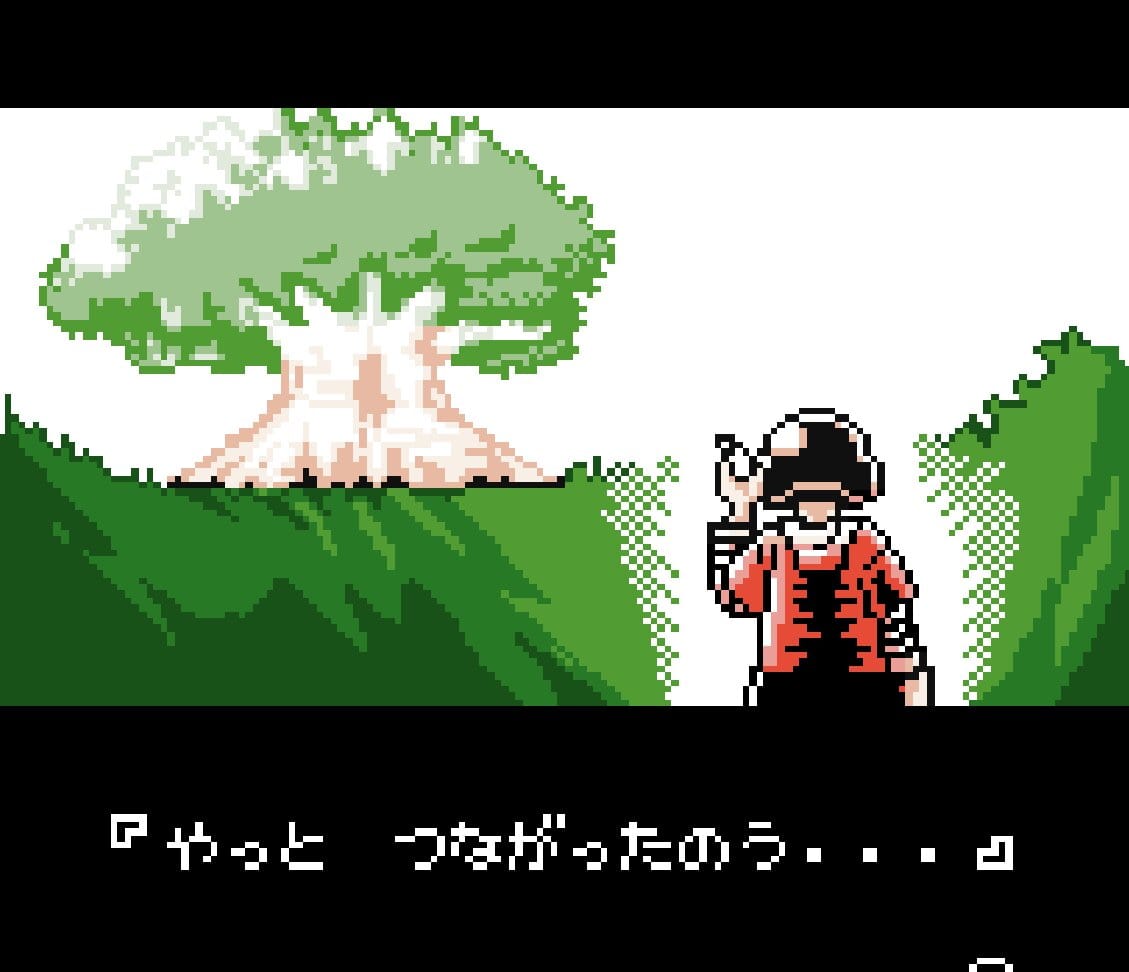
“I’ve heard that one can reach the electric monster’s world by walking straight along this big tree.”
So begins Pokémon Diamond. No, I don’t mean the fourth-generation Pokémon game released for the Nintendo DS in 2006. I’m talking about the bootleg game released for the Game Boy Color circa 2000. It follows Mr. Bek as he travels to the “electric monster’s world” and befriends local critters like the armadillo Kuribute with the power of “D shoot.”
I don’t remember when or how I discovered the game as a kid, except that I wasn’t particularly discriminating back then. Bootlegs like Pokémon Adventure and Harry Potter 2 shared shelf space at my local Manila game store with official titles such as Wario Land II. My first thought on playing Pokémon Diamond wasn’t rage that I had been fooled. It was curiosity. Which strange creatures, I thought, could reside in this bizarre game?
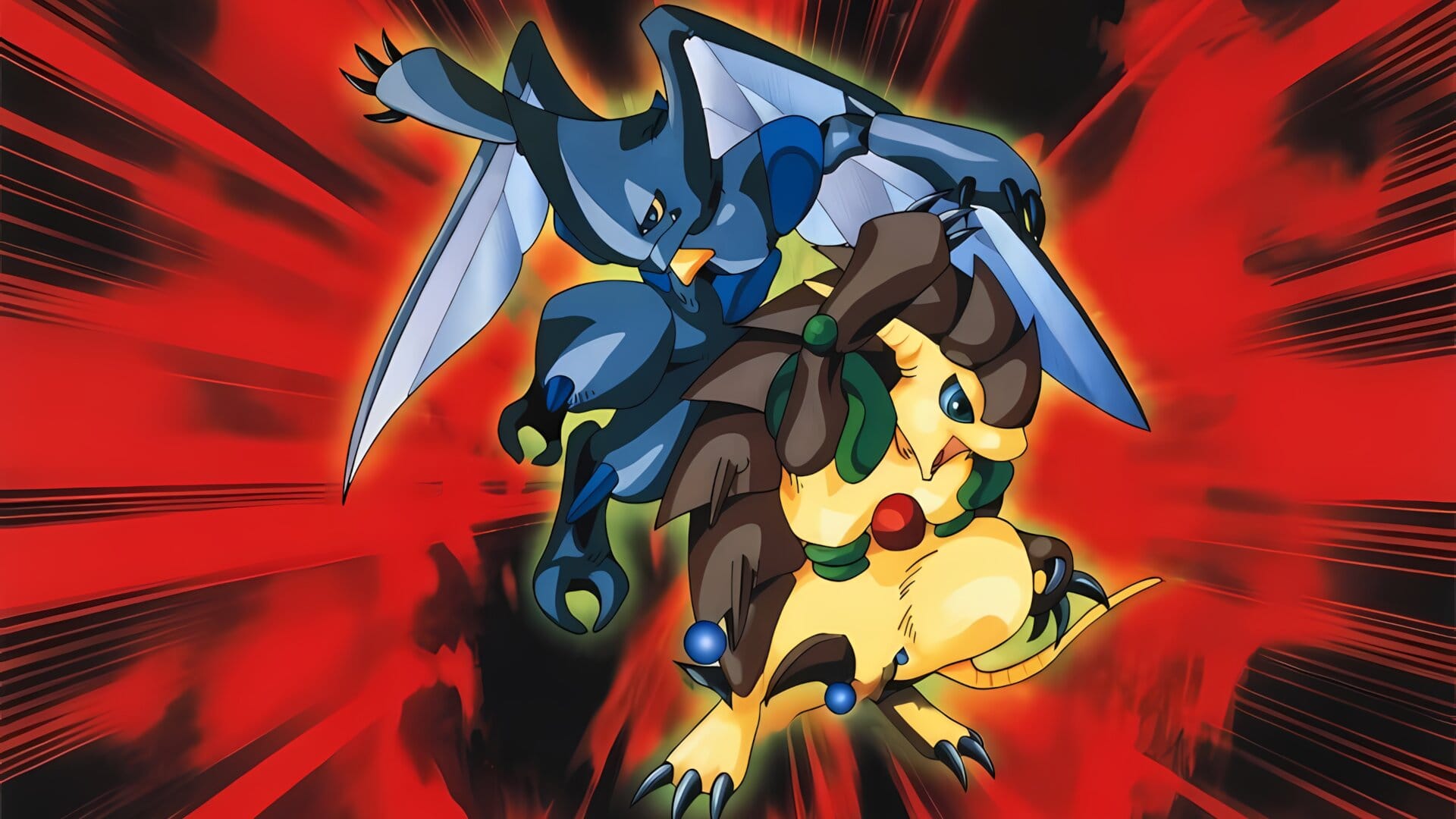
What I didn’t realize until later was that “Pokémon Diamond” and its twin, “Pokémon Jade,” had a history. Its original form was Keitai Denjuu Telefang, released in 2000 as Power and Speed versions. Developed by Medarot studio Natsume Co., Ltd (now Natsume Atari) and published by Smilesoft, the game featured “Denjuu” creature designs by Saiko Takaki (who would later adapt Vampire Hunter D into manga with the blessing of author Hideyuki Kikuchi) and music by Kinuyo Yamashita (who co-composed the soundtrack for the original Castlevania with Satoe Terashima). There was even a short-lived manga adaptation that was later collected and published in three volumes.
Telefang’s principal gimmick is cellphones. You see, its protagonist doesn’t catch Denjuu with special balls. Instead, if a Denjuu is impressed after losing in combat, it gives him its phone number. You can then call it to fight alongside your partner in battle at any time. Of course, if a Denjuu is far away, or just doesn’t like you, it might take a while to show up in battle. This is a game where your defensive wall might call you in the middle of a desperate fight to say, “sorry, I’m still on my way!”
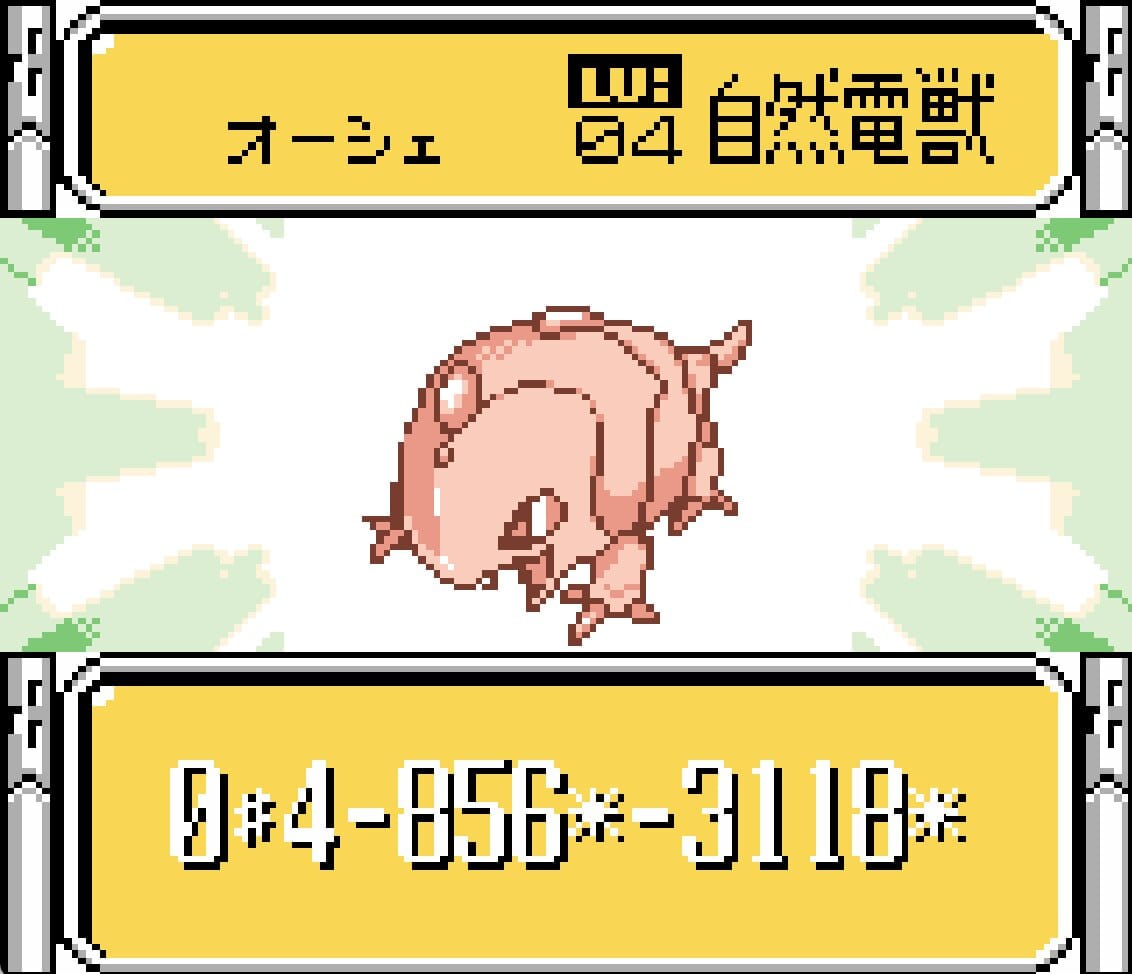
Denjuu don’t just like to battle, either. They call you constantly as you wander their world, offering advice regarding what their friends like or dislike. Telefang’s shops don’t sell potions or TMs, but instead sabres, computers, and even guns that you can give to Denjuu to raise their EXP. Some Denjuu can even evolve into unique forms if you give them the right item at the right level. In this way the game recreates the playground gossip driving the Pokémon series diegetically.
Telefang is a simple game even when compared to the very first Pokémon titles. While it has a rock-paper-scissors elemental typing system, these interactions are decided not by individual moves but a Denjuu’s habitat. Grassland Denjuu will always beat Mountain Denjuu no matter what moves they use. There are also no healing items; Denjuu heal gradually after battle, a surprisingly convenient choice for the Game Boy that unfortunately kills the game’s ability to test the player’s resources via dungeon crawls.
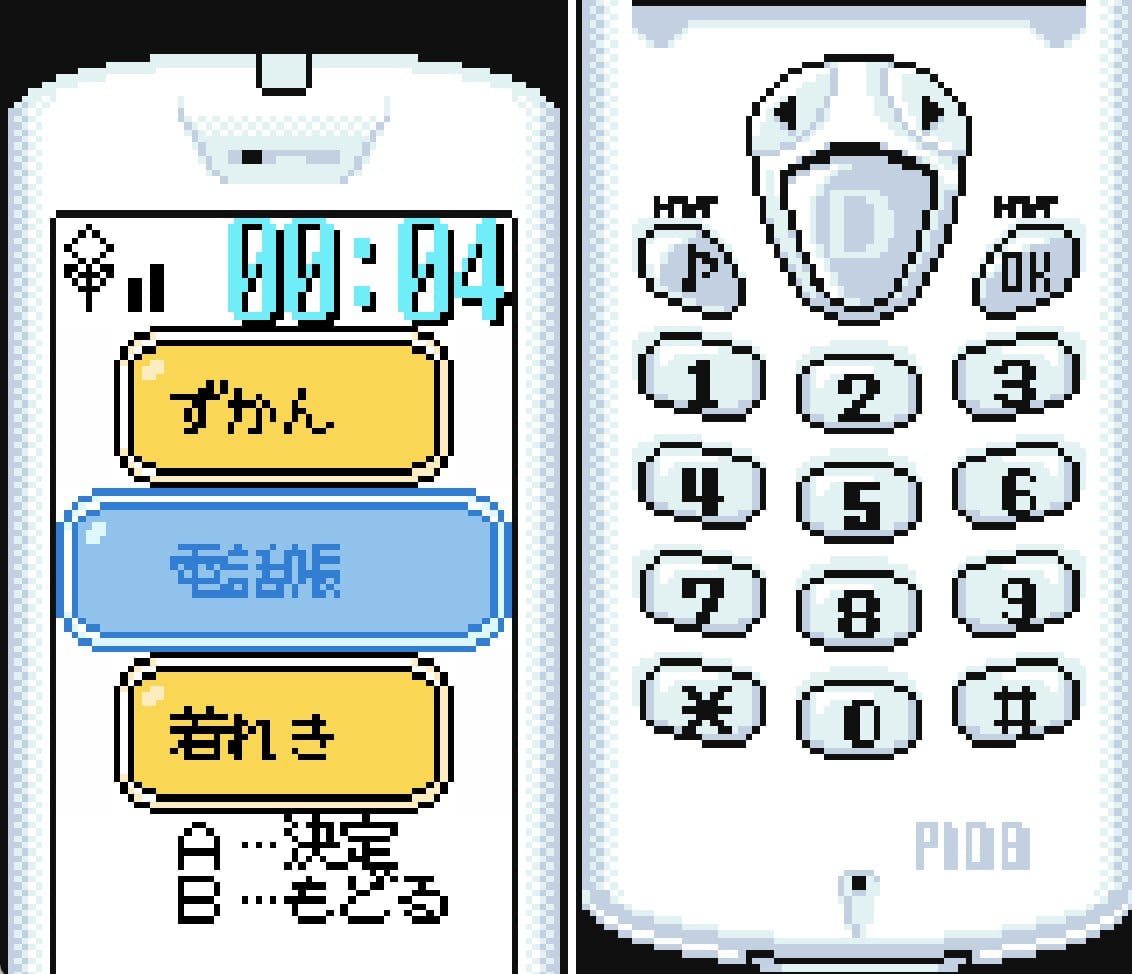
Denjuu learn only a handful of moves and most are not very useful. While shepherding three or four Denjuu at once in battles via phone calls creates plenty of fun chaos, it also doesn’t give much opportunity for the player to demonstrate their skills. I’m not surprised then that the Game Boy Advance sequel, Telefang 2, changed up the mechanics so that individual moves had their own typing.
Rather than the broad strokes mechanics, what sticks with me from Telefang are the many small details. Your player character mows grass in the game world by running through it. His opponents include a sinister pharmaceutical company as well as a political party obsessed with curry. The game’s UI is patterned on an old cellphone and features an accurate clock. Denjuu leave you text messages to read when you come back to the game after a break. Most important of all, you can give every Denjuu in your contacts list a unique ringtone.
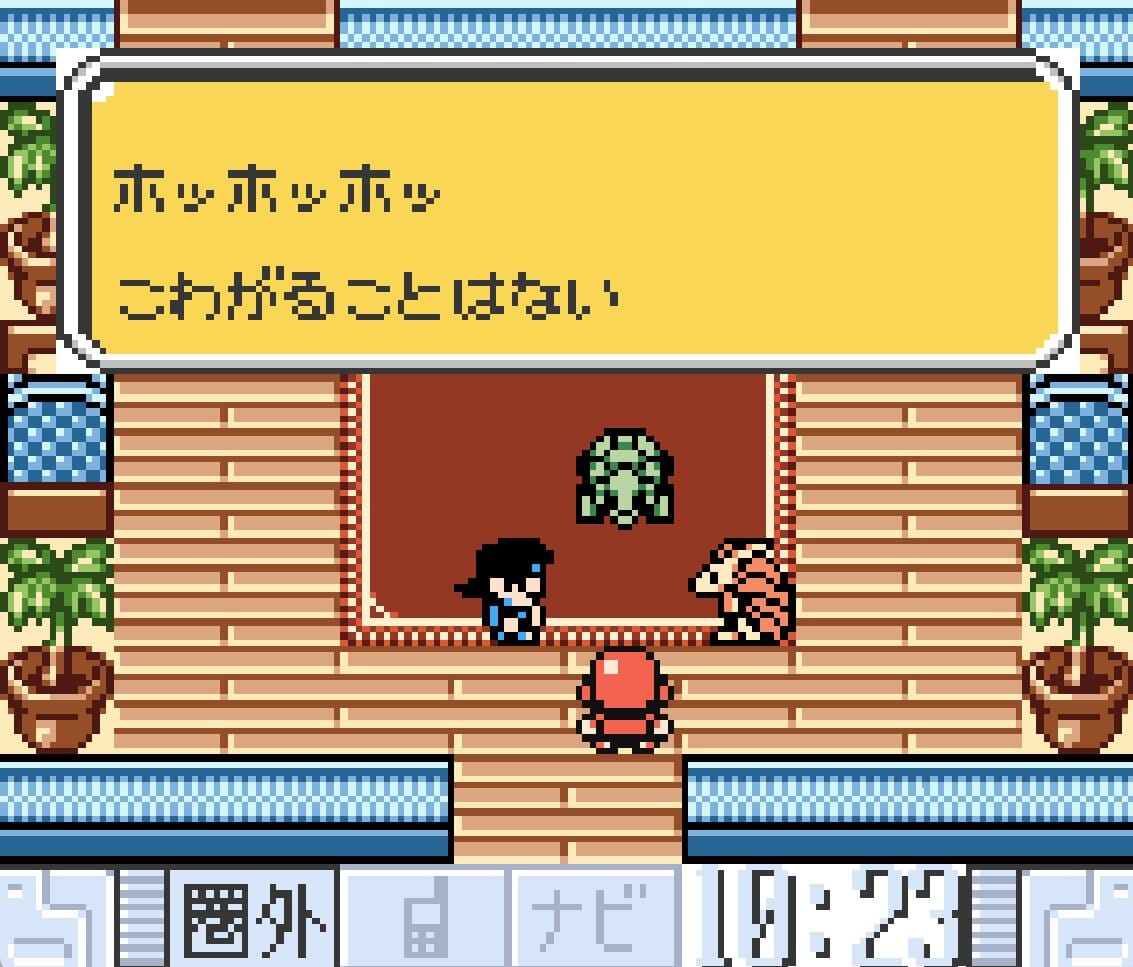
I suspect that’s why Telefang has maintained a fervent, if small, cult fanbase on the English internet over the years. Fans maintain a dedicated wiki and forum with walkthroughs, staff interviews and translations of the manga. They also made a fan translation patch for the game with much better English (and fewer glitches) than the Pokémon Diamond and Jade bootlegs. To give an example of the reach of Telefang’s fandom: Russell Brand, who was credited as “Management and Support” on the translation patch, appears alongside Telefang artist Saiko Takaki as a creature designer on the 2020 indie game Monster Crown.
As for the Telefang brand, though, it’s unlikely we’ll see any more series entries in the future. The game’s publisher, Smilesoft, closed down in 2003 after its president Shuhei Iida was arrested for soliciting a minor for sex. Ownership switched to Rocket Co., Ltd, which was fully absorbed by its parent company Imagineer in 2016. Imagineer hasn’t published a monster taming game in years, other than compilations of the Medarot franchise. Natsume Atari hasn’t developed one recently either. If even Medarot is on life support these days, Telefang doesn’t stand a chance.
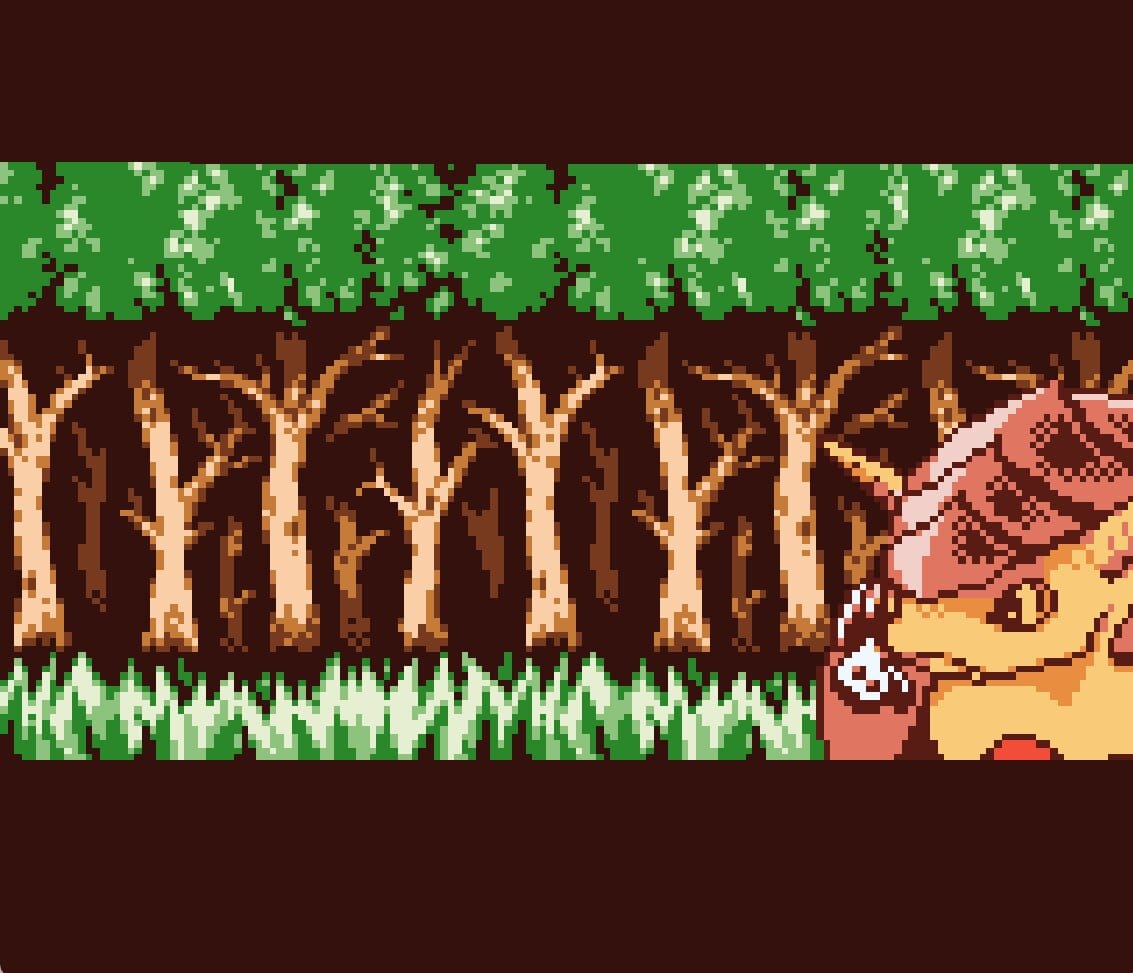
I suspect that the Pokémon Diamond and Jade bootlegs are responsible for Telefang’s survival. Just having the Pokémon name attached, even illegitimately, is enough to boost any product. But Telefang doesn’t deserve to be defined by that bootleg either. The original game had its share of weird, cool ideas, from its cellphone-obsessed monsters to its surreal world connected by magical trees. Its simplicity and lack of polish only added to its charm. What makes video games especially compelling are the blank spaces, the holes through which players might go to the Denjuu World and make their own stories. It was true of the early Pokémon games, and it’s just as true of Telefang.