Even before the series catapulted to fame with the release of Persona 3 for the PlayStation 2 in 2006, the series was one defined by blending its grand battles and supernatural creatures with the mundanity of everyday life. To fight is to fight in darkness to help people who may not even know the truth to your fight, and your strength came from merely living life - going to school, making friends, working a part-time job. The fantasy of their settings exists most of all to highlight just how magical and difficult ordinary life can be, and also just how much it’s worth protecting.
Every Persona game roots itself not just physically but culturally in the heart of modern Japan. Persona 1 and Persona 2 each set themselves in the fictionalized spaces of Mikage-cho and Sumaru City, with each loosely based on an outskirts ward of Tokyo and the city of Yokohama respectively. Persona 4 is set in Inaba, another fictional place based loosely on Fuefuki in Yamanashi Prefecture. Persona 3 and Persona 5, meanwhile, root themselves in the heart of Japan’s capital, the former in a fictionalized recreation of Odaiba and the latter dropping the pretext altogether and setting itself across the Tokyo metropolis, using real-life locations and landmarks to root its story of justice.
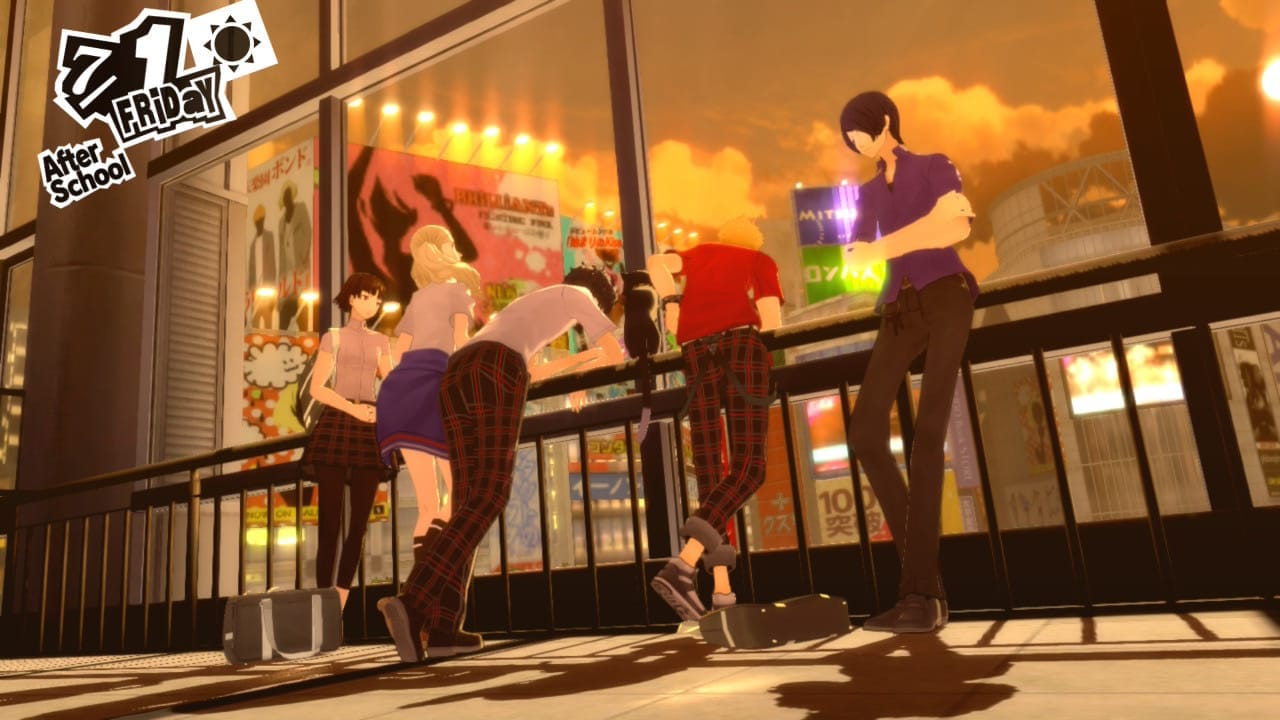
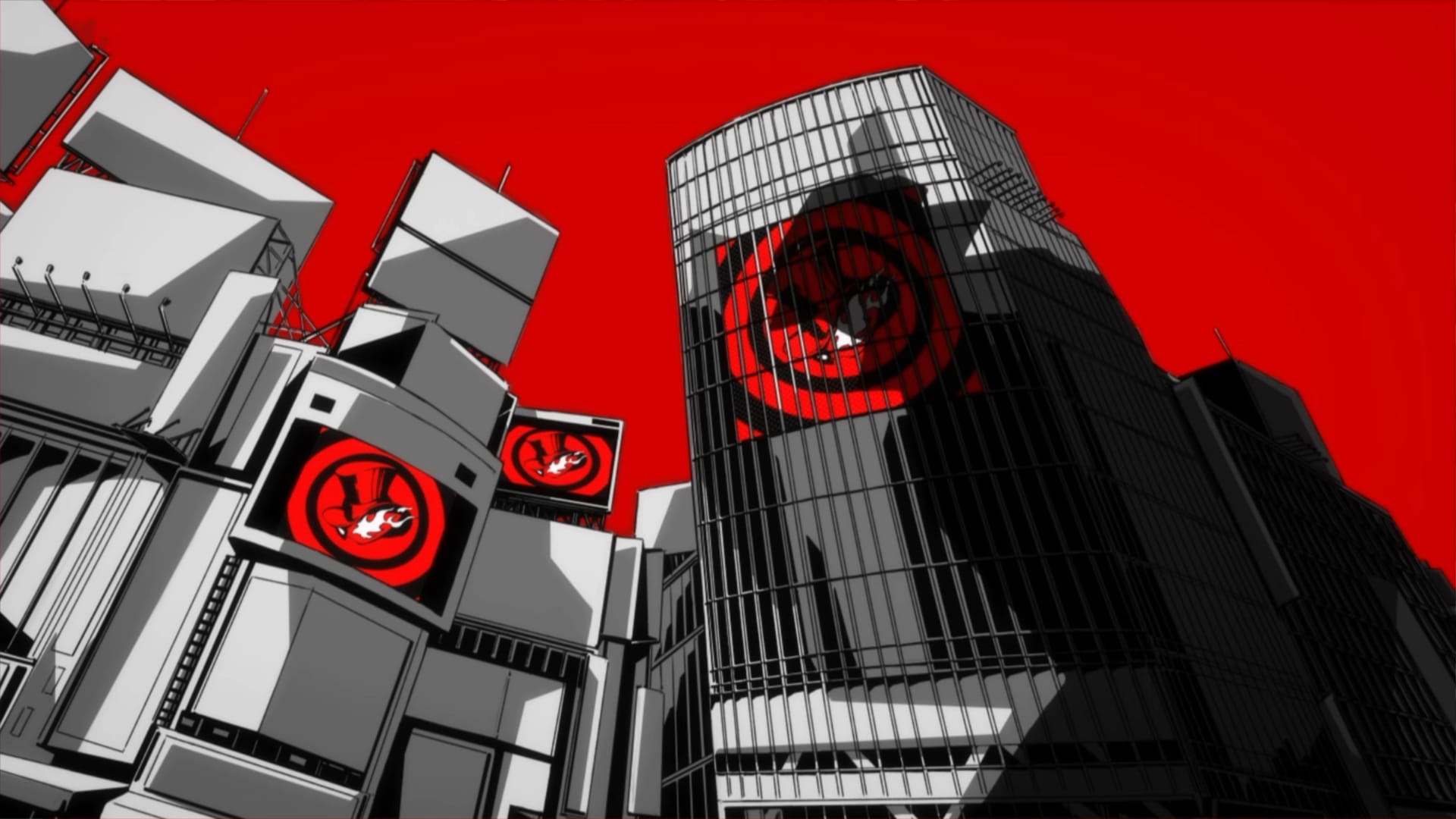
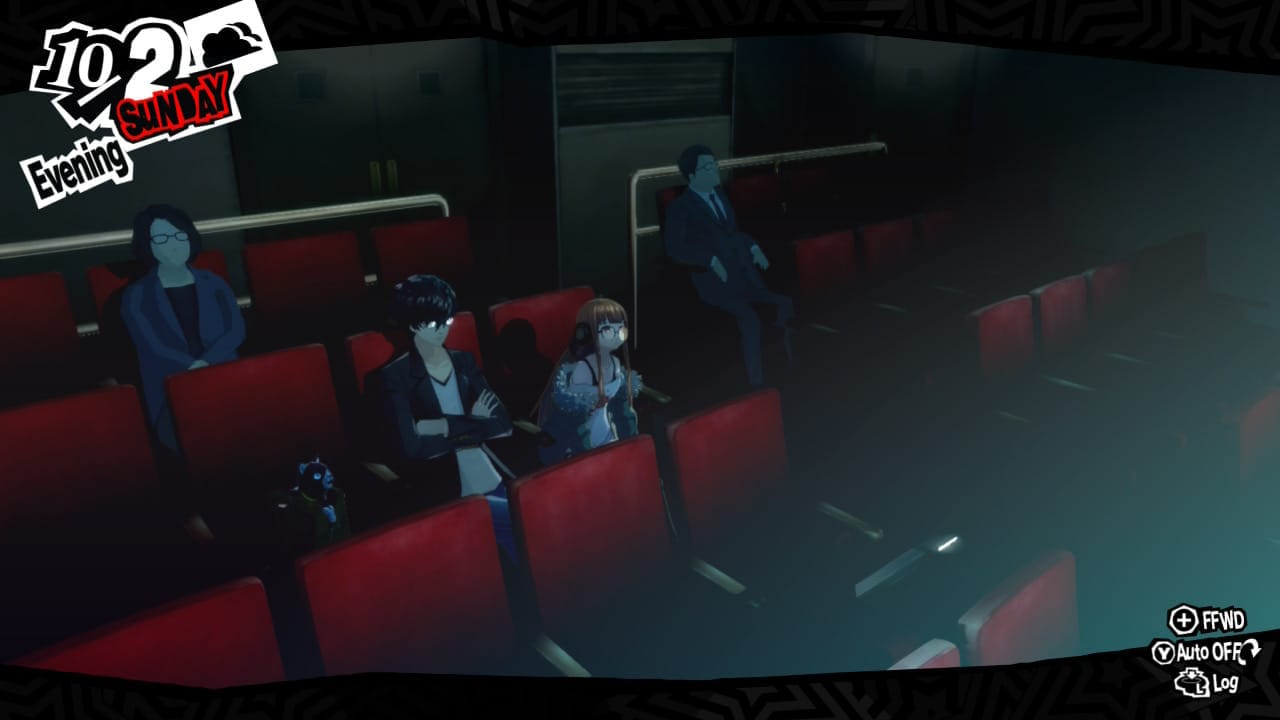
None of this will be surprising to anyone with even passing familiarity of the series. Persona tours of Tokyo and its various inspired locales are common, and have only grown more popular with the rise in tourism, which makes sense. The emotional core of the series comes from how these locations are not mere decoration but core to the emotional resonance of each entry. In Persona 5, Joker moves to Tokyo without much choice in the matter and are forced to adapt to this new life, making your slow adjustment to the winding public transit system and bustle of areas like Shibuya Station a genuine feat.
Only by doing that do you come to understand not just yourself but the people around you, it’s how you uncover injustices, how you see the way that so many lives can intersect, and what steers your resolve for justice as a Phantom Thief to fight for what could make things fair and true for them. That would simply fail to be as effective were you not seeing this city transform from a sea of landmarks to a home, even as you hang at jazz bars, visit Shibuya Scramble or Harajuku or the seedy streets of Kabukicho, or ride those over-packed morning trains.
This feeling takes more than just a faithful recreation and characters. These locations are so memorable and so desirable as tourist destinations for fans because they feel familiar beyond their landmarks. After all, you’re not just visiting Shibuya, you’re studying in the diner, working in the convenience store, renting DVDs from Tsutaya. It recreates and preserves the cycle of daily life as it existed in 2016 (in the case of Persona 5), making it feel so much more real as a result. This reflects other games too, with how Pawlonia Mall is a core game hub in Persona 3 inspired by the Venus Fort shopping center that has been shut for many years at this point. These aren’t merely real places made virtual, they’re time capsules of a Japan that is constantly modernizing.

The structure of social links, their trajectory, and even the ways you reach out to and meet with friends or interact in the main story, ties deeply to the medium of communication and the technology and routines of a world constantly evolving. As Atlus have worked to remake Persona 3 and, soon, Persona 4, their modern release removed from the social politics of their era and the technologies of their time only becomes more notable. Persona 5, for example, is a startlingly-accurate reflection of a mid-2010s Tokyo (as much as the game insists the game is set in 20XX without specifying a year) that many of the core gameplay loops it relies upon to structure Joker’s daily life and that of his friends would simply fall apart were these games to be made today.
Shibuya, as the central hub of activity for social life and work in the game, is notable for just how much has evolved in the decade since the original game’s release as a result of the city’s grand reconstruction. Many iconic locations simply no longer exist today. The Ginza Line entrance that becomes the meeting spot of the Phantom Thieves no longer exists and hasn’t for many years, a victim of the never-ending reconstruction of Shibuya Station. The remnant train car that used to serve as a landmark beside Hachiko has been replaced with a sponsored tourism center building. Those that do exist are significantly-altered, which becomes notable when their in-game functionality simply wouldn’t make sense if designing the game today.
To get your first part-time job, you must pick up job magazines from inside Shibuya Station, alongside the entrance to the Den-en Toshi Line that would take you back to Yongenjaya (one of the only locations whose name changed, from Sangenjaya, in this game). These magazines were discontinued during COVID as job-search and advertising moved online, even if the racks no longer exist. As we’ve discussed here before, the Tsutaya building in Shibuya which serves as a rental store in-game no longer offers such a service, becoming a shell of its former self. Maybe that could be streaming services instead?
These seem minor side-notes, especially for a 120-hour game with far grander stories to tell, but it's key to re-creating a feeling of everyday life and lived-in experience that you can exist within and want to protect. Faithful replicas of cultural touchstones create bonds to a locale, which for a franchise tackling human psychology, contemporary social issues and identity, matters. Plus, the social issues each game centers are contemporary to their setting, emphasizing how important a sense of everyday mundanity is important. The initial Persona game’s focus on self-identity and responsibility is in large part a response to the ways many worried Japan had lost its way as the 1990s became a lost decade of stagnation and decline.
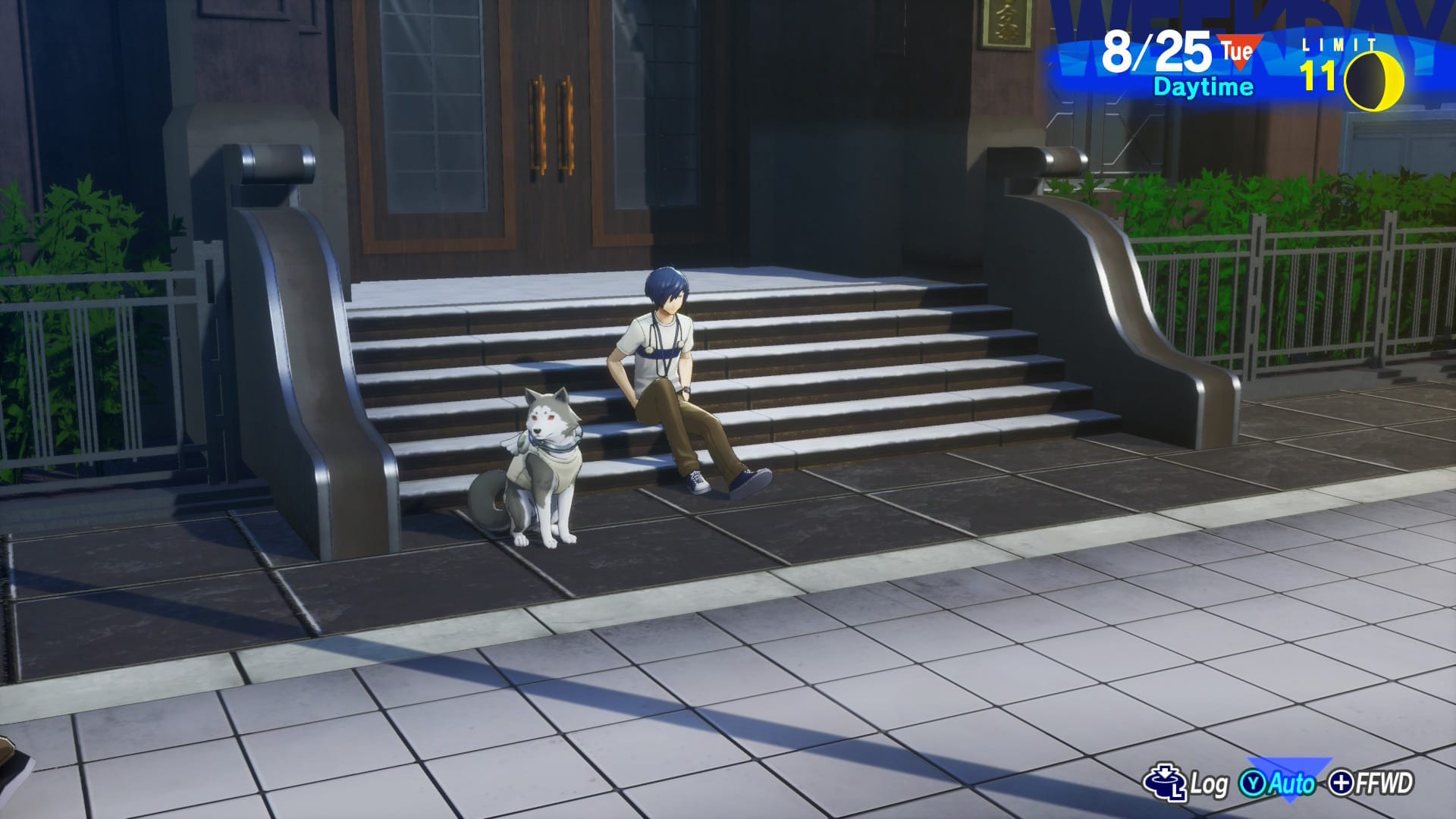
Persona 3 is a story about death, quite heavily alluding to ideas of bullying and suicide that were hot button issues as Japan’s suicide rates reached their peak. A moral decline was also being questioned. And it’s no coincidence Persona 5 heavily challenges justice and political corruption at a time Japan’s peacetime constitution was being challenged by politicians in charge, a group whose susceptibility for corruption was also becoming a larger narrative at this time.
It even ties to how young people communicate. In Persona 5, social media and the rise of smartphones dominate how the Phantom Thieves gain notoriety, keep in touch, and even how Futaba becomes a member of the team. For all this communication is digital, it feels like an additional landmark in a labyrinthian city, not dissimilar to the dorms of Persona 3. At that time, it was harder to connect the way the Phantom Thieves do, so keeping everyone together this way in the internet's infancy matters. The garakei phones that do exist in Persona 3 are not just mechanically different compared to modern smartphones, they're polar opposites, yet their role in the story is another way that you ingrain yourself into the flow of Makoto's life.
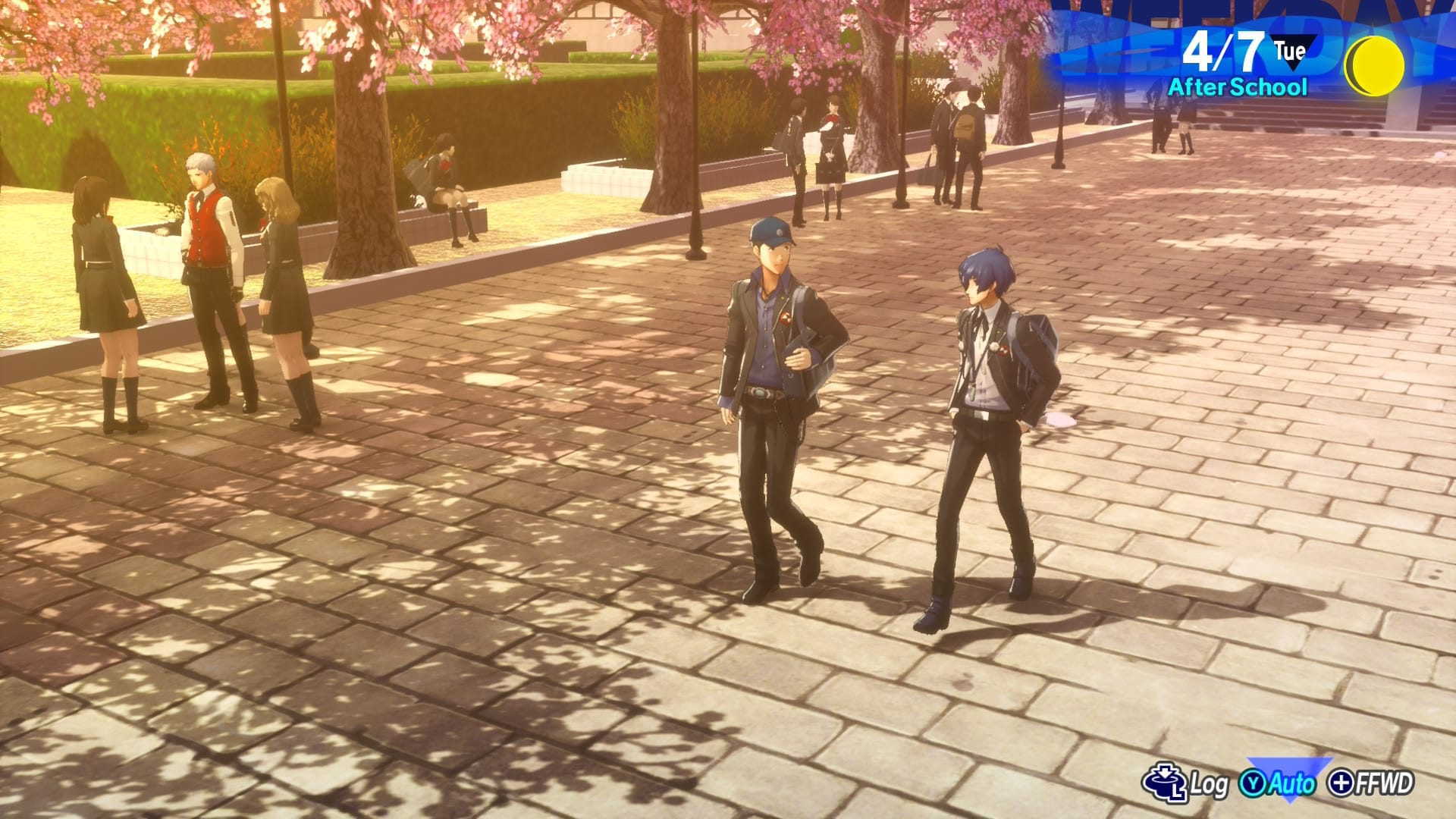
By designing around not just the locations but the lives that were lived within them, you get the soul of the Persona franchise. This life, lived at your own pace but true to that which existed in these places, makes a game location feel like a home, and a tourist search of hotspots feel like a return. Only by finding your home will you fight for it, and that’s the heart of Persona.