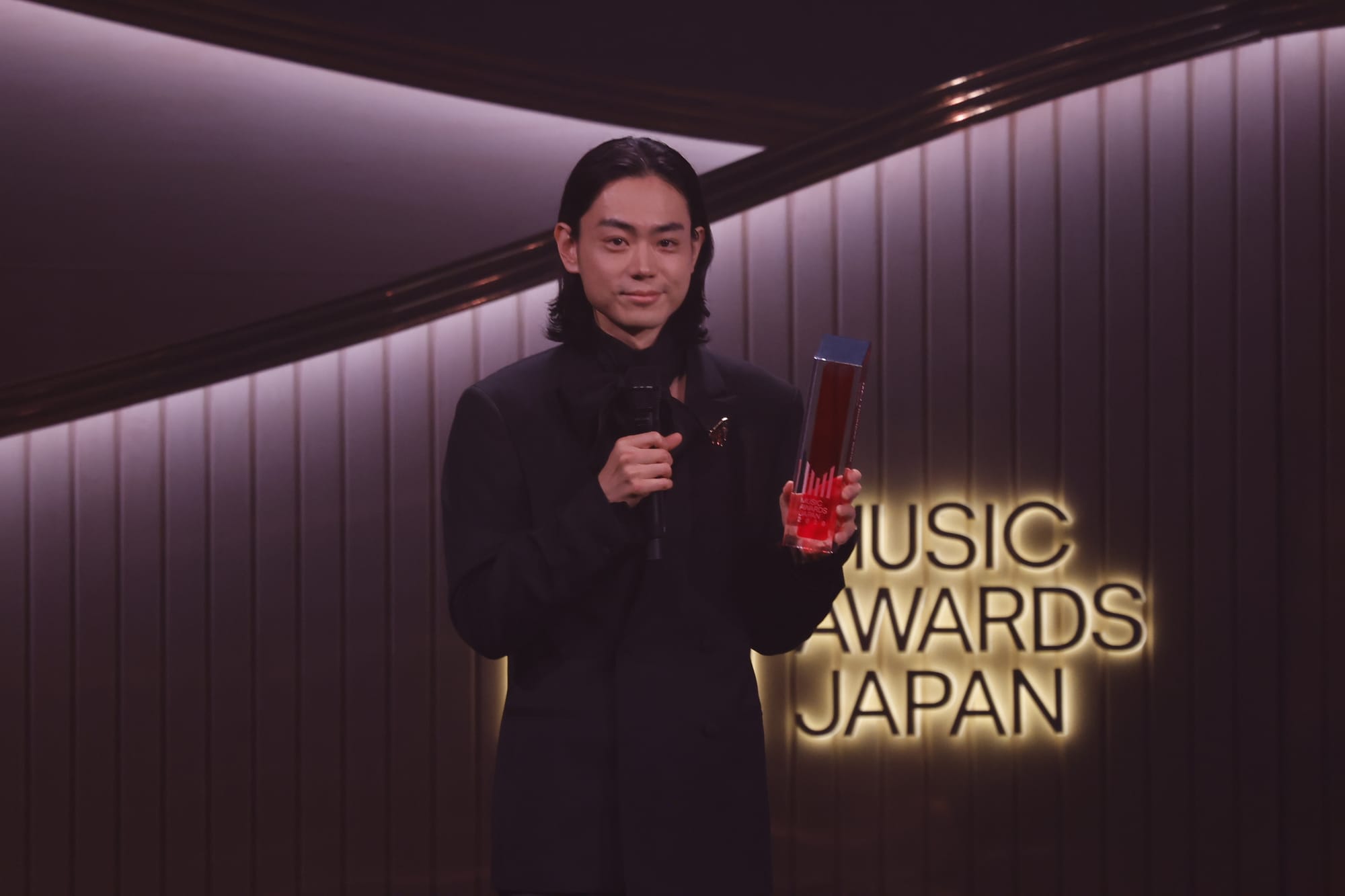
The second annual Music Awards Japan was held in Tokyo a little over a week ago and much like its inaugural year I have thoughts about it both good and bad. I’ve been patiently been waiting since last year’s show to see if and how it would improve, and despite having some issues still I largely feel like the show grew in a positive direction.
Before getting into the awards themselves, it’s worth taking a look at the celebration leading up to the awards and I have to say that’s where I feel things had the most improvement from year one. While the inaugural show in Kyoto held “Music Awards Japan Week”, the offerings were genuinely kind of limited. This year they really stepped things up, offering multiple showcases and concerts every day during the week of the awards. It was really a matter of quality and quantity this year, with something for everyone occurring throughout the week.
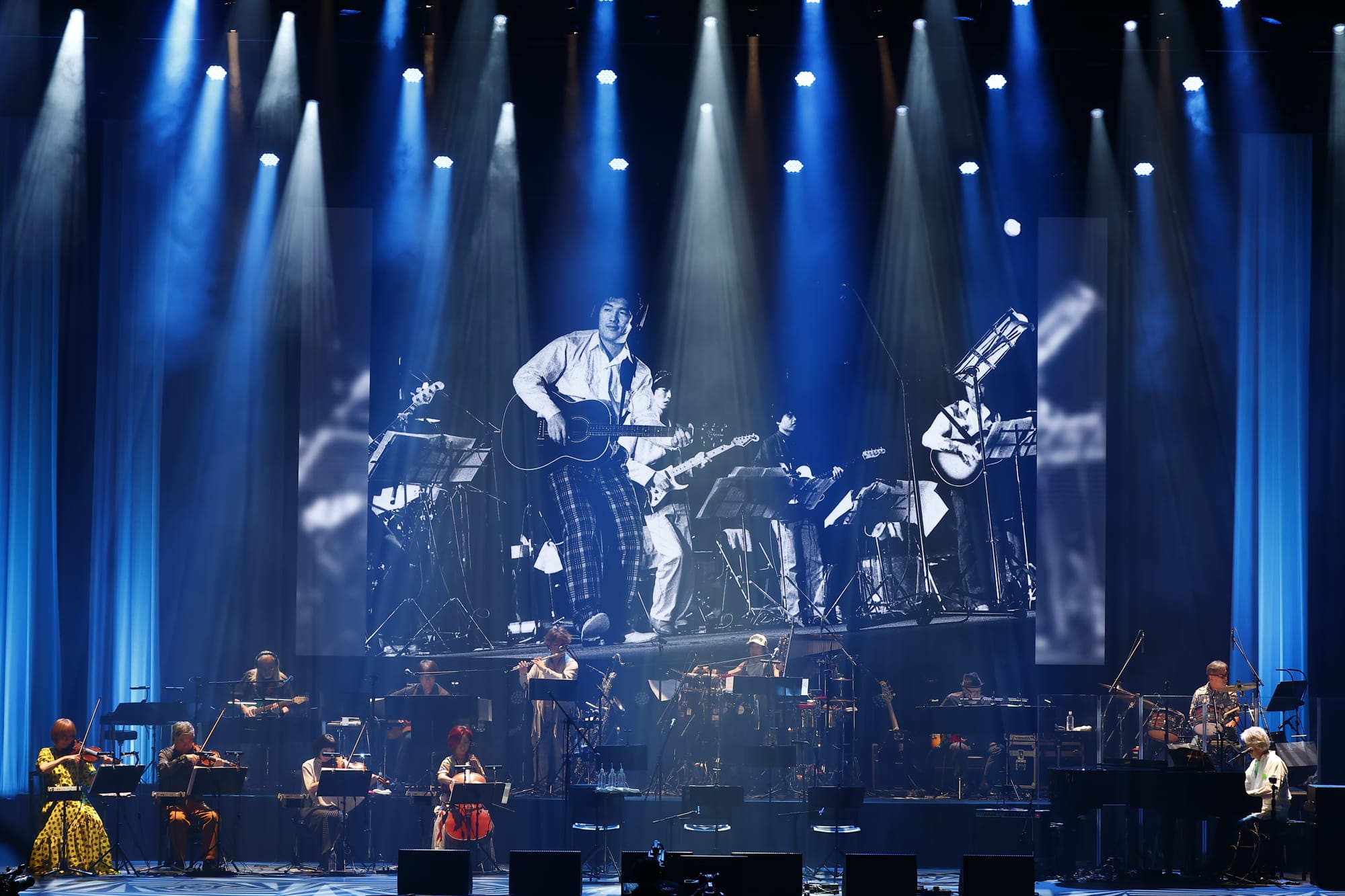
From a tribute to Japanese Hip Hop, a showcase of women in music, and even an anisong showcase that filled up Toyota Arena Tokyo, it felt like they were really trying to celebrate all angles of Japanese music. They even had Anri and Masayoshi Takanaka perform a special concert as part of the event, which drew in an international crowd and really felt like it embodied the mission of the awards to be a method of exchange and outreach for Japanese music.

©CEIPA / MUSIC AWARDS JAPAN 2026
There was a noticeably bigger international promotional push this year, with more English language media getting behind announcements and more press on site. This may have been a contributing factor to the turnout for the Takanaka/Anri show, and is the kind of thing CEIPA needs to be doing more of regarding the show in general. Even though the shows are obviously being commentated and held in Japanese, there is a huge opportunity for Music Awards Japan to become a destination event with these kinds of unique and rare concert experiences as part of the festivities. Each show I went to this year was well attended, and the musical spread was a great way to introduce an audience to music they may not have heard before. This is an area the event as a whole should really continue to capitalize on and provide more exciting programming through.
On the subject on international outreach, another that was done this year leading up to the awards was moving the Tokyo International Music Market (TIMM) to the same week. This to me felt like a misstep because not only did they make the announcement rather suddenly, but the event used to be held in the fall alongside or just after Tokyo International Film Festival which led to some amount of attendance overlap between the events. Maybe they’re shooting for a different kind of international clientele now, but I had several colleagues who usually attend TIMM from overseas skip the event this year and with the international mission of the awards my gut feeling is that it wasn’t a great move.
Getting into the awards themselves, there was a massive improvement across the board. My biggest complaint last year was the number of older songs and weird mental gymnastics done to justify some of the nominees, and this year it really felt like they were sticking with stuff released in 2025 unless it was part of a throwback or international category. It was also really great to see more categories dedicated to people behind the scenes in the industry, with awards given to designers, tour staff, music video directors, and more. It was a far cry from the single category awarded last year (Best Engineer) and something that gives the impression that Music Awards Japan truly is about celebrating the industry.
Unfortunately despite the inclusion of more industry categories, along with it came a whole bunch of new sponsored and data driven categories. I really don’t love the sponsored categories, but I get that funding needs to come from somewhere so it is what it is. The data driven awards are a lot more annoying, because numbers are not always an indicator of quality or even true success, especially in Japan where there’s a long documented history of sales shenanigans related to idol acts. These awards were relegated to the Premiere Ceremony, so it was easy to miss them if you only watched the main show, but they're also counted by people and media towards the win counts of each artist which feels like they dilute the importance of core category wins.
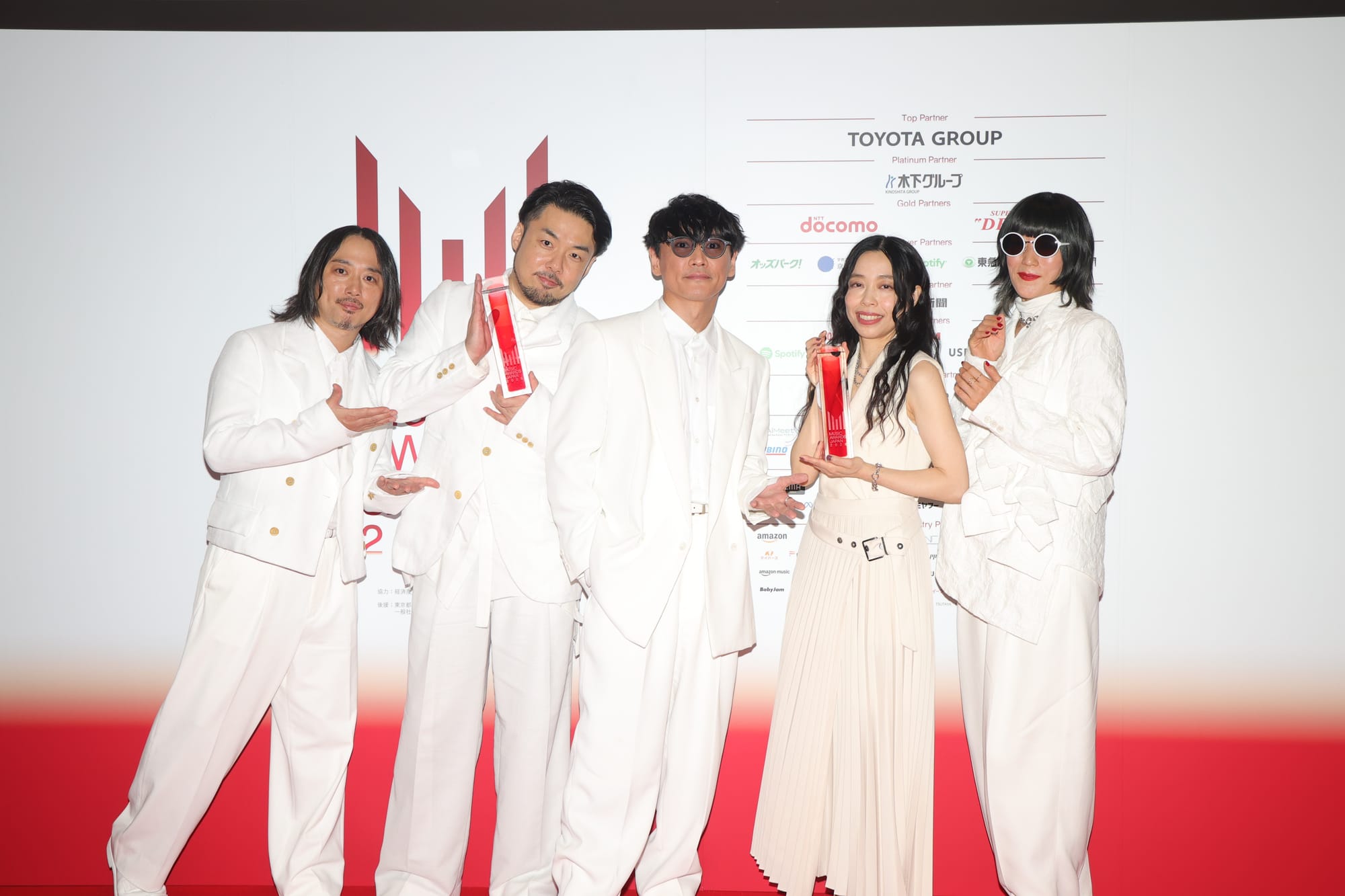
At times it felt like the same artists and songs were constantly appearing in different categories, but the reality was pretty well spread out with plenty of surprising nominations. Less surprising was the outcome where 10 artists combined ended up taking home more than half of the non-international awards of the night. It sounds more egregious than it actually is though when you consider how many of those awards were the aforementioned data driven awards, or ones that were ultimately awarded to staff and crew related to a release and not specifically the band itself. Sakanaction took home 8 awards for the night, but among them were Best Lighting Production Staff, Best Cover Artwork, and Best Music Video.
Where things really fell apart for me on the awards front was Artist of the Year. Anyone paying attention to the show could see that Sakanaction was really sweeping things even in the core categories, their song “Kaiju” even won song of the year. Following just behind was Fujii Kaze who won album of the year for Prema as one of his 5 awards of the night. So when Mrs. Green Apple was awarded Artist of the Year for the second year in a row with fewer overall wins and only one core category win (Best J-Pop Artist) I couldn’t help but raise an eyebrow.
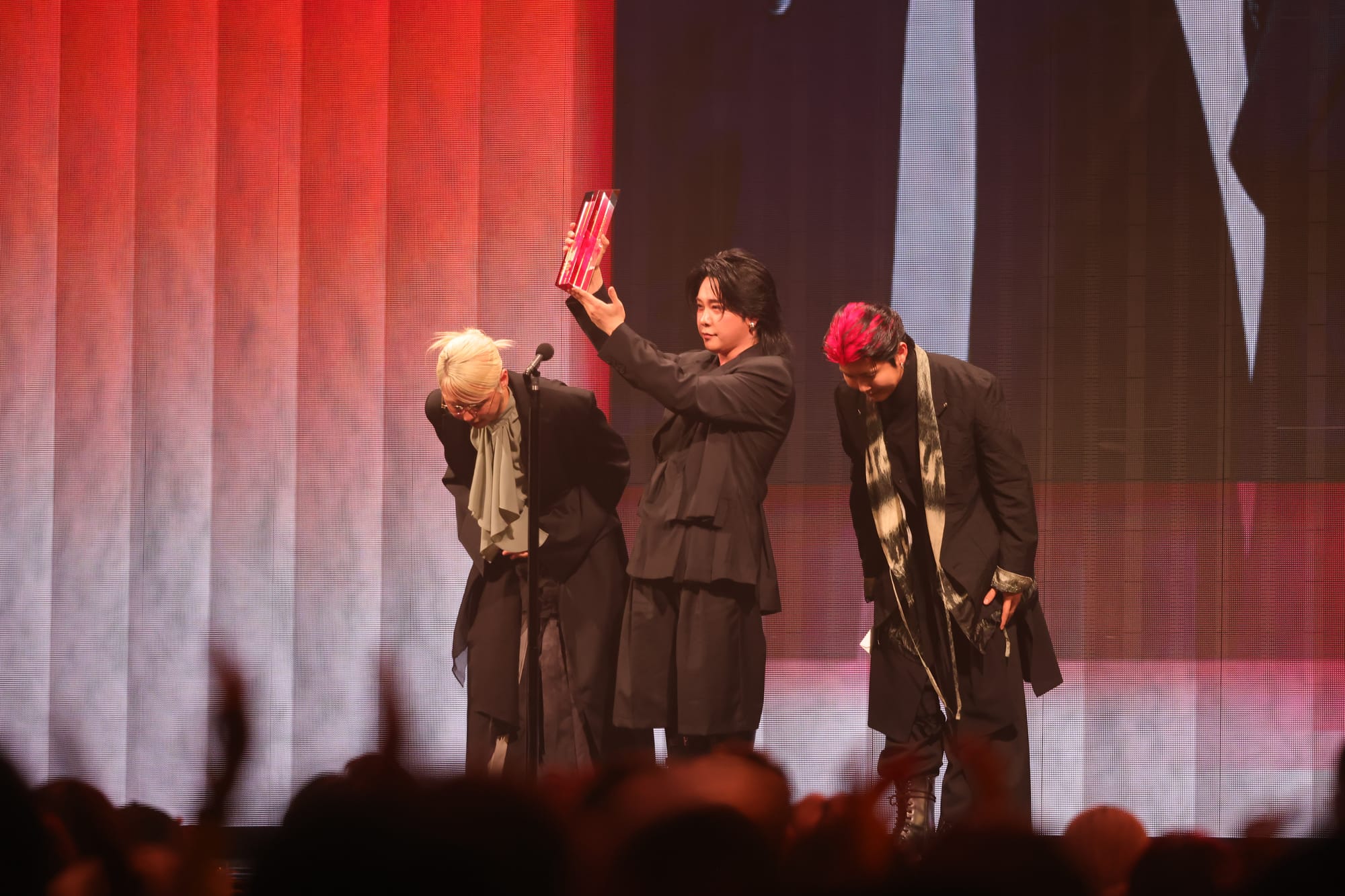
Mrs. Green Apple is undeniably a force in the Japanese music industry, and massively popular, but for them to win notably fewer categories than other artists but still take home the big award of the night 2 years in a row, it just doesn’t feel deserved. Japanese viewers who feel the same way were drowned out by Mrs. Green Apple fans on social media, but I certainly am not alone in my feelings about this. It’s the kind of thing that only serves to create skepticism in the awards themselves. People criticize other major awards shows for this same issue, often accusing them of being rigged, and that's not a place Music Awards Japan should want to find themselves in so early in their existence and while trying to build credibility.
Despite what I see as a pretty major issue, the rest of the awards felt a lot more balanced. Adding more than 20 new categories may be too much (there are definitely people who will argue as much), but I was happy to see more flowers given to the people who really make the magic happen, and feel like a decent step was taken in the right direction on that front. The rest of the events in the week leading up to the show also gives Music Awards Japan a lot more weight as a celebration of Japanese music was and a welcome addition that they should really continue into next year.
Music Awards Japan made some major strides this year, and have shown that the potential of the show is truly real. Next year is going to be a major test for them, both in terms of how the event can attract international industry (especially with the rescheduling of TIMM) and if they can deliver both an experience and an outcome that makes more people pay attention. It could really go either way and I’m surely going to tune in to see what happens.