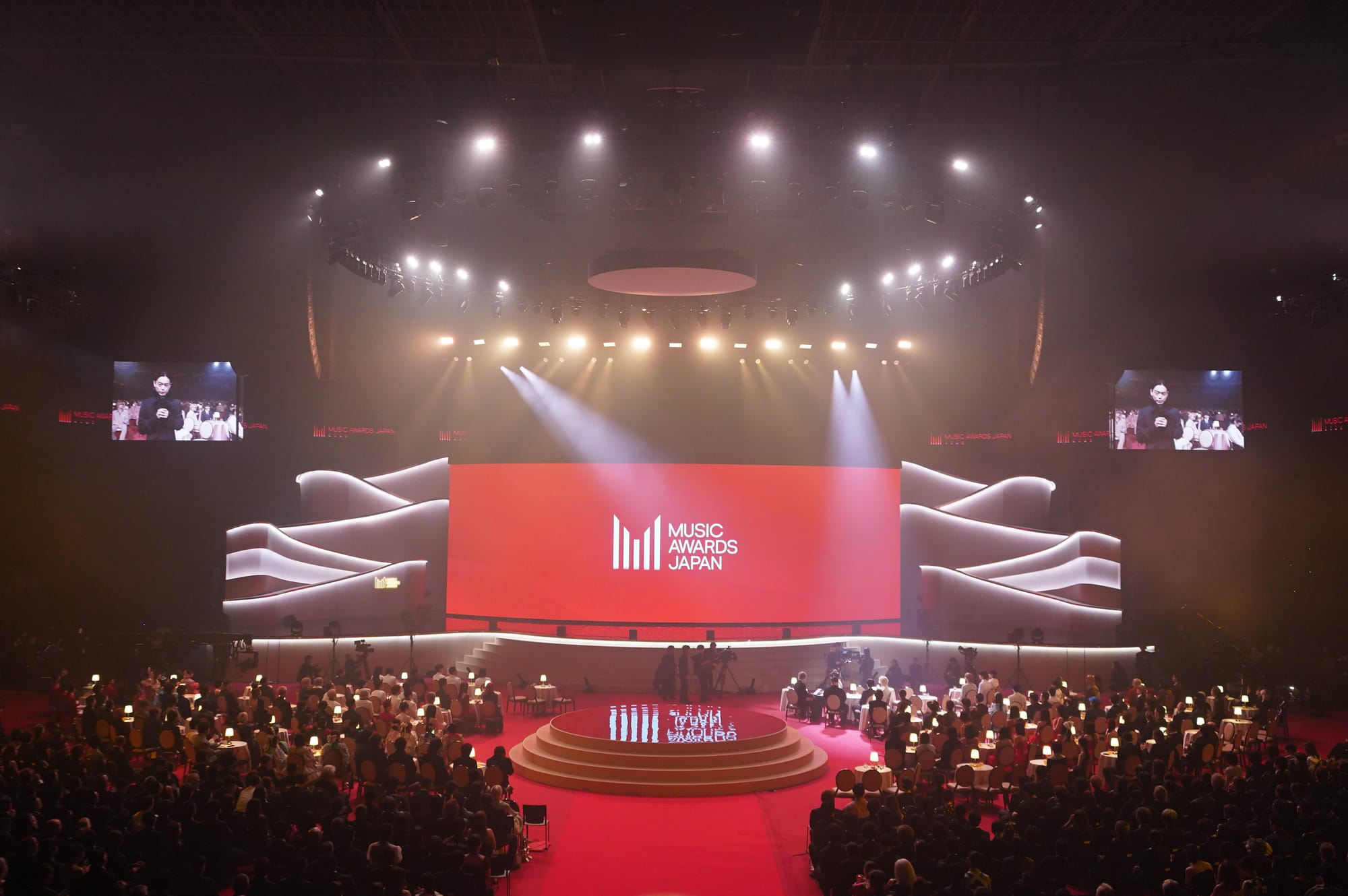
June 13th marked the second Music Awards Japan, this time making the move from Kyoto to Tokyo’s Odaiba Aomi area. I’ve been patiently waiting for this year’s show since the last one wrapped up as I was interested to see how, if at all, the show would improve. CEIPA understood the assignment for the second year, scaling up the production although the format of the show largely stayed the same. With the size and breadth of a show like Music Awards Japan, I felt it was worth taking a look at the production itself and giving it an assessment much like I did last year. Let’s see how it stacked up.
Premiere Ceremony
Much like last year, the bulk of the awards given out for this year’s event were presented during a separate ceremony ahead of the main show. Taking place at SGC Hall Ariake (a short walk from Toyota Arena Tokyo, where the main show would be held) the Premiere Ceremony was a more intimate affair and operated mostly the same as in 2025 down to Kasumi Mori and Atsushi Yanaka hosting for the second time.

Once again the stage played host to a live band, the event was attended by a smaller selection of artists than the main event, and it was full of the same “variety show” banter as found last year. The show ran for 3 hours, and the format was the same with winners being announced in batches, and everyone standing on stage while waiting out the rest of their batch to be worked through. It felt slow at moments, and just like last year many of the awards were accepted by label representatives who didn’t have much to say.
This year did a much better job of presenting awards to support staff and collaborators than last year, offering up awards for things like best design, best music video, and even tour managers. There were some really touching moments as Sakanaction’s Ichiro Yamaguchi looked genuinely ecstatic as many of his collaborators picked up awards for their work with the band. I also think it’s great that international acts who are relevant in Japan are also given time to shine with specific awards, extending even further as winners from Indonesia and the Philippines even performed during the ceremony.
The performances in particular were a highlight of the ceremony with a great variety of acts appearing, from iconic pianist Hiromi Uehara to OPM (Original Pilipino Music) rock band Cup of Joe. STUTS, Kohjiya, and Hana Hope performing 99 Steps was a personal high point. And as great as their performance was, I do have to mention that I was a bit disappointed by THE SPELLBOUND x BOOM BOOM SATELLITES as they played “Kick It Out” again this year and it would have been nice to see them perform something else.
I still feel like a lot of the awards being given out here could just be the kind of stuff given out off camera and acknowledged during the main show. There’s a whole section of the show dedicated to sponsored awards, which I personally couldn’t be less interested in. Kenshi Yonezu also swept all of the “Best Japanese Song in (foreign country)” awards with “IRIS OUT, which mirrors how those awards went down last year. Sakanaction was also a big winner, scoring 5 awards across a variety of categories in this ceremony alone including Best Anime Song for “Kaiju” and Best Rock Band.
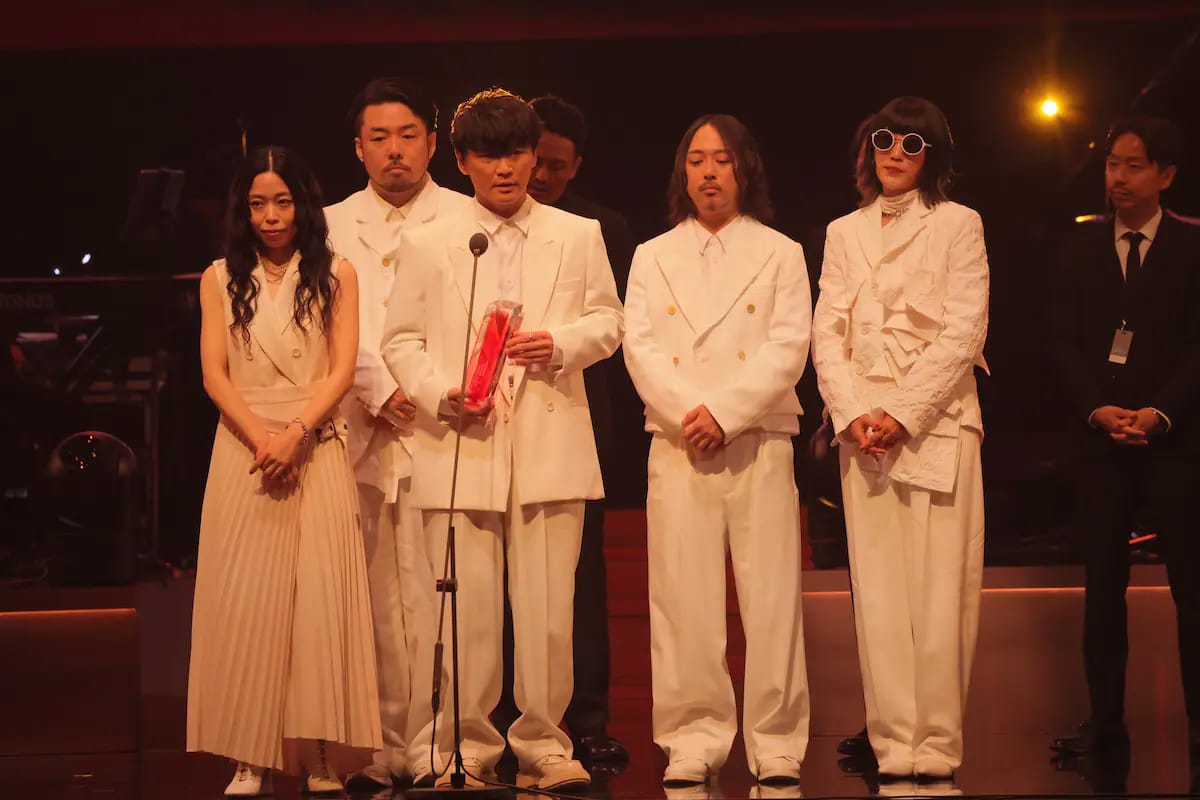
There also seemed to be more in the way of production hiccups than last year, with the banter segments clearly being used to kill time while some other element of the show was having a delayed start at several points during the show. At one point one of the guest artists at the event, M!LK, had even left the main venue only to be called back due to winning an award which led to an awkward pause but an amusing recovery courtesy of member Daichi Shiozaki.
At a staggering 3 ½ hour runtime, parts of this ceremony really feels like a formality at times due to how everything is handled, and some of the better moments seem included just to get people to show any amount of interest. It’s great that some of the smaller award winners are given a chance to shine, but it’s hard to sit through everything just to see those bright spots.
Grand Ceremony
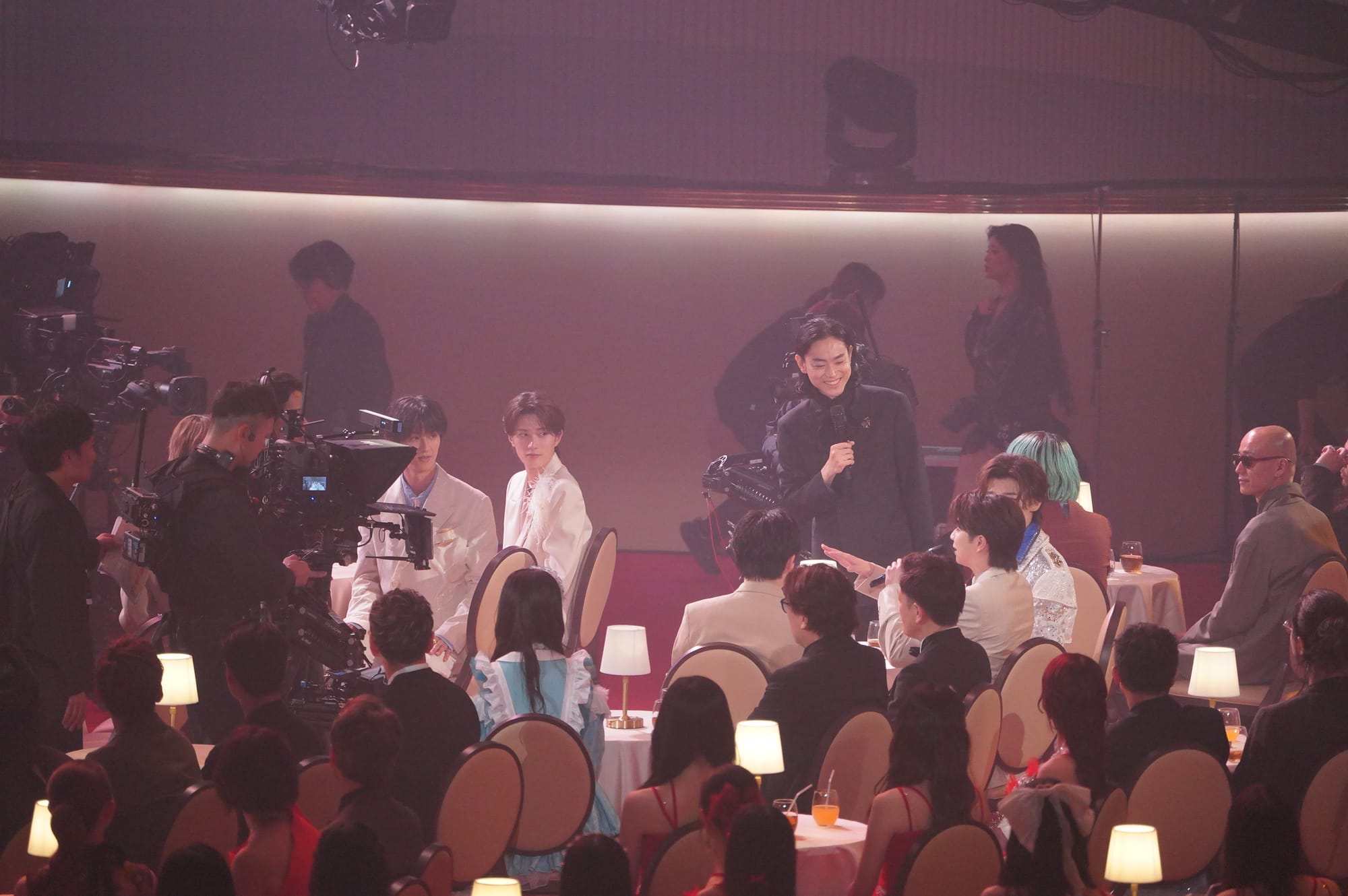
This year’s Grand Ceremony was significantly scaled up from last year due in part to its relocation to the Toyota Arena Tokyo. My first impression upon seeing the venue was that they were making effective use of the space with a massive stage for the core presentation, and the main arena area dressed with tables and chairs for the most VIP guests of the night all surrounding a center “island” stage that was used for select performances.
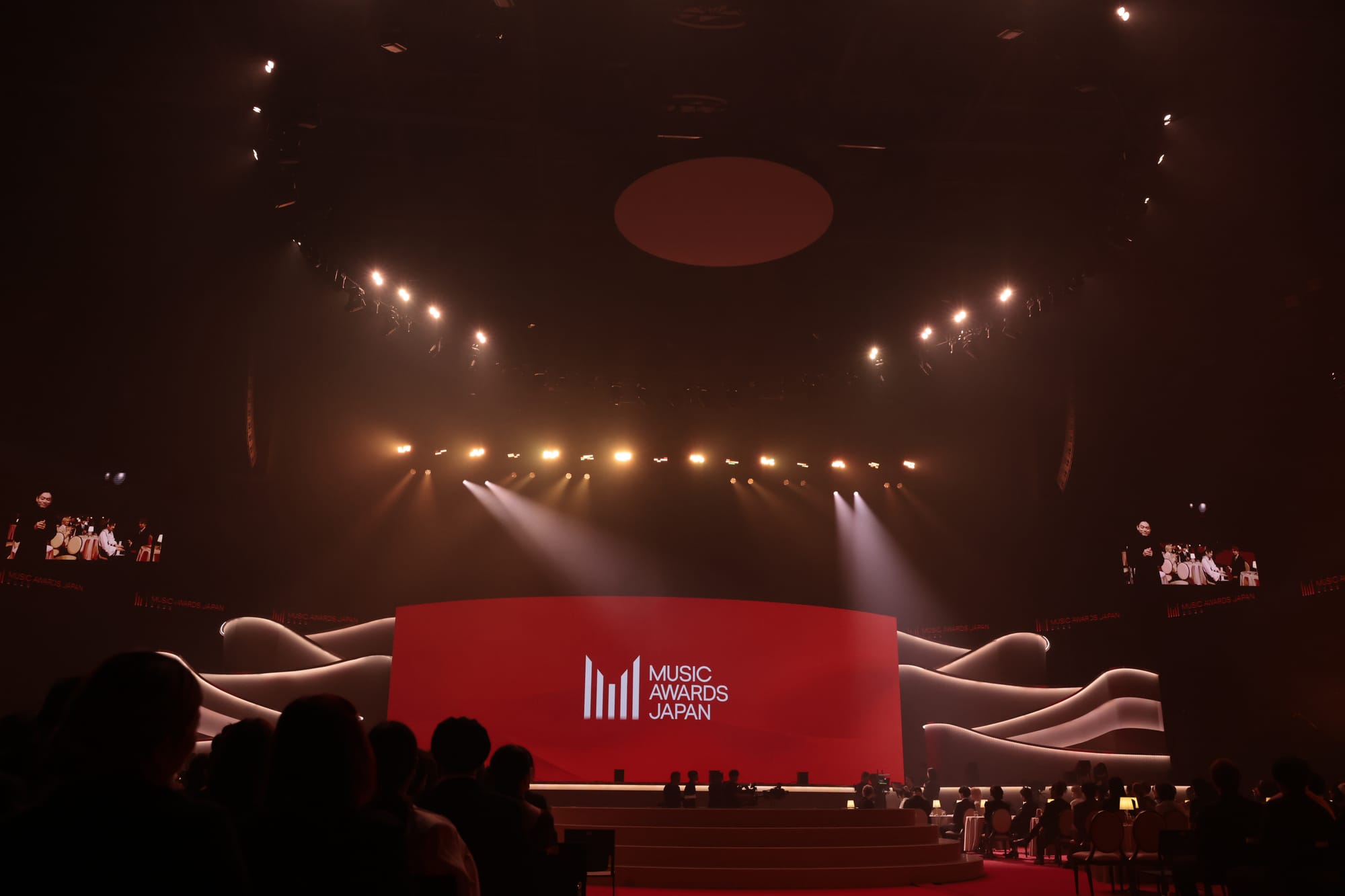
For the awards segments of the show this worked well, as it was the same system as last year. Gigantic video screen displaying names of the awards, showcasing nominees, and guest presenters center stage handing out the awards. It was very functional, looked great, and served its purpose. Speaking of presenters, last year I made the note that a lot of the guest presenters didn't feel very relevant either to the show or a younger audience at large. This year they did a much better job, adding a variety of actors and dancers in to present the awards. I think they could stand to get some more musicians to present to their peers, but this was still an improvement.
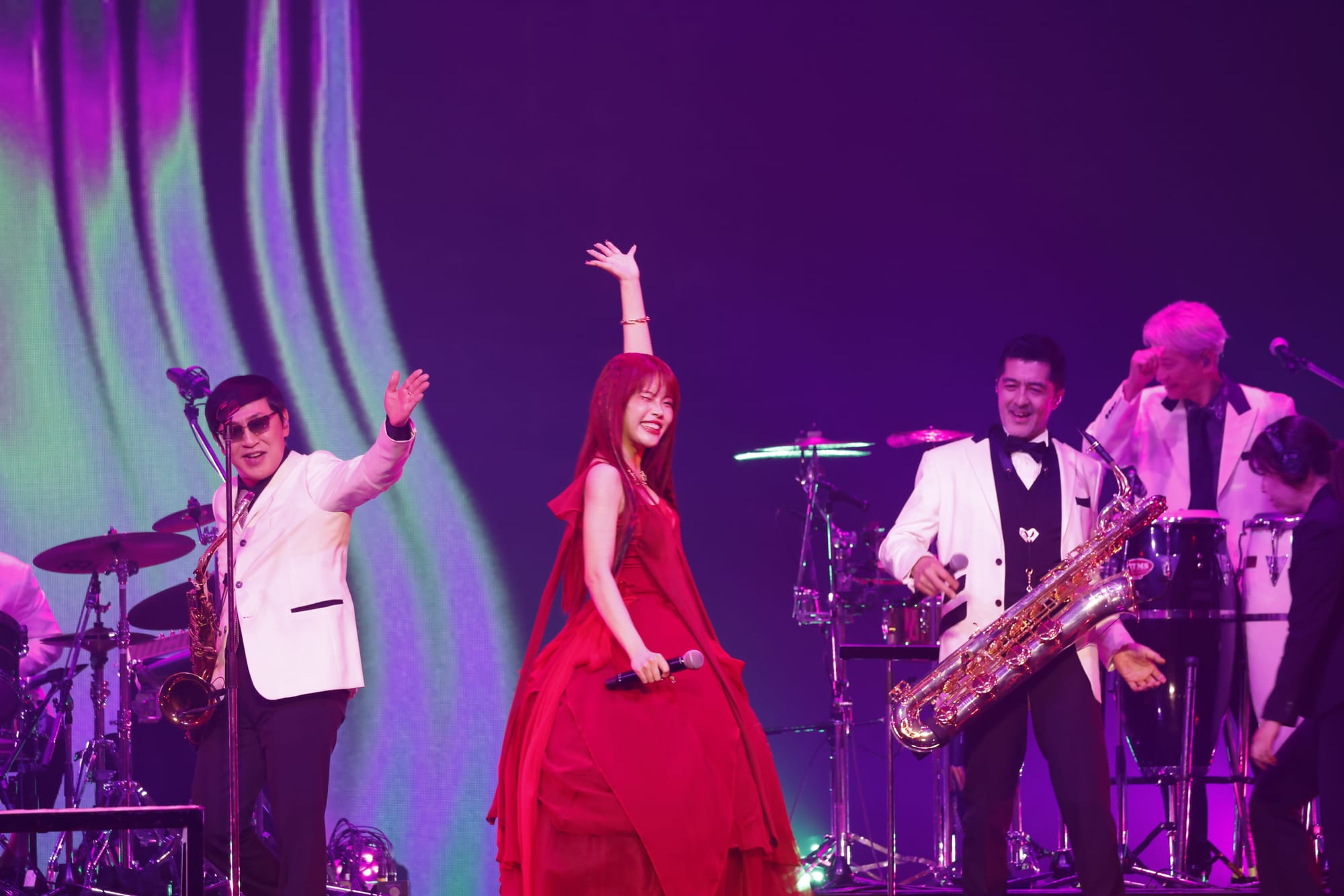
On the performance front, everyone who was selected to perform during the Grand Ceremony put on fantastic performances and utilized the available space differently. I particularly enjoyed Sakanaction opening with “Kaiju” using the giant video screen with dancers manipulating the video on the large screen in real time and Fruits Zipper performing a stripped-down rendition of “Watashi no Ichiban Kawaiitokoro” later in the show sitting on clouds against an otherwise empty stage. Tokyo Ska Paradise Orchestra also put on a fantastic medley of anime songs starting with The “Theme From Lupin III ‘78” in honor of the late Yuji Ohno, then joined by LiSA for “Gurenge” from Demon Slayer, Takuma from 10-FEET for “Dai-Zero Kan” from THE FIRST SLAM DUNK, and AiNA THE END for “Kakumei Dōchū -On The Way-” from Dandadan before ending with their original song “Paradise Has No Border.”
A couple of the more visually elaborate performances of the night were Kenshi Yonezu’s performance of “IRIS OUT” and the first half of Mrs. Green Apple’s “Kusushiki”, both of which used pre-recorded video filmed outside of the venue. Kenshi Yonezu gave his typical stunning vocal performance surrounded by two-tone red/white clad dancers on a set of red risers. It was incredibly stylish and visually striking, and the call back to his Kohaku performance with a Toyota branded shark-mobile was a fun touch. Meanwhile, Mrs. Green Apple opened up their performance with a video of them performing in a courtyard reminiscent of the palace from The Apothecary Diaries (for which “Kusushiki” served as the theme) before a completely seamless transition suddenly revealed them on the stage of the arena as if by magic.
Unfortunately outside of those elements I feel like the show suffered from the same issues I didn’t like last year. Throughout both shows there was just this constant element of what felt like banter just for the sake of killing time. Second time host Masaki Suda would go out into the arena and ask artists what they thought of someone else’s performance, or some other low ball question that would be met with answers that sounded like media training at work. I said last year that my dislike of these segments might just come down to cultural differences as Japanese variety TV is likely the inspiration, but there were also several moments where the banter would be played off with music as if they were just using it as a buffer for the next segment. When the show is already as long as it is, the last thing that’s needed is filler, especially when it conflicts with the energy and pacing of the rest of the event.
Another moment that felt like a bit of a letdown was this year’s “Timeless Echo” award which was awarded to the legendary Tatsuro Yamashita. There’s no doubt in my mind that he deserved the award, but he didn’t appear at the show to receive it, nor did he provide a video message in acceptance. What we got was an audio recording of him thanking everyone for supporting him all of this time, and expressing that he never thought he would still be performing into his 70’s and that he aims to continue creating music and performances that pleases everyone. Considering the absolute madness that was last year’s “Timeless Echo” segment, it just left me wanting more.
I still have a great deal to say about the entirety of the Music Awards Japan celebration this year, which I will be saving for a separate opinion article coming soon, but all in all the end result really does feel like a large step up from its inaugural year. No awards show is perfect, and considering how much they’re doing in just their second year of existence it certainly has my attention and curiosity for what's next to come.