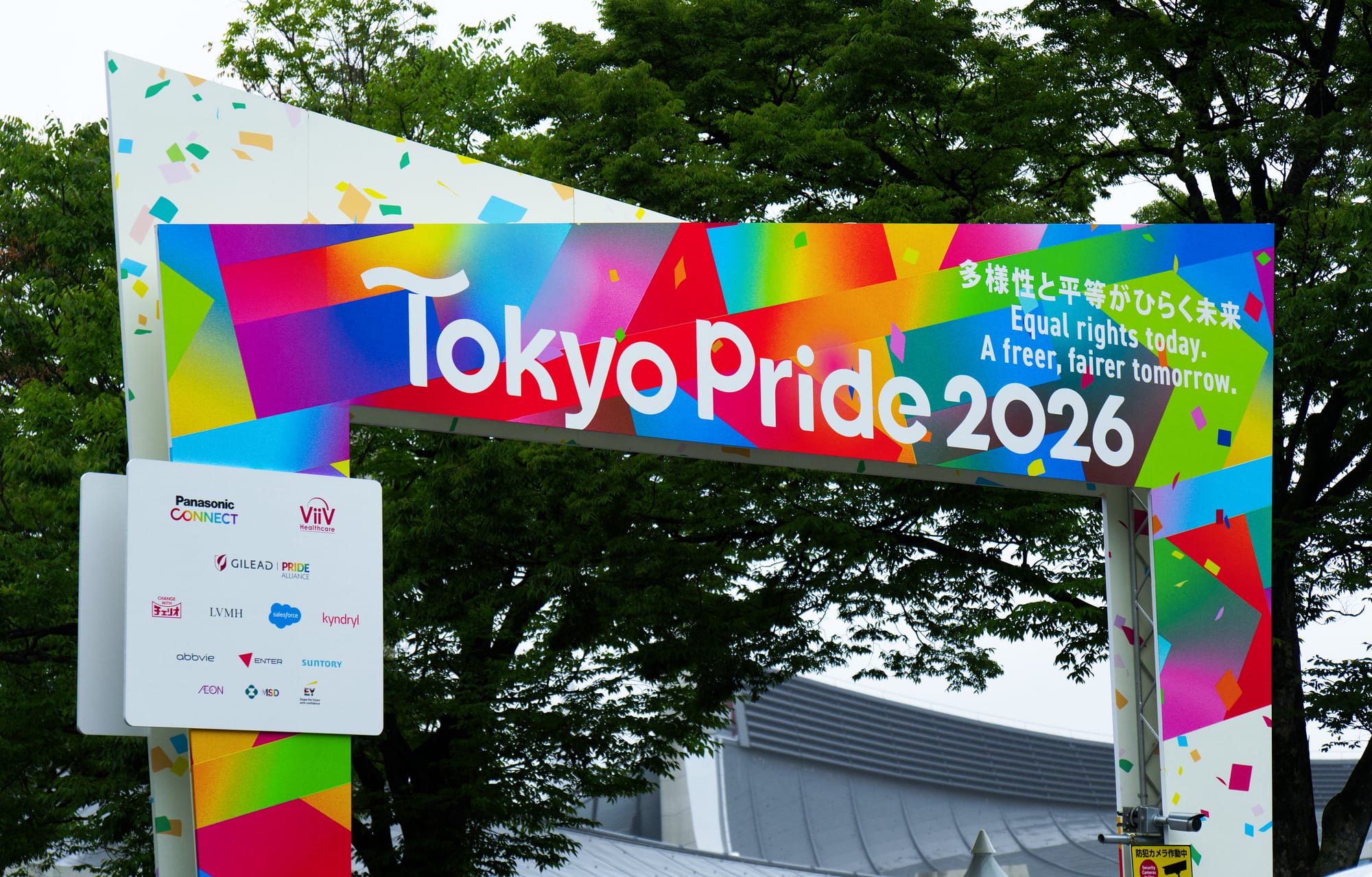
This was a weird year for Tokyo Pride. But, watching the parade pass through Shibuya and seeing lines of people waiting to wave at the record crowds participating, with strangers and tourists lifting a smile when they realized what was taking place, it shows how important it is.
June is Pride Month, and with that, over 30 years since the first event took place, Tokyo Pride once again took place on the precipice of a potentially-massive national shift in Japanese politics regarding LGBTQ+ rights and recognition. Already in the last decade, so much has changed for visibility and support for queer and trans people living in Japan compared to what it was just a few years prior. In 2015, just 41% of people supported the legalization of same sex marriage, with 37% opposition. Support grew to 72% in 2023, with all major parties aside from the LDP and Sanseito neutral or fully in support of legalization of same-sex marriage nationwide. The current stop-gap, a regional partnership system allowing same-sex couples certain rights to inheritance, local welfare and hospital visitation amongst other things alongside protection from discrimination, is now legal at local government levels covering over 90% of Japanese citizens across 562 municipalities, with recognition in at least some areas of every prefecture in Japan.
It’s not as effective or a replacement for legalization, but its support that basically didn’t exist at the start of the 2010s, when the topic was merely a conversation. This is before discussing the growing educational initiatives to teach about the issues facing LGBTQ+ people, growing support for transgender people and the number of openly-trans lawmakers at all levels of government, and the recently-announced national support for further education, as opposed to the current regional support.
Yet it’s this last point that exposes the awkward situation facing Tokyo Pride, Japan’s largest pride parade, in its latest year. Despite this progress and support for LGBTQ+ individuals and same sex individuals in surveys that ranks above countries that previously passed legislation such as the United States and United Kingdom, same sex marriage remains prohibited, with no plans by the current LDP to change their position despite national support. Their current funding for education comes now after years of delays, many years after the law was first passed in response to growing international criticism around the Olympics for their lack of legalization.
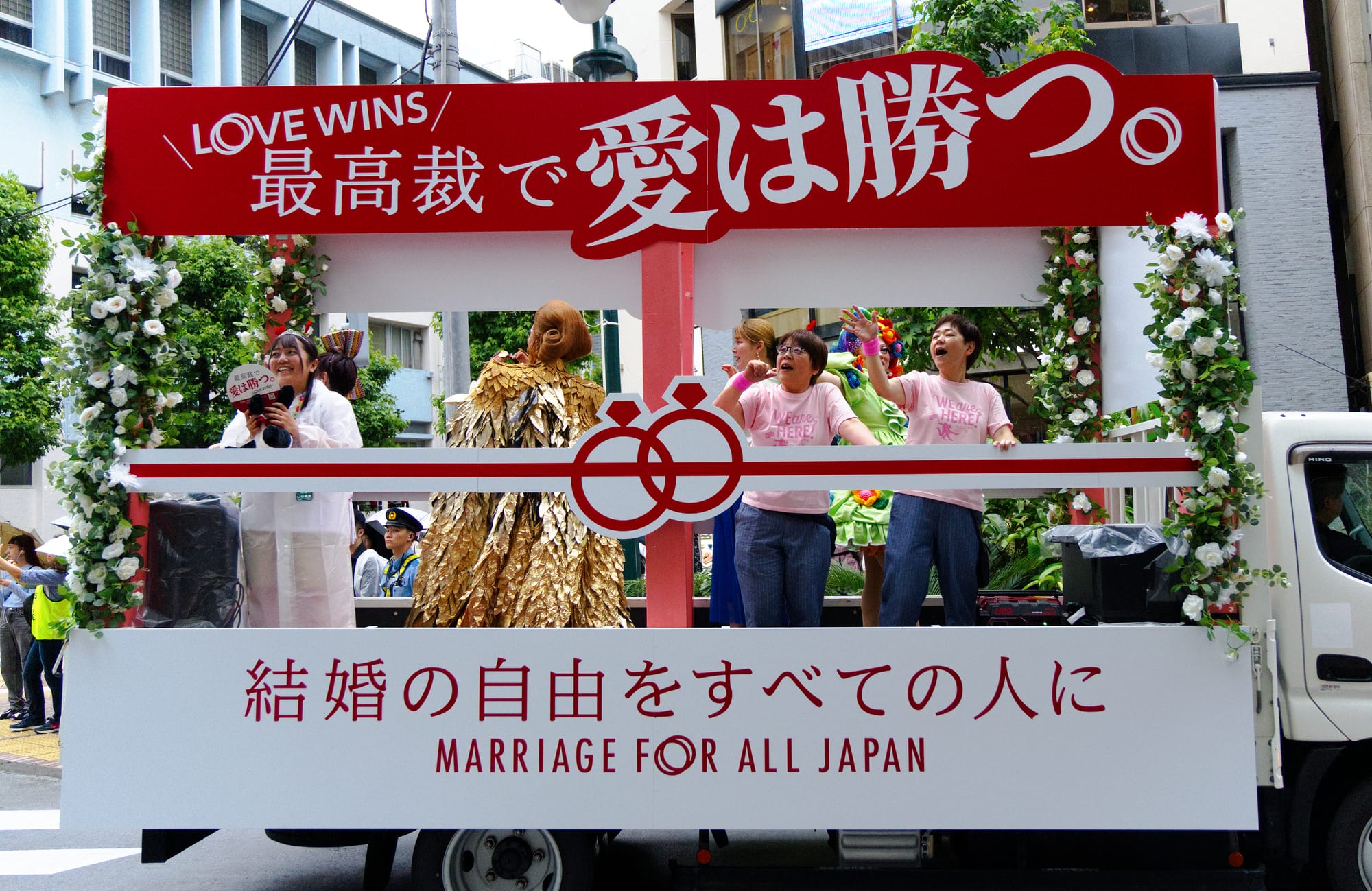
It’s why the theme for this year’s event took on a more confrontational approach to recent years: Same Life, Same Rights. This direct message refers to growing demands surrounding the current largest battlefield for LGBTQ+ rights surrounding same-sex marriage, which after years of legal battles at regional and national courts at all levels with mixed rulings regarding constitutionality, will be debated at Japan’s Supreme Court before the end of 2026. While unable to legalize it even if their final decision rules in favor of the years-long Marriage for All Japan campaign, their influence and judicial review powers on whether the prohibition stands in opposition to Japan’s constitution has the potential to push the government towards rulings that could finally offer this right to all citizens.
Between prominence in the parade and on stage, alongside one of the largest booths at the outdoor venue in Yoyogi Park’s Event Space, the issue took center stage both at the main Pride event as well as secondary seminars and Tokyo Youth Pride, a relatively new offshoot designed to support younger people in school or young adulthood with coming to terms and embracing their identity. For an event that has faced criticism in the past for its balance between activism and corporate sponsorship, it’s important that this event, and the platform it provides, was this prominent for an event where both queer people and allies are present.
“As someone who feels unable to be open about my sexuality at work, it makes me a little relieved to see so many people here at an event like this. Maybe things will change and I will finally be able to tell people about me and my partner,” explains Yuki, who asked for their full name not to be shared.
On the flip side, the event was not free from controversy from those within an LGBTQ+ community that has subject the event to scrutiny for the partnerships it has made to fund and host the event each year. The ongoing war in Palestine inflicted by Israel became the subject of major controversy as many in the Japanese queer community took issue with the event’s stance in 2024 in the wake of the country’s ongoing actions in the country, a decision that led the event to distance itself from sponsorships named as priority targets for boycott by the global movement to divest from companies supporting Israel’s war in the country, following the ruling by the International Court of Human Rights that the country was engaging in genocide.
Though the response was mostly lauded, the event has continued to receive scrutiny for the companies it has allowed to sponsor the event, a movement noticeable in the companies present for this year’s event. Controversy erupted online as online users claimed the event’s claim to only allow companies to attend if they are actively working on internal policies to support LGBTQ+ policies was contradicted by those claiming that companies present at this year’s event were not acting according to their outwardly-supportive personal.
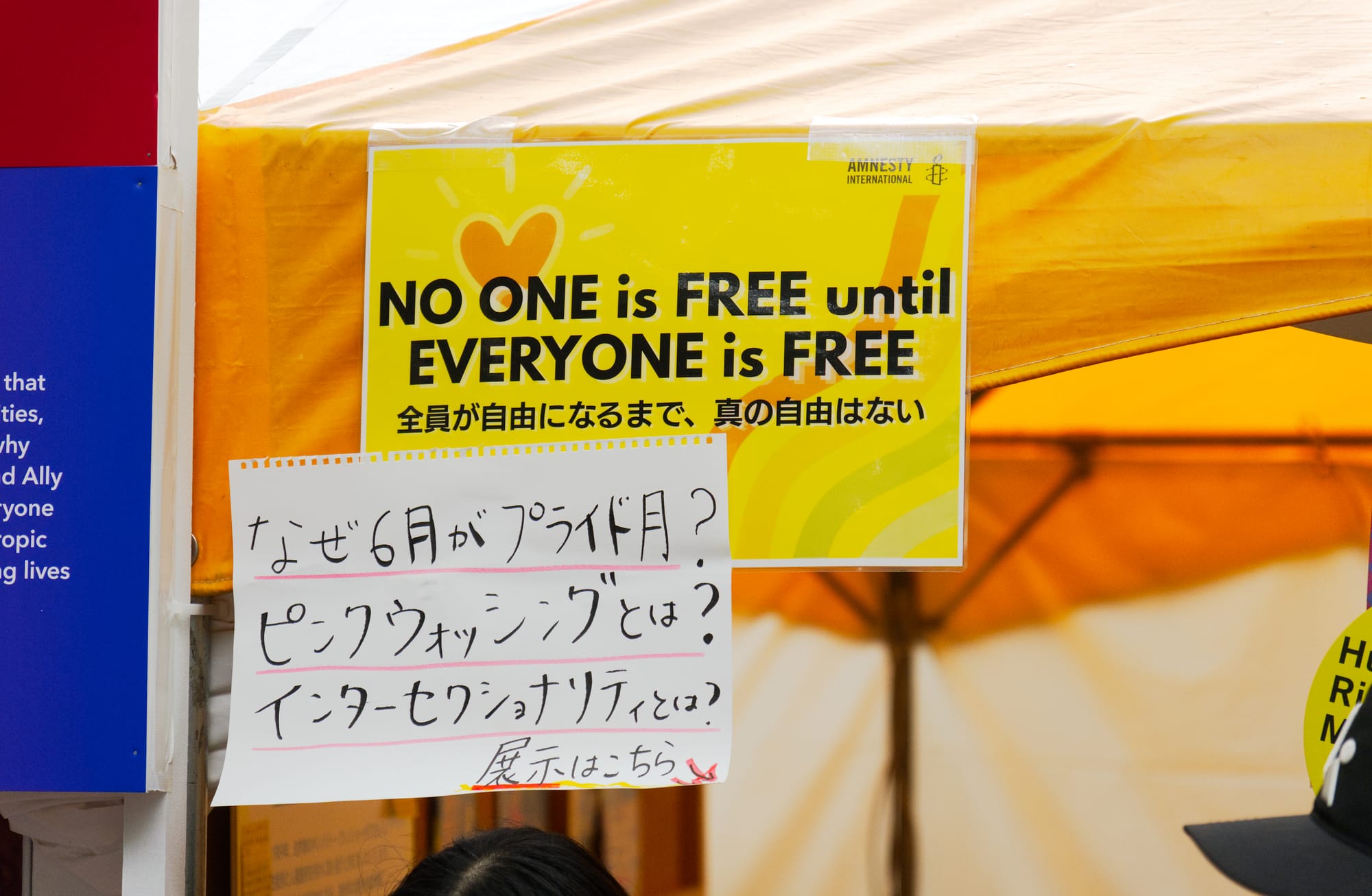
Further notable was not just the companies that were present at this year’s event, but those that weren’t. Companies like Oneness and Pfizer were particular notable in this aspect, their presence as consulting and medical firms with vague pushes towards LGBTQ+ equality without actionable steps or public interest taking any focus at their booths offered little more than vague notions towards support without actionable policies on how the company is supporting the community. The question of rainbow capitalism was a point of controversy for the presence of companies like these, to the point that Amnesty International used their booth to define and discuss the issue alongside the intersection between human rights and LGBTQ+ rights on an international scale.
Similarly apparent when wandering the open event space were the companies not present. Over the last thirty years a number of long-term Japanese supporters for the event returned to show their support at this year’s show, such as energy drink maker Lifeguard and NHK, who brought out a rainbow-themed Domu mascot. Many countries, especially European nations, also made their presence felt in the diplomatic areas of the show.
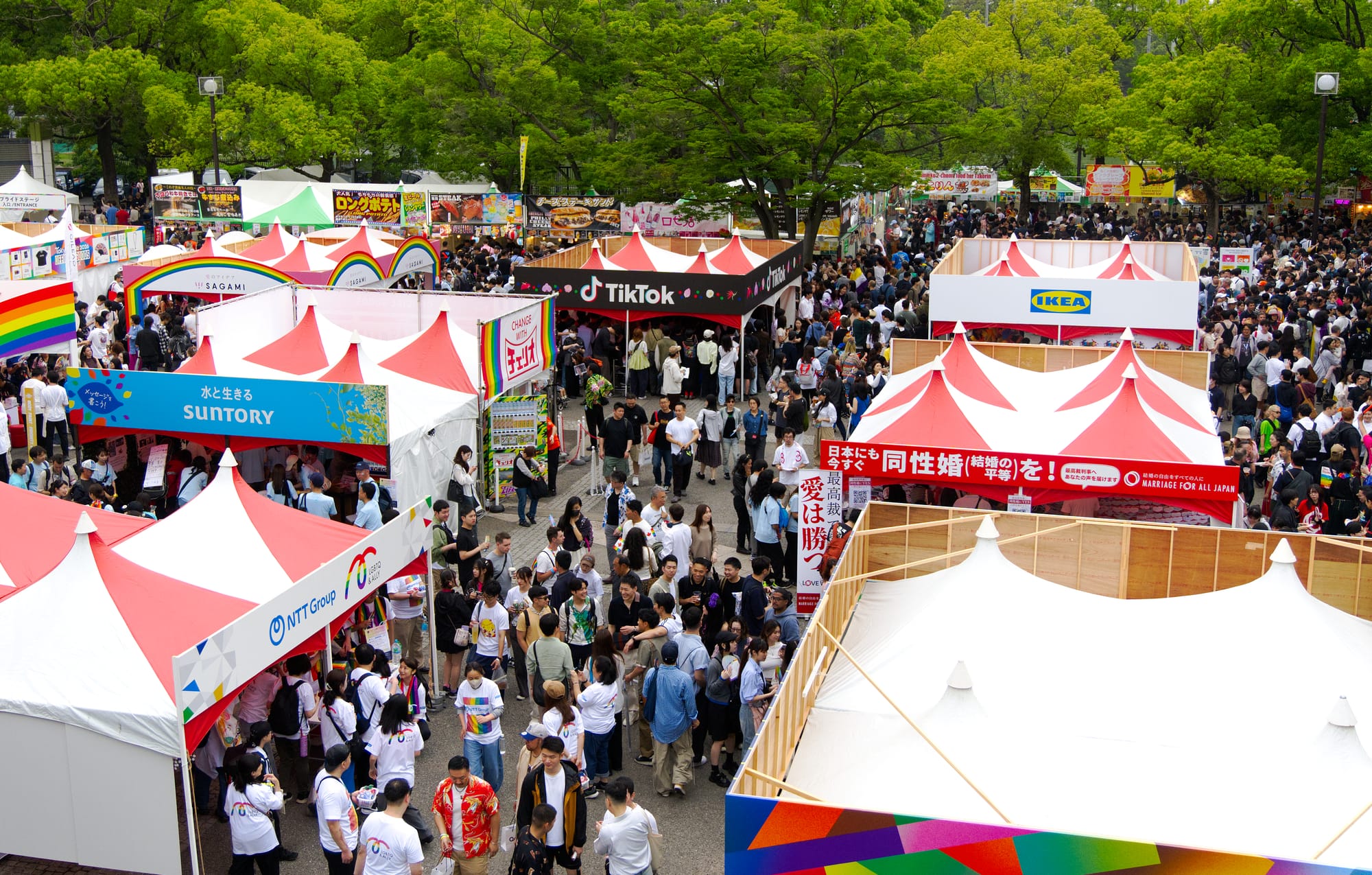
Still, the event could not escape the looming specter of international withdrawals in LGBTQ+ support spearheaded by shifting politics in the United States and other countries. Companies that often made an appearance in prior years such as Google were notably absent from attendance at this year’s event, in line with noted public policy shifts away from supporting Diversity and Inclusion Initiatives. Indeed, for all the Japanese companies (and the number of new companies) who gave their support and mad appearances at this year’s event, it felt also more isolated with many globally-recognized brands beyond IKEA and TikTok (and a small booth for Warner Bros) being almost entirely absent from this year’s show.
Which emphasizes the awkward state for which Tokyo Pride finds itself in as the primary event in a country bucking global trends as the country moves more towards LGBTQ+ acceptance. Though small, the space dedicated to local movements, queer businesses and activist movements to support LGBTQ+ individuals brought a diversity that can only be celebrated. On one side, independent long-running trans-focused magazines were present selling back issues and merchandise to support the publication of future issues. One group of young LGBTQ+ families was there raising awareness for child rights, knowing that even with current partnership systems shared rights over care for the child are not included in such agreements.
Yet it stands against an uncertain legal future and the inevitable influence of international politics even as domestic politics show a gradual move in the right direction.
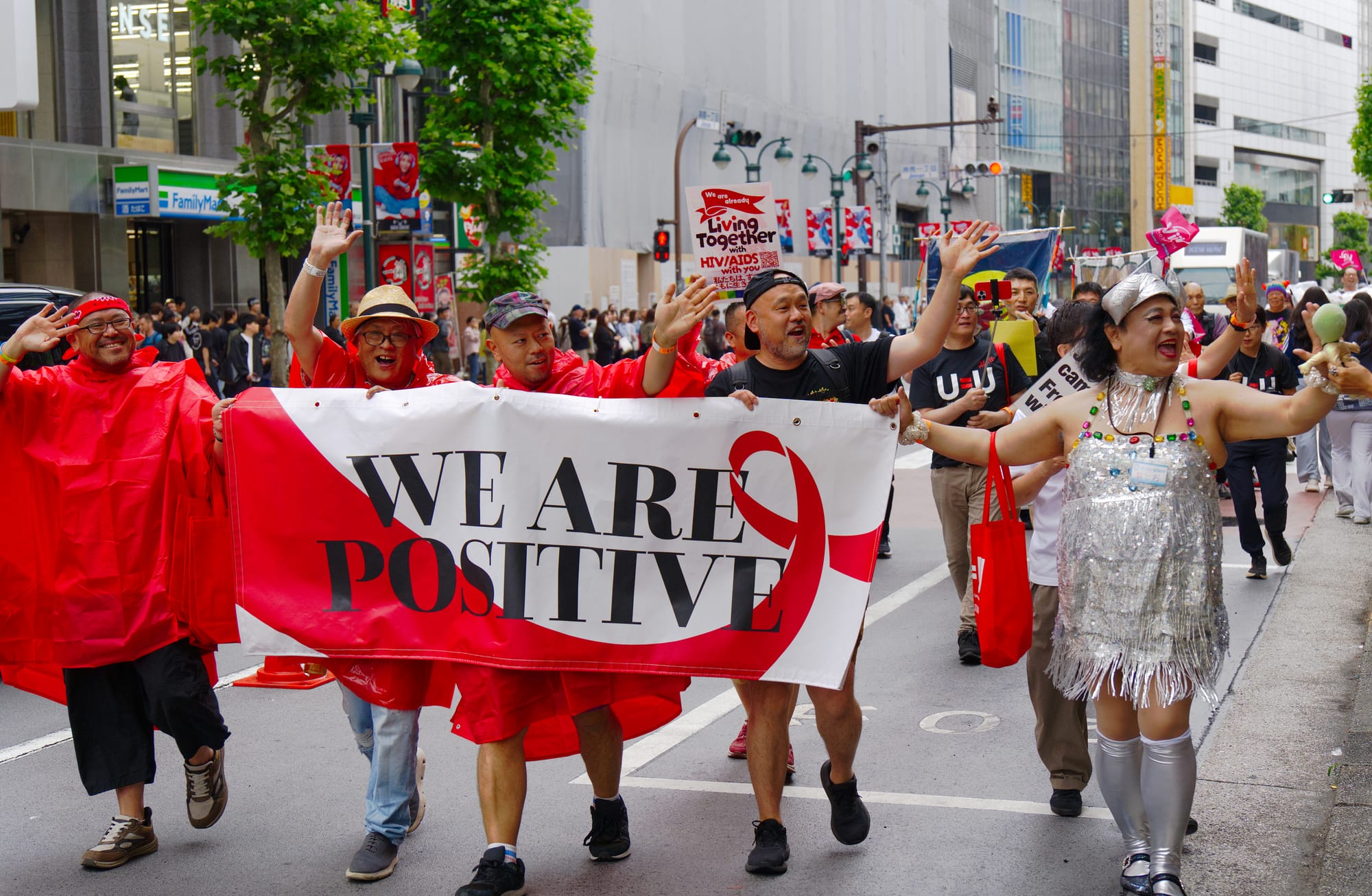
Nowhere is that more seen by just how popular the event was this year. For better and for worse, Pride is beginning to outgrow the event space it has used for many years in Yoyogi Park. With so many booths packed into a condensed space and over 250,000 visitors over the two days once again this year, at times it’s hard not to feel the best experience of Pride can be found away from the cramped food and corporate booths of the main space and in nearby gatherings. Many queer groups of friends and strangers used the main park as a chance to meet and talk, the mere presence of a Pride event just a few steps away giving them the confidence to be open in ways they may not otherwise be. Rainbow flags were present even in other areas of Tokyo, and though Shinjuku’s famous gay district of Nichome is always a popular post-event spot during Pride weekend, it has rarely been busier than the people who poured into the streets that weekend.
This felt like the end of an era. Because whatever legal decisions are made, the shifting politics will make next year’s event a very different affair to the one found this year. Perhaps it will be the ultimate party to celebrate the legalization of marriage, or the start of a new fight that breeds a more radical event than has been present in shows of recent years.
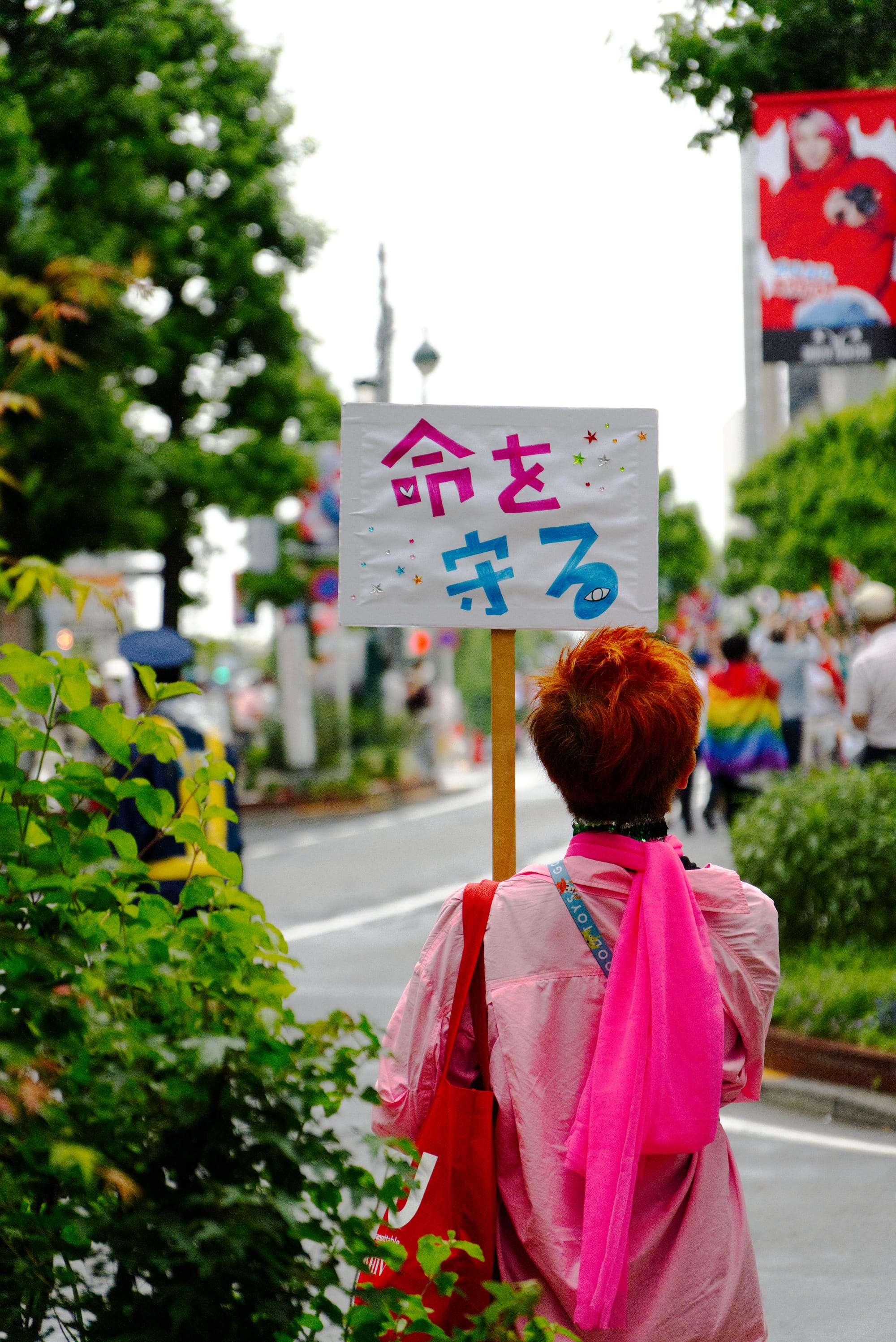
It will return next year, because Pride is still important. As the Parade marched through Shibuya and Harajuku, crowds of onlookers would wave and interact with the strangers they cheering them on from the sides of the street. One person stood there holding a sign simply noting that Pride was for all. That person later joined the parade itself, as I watched them march with the crowd in a later procession a short while later. For all there are issues many have noticed, and for all the future is uncertain, there will be a reason to celebrate and fight next year, and for that, Pride will always have its purpose. In its earliest events it had little more than a few thousand attendees and is now one of the biggest Pride events in Asia, encouraging smaller Pride parades to be founded across Japan in its wake.
Tokyo Pride is bustling, and Tokyo Pride is here for anyone, no matter whether you’re closeted or open about your gender or sexuality. In a country where its often encouraged not to stand out, for one weekend, people can truly say they belong. That matters, and no matter what comes next, people will continue to stand in that place.