Blue Boy Trial is a revelation, but just as much for its production and the people behind and in front of the camera as it is for the story being told.
Out now in Japanese cinemas, Blue Boy Trial tells the true story of the 1960s legal case that made gender reassignment surgery for transgender people essentially-illegal in the country for almost three decades. At a time of social reconstruction and the impending Olympics and World Expo that were set to take place in the country, politicians in Japan sought to show the country’s best face to the world as the spotlight turned to the country for the first time since World War II. Part of this involved dealing with the open prostitution and selling of sexual services on the streets of major areas, but this couldn’t happen everywhere.
A growing queer scene boosted both by genuine intrigue of touring groups of gender-ambiguous performers from places like Europe and a queer and gender-non-conforming subsection who found a collective home in major cities in the nightlife and gay bars and through underground print publications fell outside of existing laws through which Japan could put its foot down.
Transitioning or transgender women, those for whom lacked this word at the time and most commonly referred to as blue boys, could have physically or altered their birth sex but, due to the lack of laws that allowed for legal gender recognition, continued to be designated male on legal documents. Laws in Japan only prohibited women from selling sex, so even though some of these people in order to survive were falling under this category, they couldn’t be prosecuted.
Their attention went elsewhere, arresting the doctor in charge of carrying out these surgeries and accusing them of breaking laws related to the sterilization of these women for conducting these surgeries. The legal question could prevent the surgery from being conducted and forcing these women even further into the edges of society.
The verdict didn’t find these surgeries entirely illegal, but presented such high barriers to eligibility and risks for doctors conducting surgery that it took decades for another to legally take place. Even now, the current legal rights for trans people in Japan is complex and lacking. Despite the setbacks of this case, that doesn’t make this a story worth ignoring, and the resulting film eloquently explores the topic not from an angle of exploiting their strife for cisgender sympathy as such stories on queer history often follow. Instead, Blue Boy Trial tackles this period of history from a point of accessibility for general audiences while still centering its trans protagonists and their lived experiences. It's wonderful.
This makes sense when you meet the creators behind the film. Director Kasho Iizuka is a transgender man who made his directorial debut with Our Future, a story about a school-age trans boy going through the struggles of not being seen as the gender they identify with. The trans women in the film are also portrayed entirely by transgender actors, an unfortunate rarity in the industry. Lead actress Miyu Nakagawa, playing Sachi, featured in a documentary chronicling her gender transition and made her acting debut in the lead role, while Izumi Sexy and others also offer stunningly-raw and careful performances throughout the ensemble cast. Speaking to the Foreign Correspondents Club of Japan shortly before the film’s release, Iizuka and Nakagawa appeared to answer questions about the movie, as well as the past, present and future of trans representation in the media and beyond.
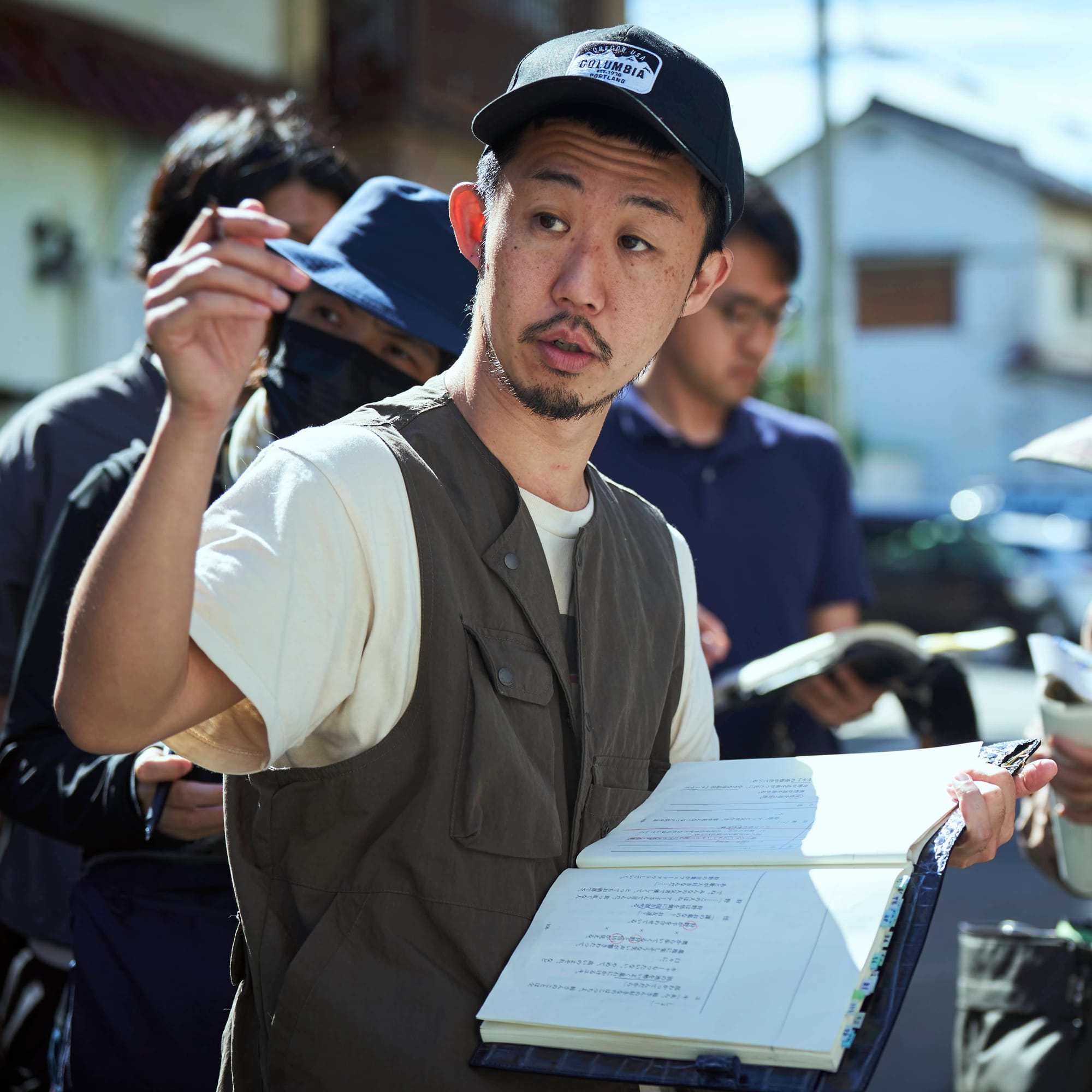
For Iizuka, the Blue Boy Trials themselves have been something he’s known about for some time, the current moment being what he felt was the right time to introduce the wider public to this aspect of Japanese queer history. “As a transgender man myself there was a point where I come to understand this aspect of my identity and started looking on the internet about various topics related to trans people. When you do that, one of the first things that would come up is the Blu Boy Trial, though at the time I didn’t look into it too much and just knew something had happened with it. Today, though, while in recent years same sex partnerships were recently made legal in Shibuya ward and people are beginning to sing the praises of diversity, for many the LGBTQ community are still thought of as some new concept that just appeared.
“I felt it was important to tell this story on the fact that queer people have existed for much longer, and ensure those histories aren’t lost.”
Representation of trans people in Japanese media has been mixed in the post-war era. While dedicated queer publications have existed in niche areas, the mainstream for much of this era has presented queer identity as something of ridicule. They would be the end of the joke on Japanese variety TV shows, or given unfavorable depictions. It was only during the 1990s through coverage of the first surgery since the trials and portrayals of transgender characters from a more sympathetic perspective through TV dramas like 3-nen B-gumi Kinpachi Sensei that this begun to change. Yet even in more recent films like Midnight Swan, many times these transgender character are being performed by cisgender actors, excluding actual trans people from their own stories.
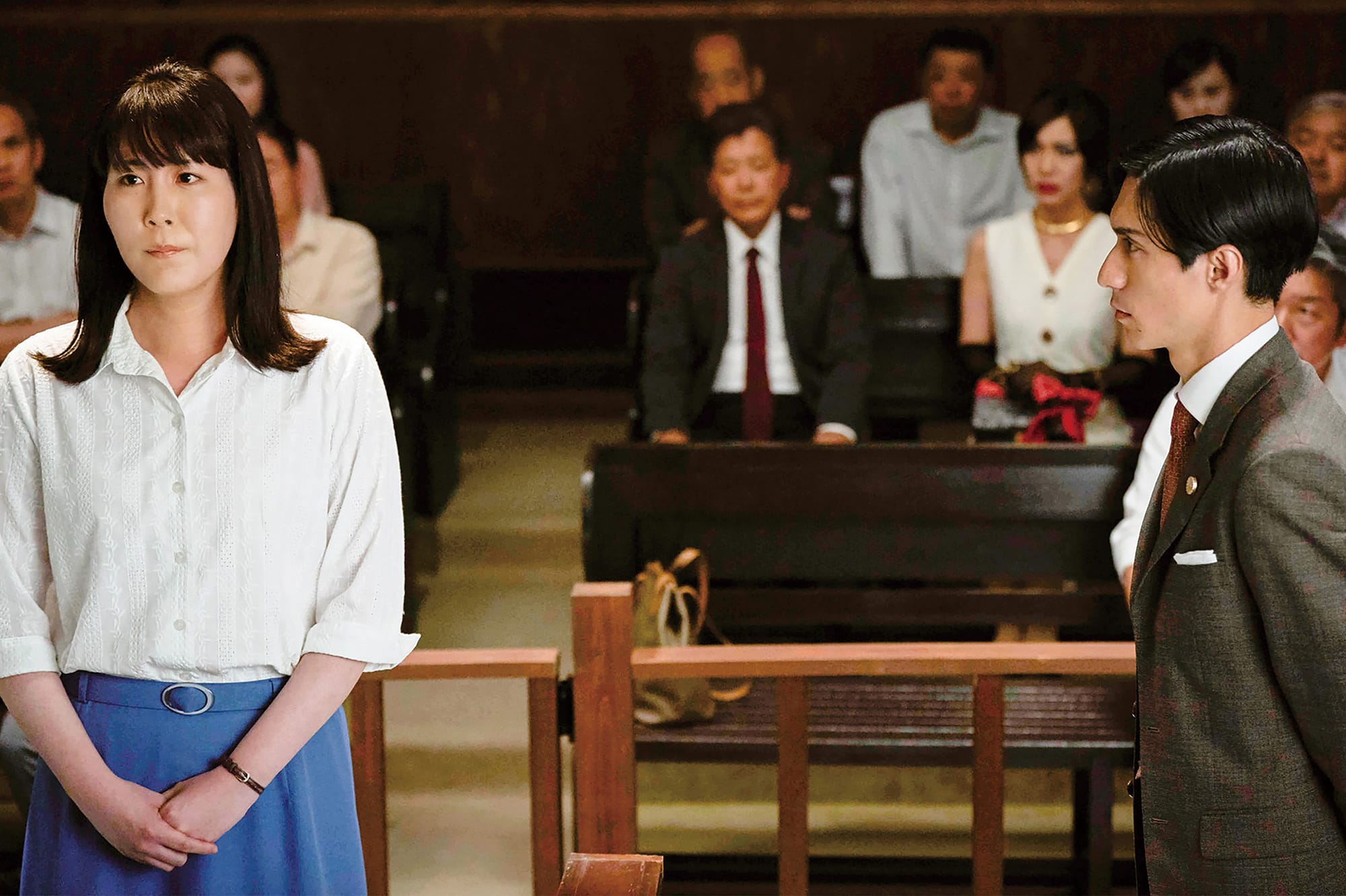
In casting for the roles, this fact was taken deeply into account by Iizuka. “I think what makes this film different from a lot of queer media of the past is that despite it being a major release, it is being made by queer people with a largely queer cast. As a queer person myself, I remember growing up wishing that I would see more people that could serve as role models for myself at depicted in the media, and I remember the discomfort that I would feel in queer depictions because often they weren't coming from people from queer backgrounds. I’m hoping that this will allow people to understand this as another way of making queer media.”
Alongside being a film told by people from the community, access to primary material and interviews with those who lived through this era were key in bringing the film to life. “ There are court documents that are publicly available regarding this case, so I started by reading those,” explained Iizuka. “At the time of this trial there was also a lot of newspaper and tabloid reporting that became reference material, but I also thought it was important to bring in the very specific values and perspectives of queer people that actually lived during that time. So I reached out to people through the queer community and I was able to interview in order to write this.”
Any form of queer media, more so queer media with such an inclusive and representative production, is a rarity, often deemed a risk by producers. Japan is not an outlier to this. To even get this produced saw discussions occur only after Iizuka presented the script to the team at KDDI as part of a screenwriting competition. What’s often overlooked is the question of where there’s common ground for non-queer audiences in these stories, and both trailers and the thematic throughline of Blue Boy Trial tackles this effectively.
In one scene, the judge turns to Sachi and asks one simple question: are you happy? The case revolves around whether this surgery is legal and one of the core defenses centers on the constitutional right that people have the right to pursue happiness if it doesn't infringe on others. It would be easy to say yes, but the answer is always complicated. Even if you are, it might not be in a way suited to others. It leaves audiences with much to think as they leave the cinema, and was a topic the creative team considered deeply during production.
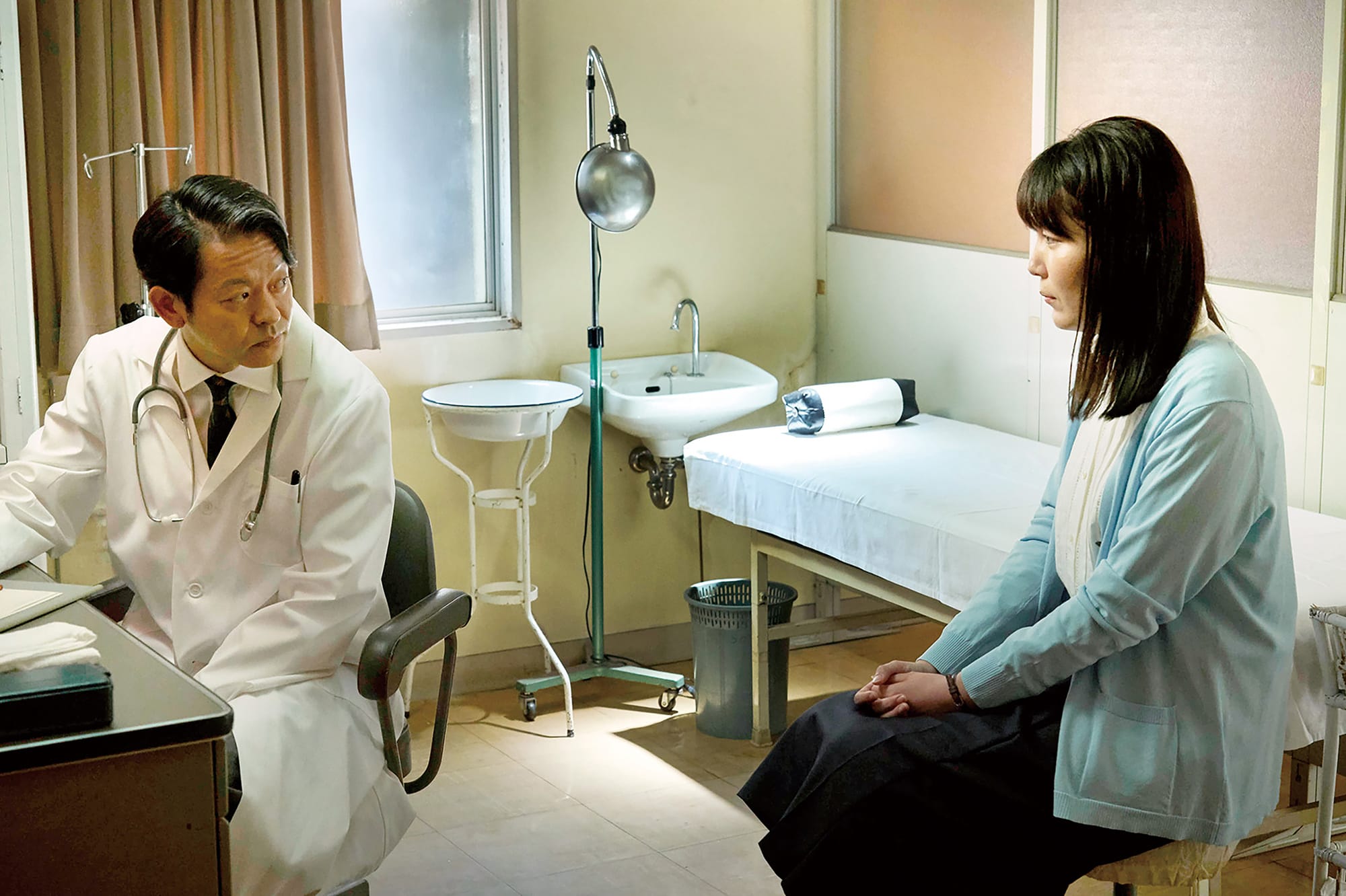
“This line is my reason for writing this script,” Iizuka admitted. “I was assigned female as birth at, at birth, and in the pursuit of finding a way to live a life that is most like myself, I decided to transition to male. Once I transitioned, however, I realized that men have to wear their own armor, and that even becoming a man meant I still had to struggle with how others perceived me and the experience of being a man. Then on top of that, as a transgender person, I also realized that there were preconceptions of how a transgender person should be. Where I've landed is that yes, I am happy, but my happiness is my own, and I think that we need to continue to affirm that there are many kinds of happiness, even if it isn't the same for others..
Nakagawa, as the woman playing the character responding to this question, was left thinking a lot about this question even after production of the film had finished. “When that line comes up, I’m sure that most people in the audience were wondering what that could mean, what is happiness? I don't think I have the answer to that question, but I do think that everyone's idea of happiness is different. And that’s a great thing because it lends to the idea that everyone is unique and everyone has their own color. If I spoke to the director about my own happiness, he might wonder whether that really made me happy, but I think in that lies a lot of humanity.”
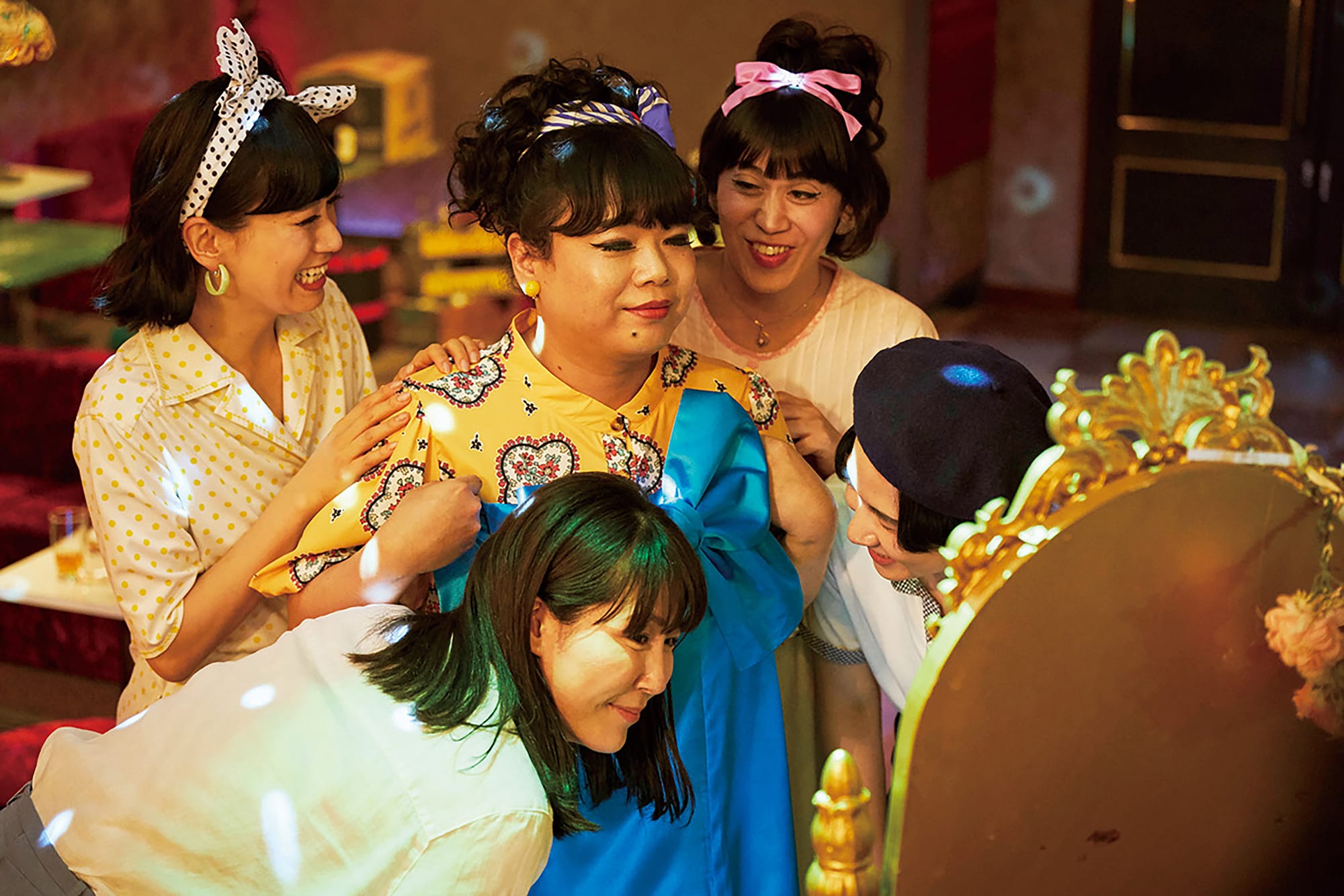
The point of producing Blue Boy Trial was to create a film where these stories could be told in a way accessible to a general audience while educating on the complexities of living life while trans both then and now. Even as situations have improved, it's equally clear just how much is still needed until true equality is earned. For example, in the film Izumi Sexy’s character is opening a bar, a space for queer people to congregate and perform and live openly, but at the time spaces like this were the only space to be free within your identity.
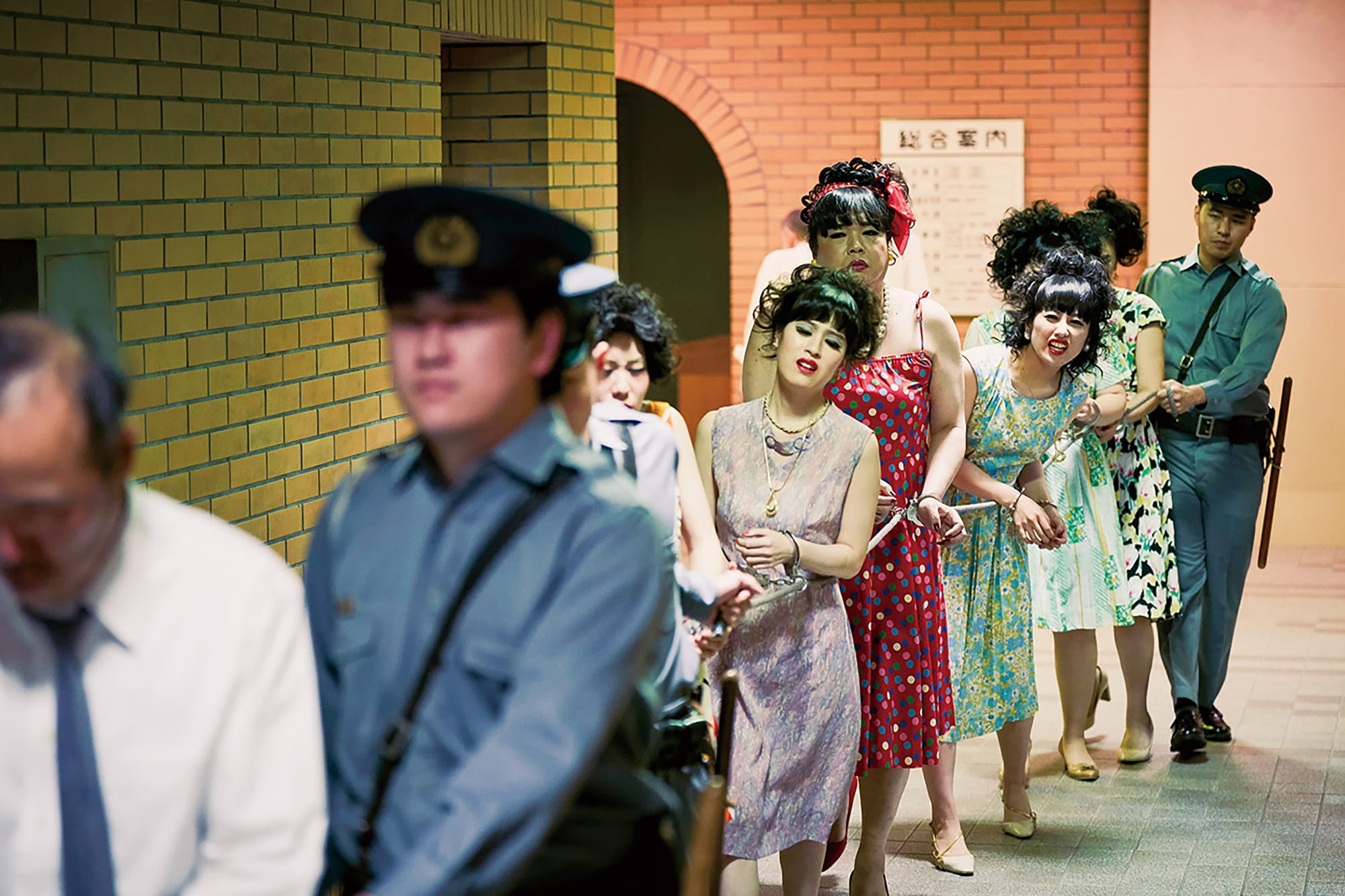
The rooftop above this bar serves as a wonderful contrast to the rest of the film, an ordinary space with open queer expression that only now, and even then not entirely, but showcases the camaraderie that has been core to the queer community then and now. According to Iizuka, “One thing I wanted to highlight in this film is the differences in the kind of spaces where queer people could exist freely. You have the scene where the women are on the rooftop doing their laundry, but then you see that contrasted with the trial scene where there are observers who are heckling them, or how outside that safety it can be dangerous. I wanted to use this as a tool to describe these differences between now and then.”
As the conversation came to a close, it was clear just how much of a challenge it was bringing Blue Boy Trial from initial scripting and conception to the big screen. Yet it's also clear how much everyone involved willed this film into existence, and how important it is that the film releases now, at a time when political shifts leave LGBTQ+ individuals in Japan continuing to fight for equal rights and recognition. To move forwards, sometimes its worth looking back. Hopefully, in the process, this is just the start of queer people earning the right to tell their own stories, and being recognized for their work.