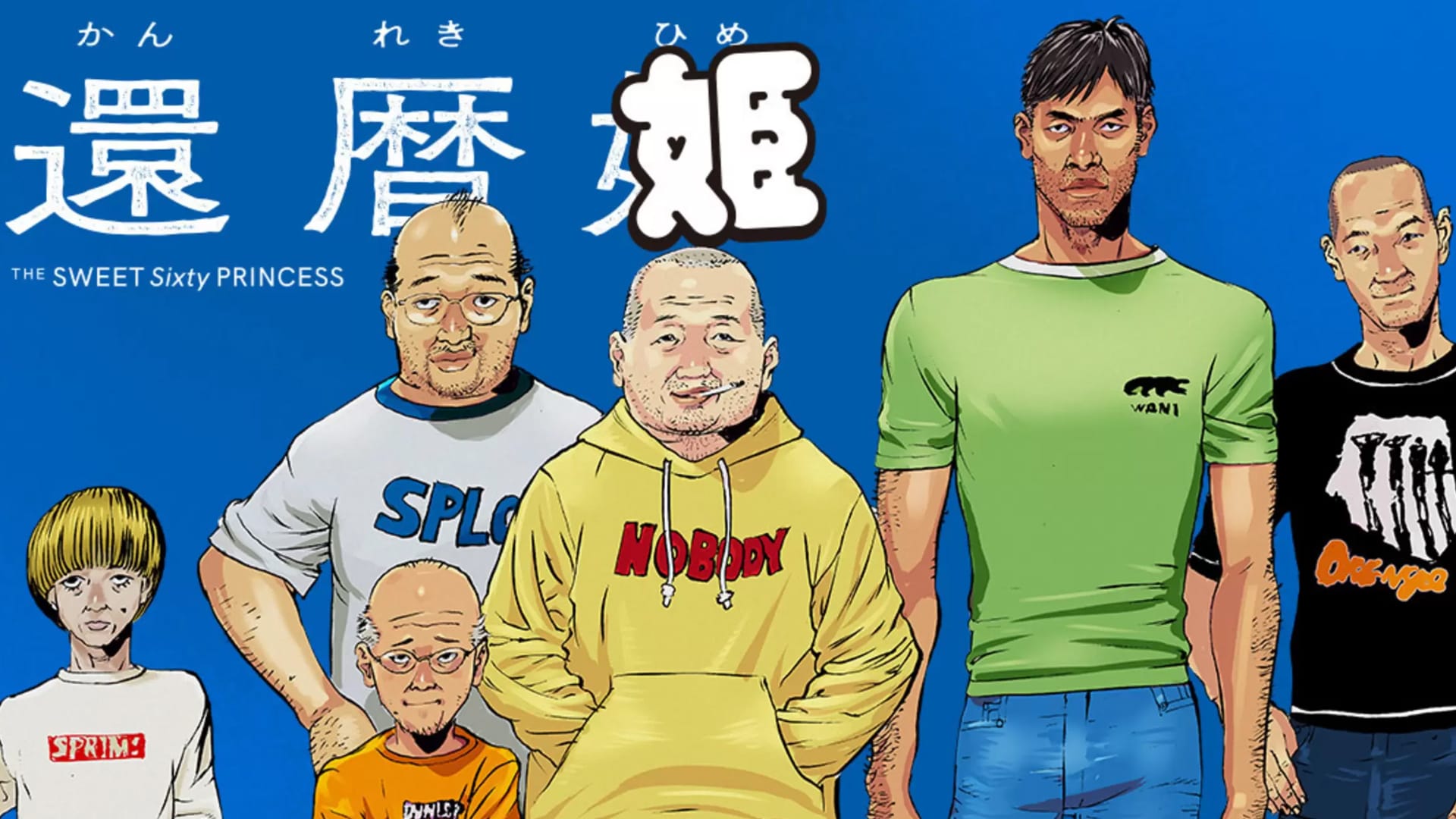
The promise of a new Hiroya Oku manga always brings with it a degree of uncertainty. Will one of manga’s most unique, maddest voices stumble on yet another compelling combination of mainstream action cinema influence with heaps of scathing societal commentary à la his masterwork Gantz, or will sheer horniness and lowbrow taste win out as did in his most recent completed series Gigant? Both those unfamiliar with the manga artist or who have only seen his flesh-rich risqué Gantz-girl pin-ups, of which he’s taken to retweeting AI recreations as of late, might be shocked to hear indeed every Oku manga exudes pathos and intention, striving for a degree of realism amidst their Sci-Fi set ups. With Kanrekihime, Hiroya Oku’s newest series in his nearly 40 year strong career, the self-professed “inventor of the nipple blur technique” manages to assault on new lines; Otaku self reflection.
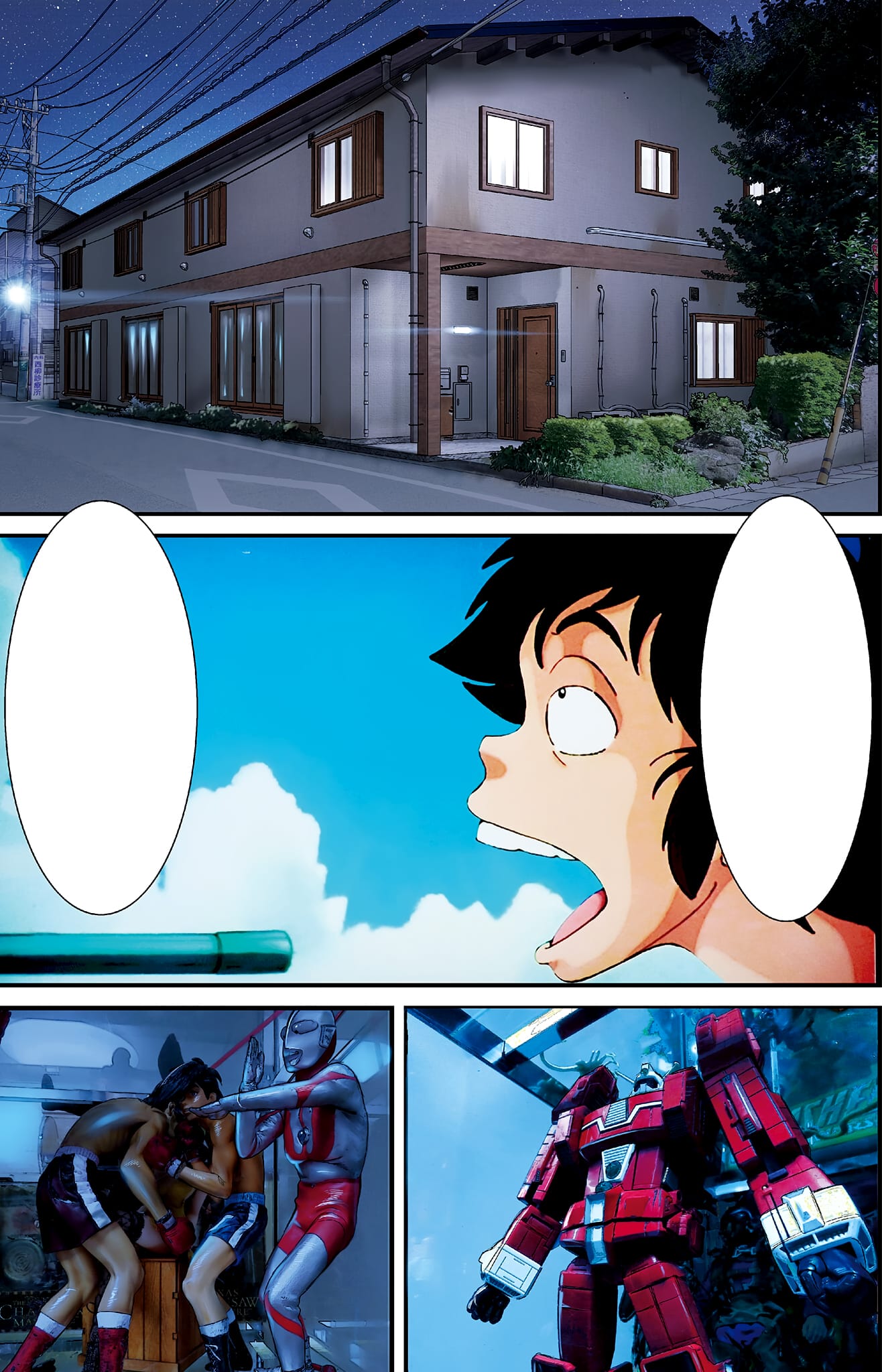
Kanrekihime comes out guns a-blazing from page one; The very first thing this manga offers the reader is two off-screen characters remarking “Today’s Urusei Yatsura huh?” “Yep, we’re watching Beautiful Dreamer,” complete with an actual used-with-permission screenshot from the film. On the same page in the lower right corner panel, a Space Runaway Ideon model stands proudly in a display case, the sequential left lower panel offering both Ultraman and Tomorrow’s Joe statues. Knowledged, scholarly weeaboo types may know Urusei Yatsura 2: Beautiful Dreamer isn’t just any old anime franchise tie-in movie but instead a Mamoru Oshii helmed otaku generation defining cult classic revered by fan and cinephile alike. Similarly Space Runaway Ideon, the show animation studio Sunrise and Gundam creator Yoshiyuki Tomino directly followed up the original Mobile Suit Gundam with, while not as big a hit as its predecessor specifically influenced a generation of animating creatives in Japan; Both inclusions overtly intentional choices.
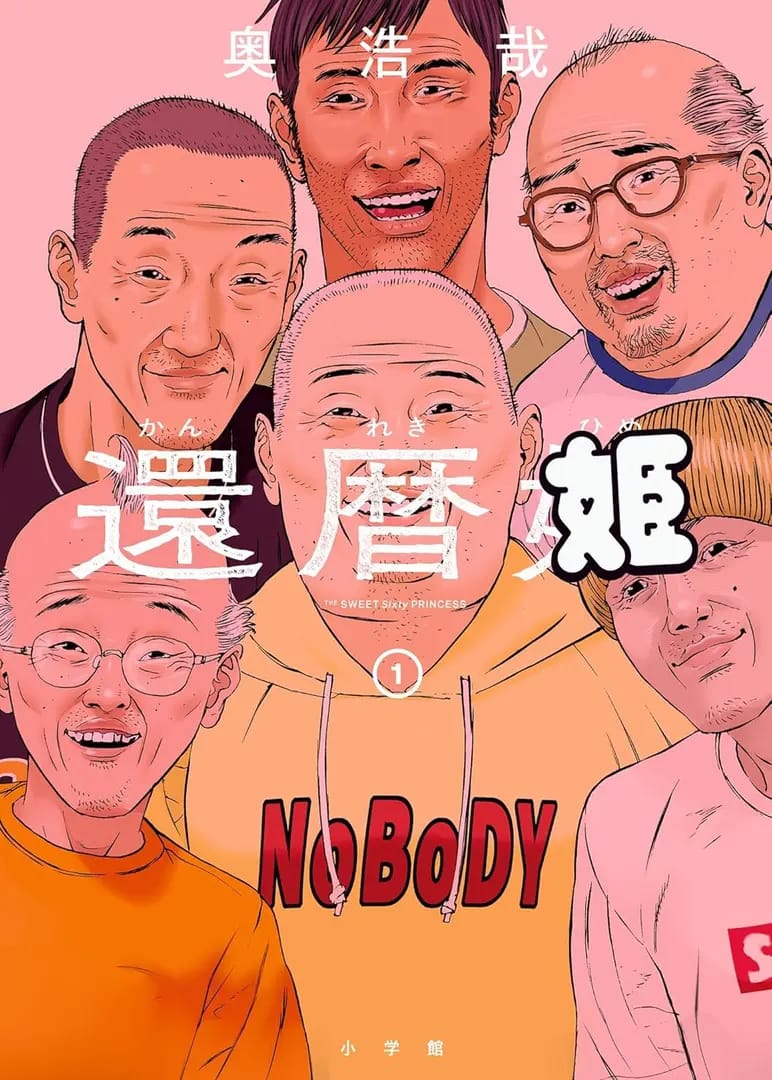
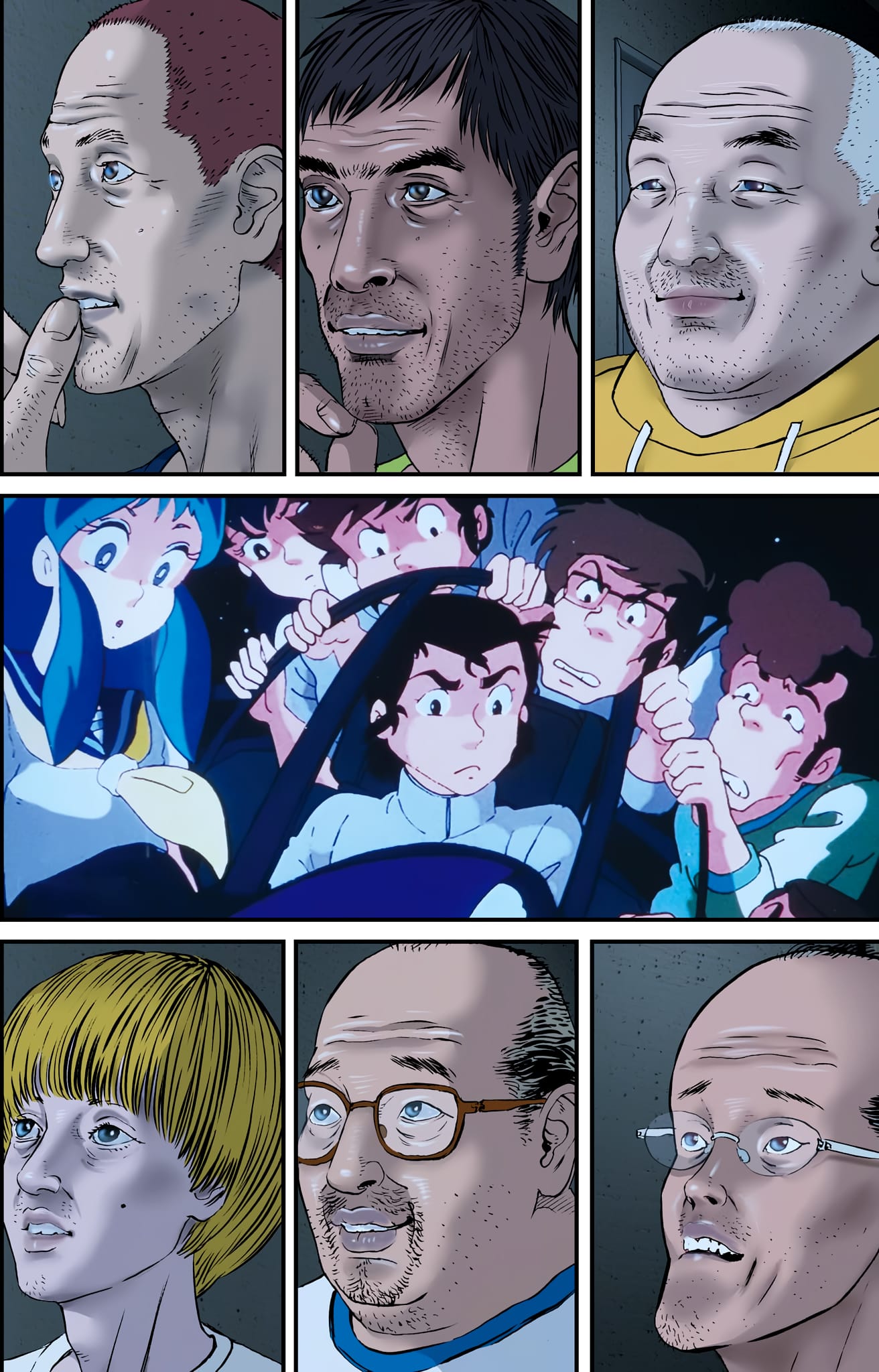
The view splashes out on the following two-pager to reveal a group of six men watching Urusei Yatsura 2: Beautiful Dreamer in a room filled with anime figures amongst other otaku paraphernalia. Finally Kanrekihime closes out its opening four color pages with one last screenshot of Beautiful Dreamer and close-ups of each of the six of its onlookers; Eyes wide with wonder as television light enriched with visions of Lum flicker over their faces, taking in the seminal otaku classic as a true believer does a church sermon. None of those men are young nor are any of them handsome, though in this moment they are together and seemingly self satisfied. Before the reader can draw any further conclusions about what type of life these men may lead, they shuttle off to a family restaurant to partake in sacred post-film otaku debate, which eventually breaks down into loud proclamations like “Without Ideon there wouldn’t be Evangelion!” and “You can’t forget about Osamu Dezaki!” Both of these platitudes writers of articles like this one routinely preach.
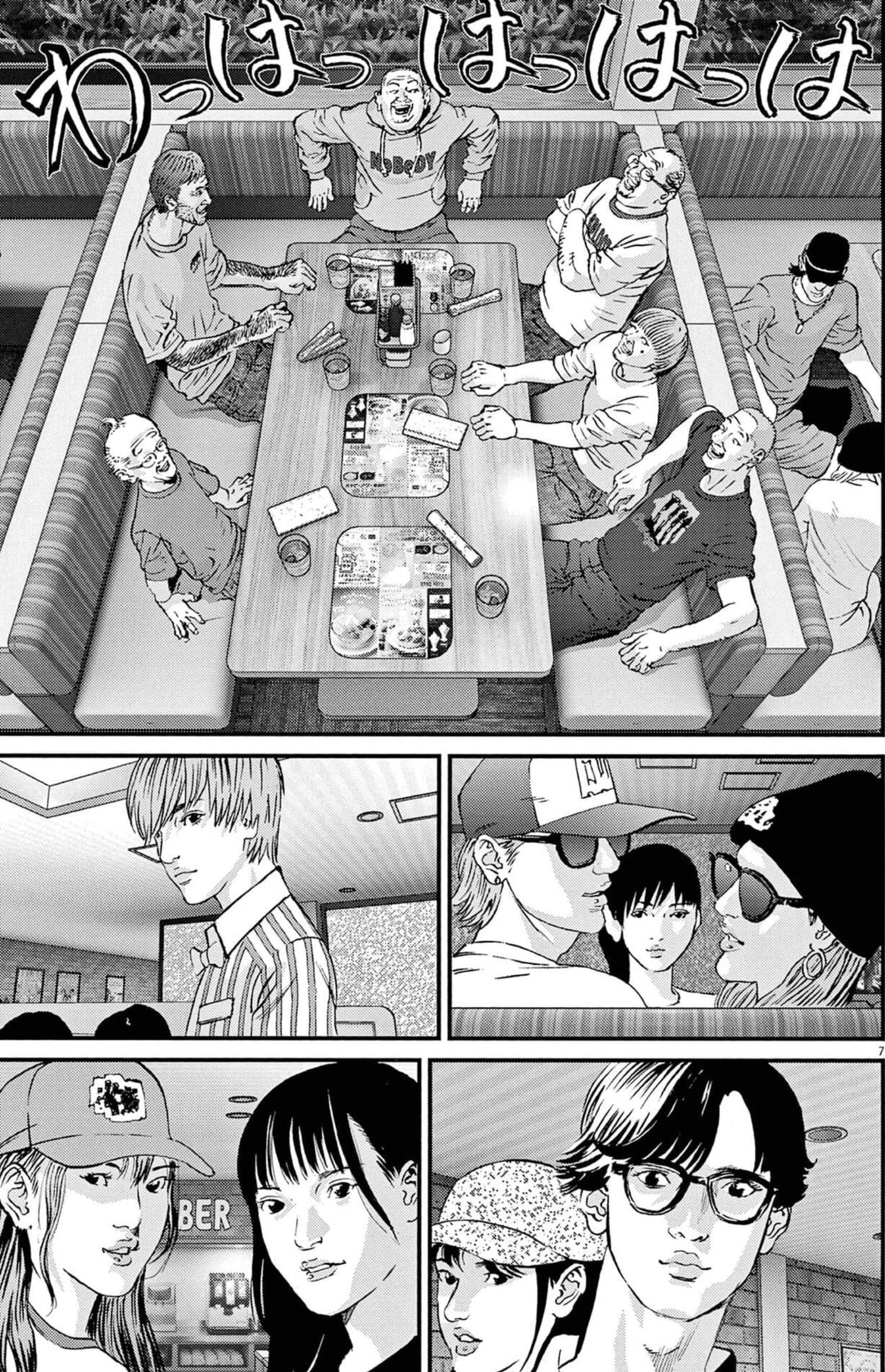
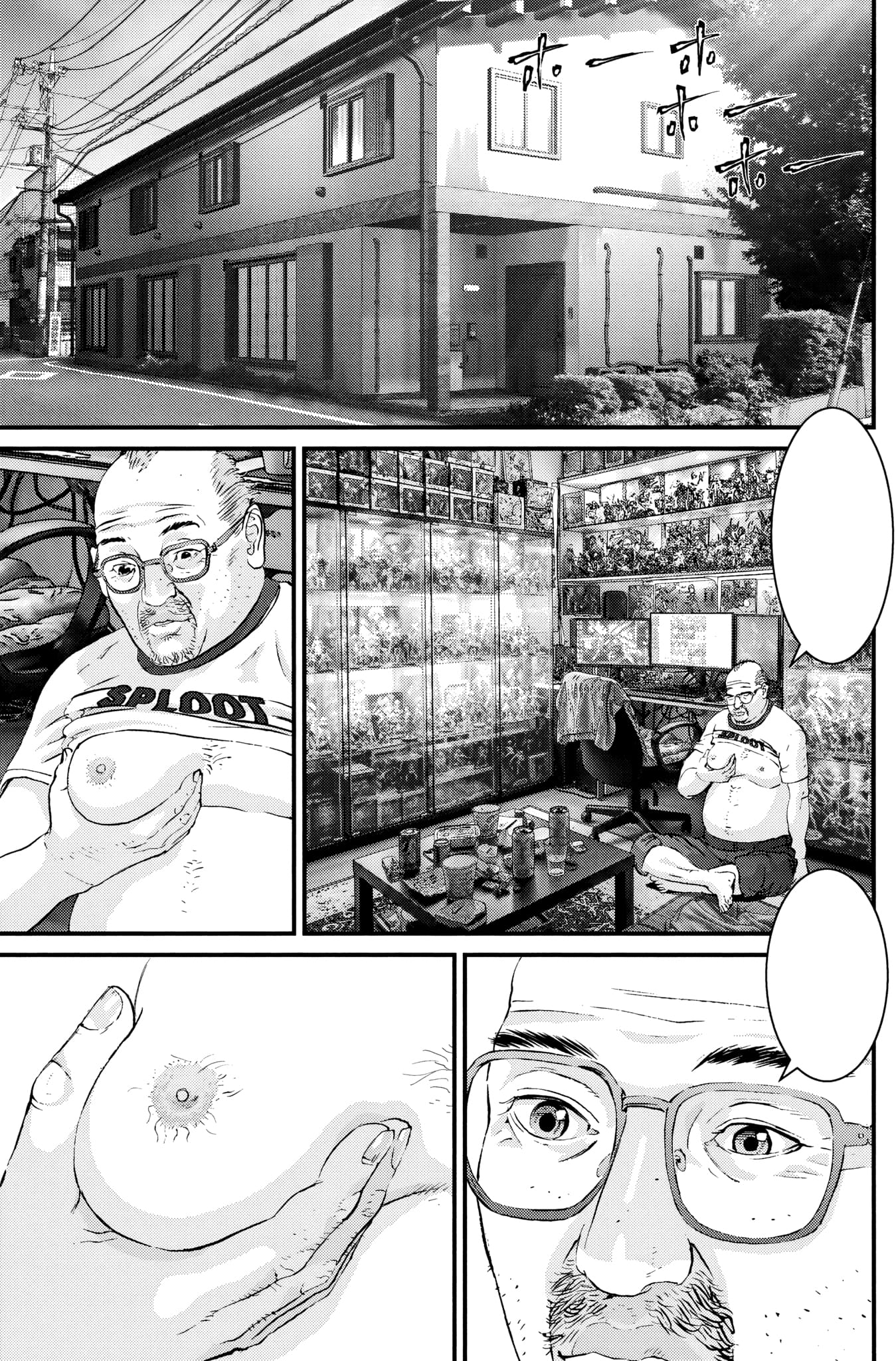
Hiroya Oku shoots his first bullet here and now, before barely five pages of the manga even pass. As the otaku six loudly chuckle on, an entire family restaurant gawks at the nerdy cohort gathering with a frigid mix of bewilderment, pity, and most pointedly contempt. Not until a young waiter checks on these elder geeks with some visible disdain do the six snap back to reality, a rude reminder that they themselves exist on the outskirts as they sullenly slink back home to the sharehouse they all call home. It’s in this safe-haven, this collection of small but secure studio apartments in which each of our collective maintains the freedom to express themselves through interior decoration, that we see each of the six has their speciality; An old-school idol otaku carrying a decades long obsession for his oshi, a guy chatting it up with VTubers every night, a figure collecting maniac, and so on.
To be very clear, Kanrekihime isn’t picking on the exaggerated caricatures of anime nerds one might find in Di Gi Charat or individuals so far gone anime pervert rabbitholes they commit unspeakable crimes a la Welcome To The NHK. It matter-of-factly portrays a group of nerds who could never really connect with people and society at large, opting consciously or not to further a dependence on their respective slice of otakudom. Where most series might portray a socially awkward high school nerd who eventually finds his place, Kanrekihime holds up the mirror at the very real phenomenon of those who never did, even as they descend through the back half of their lives; Day in day out through their 30s, 40s, and even their 50s, squeezing whatever little solace left they can out of each other and their subculture clutter while in private admitting to the pains of loneliness, dissatisfaction with their lives, and even discontentedness with their physical bodies.
Oku’s not saying its wrong to like anime and other ephemera in similar lanes, but he likely doesn’t approve of its acolytes dedicating their whole lives to their “gospel,” a somewhat contradictory take coming from a professional manga artist who prides himself on how well he draws cartoon boobs. One might be wondering at this point “this all seems rather tame for the guy who made Gantz” but we’ve really only covered the introduction to Kanrekihime. From here, the otaku uncles decide to enrich their hollow lives by forcing one of their own to ingest a drug that will permanently turn them into a cute young woman in hopes that said addition of cute young woman to the unc circle will fix their problems while coloring their lives, otaku logic at its finest.