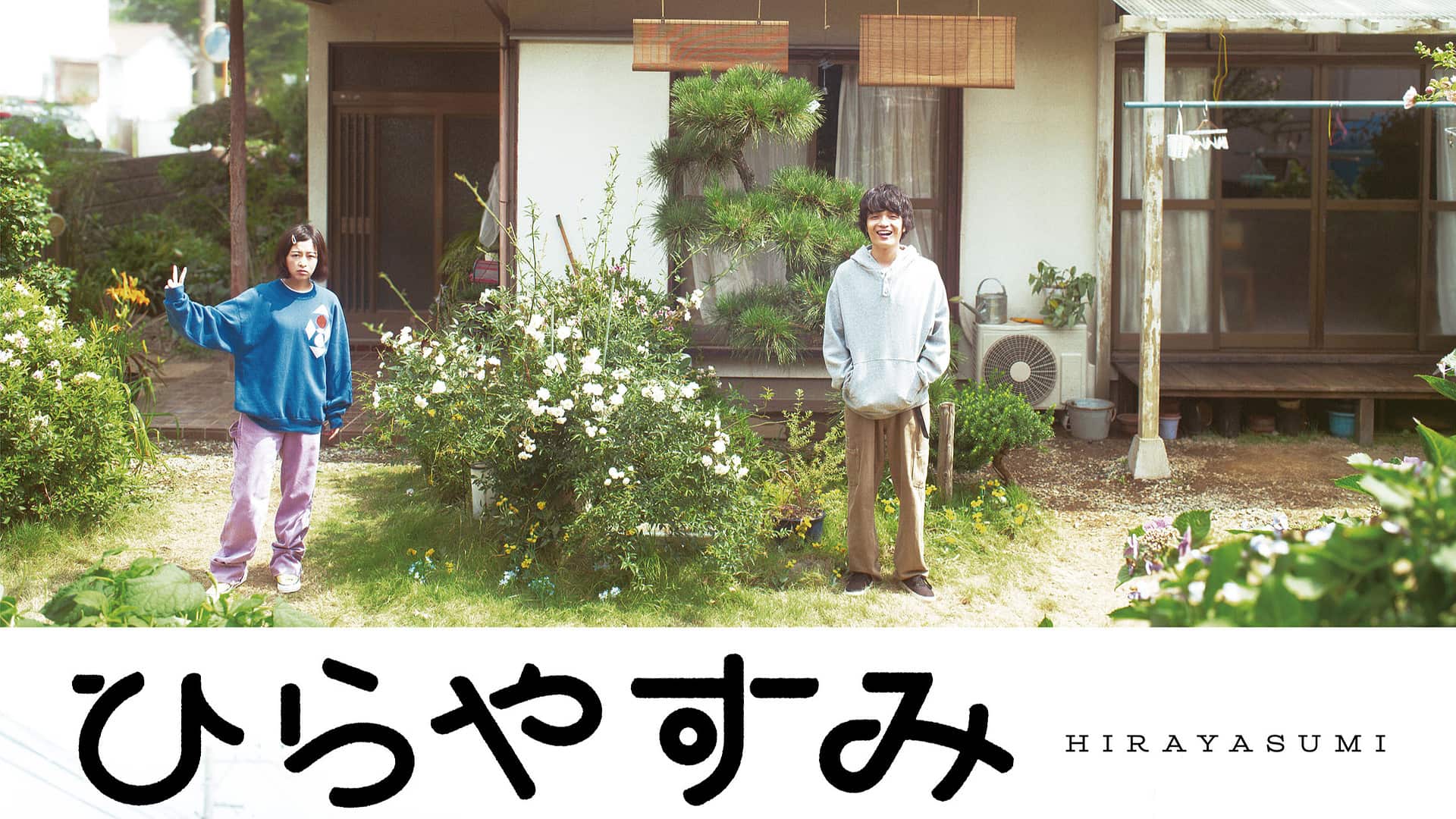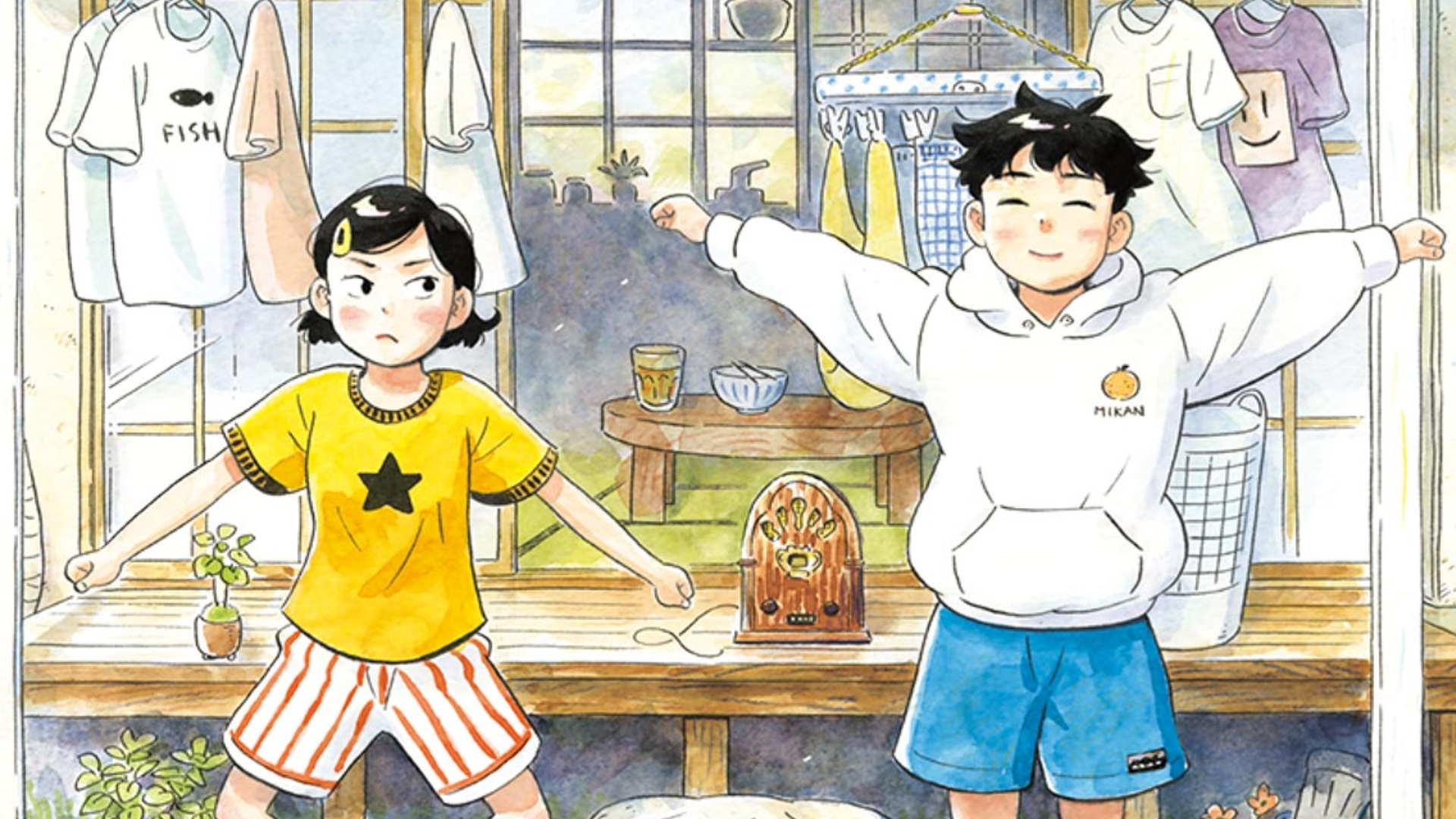
Hirayasumi with its soft, human touch has been racking up the accolades since manga artist Keigo Shinzo debuted the charming work centered around life in west Tokyo in 2021. Taking first place in the now defunct “Bros Comic Awards” in its debut year to multiple placements in yearly list end publications in 2022, a “best serialized comic” victory at Italy’s “Lucca’s Comics & Games,” and what we thought culminated with a Shogakukan Comics Award victory just this year but turns out Shinzo’s got himself 2026 Eisner Award nominations for both Hirayasumi and his previous Tokyo Alien Bros; International recognition and instant reappraisal of his earlier works manifested instantly after his first big hit, Shinzo already boasting a more than a decade of professional experience by the time Hirayasumi. What made this manga demand the attention of critics and fans alike? A healthy dose of sentimentality and local flare.
Hirayasumi: daily life in the slower pockets west of Shinjuku
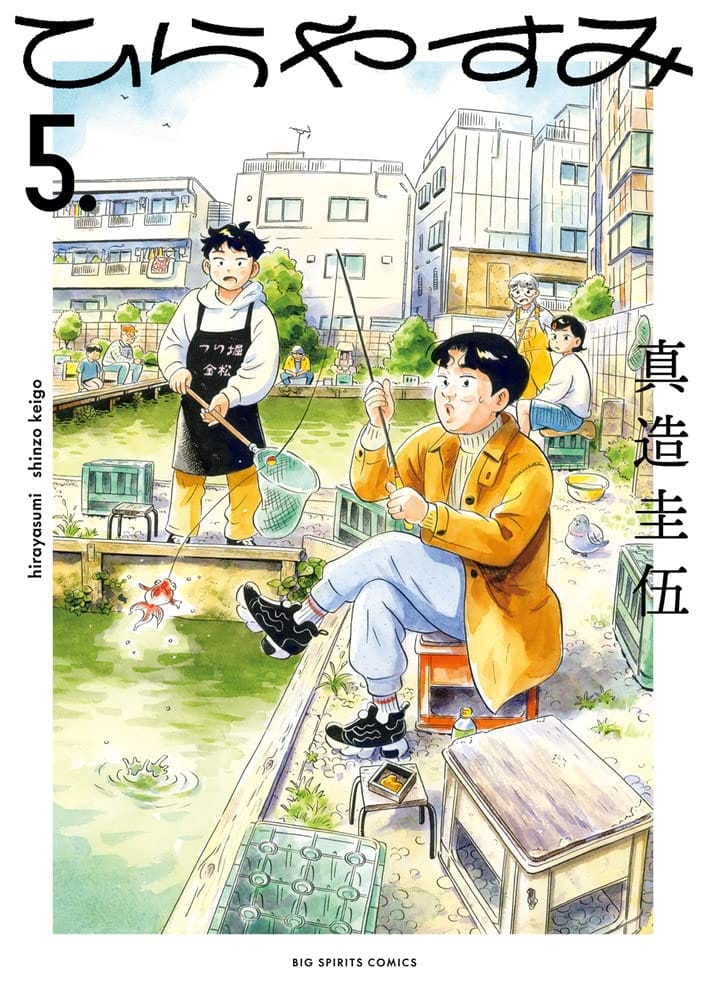
Largely set in the homey chuo-sen neighborhood of Asagaya and some of its nearby station hubs like art punk haven of Koenji and the always fashionable, rich in culture Kichijoji, Keigo Shinzo taking great pains to accurately and cohesively portray these Tokyo notables, Hirayasumi achieves a tangible sense of place in its pages, a cozy one at that. Also essential, the practically ensemble cast adds heaps to that palpable sense of local neighborhood splendor, the manga full of demographically 18-34 somethings you could meet in real life; The manga taking from the likes of Genshiken and 2000s era Inio Asano, its pages filled with realistic personalities all in their own way trying to suss out a way forward in the world.
Hiroto leads out the cast, a now nearly 30 year old former aspiring actor who stepped back from that dream and overlooks a small fishing pond. He lives with his college aged cousin Natsumi who attends an art school and harbors dreams to become a professional manga artist. They live together in a house smack-dab in the middle of Asagaya inherited from “Baa-chan,” an 83 year old woman Hiroto befriended through a simple accident and his caring nature. He never sought out anything from Hanae, their unlikely friendship explored in occasional flashback chapters, Hirayasumi at its best. A handful of other characters like the single early 30-something real estate agent our protagonist vies for and his best friend from High School, soon to be a father, pop in from time to time.
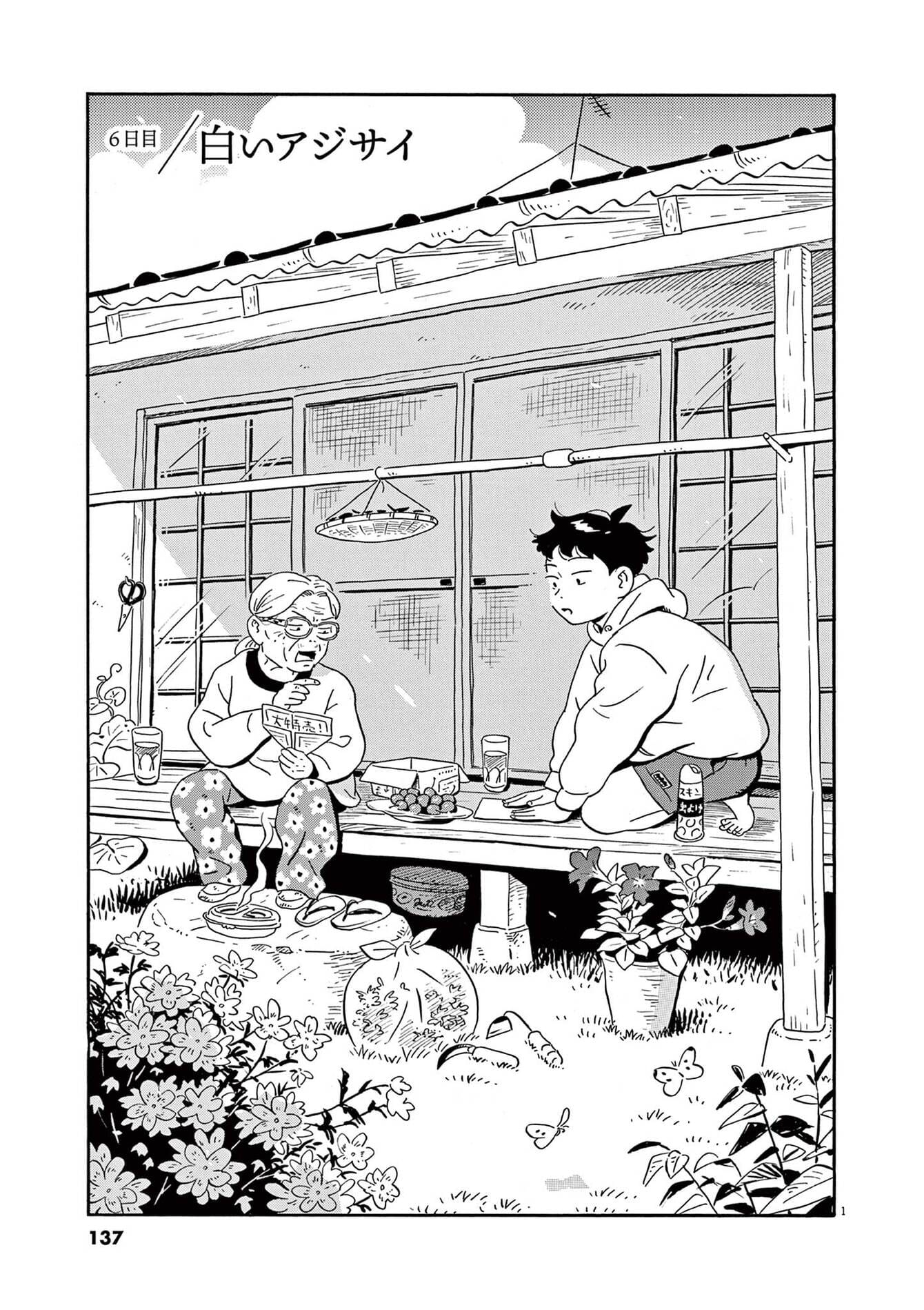
Here in the set up for the series alone one can see Keigo Shinzo’s heartwarming touch; A lonely old woman finds compassion in young Hiroto, and opts to better his life. In turn, Hiroto offers that good will to his 18 year old cousin, who at first laments living in a beat up home but through her own trials and tribulations comes to appreciate what her cousin and her surrogate Grandmother have done for her. These human connections, the machinations of individual lives and the benefits of what a bit of good will and positivity can do for a person, all play out in the tight-knit, residential neighborhood of Asagaya; The real world location itself helping to rekindle a type of human generosity and kindness in the hearts of its fictional residents, meaning really Hirayasumi couldn’t be set anywhere else.
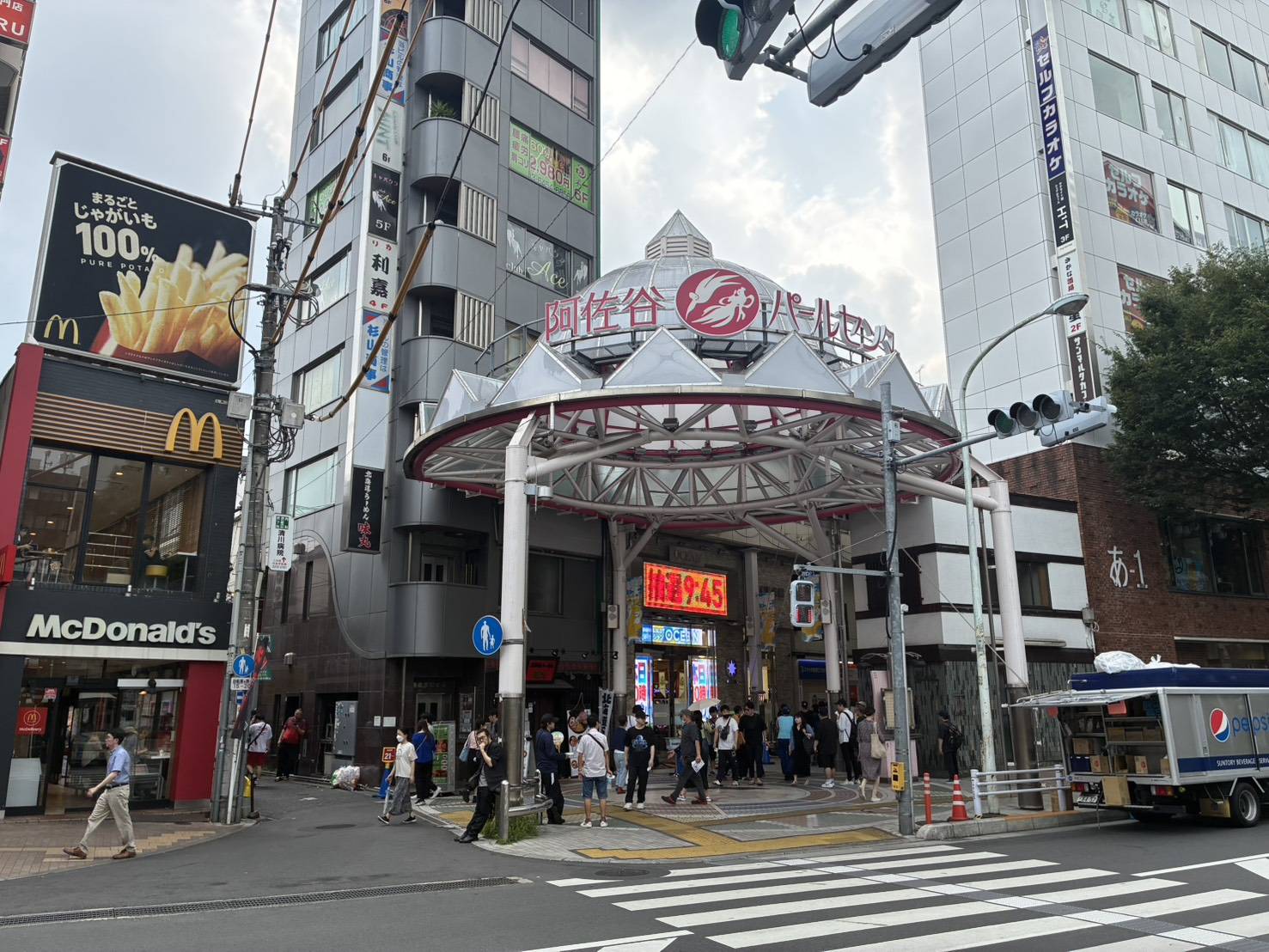
Less than ten minutes away from the Shinjuku hellscape, the quiet and unassuming Asagaya remains a funny little place, one absolutely apt for sublime and personable slices of life the Hirayasumi cast serves its reader. In addition to its laid-back residential quarters, the neighborhood does call two sizable shopping streets home, the neatly titled Pearl Center and Star Road, and you’ll find your mix of home goods stores and local eats, with a couple Kissa style cafes to boot. Asagaya does have roots in the arts, once being home to Osamu Dazai a novelist everyone in Japan has read amongst a number of other writers, the city became a hub for literary culture in the first half of the 20th century; The formation of a number of traditional theaters evolving from said culture, rather in keeping with Hiroto’s acting roots. A few blues & jazz spots still operate in Asagaya's largely peaceful chunk of Tokyo, though one can find a seedy street or two if they try.
Koenji fosters an outright wilder vibe than its western neighbor Asagaya, but it's the type of place that makes total sense for Natsumi and her art student cohort in Hirayasumi to visit; Hosting a handful small art galleries, a number of independent bookstores, plenty of vintage shops & out-there clothing boutiques, and even a couple live houses like Koenji High lining its numerous shopping arcades, the small town of Koenji practically oozes a creative, punk ethos. Historically being a neighborhood full of immigrants and artists, this Chuo Line stop right after the otaku city Of Nakano, Koenji maintains an friendly, down to earth street culture than manifests in the form of open air parties just about every night in front of the station; A very popular spot for art-type and students who’d rather drink cheaply in streets instead of paying Izakaya prices.
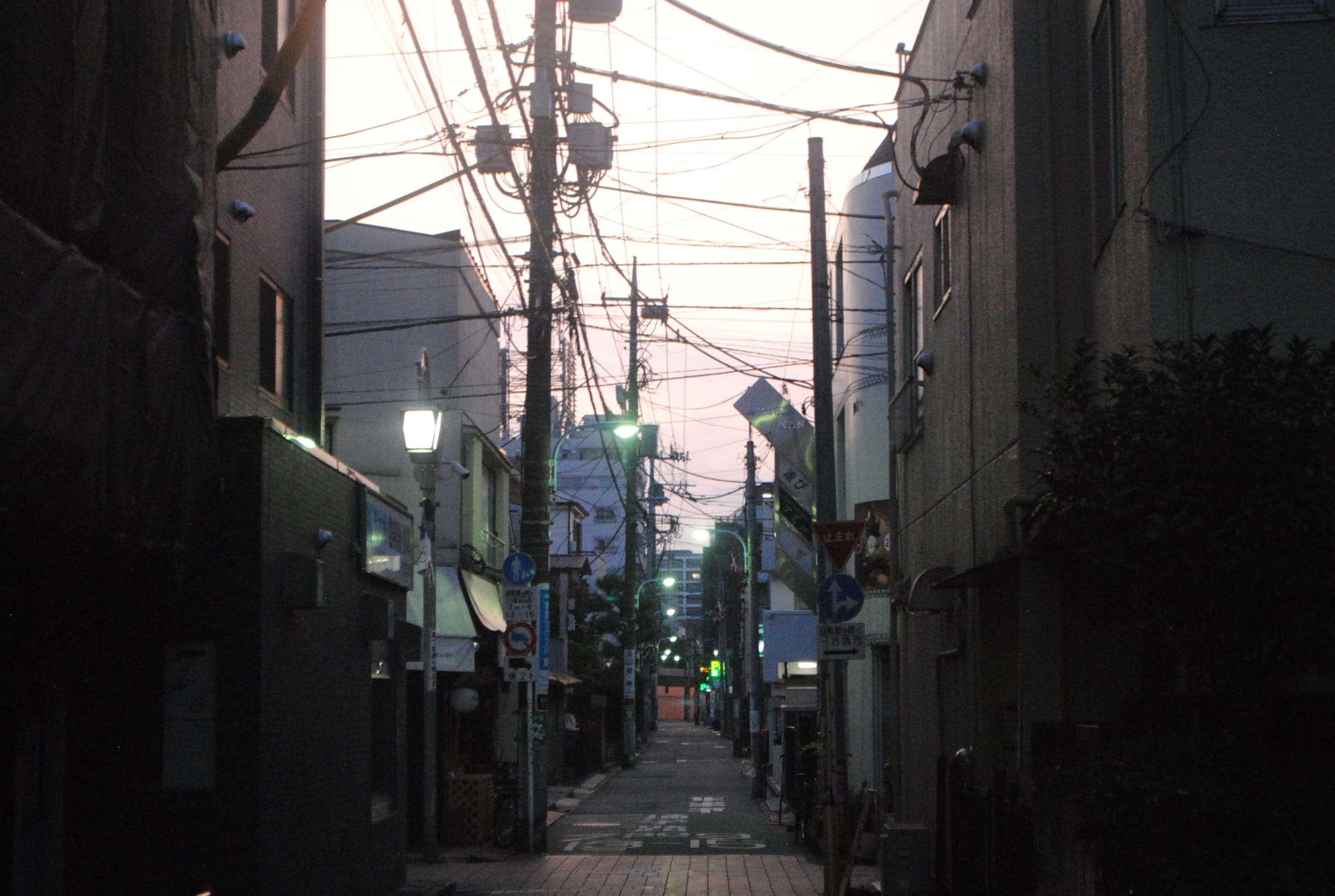
The Asagaya neighborhood & Hirayasumi’s characters are in perfect harmony
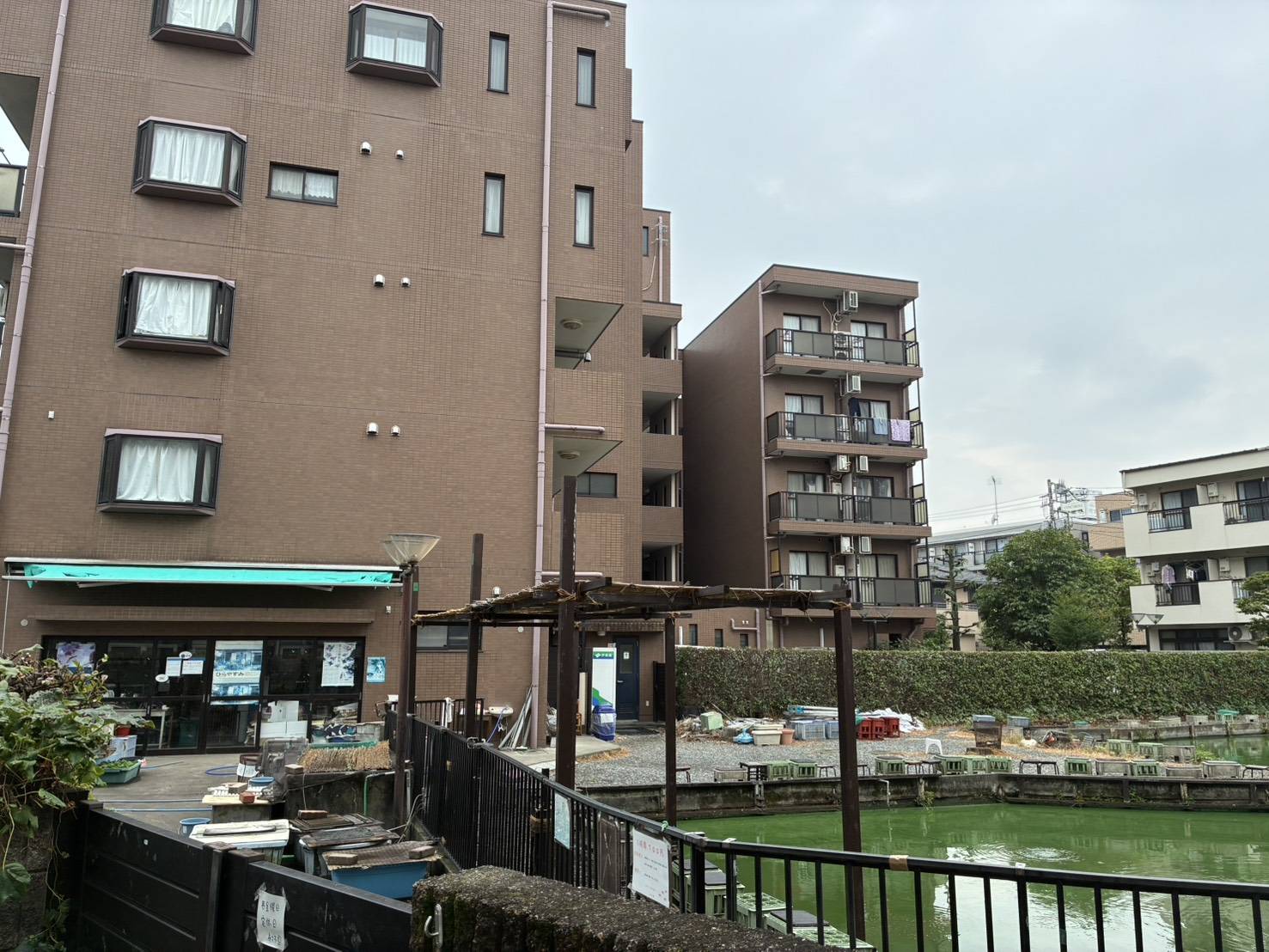
Perhaps it would be too much to say a tale like Hirayasumi couldn’t take place anywhere but Asagaya. Truth is Tokyo, not to mention the myriad other prefectures in Japan, hides away quite a full colorful neighborhood nestled between its tourist facing urban megacenters; Humble places where IRL Hirotos and Natsumis fluctuate between taking their lives day by day and trying to figure it all out. That said, many of these Chuo-Sen spots like Asagaya,Koenji, Nakano, and Kichijoji each do offer uniquity and a local flavor not quite found elsewhere, and Keigo Shinzo has labored to portray their brilliant, local qualities. Each page of the manga feels like home, a stroll through the backstreets of west Tokyo, a real human connection. Heck even the recent NHK Drama version, available stateside on Amazon Prime, captures the feeling pretty well.