Ghostpia’s visual novel roots come from a wistful desire to feel alive and connected within a place that seems so distant. And doujin team Chosuido are very aware of this. “Ghostpia is a work defined by wrongness. It repeats the idea it is okay to love what you want, even if it is wrong or against norms, that it’s fine to have a bad personality, because if you find a friend whom you can bond with over a shared hatred as much as the opposite, that friendship is to be treasured. It’s not ‘correct’, but does that make it worthless? Is it a mistake to hold such things close and cherish them?”
Even if you can feel alone and as though everything is wrong or against you, it doesn’t mean that it has no meaning. When you look back on the relationships of your past, the people you knew, the memories you created, there’s a sense that those memories and experiences could only have happened by existing in this world. Even if you feel like you’re drifting through it, or what you do is right or wrong. It’s nostalgic, but it’s human.
For those unfamiliar, Ghostpia started first as a small project by the doujin team in the early 2010s, with some of the group having first met during elementary and junior high school and being friends ever since. “After going from high school to university, those of us who still lived near each other after initially drifting apart from going to different schools got together again as a way to escape the pressure of entrance exams,” explains Chosuido of how the team formed. “Back then, through the subculture scene centered around Nico Nico Douga the idea of doujin games and activities had become familiar even to ordinary high schoolers, so we thought, if we give it our all, maybe we can make it somewhere!”
Their earliest works, made with very little programming experience in the team, were made under these circumstances, and without knowhow of how to create a doujin game and sell it to people, their initial efforts were mixed. Their first games, when they got the chance to exhibit at Comiket, sold zero copies, and with another, the cost of burning CDs and production meant that a repeat would leave them lacking even the money to get home (they sold 10 copies in the end, and got McDonalds to celebrate). After a few larger projects that went unfinished and self-admitted chaotic, disorganized doujin event preparations, they moved to releasing games on mobile and expanding to games of the ambition of Ghostpia today.
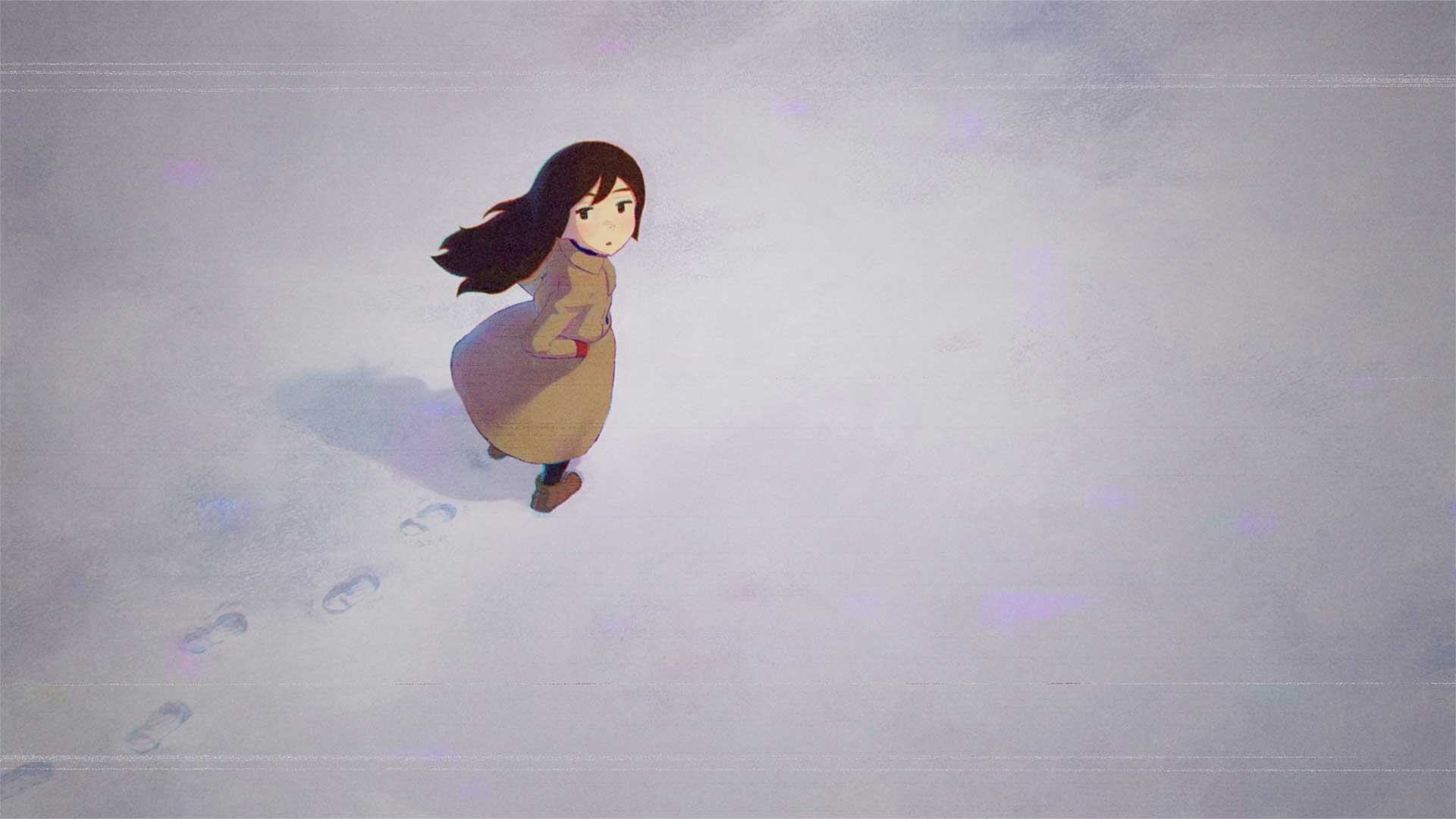
The game centers on a socially-awkward girl named Sayoko, living in a ghost town isolated by a terminal station covered in snow. It’s a ghost town, not because the residents are ghosts but because all are immortal, though can only go outside at night. Sayoko is one of them also, but finds herself ostracized from most until she meets Pacifica and Anya.
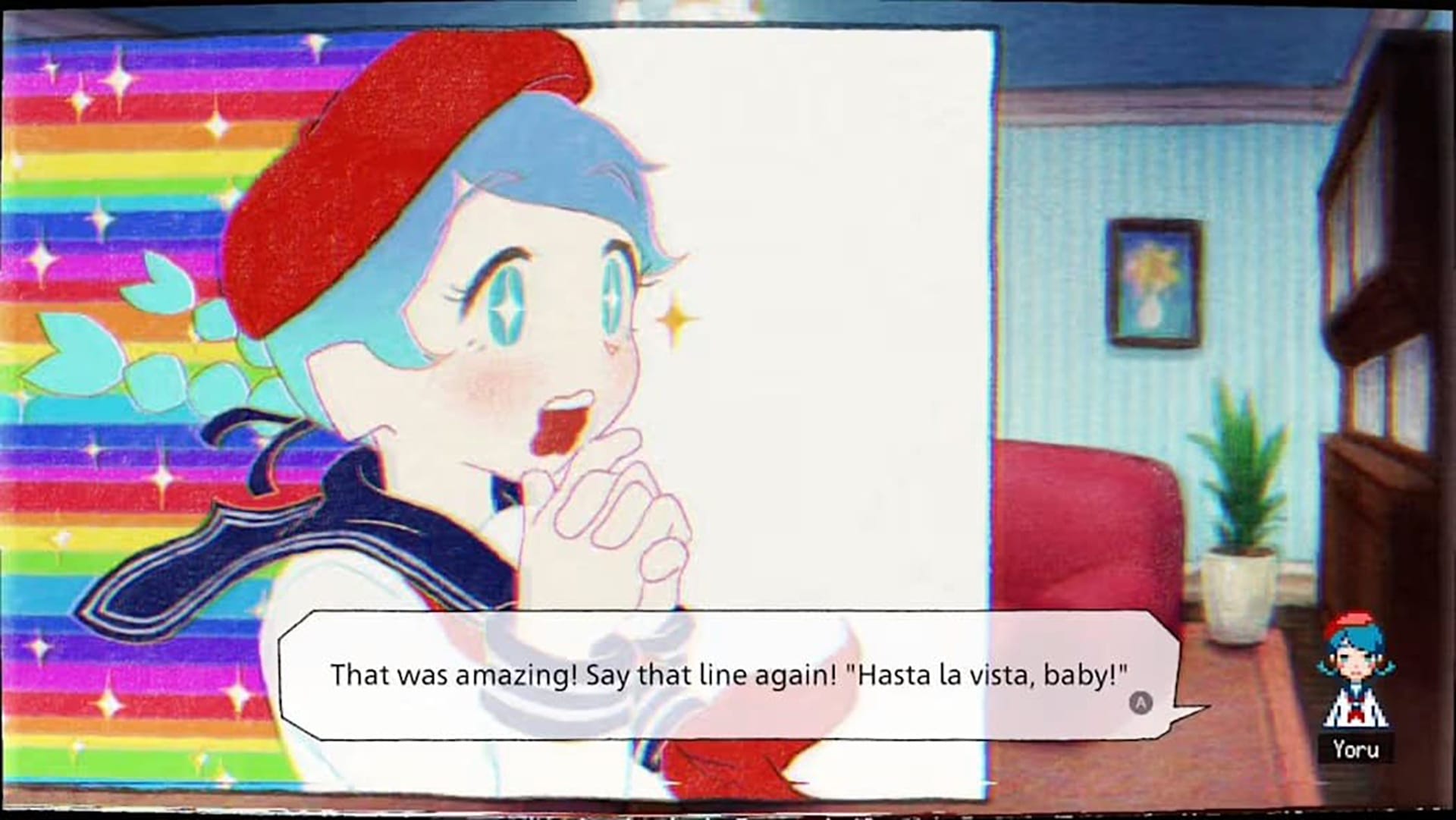
There is one very unusual fact about this unusual town, being that exactly 1024 residents have lived here for as long as it has existed. Which makes it stranger when a new ghost appears and is held captive inside the local church by a monopolizing group with control over the town. Still, this trio try and welcome this new ghost. Which just begins a journey about friendship and human connection while uncovering the truth of the town.
Told episodically, Ghostpia Season 1 is what the team calls a 'denshi novel', diverging from the visual novel format in the sense that the experience lacks choices and split story paths in service of telling the best possible format using the medium. Most of these were made for mobile and were far more reminiscent of a traditional book, with Ghostpia merely expanding that for the new platforms they worked on with animated sequences and musical cues that tie into the atmosphere of this unusual place, inspired by the domestic and international animated works that fed into the project.
“Are those branching paths really necessary?” asks the team when questioned on the linear nature of Ghostpia. “Often it’s just assumed that visual novels are better off with branching paths, whether it’s multiple bad, good, or true endings, or dialogue choices with no bearing like variations in the ice cream flavors you offer the heroine. The idea is that the more content, the better. But honestly, we’re not fond of that approach. Even when a story becomes intense, a player’s mind will wander back to the decisions they didn’t make before, and having bad endings treated like failure simply adds nuisance in needing multiple save files and replaying the game, detracting from the experience.”
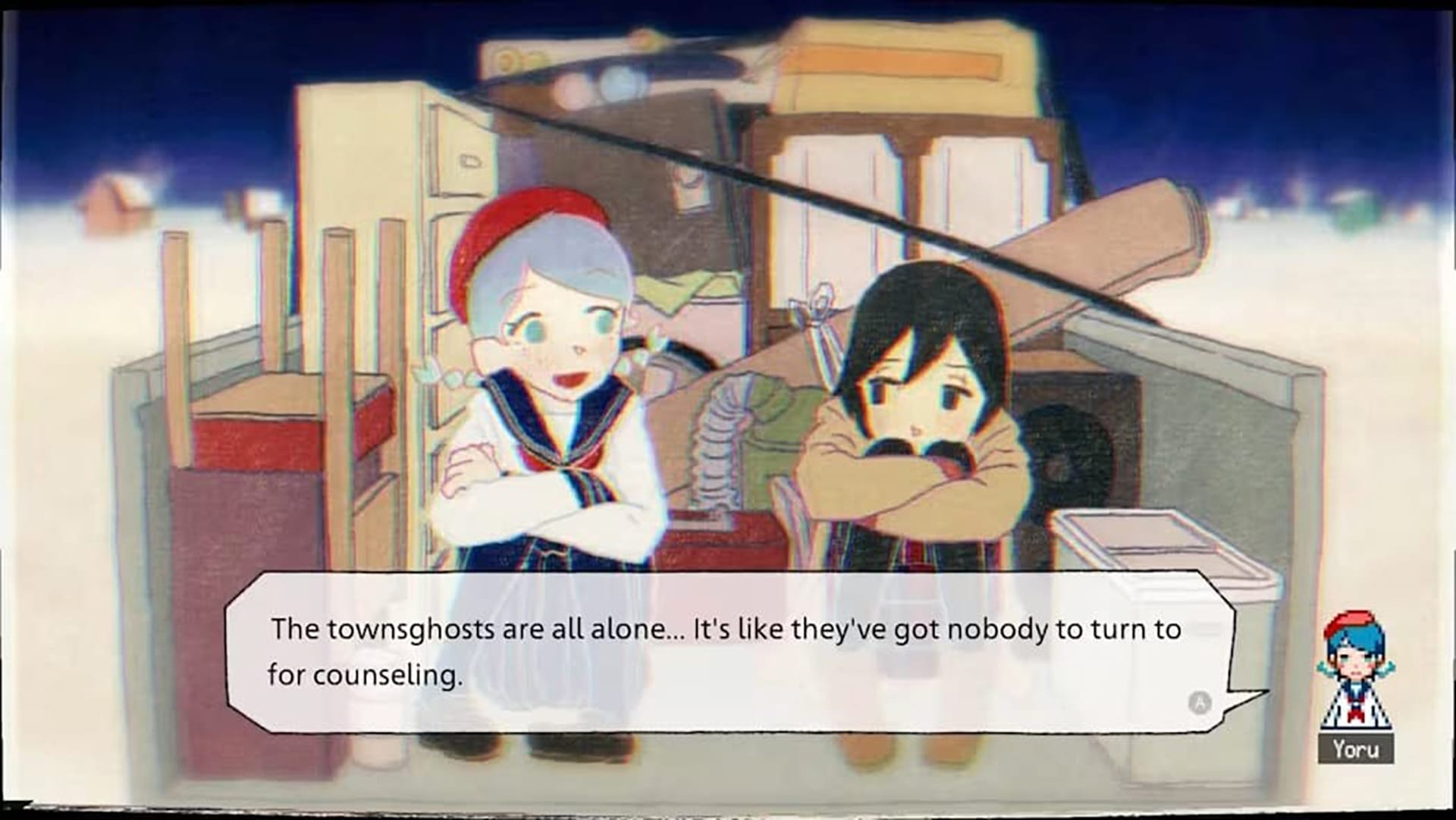
The same goes for quick-time events and mini-games, according to the team, not necessarily opposed to them but believing text and image is better to convey deeper ideas. “Also, where would a team of four people like us find the resources for that? Including a large amount of branching paths would divert resources from the story we really want to make. There’s a saying that ‘He who chases two rabbits catches none’, so if you’re too greedy, you won’t achieve anything. We want to pour our resources wholeheartedly into the parts we truly want to create and give it our all to chase the one rabbit we really want to catch.”
The story for Ghostpia is inspired a lot by the developer’s own experiences. While working on projects, the team would find it was already dark by the time they were done, with stores closed and the last train about to leave. They’d end up eating meals or drink coffee at family restaurants open late, buying drinks from vending machines, and taking walks together while looking at abandoned apartment complexes, which can be seen in the otherworldly darkness enveloping the game.
It’s a world disconnected, with characters similarly-unique and unusual, yet somehow relatable, to the world we live in today. “The characters in Ghostpia are all a bit eccentric, aren’t they? They’re a bit out-there, but as you get to know them through their dialogue, they’re actually pretty down-to-earth and relatable.
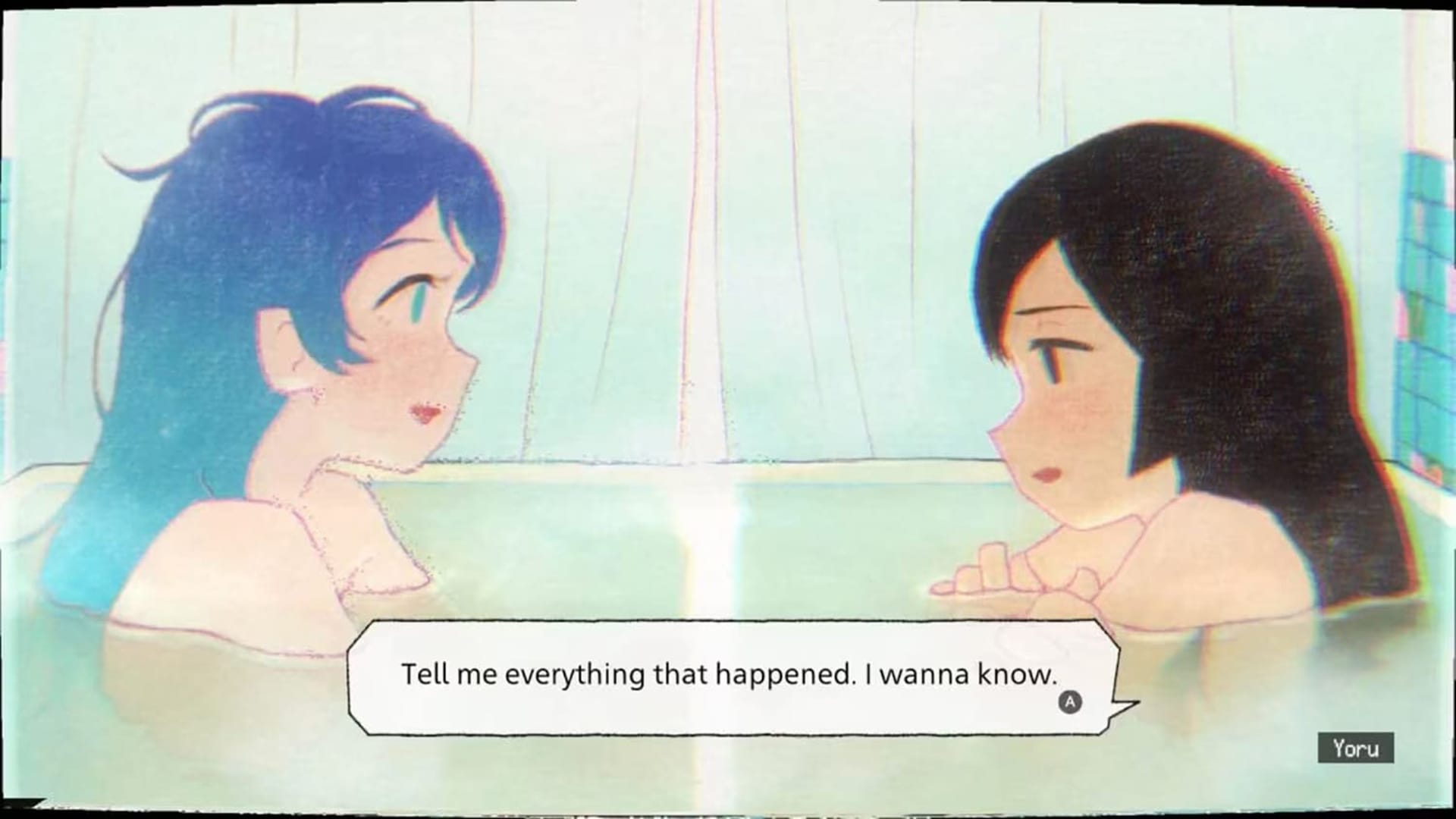
“[Sayoko, for example] is a pretty lonely girl who barely shows her emotions and appears rather melancholic, making her easy to understand at first. But she wouldn’t be very interesting if that was all she was, and as the story goes and she begins to lower her guard to her new friends, she’s a pretty ordinary young girl. She rarely bathes, she’s short-tempered and quick to react, is quite sharp, she’s blunt, but it’s a gradual shift we see as we get to know her more and people relate to.”
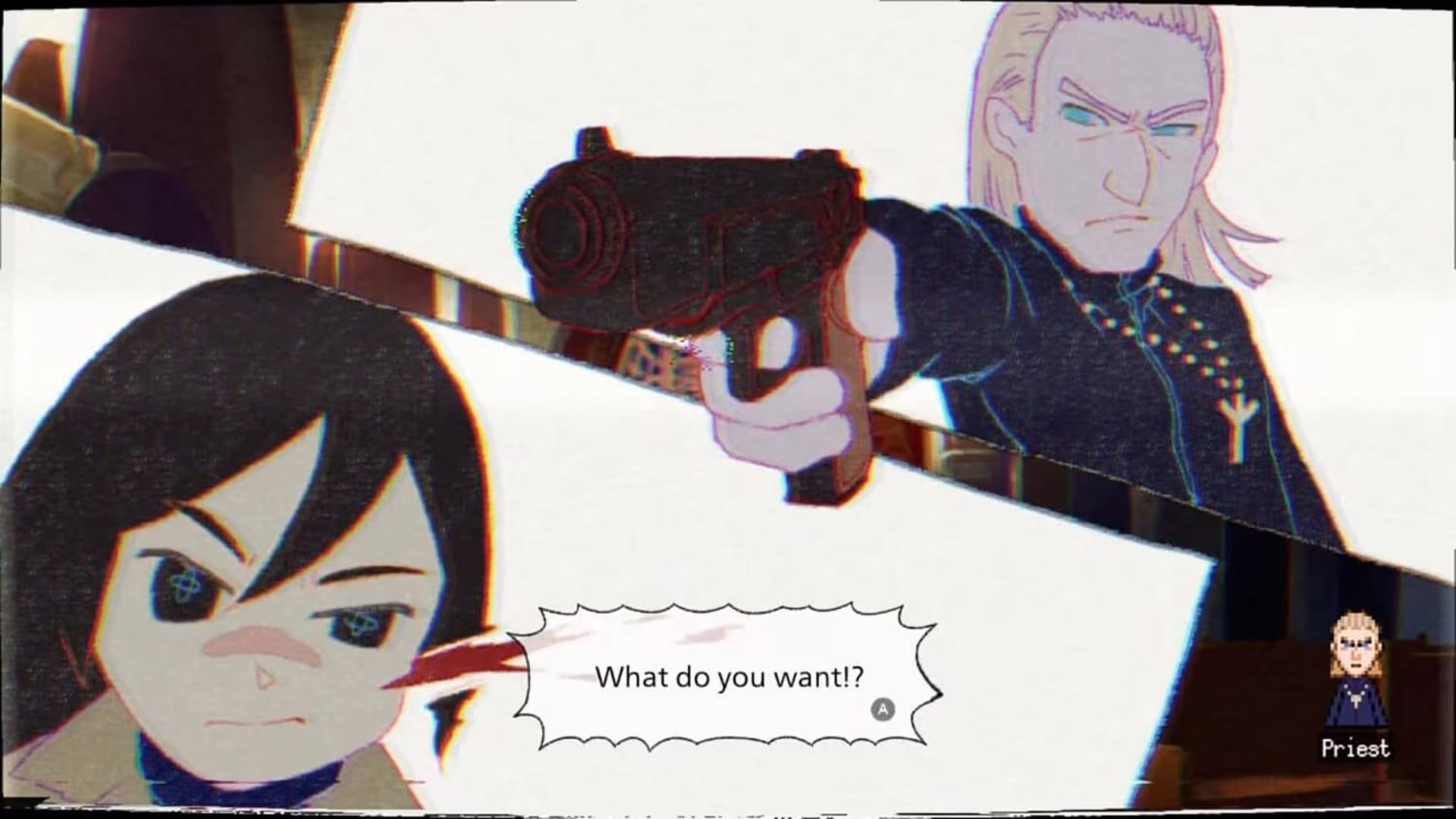
You see this slow unveiling of the truth as we learn more about these characters, this world, and this story. Moments of the feel seem almost hilariously innocent and close, friends joking about people they don’t like and the people and things about this small town that bug them. Moments learning about what’s underneath Yoru’s outgoing bubbliness, for example, moments where these people can just exist. Then, they’ll be acting on solving the dark secrets of this place or the people enabling it, firing a bullet through the head of someone or fleeing a scene whose grave consequences are apparent even if the scale of how it will reflect back on them is yet to become clear.
“It's a game about imperfection,” Chosuido explains. “It’s a story that repeatedly emphasizes that it’s ok to love what you do, even if it’s imperfect or wrong. It’s ok to have a messy personality or go against the typical morals sometimes, and if you’re friends can bond over acting against the same things you hate, you have to treasure them. It might not be right, but is that meaningless? Is it wrong to cherish and hold close the things you love?”
It’s a rather radical approach to storytelling that even those in the industry took notice. “Shortly after we released Ghostpia on Nintendo Switch [after its initial PC release], we had some direct feedback from a high-ranking executive at a major games company. We were nervous when we got to speak to him, but he was delighted, and his first words were telling us ‘Our company could never release a game like this! The protest calls from fans would never end!’”
Because underneath the nostalgic VHS-like visuals tinted with animation and a story so distant and unique yet familiar, is something that sticks with you because there’s rarely a story that goes to the places Ghostpia does. Never mind with quite the animated and visual flair this does. It’s what makes it so exciting that this isn’t the end for this story. While the team were close-lipped on precisely when Ghostpia Season 2 will release, the game was revealed during a recent online showcase by room6 as currently in development, with the promise of continuing on from what came before.
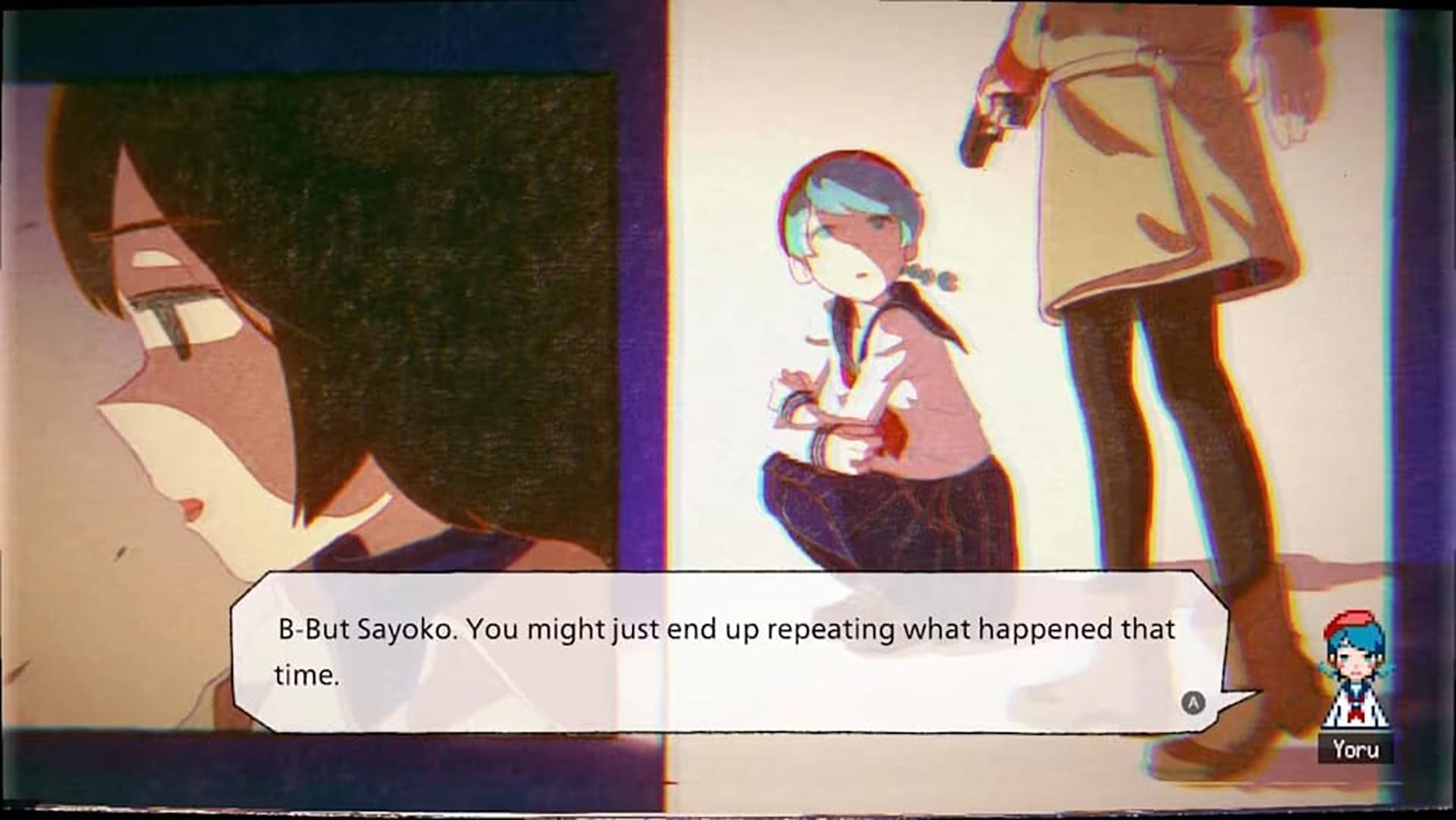
“In Ghostpia Season 1, we presented players with a lot of ideas regarding this world and these characters. Our aim for Season 2 is to tie up loose ends in the story, and show our gratitude to those who enjoyed the first season. We really want to elevate the series while still having fun working on it.
“The first season a journey which saw the lonely Sayoko find what she had lost and even find something new through her friendship with Yoru. Sayoko has far more to her than she did before. We want fans to keep a close eye in Season 2 to how Sayoko will utilize these new things to face the challenges she has to overcome.”
Ghostpia Season 1 is now available on Steam and Nintendo Switch, with Ghostpia Season 2 currently in development.